health-economics
(11)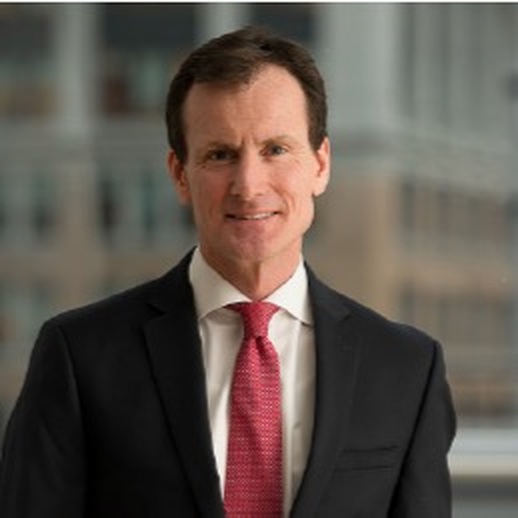
John Cullity Learned to Read the Science - Then the Deal
The Australian-trained physician built a career at the border of medicine and money, where a molecule needs both evidence and a route forward.
The Company Selling Confidence Before a Medicine Can Be Sold
A drug can work perfectly and still fail to reach patients. OPEN Health built a global consultancy around the awkward middle - the evidence, access, education, and human judgment that turn a scientific result into a confident decision.
The Tiny Agency Behind the Footnotes
Kay Square Scientific turns clinical data into the papers, posters and expert conversations that medicine runs on. Its advantage is not size, but a small remote team with long memories, advanced degrees and an almost fussy respect for the footnote.
The Best Therapy in the World Still Needs Someone to Say Yes
MEYA Health works in the awkward distance between scientific approval and real-world access - where evidence must become a story that payers, health systems and field teams can actually use.
The NHS has good ideas. South London’s HIN helps put them to work.
From faster wound healing to diabetes classes that understand the dinner table, Health Innovation Network South London tackles the awkward distance between a promising idea and everyday care.
Komodo Health Bet Tens of Millions on a Map. Then It Had to Teach Customers How to Read It.
The healthcare-data unicorn spent a decade stitching together patient journeys. Its harder problem was turning that expensive map into answers that scientists, sales teams and regulators could actually use.

Lyfegen
Lyfegen is a Swiss health-tech company that builds software to manage value-based drug pricing and rebate agreements. Its platform helps health insurers, governments, hospital payers, pharmaceutical firms and medical device makers automate complex rebate contracts, run pricing simulations and tap the world's largest library of value-based agreements - reducing administrative burden while helping patients access innovative therapies.

Justin Bekelman
Justin Bekelman is the co-founder and CEO of Daymark Health, a Philadelphia-based value-based oncology company building a tech-enabled medical group that wraps clinical, mental health, and social support around people facing cancer. A radiation oncologist with roughly 200 published research articles, he spent two decades at the University of Pennsylvania, where he founded the Penn Center for Cancer Care Innovation at the Abramson Cancer Center before leaving to build a company that contracts directly with health plans to take on total cost of care. Daymark launched publicly in 2025 with $11.5M in seed funding and closed a $20M Series A in September 2025.
Elicit
Elicit is an Oakland-based AI research platform that automates the slow, manual parts of scientific literature review - searching, screening, and extracting data from papers. Spun out of the nonprofit research lab Ought in 2023, it lets researchers query a corpus of over 125 million papers, run systematic reviews that are traceable and auditable, and extract data from tables and figures with accuracy that rivals expert reviewers. More than two million researchers across academia, biotech, and pharma use it to get evidence-based answers in hours instead of months.

Joseph Antos
Joseph Antos is one of Washington's most-quoted health economists, the Wilson H. Taylor Scholar in Health Care and Retirement Policy and a senior fellow emeritus at the American Enterprise Institute. A University of Rochester PhD who started as a Cornell math major, he spent decades inside the federal machinery - the Congressional Budget Office, the Council of Economic Advisers, OMB, the Department of Labor and HHS - before becoming AEI's go-to voice on Medicare, the federal budget, and market-based reform. He has advised the World Bank and foreign governments, served terms regulating hospital rates in Maryland, and teaches at George Washington University.
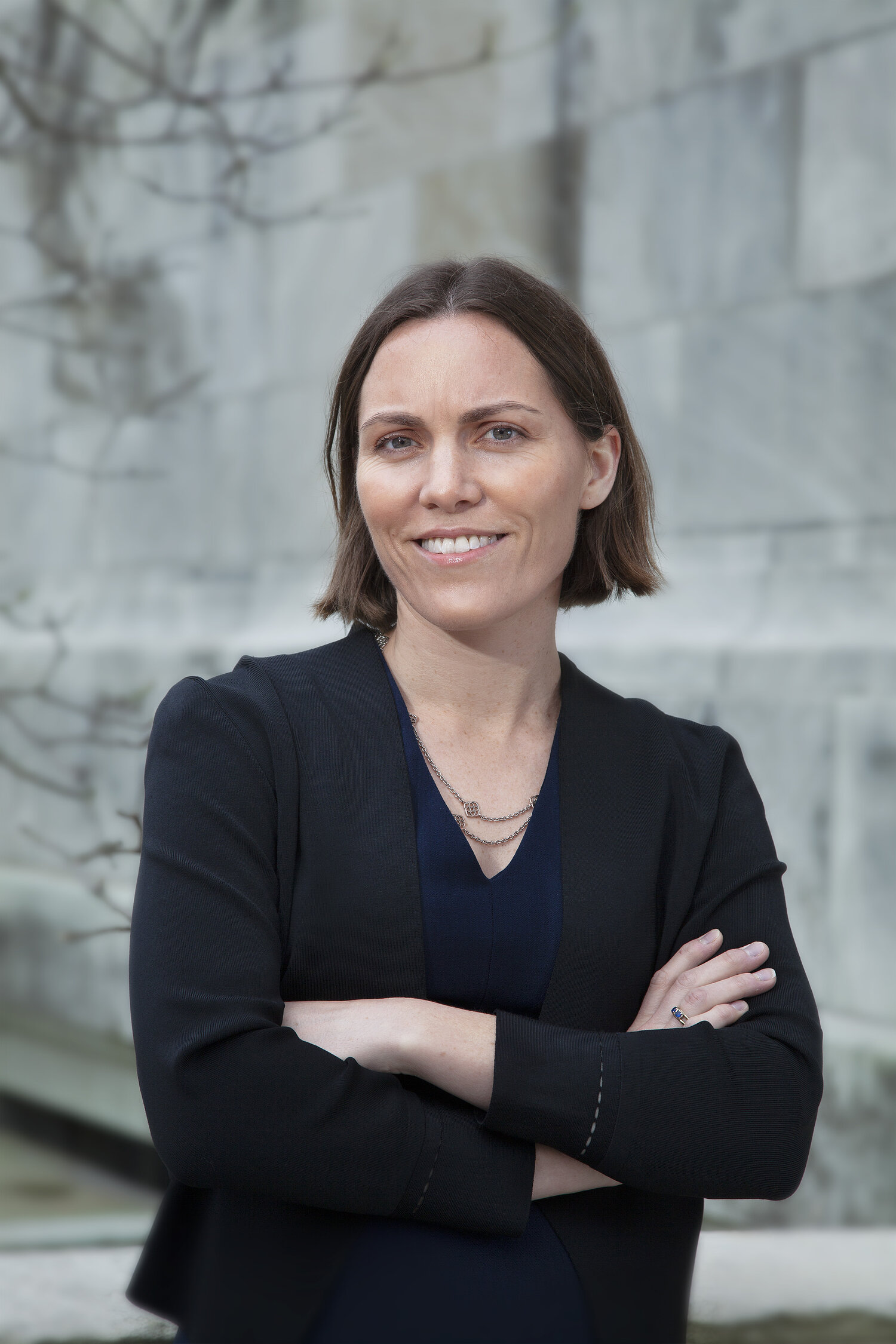
Emily Oster
Emily Oster is a Harvard-trained economist, Brown University professor, and the mind behind ParentData - a platform transforming how millions of parents make decisions. With four consecutive New York Times bestsellers, TIME's 100 Most Influential People recognition, and over a million books sold, she wields data like a scalpel against pregnancy myths and parenting guilt, convincing readers that evidence beats anxiety every time.