health-data
(16)
The Second Blood Test Is the Point
Superpower sells 150-plus biomarkers, an AI-assisted plan and a second look at your blood. The interesting product is not the test. It is the feedback loop after it.
The Thermometer That Learned to Read a City
Kinsa put a familiar household ritual on the network, then discovered that millions of small fevers could become an early warning system - and a planning tool for everyone from parents to pharmacy shelves.
Health IQ Bet the Company on Knowing You Better Than Your Broker
A health quiz became a life-insurance discount, then a Medicare prediction engine. The idea was unusually legible. The bill for scaling it was not.
The Agency That Learned Persuasion Has Side Effects
Publicis Health built a global machine for making medicine understandable. Then a $350 million settlement made the industry confront a harder question: what happens when the machine works too well?
Sensyne Health’s £60 Million Bet on NHS Data
Sensyne offered hospitals a share of the proceeds from AI research. A cash crisis forced a rescue, a new name and a smaller business - while its pregnancy-diabetes app found a life of its own.
Verily Bet Billions on Health Moonshots. Then It Learned to Clean the Data.
The Alphabet spinout tried smart contact lenses, surgical robots and a watch built for research. After layoffs and a strategic reset, its real product looks less cinematic - and potentially more useful: turning health care’s unruly data into evidence, decisions and care.
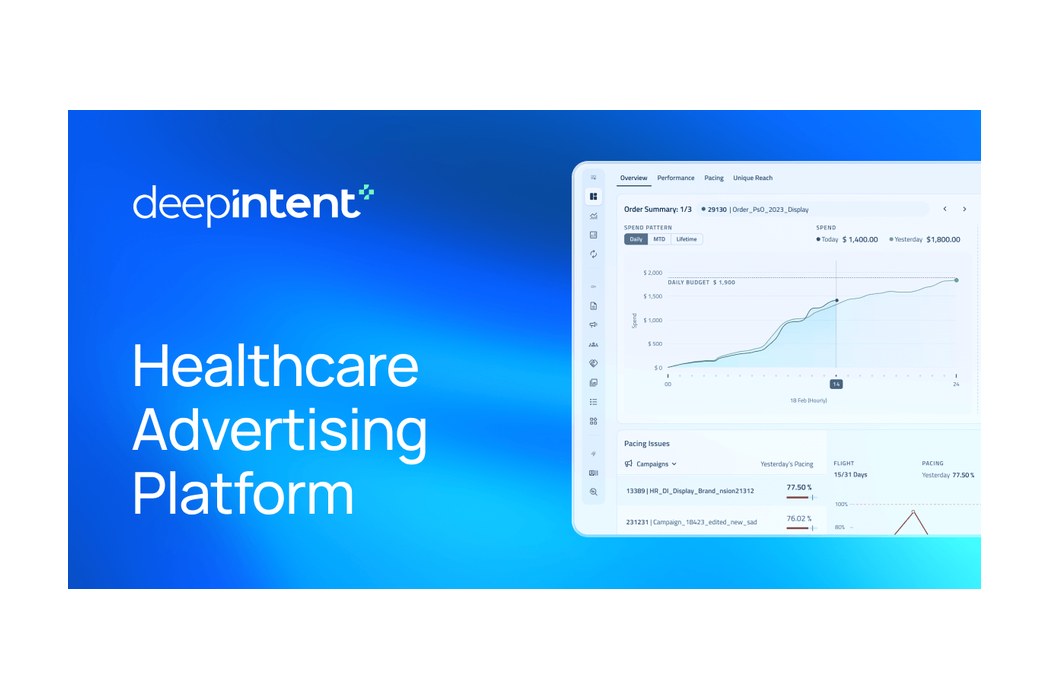
DeepIntent Survived the DSP Winter - Then Taught Pharma Ads to Count Prescriptions, Not Clicks
The New York ad-tech company nearly ran out of road when venture funding for new DSPs froze. A decade later, it sells pharma marketers something the open web rarely offers: a way to connect media spend with clinical outcomes.
Medecision Survived a Rough IPO. Now It Wants Health Plans to Stop Admiring Dashboards and Start Acting.
A basement-born medical software company went public, endured what its founder called a terrible ride, and sold for $121 million. Nearly four decades after launch, Medecision is betting that healthcare’s next breakthrough is not another dashboard - it is turning messy data into the next useful action.

InteropX Sold the Plumbing: How a Five-Person Health-Data Company Made Stale Records Useful
Health plans had APIs, repositories and a stubborn problem: the records still arrived stale, duplicated or trapped in documents. InteropX built the virtual pipe between payers and providers, priced retrieval as low as $1 a chart, and eventually sold the system to Onyx.
The Doctor Who Built a Research Machine Because He Never Had Time to Do Research
Dr Matt Wilson spent 14-hour shifts in emergency medicine with no time to eat, let alone run a study. So he built a platform that makes the research happen without the clinician lifting a finger - and pharma is paying to plug in.

Nori
Nori is an AI health coach that connects a person's scattered health data - Apple Health, Oura, Whoop, Garmin, Peloton, nutrition apps, medical records and lab tests - into one place and turns it into a personalized daily plan. Founded in 2025 by Chartable veterans Dave Zohrob and Harish Agarwal, the New York startup is part of Y Combinator's Fall 2025 (F25) batch and aims to make health optimization feel less like a second full-time job.
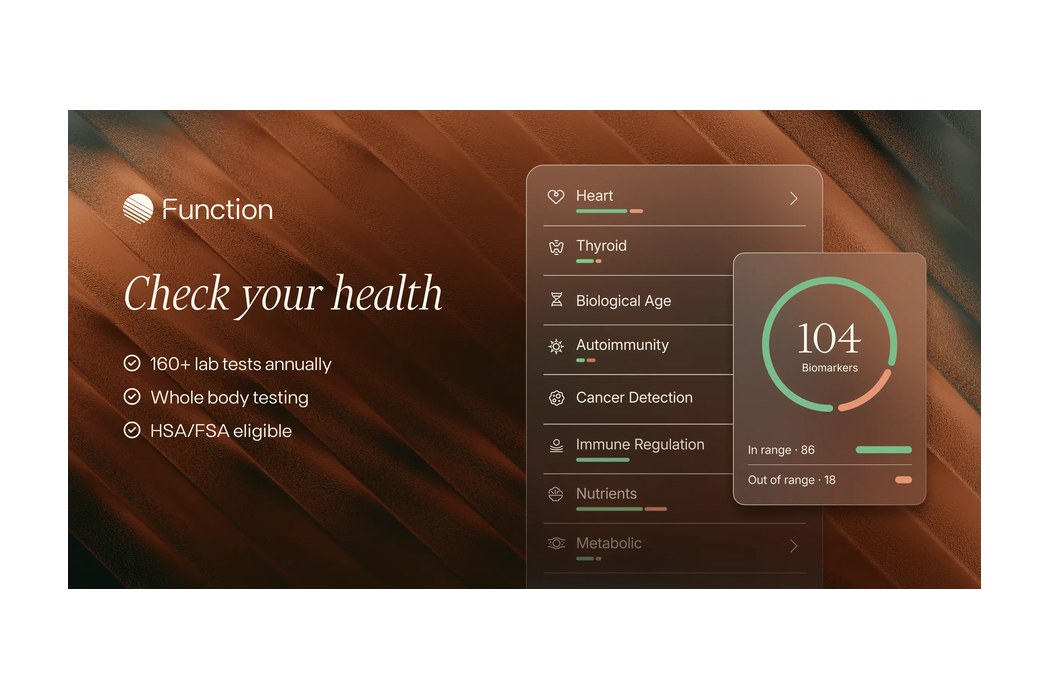
Function Health
Function Health is an Austin-based membership platform that gives consumers direct access to 100-plus lab tests, optional full-body MRI scans, and AI-generated insights for a flat annual fee. Founded in 2021 and led by CEO Jonathan Swerdlin with physician co-founder Mark Hyman, the company sells a data-first, preventive approach to healthcare aimed at helping members catch problems early and track their biology over time. After a $298M Series B in November 2025 at a $2.5B valuation, Function has become one of the fastest-growing consumer health companies in the US.
Human Longevity, Inc.
Human Longevity, Inc. is a San Diego- and South San Francisco-based genomics and precision-health company founded in 2013 by genome-sequencing pioneer J. Craig Venter, Peter Diamandis, and Robert Hariri. It pairs clinical-grade whole genome sequencing with whole-body MRI, hundreds of blood biomarkers, and AI analytics - delivered through its Health Nucleus platform - to detect cancer, cardiovascular disease, and other age-related conditions before symptoms appear. After a decade building one of the world's largest longitudinal genotype-phenotype datasets, the company in 2026 launched a $599 clinical-grade whole genome report and spun out Human Life Foundation Models, Inc. to build large-scale AI foundation models for longevity science.

Zenysis Technologies
Zenysis Technologies builds data-integration and analytics software for governments and health institutions in low- and middle-income countries. Its flagship product, Harmony, is an open-source platform that pulls together fragmented health data - program records, financials, geospatial layers, surveys - into a single workspace so decision-makers can respond to disease outbreaks, run vaccination campaigns, and manage national health programs. Founded in 2016 by former UN diplomat Jonathan Stambolis, the company has deployed across roughly ten countries in Africa, Asia, and Latin America and is backed by grant funders including the Bill & Melinda Gates Foundation, Gavi, and the Global Fund.
MDaaS Global
MDaaS Global is a Nigerian health-tech company building tech-enabled diagnostic and primary-care clinics for clinically underserved communities across Africa. Trading as BeaconHealth Diagnostics, it runs a network of 17+ centers offering imaging, cardiac, and laboratory services, all connected by its proprietary operating system, BeaconOS. Founded in 2017 by a team out of MIT, the company has served more than 275,000 patients and raised $6.8M to expand toward becoming the continent's largest integrated care network.
HealthEx
HealthEx is a San Francisco healthcare technology company building a patient consent and preference platform that lets individuals authenticate, access, and share their comprehensive health records in real time - while giving health systems a way to enforce granular consent across the care journey. Founded in 2024 by physician Priyanka Agarwal and engineer Anand Raghavan, it raised $14M led by General Catalyst and operates under the federal TEFCA framework, connecting patients to most U.S. care providers through partners like Epic, athenahealth, CLEAR, and CommonWell.