health-benefits
(25)
Judi Health wants your benefits to speak the same language
A pharmacy benefits challenger found a bigger problem hiding in the paperwork. Judi Health is putting medical and pharmacy claims on the same system - and selling the machinery to other benefit administrators.
Capital Rx wants you to follow the money.
A flat fee. A visible drug price. Then a software platform built to make both work. Capital Rx, now Judi Rx, is taking its pharmacy experiment into the rest of health benefits.
apree health wants to close the gap between finding care and getting it.
Castlight supplies the map. Vera supplies the medicine. Together, apree health is testing whether better directions and a real primary care relationship can make employer healthcare work.
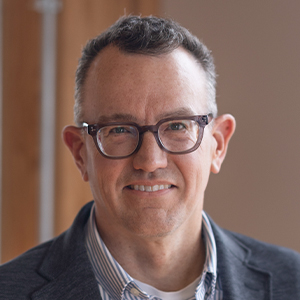
Andy Clark Has Spent 30 Years Turning Useful Connections Into Companies
Before becoming Remodel Health’s CMO, Andy Clark helped build SaaS companies, board software and the rooms where Indianapolis founders met. His career offers a practical lesson: remove the obstacle, connect the people, and let momentum do its work.
Remodel Health’s $100 Million Bet: Make Employees Shop for Insurance - Without Leaving Them Alone
Employers get a ceiling on health-benefit costs. Workers get a market full of choices - and a licensed human to call. Remodel Health raised more than $100 million on the belief that this awkward trade can become mainstream infrastructure.
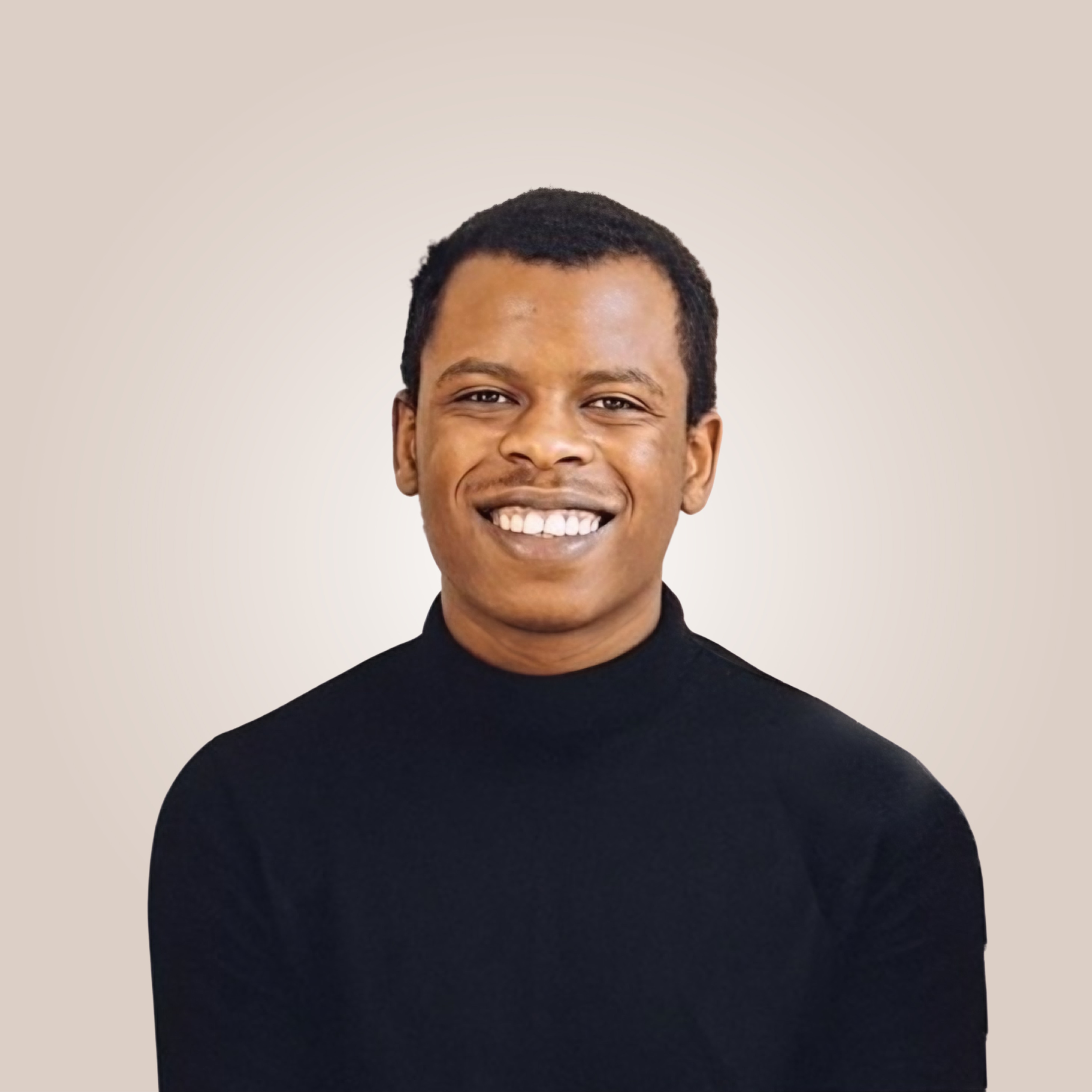
Joseph Kitonga Put a Healthcare Idea in a Mall Kiosk - Then Took It Nationwide
A family business exposed the gap. A $10,000 student prize funded the first attempt. Joseph Kitonga built Vitable by meeting workers face to face, then kept widening the map.
League Ditched the Wellness Marketplace. Now It Wants to Be Healthcare's Operating Layer
The Toronto company started by helping workers book massages. A decade and more than $285 million in venture funding later, it is selling the rails - and now the AI agents - behind healthcare's digital front door.
Tenure Health Bet That Medicare Needed a Better Front Door - Then Sold the Blueprint
Tenure Health started with a consumer problem - retirement healthcare feels like paperwork with a pulse. Three years, roughly $7 million and several stops and starts later, NCD bought the company for the product machinery behind the promise.
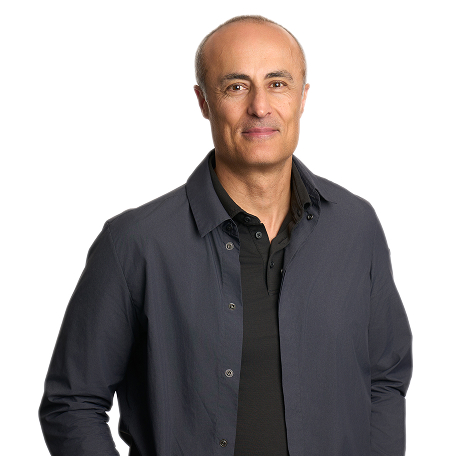
Ali Diab Is Building the Operating System Behind the Benefits Card
After a career spent making maps, messaging, mobile ads, and marketplaces easier to use, Ali Diab chose a harder interface: the machinery behind employer benefits. His playbook is patient, product-minded, and built around making complexity legible.
Mercer
Mercer built an 80-year business around decisions companies cannot afford to guess at - what to pay, which benefits to fund, how to redesign work and where to invest retirement money. Now its vast store of workforce data is becoming a product in its own right.

Sun Life
Sun Life spent 160 years learning how to price the future. Now it is turning that patience into a three-part business spanning protection, workplace health and global asset management.
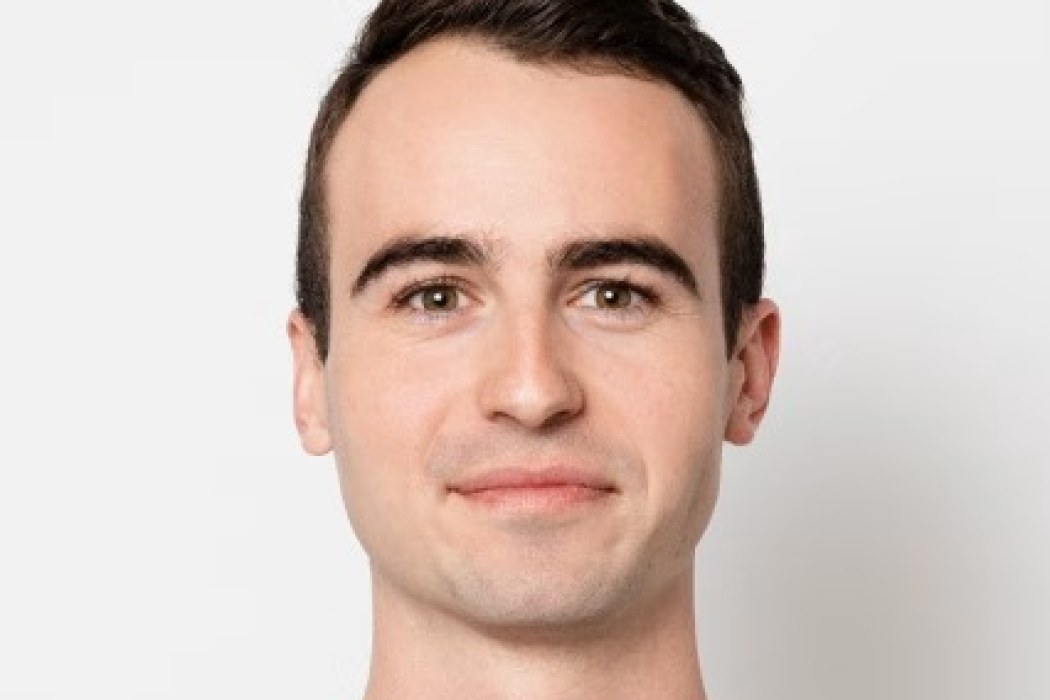
Cédric Kovacs-Johnson
Cédric Kovacs-Johnson is the founder and CEO of Flume Health, a New York-based software company that connects the fragmented healthcare data ecosystem so payers and employers can build and run health plans more efficiently. A chemical engineer by training, he first made his name as co-inventor of Spectrom, a full-color 3D printing technology that won the 2014 Collegiate Inventors Competition and was acquired by MakerBot. He founded Flume Health in 2017 and has raised more than $40 million in venture funding, including a $30 million Series A in 2022.
Pasito
Pasito is a New York-based AI company building an AI-native workspace for group health, life, and retirement benefits. Founded in 2021 by Pauline Roteta, Ignacio Ampuero, and Julie Scotland, and backed by Y Combinator, the platform ingests unstructured plan documents and employee census data into a unified data layer, then deploys engagement AI agents to automate benefits work across sales, quoting, marketing, enrollment, support, and claims. Pasito serves carriers, brokerages, and consultants including New York Life, Reliance Matrix, OneDigital, and Daybright Financial. In February 2026 it raised a $21 million Series A led by Insight Partners.

Guy Benjamin
Guy Benjamin is the CEO and co-founder of Healthee, a New York-based company that uses AI to help employees understand and use their health benefits. A former Israeli Air Force fighter pilot with a Yale MBA and a McKinsey background, he started Healthee in 2021 after struggling to navigate his own employer benefits in the US. The company has grown past 15,000 customers, counts Instacart, SiriusXM, and Celonis among its clients, and has raised $111 million in total funding, including a $50 million Series B in 2025.
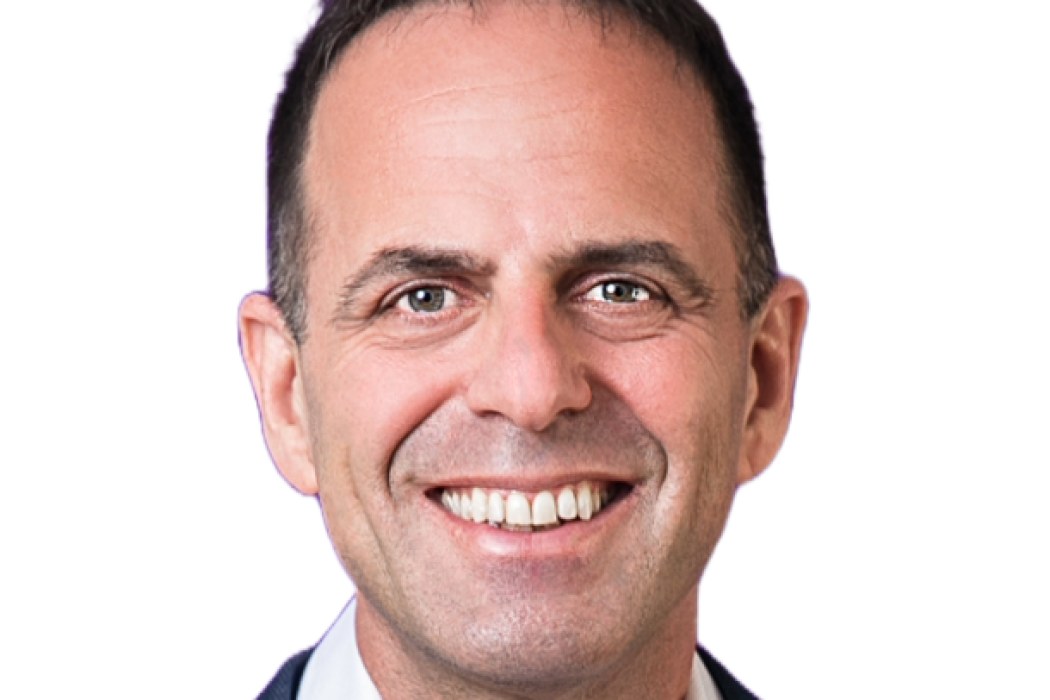
Guy Ezekiel
Guy Ezekiel is the co-founder and CEO of Zorro, an AI-powered ICHRA benefits platform that helps employers replace one-size-fits-all group health plans with personalized, individual coverage. A 25-year healthcare operator turned venture investor, he spent much of his career building medical device and pharmaceutical companies before becoming a managing partner at Pitango, Israel's largest VC fund. He left investing to co-found Zorro in 2022 with Maya Perl, betting that Individual Coverage Health Reimbursement Arrangements will do for health benefits what the 401(k) did for retirement. Zorro has raised $31.5 million to date, including a $20 million Series A in June 2025.
Binkey
Binkey is a Washington, DC fintech that lets online merchants accept pre-tax health benefit dollars - FSA, HSA, and related accounts - as payment at checkout. Its AI-powered engine classifies products at the SKU level to determine IRS eligibility in real time, automates claim filing and reimbursement, and routes funds through developer-friendly APIs. Products span Binkey Pay (checkout acceptance), FSA + HSA Rewind (recovering unused benefit dollars from past purchases), and Binkey Vision (out-of-network vision reimbursement). The company raised $3.3M in seed funding in 2023.
River Health
River Health is a Minneapolis digital health company building the first health plan designed specifically for hourly and mixed workforces - the roughly 75 million American workers who earn too much for Medicaid but can't afford traditional insurance. For a flat monthly fee with no copays, deductibles, or hidden charges, members get virtual and in-person primary care, behavioral health, labs, and prescriptions delivered to their door. River sells directly to employers like Taco Bell and Raising Cane's who want to offer real benefits to workers the insurance industry has long ignored.
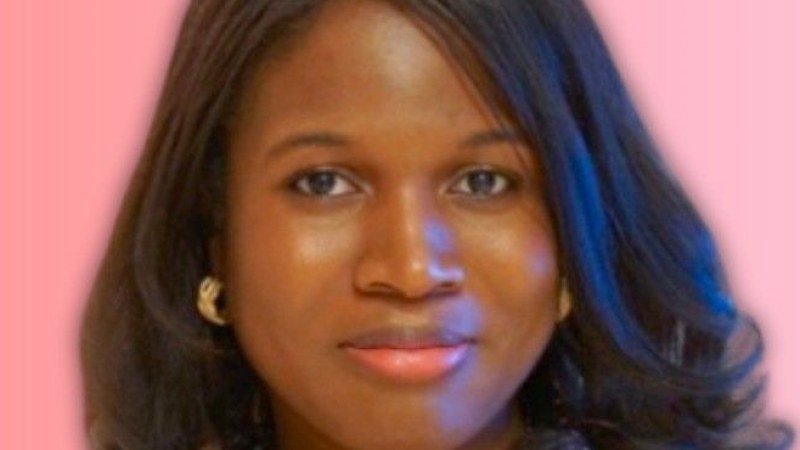
Obiaku Hill
Obiaku Ohiaeri Hill is the founder and CEO of Binkey, a Washington, DC fintech that turns FSA and HSA accounts into a checkout button. After years inside healthcare's machinery as a scientist, a McKinsey expert, and a product VP, she built an API-enabled payment service that lets merchants accept pre-tax health dollars at the point of sale and auto-files the paperwork so customers stop forfeiting the money they already set aside. Binkey raised a $3.3M seed round in December 2023 led by Wellington Access Ventures and was selected for the Mastercard Start Path program.
Collective Health
Collective Health is a San Francisco-based health benefits technology company that operates an integrated platform for self-funded employers. It brings medical, dental, vision, pharmacy, and digital health partners together in one system, pairing claims administration with a member app, care navigation, and analytics so employers can control costs while making coverage easier for employees to understand, navigate, and pay for.
Alison Richards
Alison Richards is the CEO of Surest, a UnitedHealthcare company (formerly Bind) that builds a health plan with no deductibles and upfront prices people can see before they book care. A UnitedHealthcare veteran since 2012, she has turned the company's most contrarian benefits idea - let members shop for care the way they shop for everything else - into its fastest-growing employer plan.
Chris Ellis
Chris Ellis is the co-founder and CEO of Thatch, a San Francisco healthtech-meets-fintech company that lets employers hand workers tax-free dollars to buy and manage their own health benefits through ICHRA. A former cancer researcher who started at MIT and studied at Duke, Ellis lost his father to cancer at age six, an experience that shaped both his skepticism of the healthcare system and his drive to rebuild how it is paid for. Founded in 2021 with Adam Stevenson, Thatch now serves more than 1,000 companies and raised a $40M Series B led by Index Ventures in April 2025, on top of an earlier $38M Series A, with backing from a16z, General Catalyst, and Google Ventures.
Surest
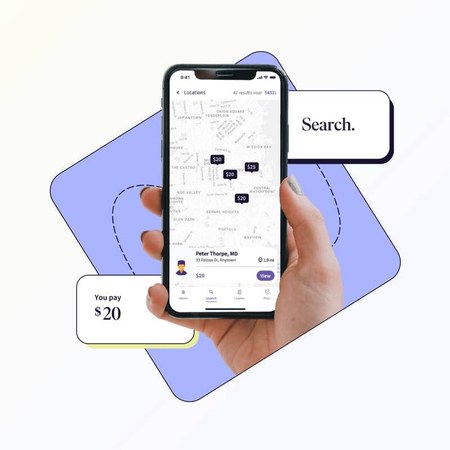
Surest is a UnitedHealthcare employer-sponsored health plan that strips out deductibles and coinsurance and instead shows members clear, upfront prices for care before they book it. Founded in 2016 as Bind in Minneapolis, the plan lets people compare providers and treatment options by cost and quality through an app, then pay a single known copay. Rebranded from Bind to Surest in 2022 after UnitedHealthcare took majority ownership, it has grown into the fastest-growing plan in UnitedHealthcare's book, serving close to one million members across employers from family businesses to the Fortune 100.
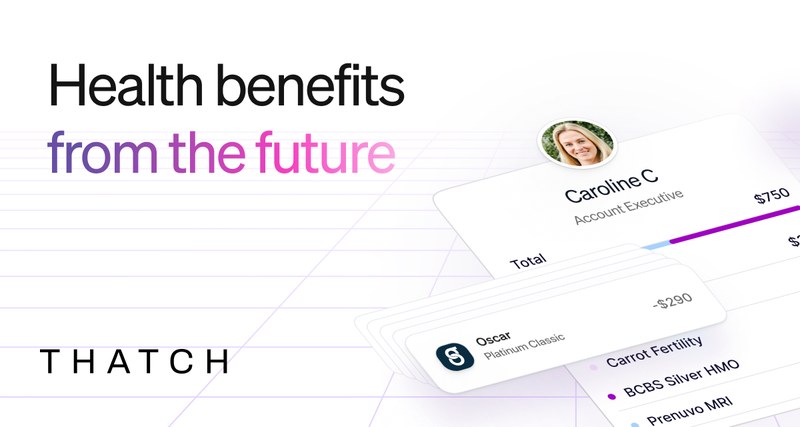
Thatch
Thatch is a San Francisco health benefits platform that lets employers give workers a tax-free monthly healthcare budget instead of a one-size-fits-all group plan. Employees shop a marketplace for their own medical, dental and vision coverage, then spend any leftover budget on care through a Thatch debit card. Built around ICHRA - a 2020-era IRS rule - the company aims to unbundle health insurance from a single employer plan and hand the choice back to individuals. Since launching in 2023 it has served more than 1,000 businesses and raised about $84.5 million across seed, Series A and Series B rounds.

Zorro
Zorro is an AI-powered ICHRA platform that swaps rigid group health plans for a defined-contribution model - think 401(k), but for health insurance. Employers set a budget, employees get a personal allowance, and Zorro's decision-support engine helps each person pick an individual plan that actually fits their doctors, medications, and wallet. The platform serves employers, employees, and the brokers who sell to them, and clients have averaged over 20% premium savings versus traditional group coverage.
Transcarent
Transcarent is a consumer-directed health and care platform built for self-insured employers and their employees. Founded in 2020 by Livongo creator Glen Tullman with General Catalyst's Hemant Taneja, it bundles 24/7 doctors, pharmacy, surgery, cancer and behavioral care into one app powered by its AI experience WayFinding. After its $621M merger with Accolade in 2025, the company now covers roughly 20 million Americans.