grassroots-organizing
(14)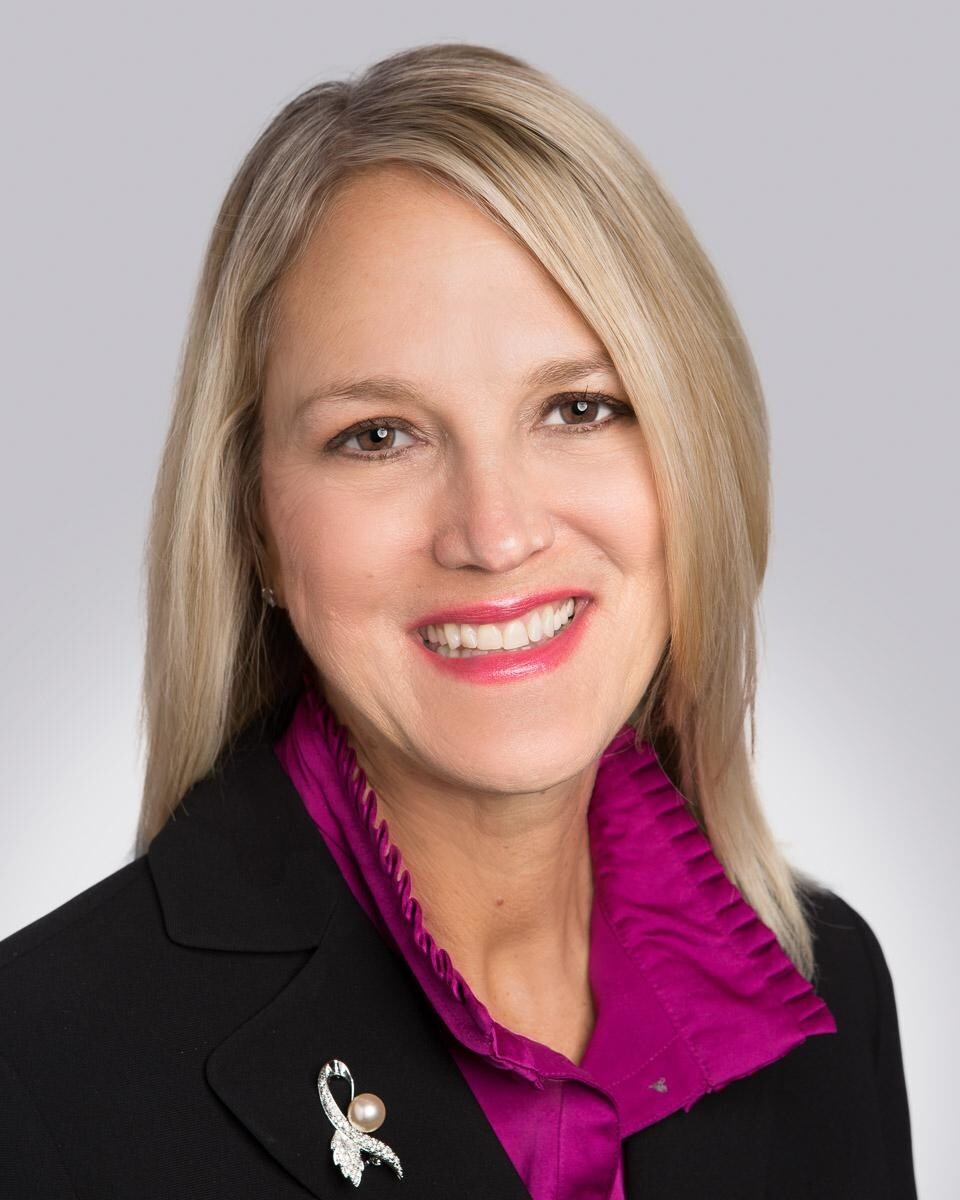
Debbie Weir and the Quiet Architecture of a Movement
Across three decades of nonprofit work, Debbie Weir has practiced a deceptively difficult craft: listening to individual voices, then building the machinery that lets them move institutions.

The Campaign Never Ends - Precision Learned to Live Inside It
The Obama veterans who turned campaign urgency into a corporate service are making a more surprising bet: that the future of persuasion is bipartisan, measurable, and always on.

The Firm That Turns Policy Into a Public Story
In Rhode Island, a policy fight can turn on a fact sheet, a coalition and the order in which the phone calls are made. Advocacy Solutions has spent two decades turning that choreography into a business.
At Scale and the Seventy Percent Nobody Sees
A campaign may be remembered for its message. At Scale built a business around the less photogenic truth: the doors only get knocked when payroll, turf, training and data work first.

Culloton + Bauer Luce Knows the First Four Hours Are the Whole Game
The Chicago boutique does not sell a prettier press release. It builds compact political campaigns for companies with a regulator, a newsroom or an angry neighborhood at the door.
The Campaign Shop for People Who Cannot Afford to Drop the Ball
Agave Strategy sells a deceptively practical political advantage: the missing hands between a worthy mission and the thousand details that can make it matter - or make it disappear.

The Los Angeles Firm That Makes Big Projects Make Sense
Dakota Communications has spent nearly three decades translating the language of institutions into the language of neighborhoods. Its real product is not publicity - it is permission to proceed.
The Political Consultants Who Want Candidates to Keep Their Souls
Evinco Strategies sells the machinery of modern campaigns - fundraising, field, digital, message and training - to progressives who would rather not become machinery themselves.

Street Level Strategy knows the hard part comes after hello
A Pasadena public affairs firm brings campaign organizers to census calls, airbag recalls and kitchen-table paperwork. Its most useful lesson: getting someone’s attention is only the beginning.
Scale to Win sells the minutes between the messages
Built by campaign organizers, Scale to Win turns texting and calling into a coordinated operation. Its most revealing features handle what happens before you press send - and after someone answers.

Context Collaborative wants climate in the writers’ room
The nonprofit behind Hollywood Climate Summit brings climate experts into contact with the people who make our entertainment. Its most revealing work happens between the panels: a pitch meeting, a forest visit, a game show.
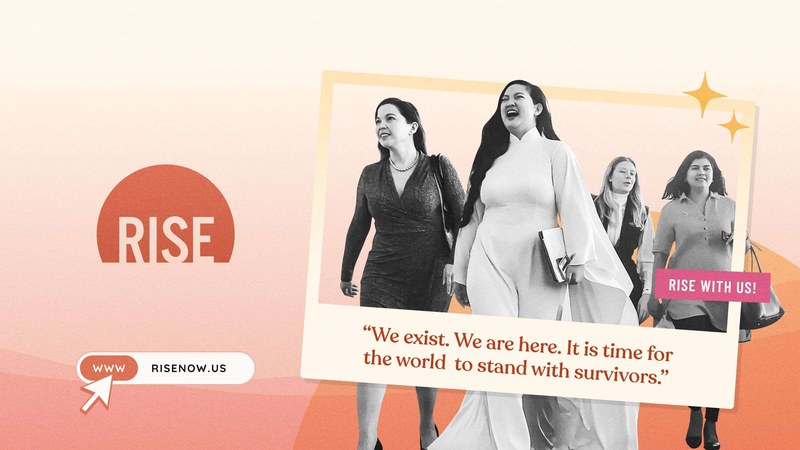
Rise
Rise is a civil rights nonprofit that teaches ordinary people how to write and pass their own laws. Founded in 2014 by Amanda Nguyen after her own experience with a broken rape-kit system, Rise wrote and passed the federal Sexual Assault Survivors' Rights Act unanimously through Congress, then scaled the model into state laws, a landmark UN resolution, and Rise Justice Labs - an accelerator that trains survivors and allies to turn personal pain into passed legislation.
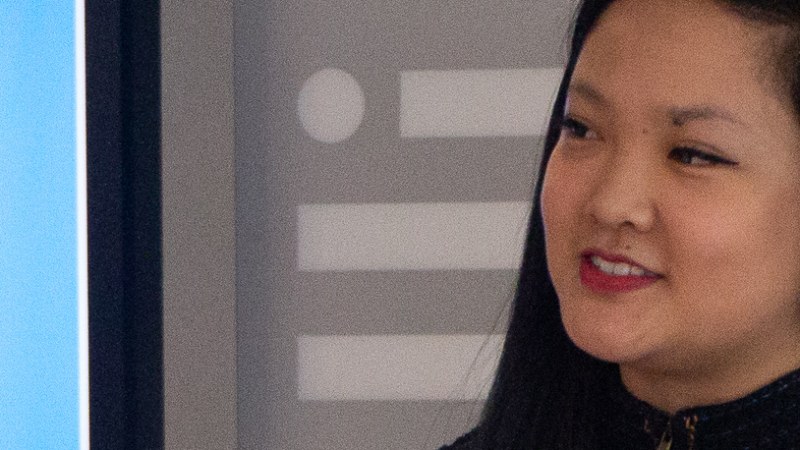
Amanda Nguyen
Amanda Nguyen is a Vietnamese-American civil rights activist, author, and commercial astronaut who founded the nonprofit Rise after surviving sexual assault as a Harvard senior. She drafted the Sexual Assault Survivors' Rights Act, which passed Congress unanimously in 2016, and has helped pass dozens of laws protecting survivors. Nominated for the 2019 Nobel Peace Prize and named a 2022 Time Woman of the Year, she became the first Vietnamese and Southeast Asian woman in space aboard Blue Origin's NS-31 flight on April 14, 2025, fulfilling an astronaut dream she set aside for a decade to fight for survivors.
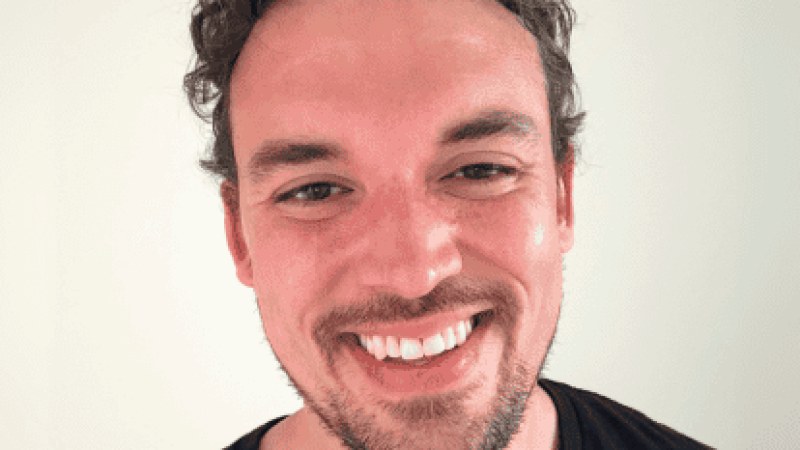
Jesse Hassinger
Jesse Hassinger is the CEO of Hustle, a San Francisco-based peer-to-peer text messaging platform used by nonprofits, political campaigns, labor unions, and universities to mobilize people at scale. With over eight years at Hustle progressing from Director of Support to Director of Product before taking the helm as CEO in early 2025, Hassinger brings a rare blend of grassroots political organizing experience and deep product intuition to leading one of the most widely adopted civic tech platforms in the country — one that has facilitated over one billion text conversations.