The invitation was supposed to bring people into a room. In May 2020, the first Hollywood Climate Summit would gather at a major entertainment agency. Then COVID arrived. The room disappeared. The organizers moved online, and a gathering rooted in Los Angeles began building an audience that could join from somewhere else.
That change is a useful place to start with Context Collaborative, the nonprofit now housing the summit. An event can be constrained by its venue, its guest list, even its name. The organization’s work keeps testing those boundaries. Who belongs in a climate conversation? A scientist, certainly. But also a comedy writer, a game developer, or someone who knows how to get a television project through a meeting.
Context’s wager is that those people have useful things to do together. The interesting part is how deliberately it arranges the encounter.
A new name for work that escaped the calendar
Context Collaborative was introduced in 2026 by Allison Begalman and Heather Fipps, bringing together the missions of Begalman’s social impact agency, YEA! Impact, and Hollywood Climate Summit. The conference had already been running since 2020. The new organization gives the work a home beyond the annual gathering.
Begalman came to this through entertainment and organizing. She studied screenwriting and worked toward a television career, while building communities for young professionals. In a 2023 interview with Walking Softer, she described realizing that the activity outside her job - bringing people together around industry inequities and public issues - was the work that most excited her.
The early commercial experience was less glamorous. Begalman recalled spending roughly a year trying to secure a longer-term impact campaign, taking hundreds of meetings and encountering older professionals who dismissed her youth. That account belongs to the predecessor agency, but it supplies some texture to Context’s origins: knowing how to convene people did not make winning their business automatic.

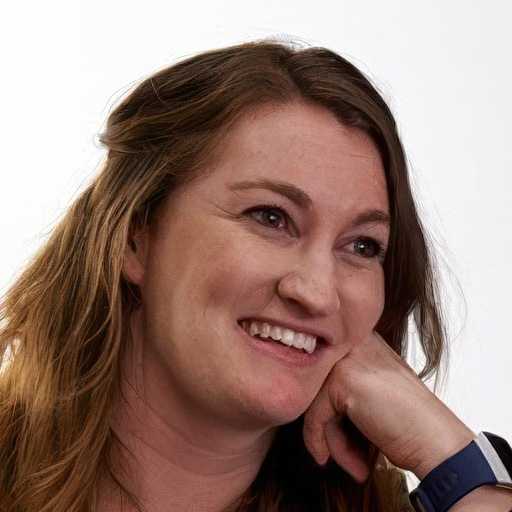
Fipps, Context’s executive director, brings filmmaking, education, and environmental grantmaking experience. At The Redford Center, her work included support for environmental films and their impact campaigns. The pairing gives Context practical experience on both sides of the introduction: making media and helping environmental work reach people.
The pandemic supplied an early design lesson. In their 2025 Impact Podcast conversation, the founders described keeping a livestream as the summit expanded in person. The response to that first digital gathering had made international participation worth preserving. A temporary adjustment became part of the event’s architecture.
The forest visit comes with homework
Context calls one family of programs “Colliders.” The name sounds more dramatic than a focus group, but the format is often reassuringly specific. Its Meta listening session brought climate content creators together with the company’s product and sustainability teams to discuss their experiences and how educational climate content might receive better support.
Another collaboration, with Doris Duke Foundation, took creators to the ninth American Forest Congress in 2025. It began with a 90-minute session at Hollywood Climate Summit that prepared 15 creators. Ten then attended the forest gathering, where they could meet leaders, join discussions, and use a media studio for interviews.
Program design reported by Context Collaborative. These counts describe participation, not audience impact.
The detail to copy is the preparation. Inviting a creator into an unfamiliar technical setting is only the beginning. Give that person context before arrival, people to speak with, and somewhere to record. The program reduces several practical obstacles that would otherwise sit between an interesting visit and something an audience might eventually see.
There is also a clear condition for this approach: the participant needs room to exercise a craft. A researcher seeking verbatim repetition of approved talking points may find a creative workshop frustrating. Context explicitly sets its approach against handing creators a document and expecting them to make something with it.
Count the meetings that lead somewhere
The organization’s services extend from these exchanges into campaign planning, grassroots marketing, event production, partnership development, workshops, and strategic advising. Environmental nonprofits and researchers can seek help reaching creative communities. Media organizations can seek expertise and collaborators. Creators can find learning opportunities and routes toward industry decision makers.
Writing Climate: Pitchfest makes that last promise concrete. It gives writers coaching and curated meetings with executives, producers, agents, and managers. The program’s case study reports 28 climate scripts pitched, three development deals within 12 months, and eight writers gaining representation or opportunities on other projects.
within 12 months
Those are useful numbers because they describe identifiable steps in a professional process. They are still organizer-reported outcomes. A development deal is one stage on a long road to production, distribution, and an audience. The figures should not be converted into a claim about finished films or changed public behavior.
The portfolio also makes room for games. At the 2024 summit, finalists from Just Play: A Game Jam for Climate Futures showed their prototypes. Cinereach produced the competition with Anima Interactive, powered by Dreamspace; the summit supplied the showcase. Its winner was called Maybe We Saved The World, a title with a sensible amount of uncertainty built in.
A game show is a delivery decision
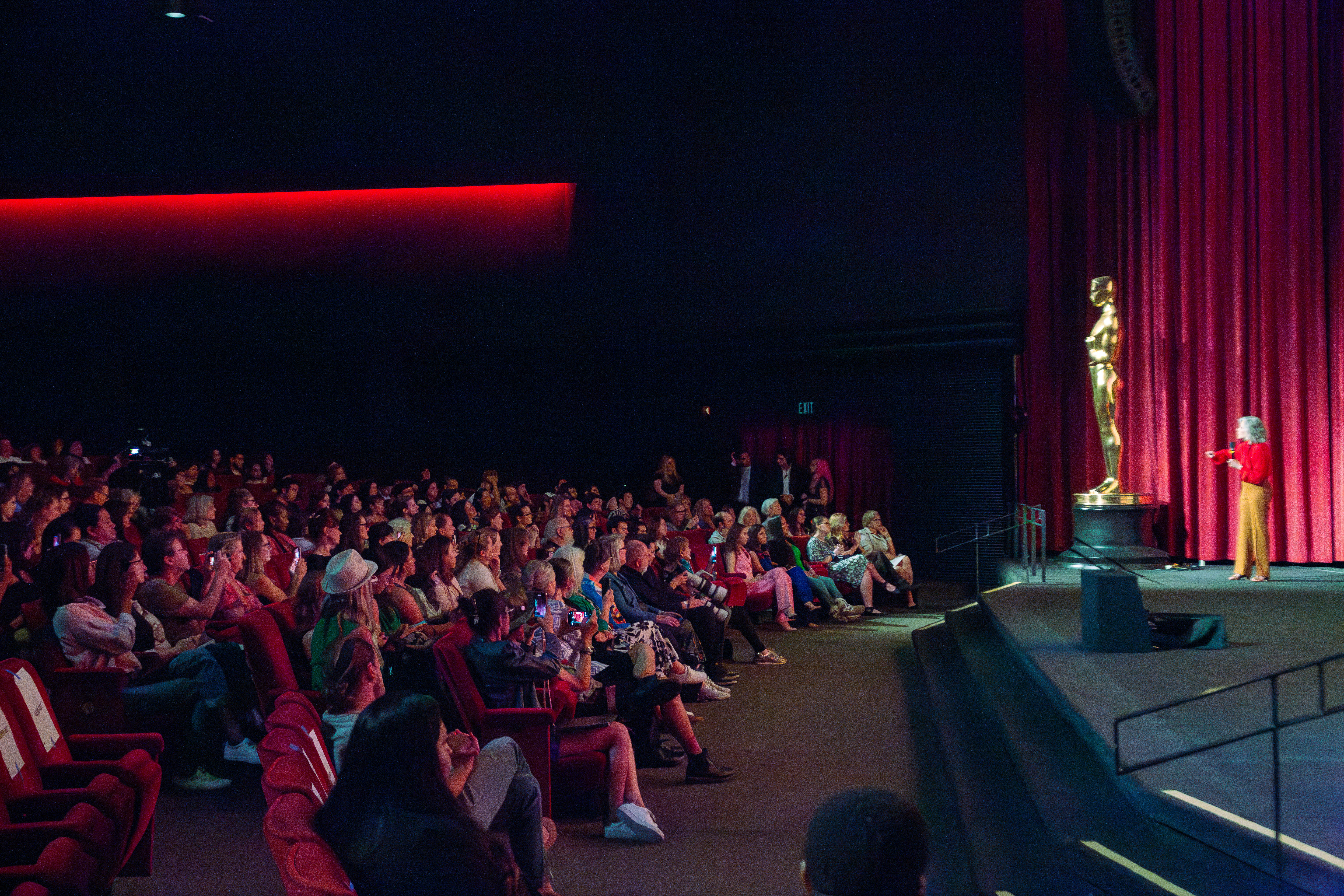
At Sundance Earth Lounge in 2026, Dropout performers Lily Du and Grant O’Brien hosted a game show about clean-energy misinformation with expert Malik Reid from Come Clean. The same day included a conversation about the Great Salt Lake and an installation with local action partners. Climate issues were tied to both the entertainment gathering and its surroundings.
This is where Context sits in the market: between specialist climate knowledge, media craft, and professional access. Good Energy, Rare Entertainment Lab, and NRDC’s Rewrite the Future occupy adjacent territory, and Context also works with organizations in that group. A buyer may encounter them as potential collaborators within the same project.
Context’s distinctive emphasis is the designed encounter: a workshop, a screening, a field visit, a showcase. The format matters because it gives each participant a reason to contribute. A comedy performer has something to perform. An expert has something to explain. A writer has someone to pitch.
“Building relationships as strategic infrastructure.”
Context Collaborative’s description of how it works
There is a price on the invitation
The published 2026 summit ticket tiers put full-conference attendance at $150 for early-to-mid-career professionals and $350 for late-career attendees. Virtual access is free or donation-based, and scholarship passes are offered. The event describes ticket purchases as helping fund scholarships.
These access choices sit alongside sponsorship and partnership opportunities. Context invites organizations to help shape programming, develop campaigns, and commission customized experiences. Its operating model combines nonprofit support and event income with project-based collaboration. The summit identifies Social Environmental Entrepreneurs as its fiscal sponsor.
For someone considering participation, the practical question is the desired next step. A writer may want coaching and introductions. A nonprofit may need a campaign designed around a particular audience. A sponsor may want a relevant gathering at a cultural moment. Each is a more useful brief than simply wanting greater awareness.
The next gathering widens the guest list
Jackson Wild and Hollywood Climate Summit have scheduled Nature Media Exchange for November 9-10, 2026, in Los Angeles. The program brings nature and climate storytelling together across film, television, games, and emerging media, with a joint awards gala.
The expansion fits Context’s central idea: people who reach audiences through different forms can learn something from sharing a room. Its most portable lesson is small enough to use without a Hollywood venue. Choose a real problem. Invite people with different relevant skills. Prepare them. Give them a task, access, and a next step. The invitation earns its keep when the conversation becomes work.
Enter the conversation
Explore Context Collaborative, browse its creator programs, or propose a collaboration.