google-cloud
(15)
Wayfair’s AI Future Starts With Its Old Code
Thousands of applications stand behind Wayfair’s push for better shopping experiences. Matt Ferrari explains why Pythian’s ability to understand the business—and code alongside his team—mattered to the choice of partner.
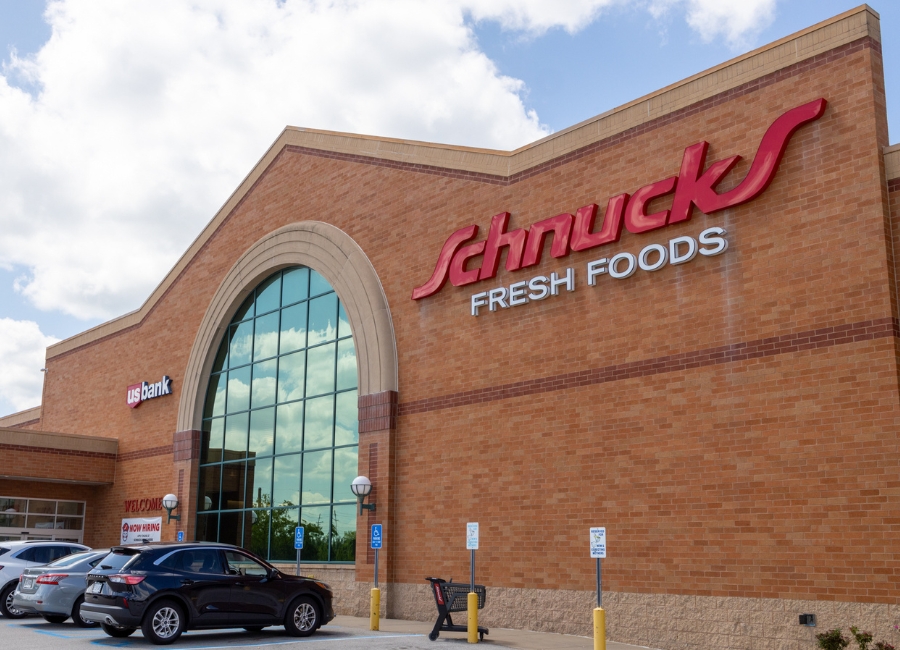
How Schnucks Put AI to Work Beyond the Cart
At Schnucks, the smartest AI is not a spectacle. It is a practical system that reads the paperwork, checks the apples and gives store teams more time for customers.

AllSaints Cut Cloud Costs 75% Without Going Dark
AllSaints rebuilt its digital backbone on Google Cloud, trading idle servers for elastic infrastructure. The result: lower costs, faster pages and a migration customers never saw.
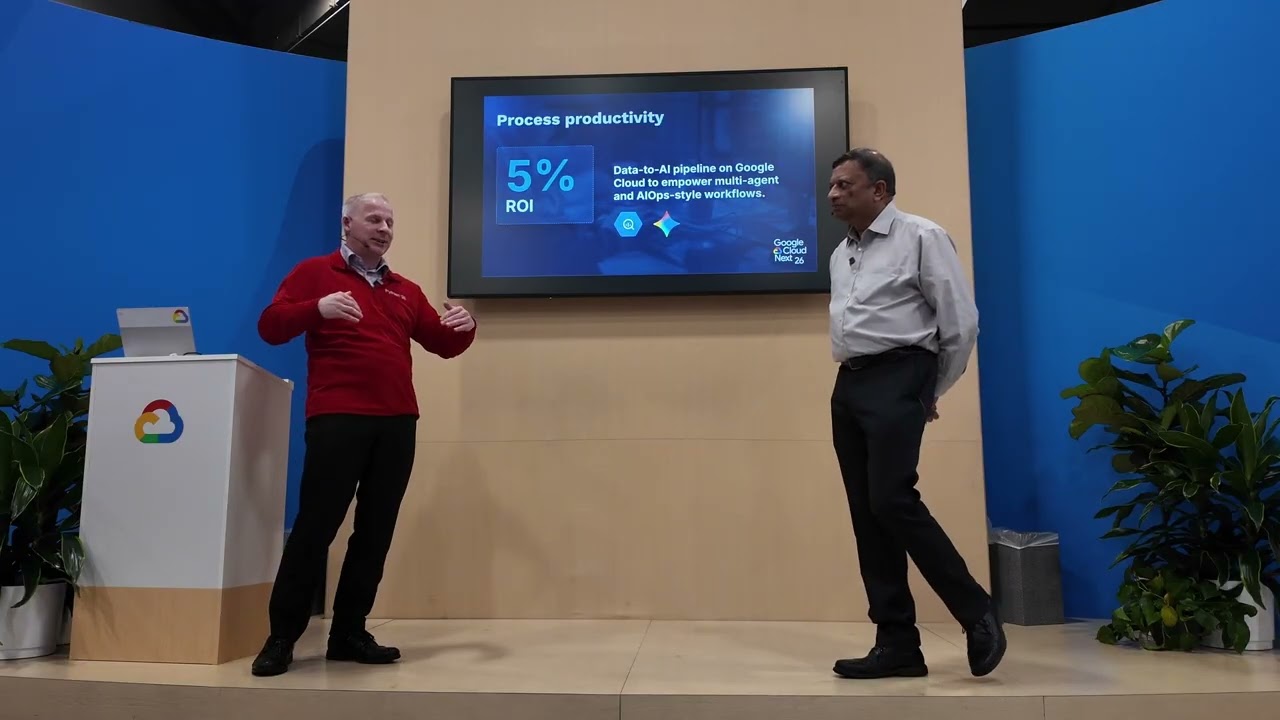
Sanmina’s AI Factory Starts With 350 Hours a Week
Sanmina is threading AI through office work, factory systems and the racks that power the cloud. Its CIO’s advice is refreshingly unflashy: educate leaders, secure the foundation and start small.

AI Agents Are Quietly Taking Over the Contact Center
Observe.AI, Google, Five9 and Forethought are racing to hand your next support call to software. The prize is a customer-service market worth tens of billions - and the human seat on the other end of the line.

UJET Bet Its Whole Company on Being Google's Contact Center
The San Francisco startup rebuilt itself around Google Cloud's AI, handed its founder the chairman's chair, and is now selling the search giant's contact center to the small businesses everyone else ignores.

UJET and GoTo Are Racing to Own Your Next Support Call
One is a San Francisco AI-native wired straight into Google's agents. The other is a Boston software giant with millions of business customers and a contact center to sell them. They are both chasing the same ringing phone.

UJET and Broadvoice Bet the Call Center on Agentic AI
Two contact center vendors are chasing the same idea from opposite ends - software that talks back, thinks, and acts. Here is what UJET and Broadvoice are actually shipping in 2026, and who it helps.

UJET vs Five9 and the Fight for the AI Contact Center
One is a billion-dollar public incumbent, the other a Google-backed challenger a fraction of its size. Both are betting the future of customer service is an AI agent, not a person in a headset.

Alvaria and UJET Wire AI Calling to a 50-Year-Old Dialer
Two contact-center companies - one built on decades of compliant outbound dialing, the other on AI-first cloud - are stitching their stacks together. The bet is simple: enterprises want the smart part without the legal risk.

UJET Is Quietly Coming for the Call Center Giants
The San Francisco startup put a Cisco veteran in the CEO chair, raised $76 million, and decided the best contact center is the one you never have to sit in.

The Google CX Product Maze, Finally Mapped
A plain-language map of Google's confusingly named customer-experience AI portfolio. It untangles CCAI, Agent Assist, CX Agent Studio and Gemini Enterprise for CX, explaining what each one actually is and what a buyer gets. It also clarifies UJET's unusual position: Google Cloud sells Google Cloud CCaaS powered by UJET as a first-party offering, which is a different relationship than being one of many logos in a marketplace.

Three Words, Three Meanings: The Quiet Fiction of 'Built on Google Cloud'
"Built on Google Cloud" gets stamped on countless vendor slides, but the phrase hides at least three very different relationships: renting infrastructure as an ordinary GCP tenant, holding a Google Cloud Marketplace listing, or being co-built and resold by Google as its own first-party product. Buyers can't tell them apart from a logo. This piece unpacks the distinction and shows where UJET actually sits: Google sells Google Cloud CCAI Platform, powered by UJET, as its own contact center offering, managed, delivered and supported by Google, a level of commitment that a marketplace listing or shared hosting does not confer.
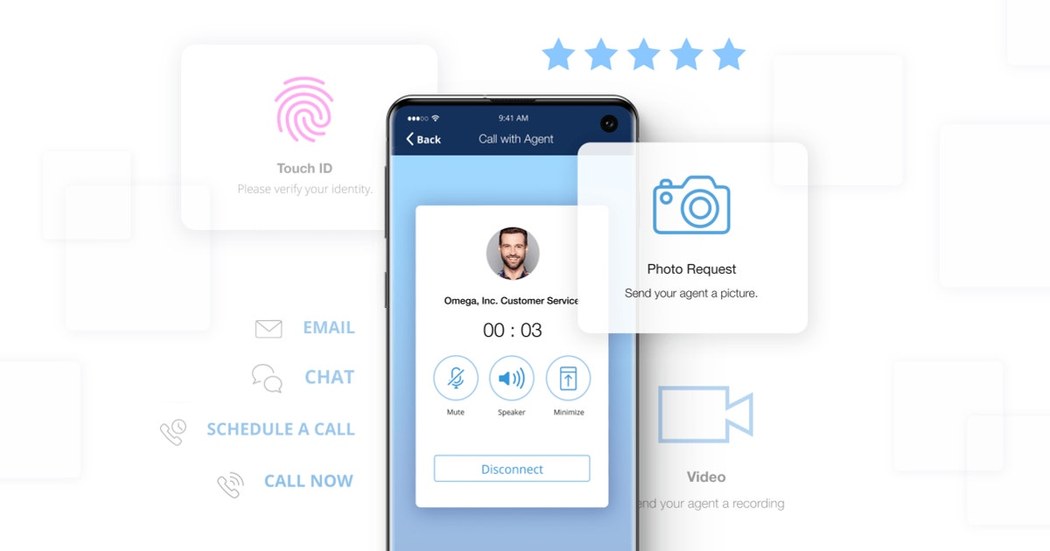
The Field Guide Every CCaaS Buyer Wishes Existed
A ranked 2026 field guide to the leading AI-first contact center (CCaaS) platforms, scored across five dimensions that actually matter to buyers: AI architecture, mobile capability, CRM and data security, deployment speed, and pricing transparency. The cohort covers UJET, Five9, NICE CXone, Genesys, Talkdesk, Amazon Connect and 8x8 — with an honest look at which platforms were engineered for AI from the ground up versus those retrofitting it onto legacy stacks.

ServiceNow Knowledge 2026: The Blueprint for Agentic Business
At ServiceNow's Knowledge 2026 conference, product chief Amit Zavery and a roster of executives, partners, and customers lay out the company's blueprint for the 'agentic business' — an enterprise architecture in which AI agents sense data, decide with business context, act through workflows, and secure every identity, all on a single governed platform. The keynote spans live demos with CVS Health (building a pet-insurance app via 'vibe coding,' an autonomous HR role-transfer, and a coordinated 'autonomous workforce' resolving software-license spikes), a partnership expansion with Google Cloud, and a security push built on the Armis and Veza acquisitions, all anchored by ServiceNow's Context Engine and AI Control Tower.