fusion-energy
(8)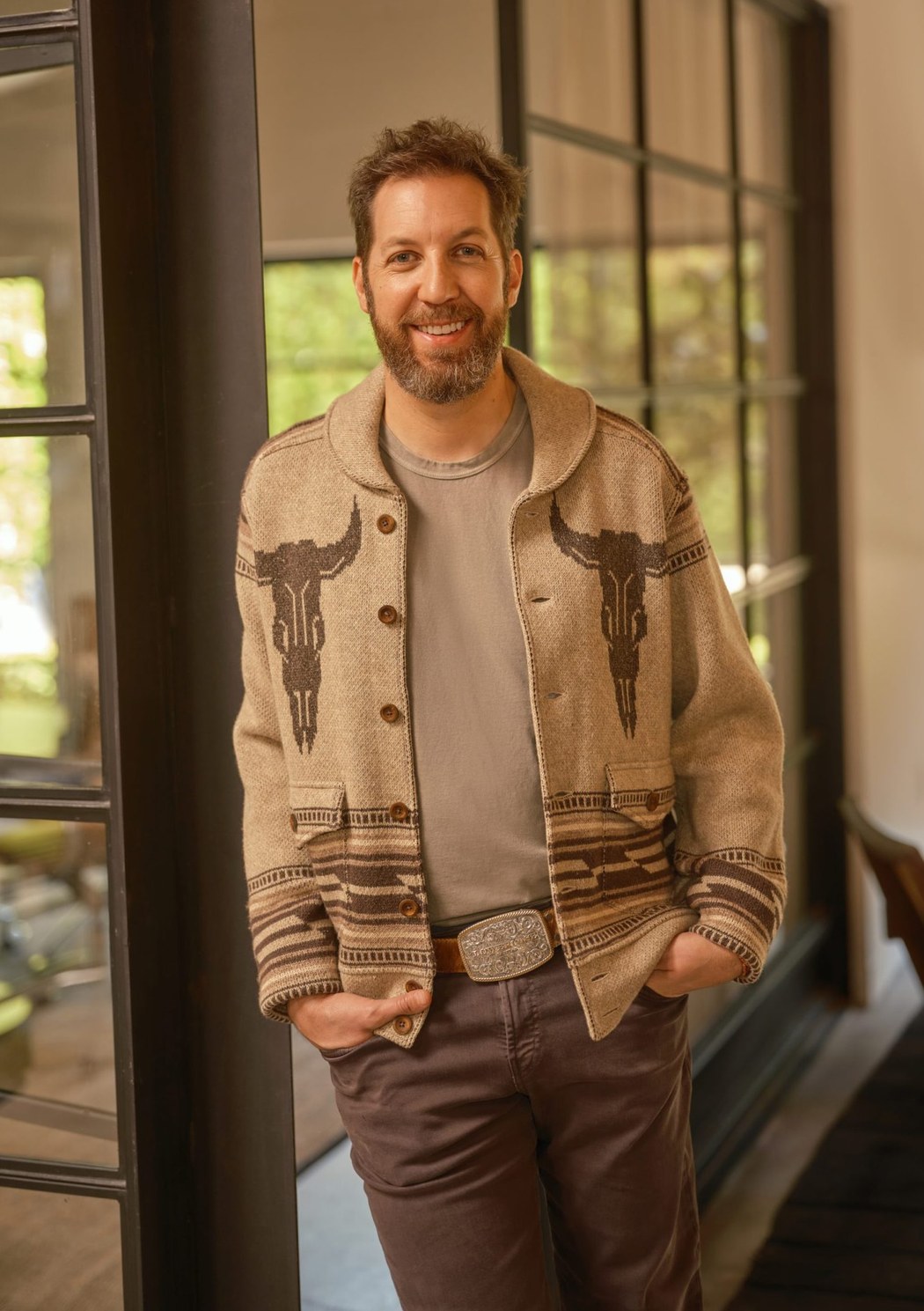
Chris Sacca Bet on the Internet. Then He Asked What Was Worth Betting on Next.
After early bets on Twitter, Uber and Instagram, the investor walked away from the game he had mastered. His second act asks whether the same appetite for improbable ideas can change the economics of energy.
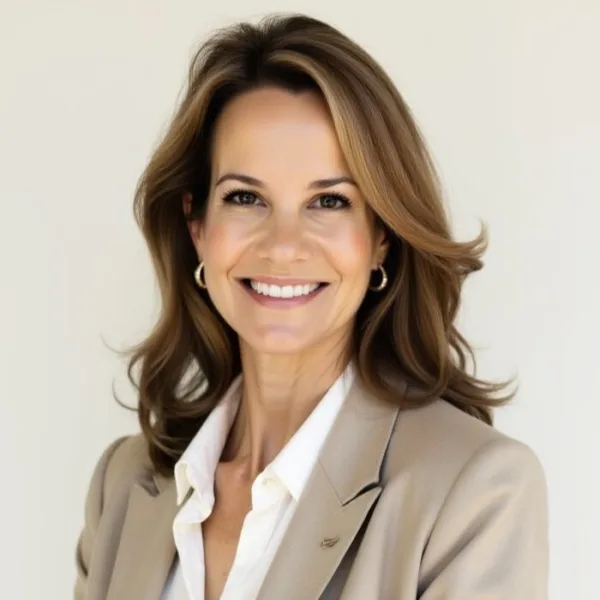
Zabrina Johal Has Spent a Career Inside the Atom. Now She Has to Bring It Outside.
From a Montana childhood to an aircraft-carrier reactor room, Johal learned that power is never an abstraction. At Zap Energy, her task is to turn that lesson into an unusual business: fission for the near term, fusion for what comes next.
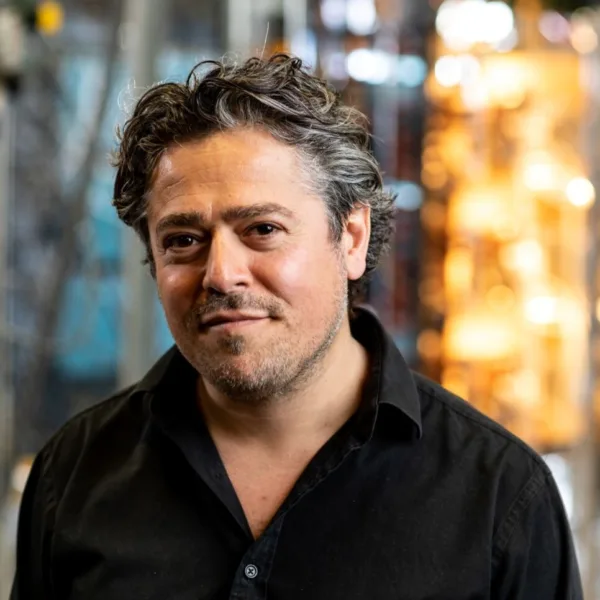
Benj Conway Bet on a Smaller Sun
The former diplomat behind Zap Energy has spent his career entering places other people avoid. His fusion wager follows the same rule: simplify the machine, shorten the experiment, and make the economics matter from day one.
Brian Berzin Is Turning Fusion's Twisty Donut Into a Software Problem
Thea Energy's CEO has an engineer's eye, an investor's discipline, and a decidedly practical question for fusion: what if the difficult part could move from sculpted metal into software?
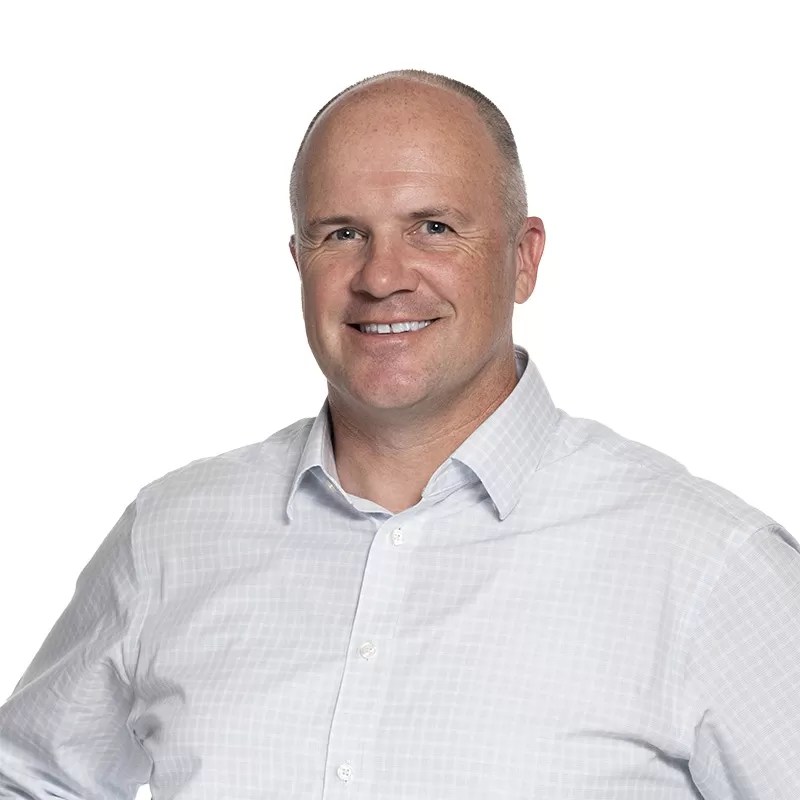
Kieran Furlong Is Building a Star in an Old Hot-Dog Factory
The Irish chemical engineer spent a career turning laboratory ideas into businesses. Now he is betting that a straight magnetic bottle, Wisconsin manufacturing, and patient capital can make fusion useful.
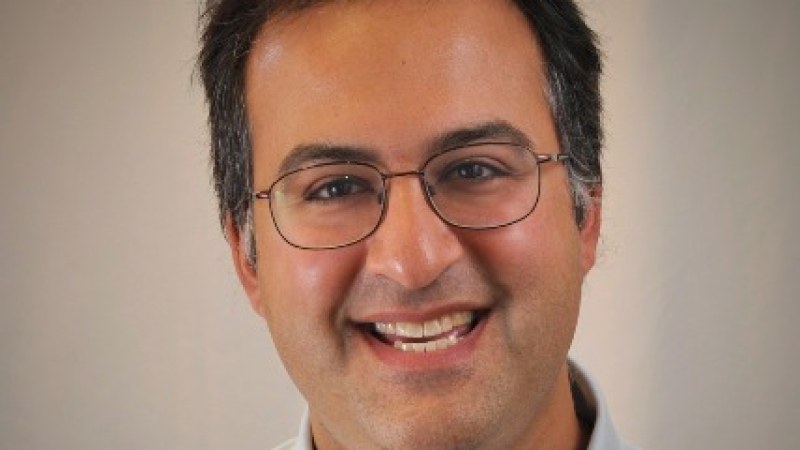
Ara Knaian
Ara Knaian is an MIT-trained electrical engineer and inventor on more than 36 U.S. patents who now runs Acceleron Fusion, a Cambridge company chasing energy from muon-catalyzed fusion - a route that runs closer to 1,000 degrees C instead of the 100-million-degree plasmas everyone else fights. Before fusion he co-founded the product-design firm NK Labs, architected Google's modular Project Ara phone, tuned the drive waveforms behind Amazon's Kindle, and built the Milli-Motein, a self-folding robot chain at MIT's Center for Bits and Atoms. Acceleron raised a $24M Series A led by Lowercarbon Capital and Collaborative Fund and logged over 100 hours of continuous fusion at the Paul Scherrer Institute in Switzerland.
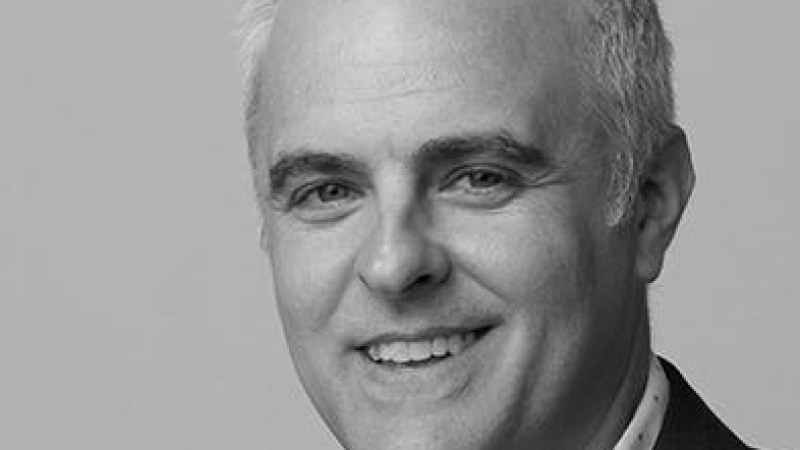
James Dorris
James Dorris is the co-founder and CEO of Odys Aviation, a Long Beach company building long-range, hybrid-electric VTOL aircraft that take off and land like a helicopter but cruise like an airplane. A former fusion physicist who started at MIT's Plasma Science and Fusion Center, he helped build the propulsion and levitation tech at Virgin Hyperloop One before turning to flight. At Odys he is chasing aircraft that can lift off from a helipad, fly up to 1,000 miles on a hybrid system, and cut regional travel emissions sharply while serving defense, logistics, and passenger markets.
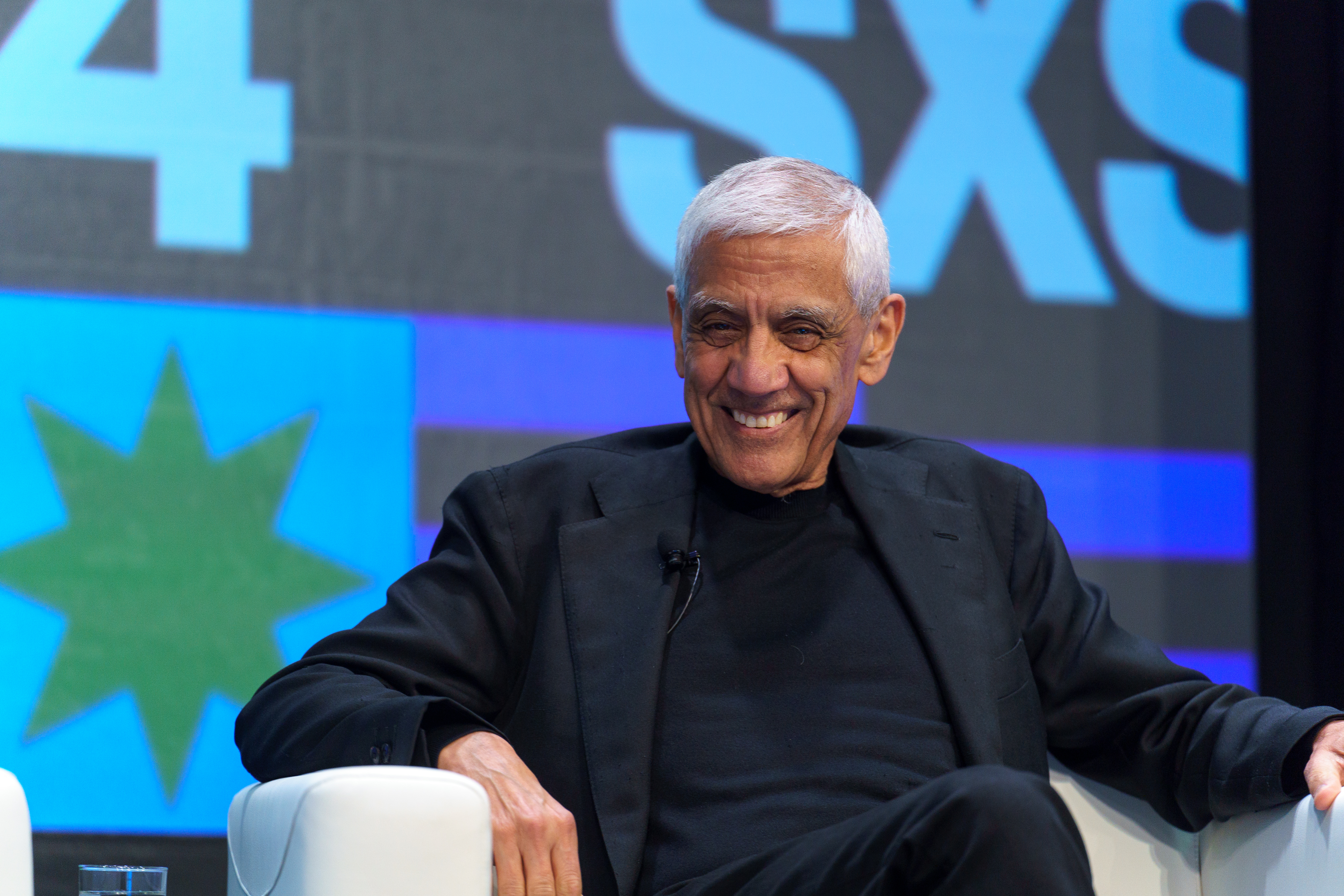
Vinod Khosla
Vinod Khosla (born January 28, 1955, in Pune, India) is one of Silicon Valley's most influential entrepreneurs and venture capitalists - a self-made billionaire who co-founded Sun Microsystems in 1982, then went on to back transformative companies including OpenAI, DoorDash, Instacart, Stripe, Affirm, and Impossible Foods through his firm Khosla Ventures, which manages approximately $15 billion in capital. Known for his contrarian, 'black swan' investment philosophy, uncompromising directness, and audacious predictions - including that AI will replace 80% of all jobs by 2030 and make core services like healthcare and education free by 2040 - Khosla frames his life's work not as wealth creation but as deploying technology to solve civilization-scale problems. A Giving Pledge signatory with a net worth of $13.4 billion (Forbes, January 2026), he is also a philanthropist whose wife Neeru's CK-12 Foundation has reached over 130 million learners globally, and who prefers the title 'venture assistant' to 'venture capitalist.'