fresh-food
(10)
Luke Saunders Put the Salad Where the Candy Bar Used to Be
A salesman tired of road food built a refrigerator in his apartment, planted it in a forlorn Chicago food court, and stayed to explain every salad. The machine was simple. The system behind it became the work of a decade.

Mark Lodge and the Cold Art of Keeping Fresh Food Moving
For three decades, the British-born operator has worked behind the grocery shelf, turning perishable food into a repeatable system. At Gotham Greens, his old obsession with time, temperature and movement has found a greenhouse-sized stage.

FreshDirect Bet the Grocery Aisle Could Be Rebuilt as a Supply Chain
Long before grocery apps became ordinary, FreshDirect built a Bronx food machine that could taste a peach, portion a salmon and route both to a New York doorstep. Its next act is testing how far that tightly controlled system can open up without losing the quality that made it matter.

The Software Trying to Run the Whole Grocery Store Before the Lettuce Wilts
Grocers lose money in the gap between a forecast and the person standing in aisle seven. Upshop is building the operating layer that turns scattered data into the next useful action - before an empty shelf, missed order or expiring sandwich becomes a write-off.

The Grocery Chain That Built a Moat Out of Being Local
Stater Bros. cannot outscale Walmart or Kroger. Its answer is a dense Southern California network, staffed counters, local memory and the stubborn belief that a grocery store can still feel like part of the neighborhood.
The Red Bag at 100: How Sendik's Made a Moat Out of Knowing Milwaukee
A horse-drawn produce route became a 17-store regional grocer by treating fresh food, helpful people and neighborhood memory as infrastructure. In its centennial year, Sendik's is betting that a red bag can still carry more meaning than a national loyalty card.
How Maverik Turned the Gas Station Into an Adventure Brand
A Wyoming two-pump station became an 818-store retail system by treating every fuel stop like the trailhead to somewhere better. Its real product is not gasoline alone - it is momentum.
Vallarta Supermarkets
A family butcher shop became a regional grocery chain by treating tortillas, carne asada and pan dulce as infrastructure - not ethnic-aisle decoration. Forty years later, Vallarta is carrying that fresh-food system beyond California.

Afresh
Afresh began with a stubborn observation: a strawberry cannot be managed like a cereal box. Its grocery-native AI now helps retailers order, produce and buy across the whole store - turning perishability, imperfect counts and daily uncertainty into decisions people can actually use.
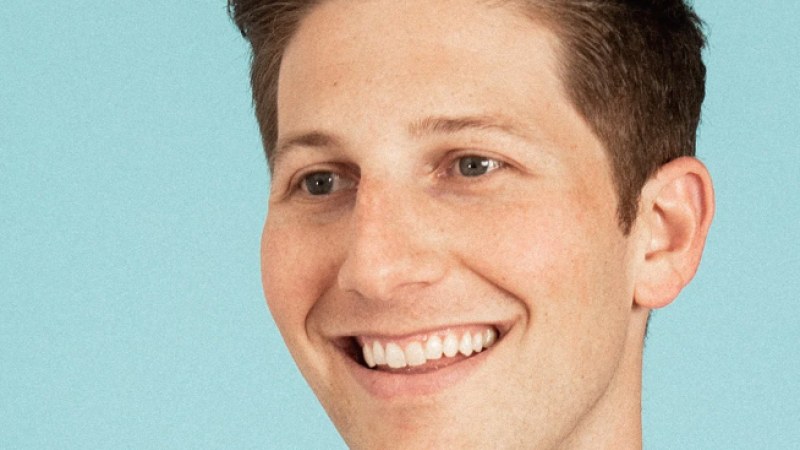
Matt Schwartz
Matt Schwartz is the CEO and co-founder of Afresh, a San Francisco-based AI company building the operating system for fresh food in grocery retail. A Stanford MBA alumnus with a lifelong obsession with food systems, he co-founded Afresh in 2017 after discovering that billion-dollar grocery chains were still managing produce orders with paper and pen. Under his leadership, Afresh has raised $181.8M in total funding, deployed across 12,500+ departments in 40 states, and prevented more than 200 million pounds of food waste - serving major chains including Albertsons, Meijer, and Wakefern.