food-technology
(14)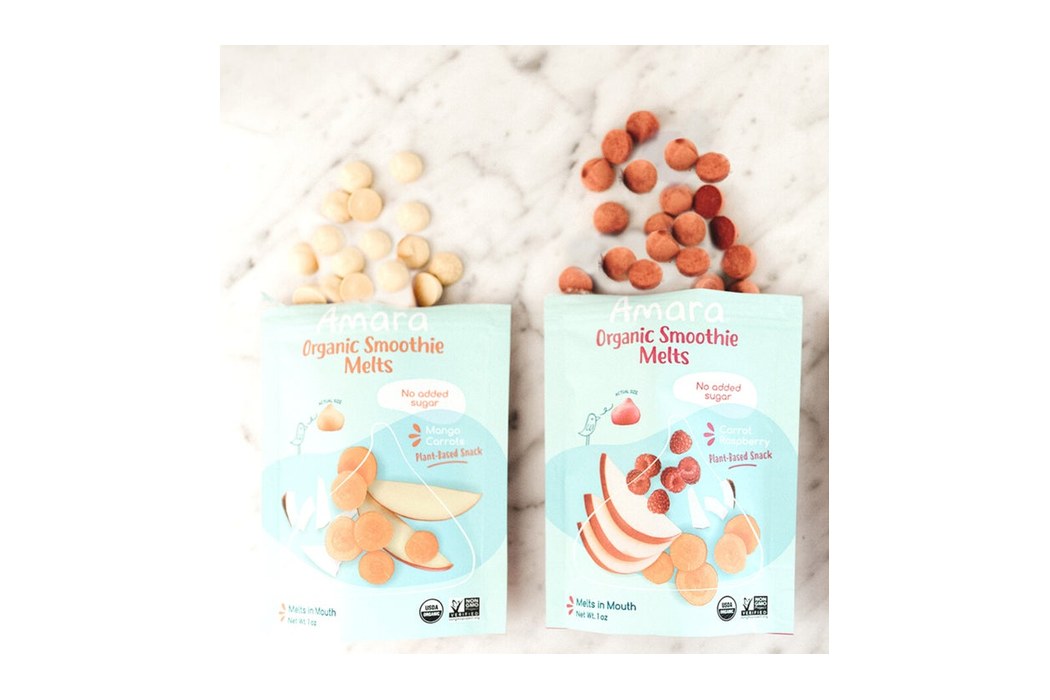
The Baby Food That Took the Water Out - and Put the Choice Back In
Amara spent three years perfecting a gentler way to preserve baby food. Then it learned the harder lesson: parents do not buy a process - they buy a simpler Tuesday.
The Egg Escaped the Chicken
EVERY spent a decade teaching yeast to do the useful work of an egg. The breakthrough was not a better omelet - it was realizing that food companies would rather buy dependable function than a futuristic breakfast.
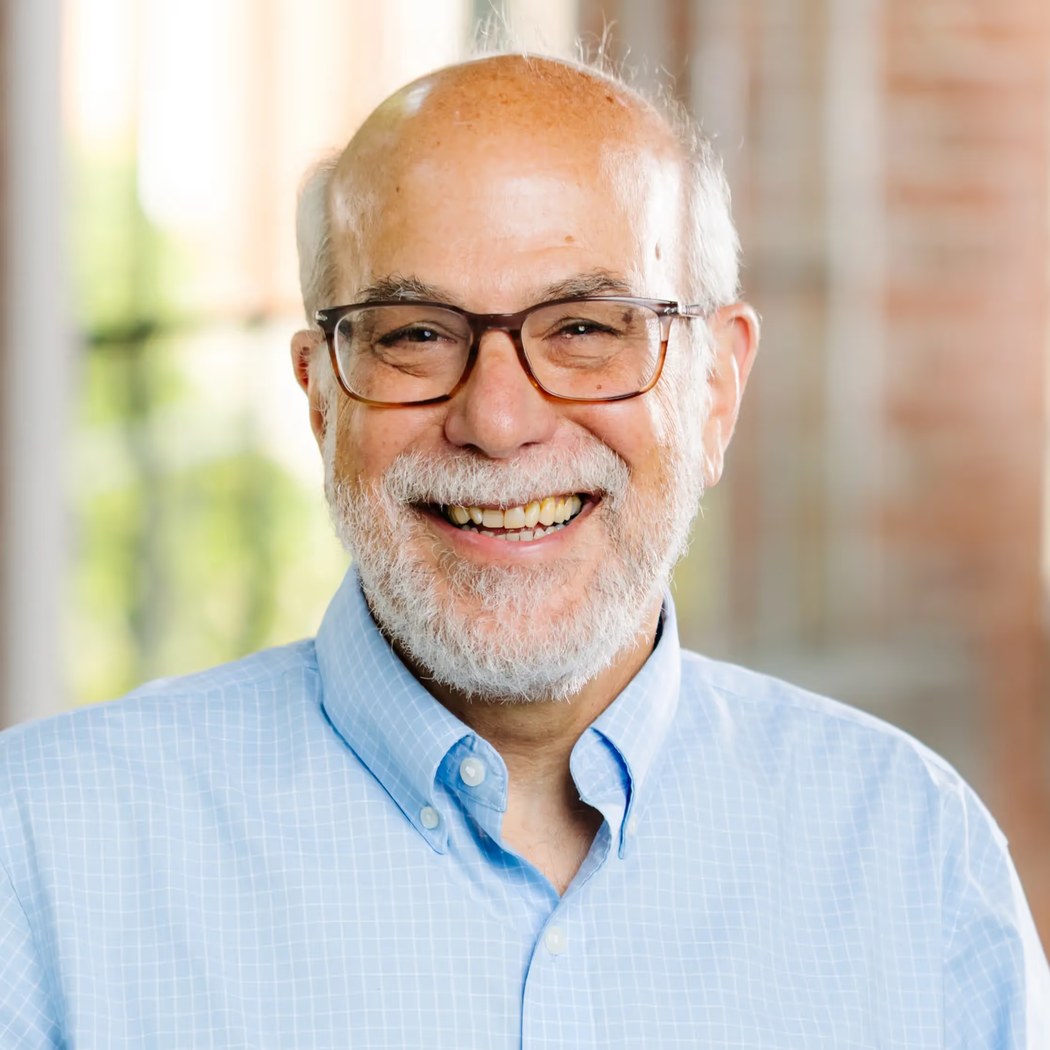
Tom Adams and the Blackberry That Refused to Behave
The Pairwise CEO spent decades learning how slowly crops change. Now he is betting that the quickest route to public trust runs through a smoother blackberry, a shorter cherry tree, and benefits people can taste.

Mike Zelkind Tried to Take the Weather Out of Farming
He built a farm like a factory, betting that software, sensors and stubborn operational discipline could shorten the distance between a seed and a salad. The experiment scaled across America - and ended by exposing the brutal economics beneath agriculture's most controlled environment.
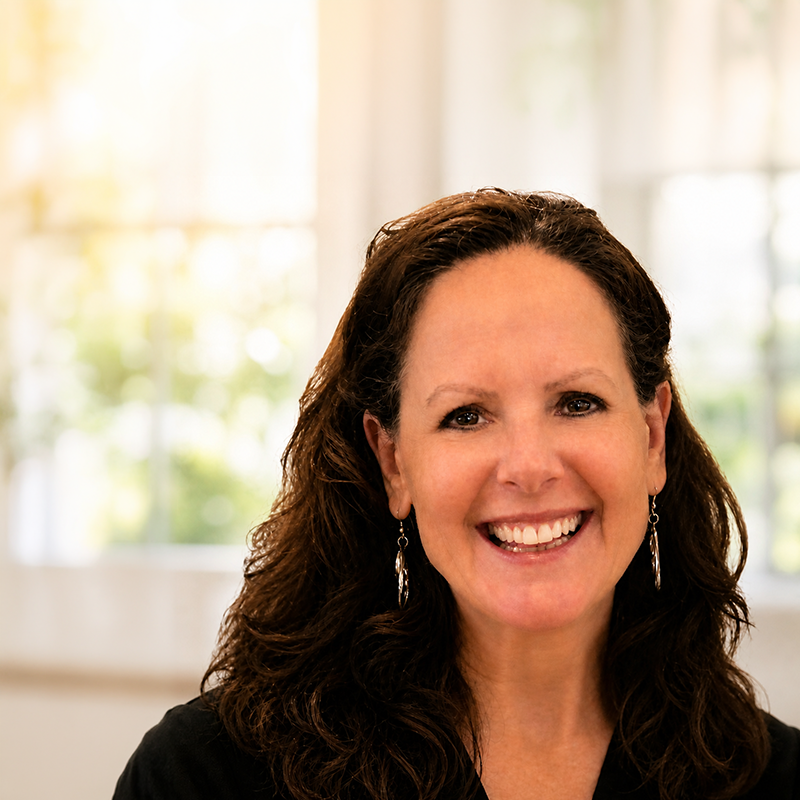
The Ledger Behind the Label: Laurie Klausner Brings Metrics to the Food Chain
After two decades marketing software that lives behind the scenes, Laurie Klausner has arrived at Trustwell with a visible brief: turn traceability, compliance and recall readiness into a story the food business can act on.
Remo Carbone Is Turning a Butcher’s Eye Into Data
The MEQ Solutions co-founder spent years teaching cameras and probes to read red meat. Now his company is trying to make objective measurement the common language of a global supply chain.

Mike Neal Keeps Asking the Price of Tomorrow
After three analytics companies and decades spent modeling volatile markets, the DecisionNext co-founder still insists the useful forecast is the one that changes a decision.

Giovanni Battistini Is Betting the Next Wearable Breakthrough Starts With an Enzyme
After three decades moving between corporations, startups, and laboratories, the PhenoTap founder has narrowed his work to one stubborn bottleneck: the enzyme inside the sensor.

WhyQ
WhyQ is a Singapore-based B2B corporate dining platform that consolidates meals from a network of 2,000-plus hawkers and restaurants into single, coordinated deliveries for offices. Founded in 2016 by ex-bankers Varun Saraf and Rishabh Singhvi as a low-cost hawker delivery service for CBD workers, the company pivoted through the pandemic to focus on enterprise meal programmes - daily office lunches, buffet and event catering, and pantry supplies - for teams of 50 to 1,000 employees per drop. After nearly a decade of iteration, WhyQ reached baseline profitability in Singapore in 2025 and is rolling out WhyQ Intelligence, an AI layer linking meal programmes to employee wellness and engagement data.
Thomas Bowman
Thomas Bowman is a James Beard-nominated chef turned food scientist and the co-founder of Eclipse Foods, an Alameda, California company building molecule-for-molecule plant-based replacements for dairy. After cooking and staging at restaurants that together held 16 Michelin stars and leading product development at JUST (formerly Hampton Creek), Bowman set out to recreate the taste and texture of dairy from non-GMO plants like oats, corn, and potatoes. Eclipse launched in 2019 out of Y Combinator, chose ice cream as its flagship, and has raised roughly $96 million to date, reaching retailers, foodservice, and direct-to-consumer channels.

Eclipse Foods
Eclipse Foods is an Alameda, California food-technology company making plant-based dairy products - ice cream and, since 2025, a non-dairy whole milk - engineered to be molecule-for-molecule indistinguishable from conventional dairy. Founded in 2019 by chef Thomas Bowman and food-systems entrepreneur Aylon Steinhart, Eclipse uses a proprietary blend of non-GMO plants like cassava, corn, potato and fava rather than nuts, soy, coconut or oats to recreate dairy's taste, texture and functionality. It sells through retail (Amazon, Whole Foods and regional grocers) and to foodservice partners including scoop shops, diners and burger chains.

Marty Kolewe
Marty Kolewe is a chemical engineer turned food-tech founder and the CEO of Foodberry, a Boston company that reverse-engineers fruit skin to make edible, plant-based coatings that keep fresh food fresh without plastic. Trained at Johns Hopkins, UMass Amherst, and MIT's Langer Lab, he traded a career in drug delivery for one in snacks, betting that the science behind a peach's peel could reshape how the world packages and eats food. Under his leadership Foodberry has amassed 20-plus patents, closed a $15 million Series A, and lined up partners from a dairy-free ice-cream maker to the global owner of Babybel.

NuCicer
NuCicer is a Davis, California agtech and food-tech company breeding a new generation of high-protein chickpeas. Spun out of UC Davis and built on the largest pool of chickpea genetic diversity on earth, the company uses predictive (precision) breeding and genomics to develop chickpea varieties with up to 75% more protein than conventional beans - alongside better flavor, lower fat, and higher fiber. NuCicer sells whole beans, functional flours, protein powders, and bespoke trait packages to food brands seeking minimally processed, sustainable plant-protein ingredients that out-compete soy and pea isolates on taste and texture.
Bettani Farms
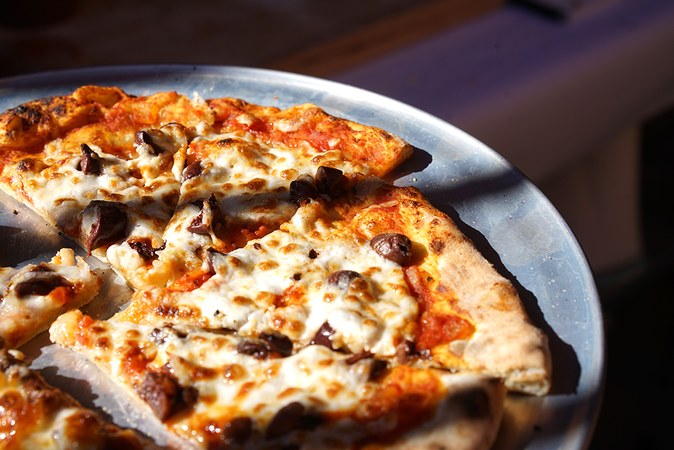
Bettani Farms is a Berkeley, California food company making protein-rich, dairy-free cheese that melts and stretches like the real thing. Its patented Caseed protein, derived from the seeds of regenerative crops, mimics dairy casein without the dairy, nuts, soy, or carbon footprint. Formerly Climax Foods, the company rebranded to Bettani Farms in October 2025, named former Califia Farms CFO Sandeep Patel as CEO, and closed an initial $6.5M of its Series A led by S2G Investments to scale mass-market cheeses like mozzarella and feta.