enterprise-fintech
(17)
The 54-Year-Old Machine Behind the Money Businesses Haven't Been Paid Yet
Lendscape has spent five decades turning invoices, ledgers and collateral into usable lending data. Its latest act is to make that old financial machinery cloud-native, connected and much less manual.

Envestnet Built the Operating System for Advice. Now It Has to Make the Whole Thing Feel Like One Product.
After 25 years of buying and building the plumbing behind financial advice, Envestnet reaches roughly a third of U.S. advisors. Its new challenge is less about adding another tool and more about making a sprawling suite behave like one coherent machine.
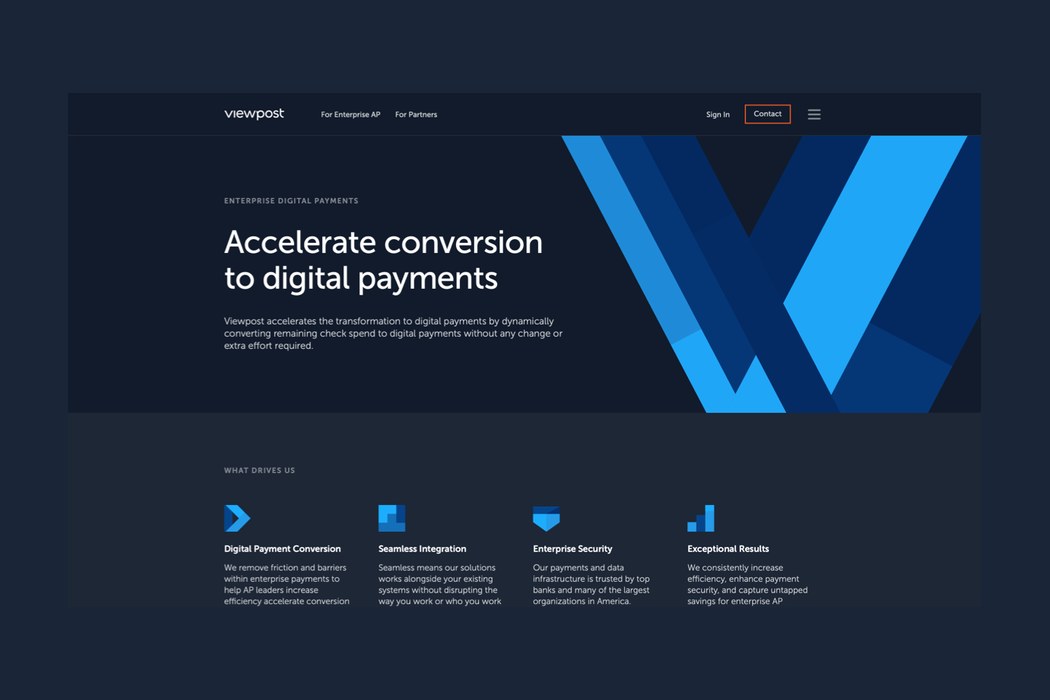
Viewpost Found a Business in the Checks Everyone Else Gave Up On
Most payment companies want to replace the plumbing. Viewpost built its second act around the opposite promise: send the same check file, keep the same partners, and let it hunt for digital payments in the stubborn remainder.

SOLVE Turned Bond Traders' Messy Inboxes Into a Market Data Machine
The bond market still speaks in fragments - runs, chats, spreadsheets and stale prints. SOLVE built a business by teaching machines to read that mess, then used more than $80 million and a string of acquisitions to turn the resulting data into pricing intelligence.
The $6 Trillion Plumbing Job: How BetaNXT Is Rewiring Wealth’s Back Office
Most investors will never see BetaNXT. Yet its systems touch roughly 50 million of them, process about 37 million transactions a day and sit beneath more than $6 trillion in assets. The company’s wager is simple: Wall Street’s old plumbing can become one connected data network without ripping out every pipe at once.

Kyriba Wants to Put $51 Trillion on Autopilot - With a Human Still Holding the Key
The treasury platform grew from a Paris spinout into a $3 billion enterprise-fintech company by solving an unglamorous problem: big businesses still struggle to see, move and protect their own cash. Its next act is governed AI, real-time settlement and fewer mornings lost to spreadsheets.

The Banking AI That Learned One Word Could Cost It the Customer
Personetics gives banks a machine for turning transaction exhaust into useful nudges. Its sharpest lesson came when a technically correct warning annoyed customers - and one gentler phrase lifted its rating from 3.6 to 4.7.

InvestCloud Put $4 Trillion on One Screen. The Hard Part Is Making the Plumbing Disappear.
InvestCloud grew by turning the wealth industry’s jumble of old systems into modular software. After a $1 billion deal made the platform much bigger, its next test is harder: make public and private assets feel like one portfolio without making the machinery visible.

One Inc Built the Checkout Lane for Insurance - Then Turned It Into a Network
The Folsom fintech started by trying to rebuild insurance software. Its sharper idea was hiding in plain sight: make money move cleanly through the industry’s messiest workflows.

BillingPlatform Bet That Every Pricing Experiment Becomes Finance's Problem - Now It Wants AI to Untangle the Bill
The Colorado software company built a business around an awkward truth: flexible pricing creates rigid accounting headaches. Its answer is one configurable system from usage event to journal entry - useful when the mess is genuinely enterprise-sized.

Baker Hill Turned a Banker’s Spreadsheet Problem Into a $7 Billion-a-Month Lending Machine
Baker Hill has spent four decades turning tax returns, ticklers and credit memos into software. Its next act is an AI-era platform for community lenders - and a reminder that automation only works after a bank cleans up the way it works.

The Accountant Who Found 20 Bad Leases - Then Built the Software 8,700 Companies Use to Close the Books
George Azih did not begin with a pitch deck. He began with an audit sample in which 20 of 20 leases were wrong. The fix became LeaseQuery, the niche SaaS company now trying to turn its hard-won accounting credibility into a much broader intelligent subledger.
The Checkout Button That Wants to Move the World’s Crypto
COINPAYMENTS began by making altcoins spendable. Now it is trying to become the quiet infrastructure beneath global commerce - from a WooCommerce cart to a private jet purchase.
TreviPay Wants the Invoice to Feel Like a One-Click Checkout
The 48-year-old payments company sits behind the checkout, deciding who gets terms, sending the invoice and taking the collection risk - so merchants can treat trade credit as a growth channel instead of a back-office burden.

Anchorage Digital Is Building a Bank for Money That Never Sleeps
A pair of security engineers turned crypto custody into a federally chartered bank. Now Anchorage Digital wants to supply the vaults, settlement rails and stablecoins for an always-on financial system.

Bitcoin’s Fast Lane Is Getting a Finance Department
Voltage began by putting Lightning nodes in the cloud. Now it is selling something more ambitious: instant payment rails that engineers can call by API and finance teams can settle in dollars.

MoonPay Is Building the Checkout Counter for Money That Never Sits Still
MoonPay made its name turning cards into crypto. Now it is assembling the payments, trading and compliance machinery for a financial system that runs across bank accounts, wallets and hundreds of blockchains.