customer-engagement
(22)
Brands Don't Quit Braze and Iterable Over Features
Teams leave Iterable when its subscriber-count billing charges for the dead weight of inactive contacts. They leave Braze when its floor - north of fifty thousand dollars a year - clears the mid-market budget. Same door, opposite directions.
Klaviyo Crashed Braze's Party With SMS And Push
Klaviyo built an empire on ecommerce email. Its move into SMS and mobile push has now pulled it onto Braze's turf, and the fight is narrowing to one prize - the Shopify brand that wants everything in one place.

The Customer Data Fork Hidden Inside Your Stack
Segment and mParticle both promise clean, portable customer data. The consequential difference is where each product puts gravity: inside Twilio’s engagement suite or between the many tools you may want to keep.

The Price Tag Behind Every Push Notification
Braze and Iterable sell the machinery behind modern customer messaging. Their pricing shows why buyers need to budget for audience, channels, data and overages - not merely software seats.

Nobody Owns A Community They Just Rent The Room
Gravyty, Podia, Khoros, Bevy, Personify and a crowd of rivals all sell the same promise - that your audience is an asset you control. The platforms making that promise keep getting bought, merged and switched off.

CleverTap Turns Customer Noise Into Retention Signals
CleverTap built its customer-engagement business around a useful idea: behavior should shape the next message. Its evolution shows what marketers can steal from a platform designed to connect analytics, decisions and delivery.
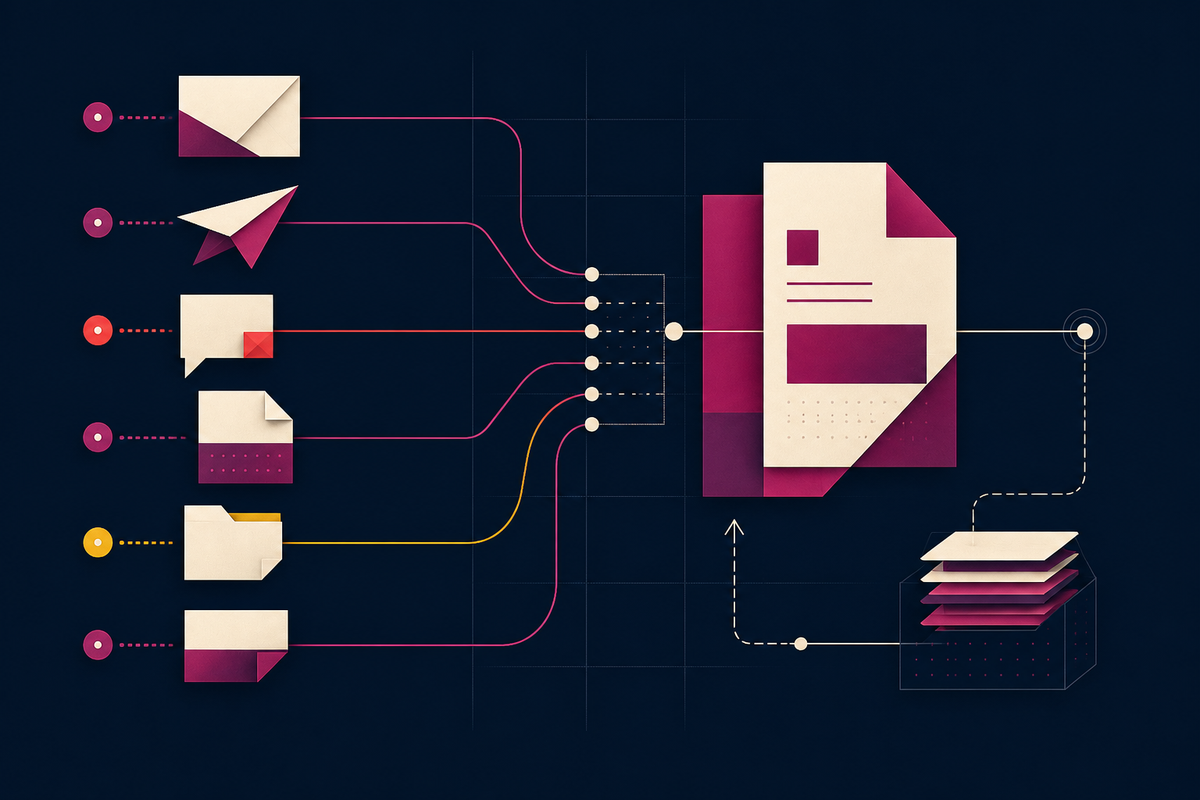
Customer Communications Software Has an Identity Crisis
Six vendors promise better customer conversations, but they solve very different problems. The useful question is not which platform wins - it is where your communication actually breaks.

Your Customer Journey Has a Back Office
The message a customer sees is only the last inch of a sprawling enterprise stack. Eight vendors reveal where engagement ends, regulated communication begins and workflow holds the whole thing together.

Bird, Optimove, Bottomline and DataOceans Map the Customer Stack
Four software companies reveal why customer communication is no longer one job. The useful question is not which platform does everything, but which system should decide, deliver, transact and keep the record.

The Customer Communications Stack Has Split in Two
Newgen, Messagepoint, Braze, Doxim, Windward Studios and MHC all help companies speak at scale. The useful question is not which platform wins, but which kind of communication you are actually trying to run.

The Software Turf War Behind Every Bill, Alert and Offer
Eight companies - from Crawford Technologies and Oracle to Lob, Bird and Iterable - quietly wire up every statement, alert and offer your bank, insurer and favorite app sends you. Here is the map of a market climbing toward $3.3 billion.
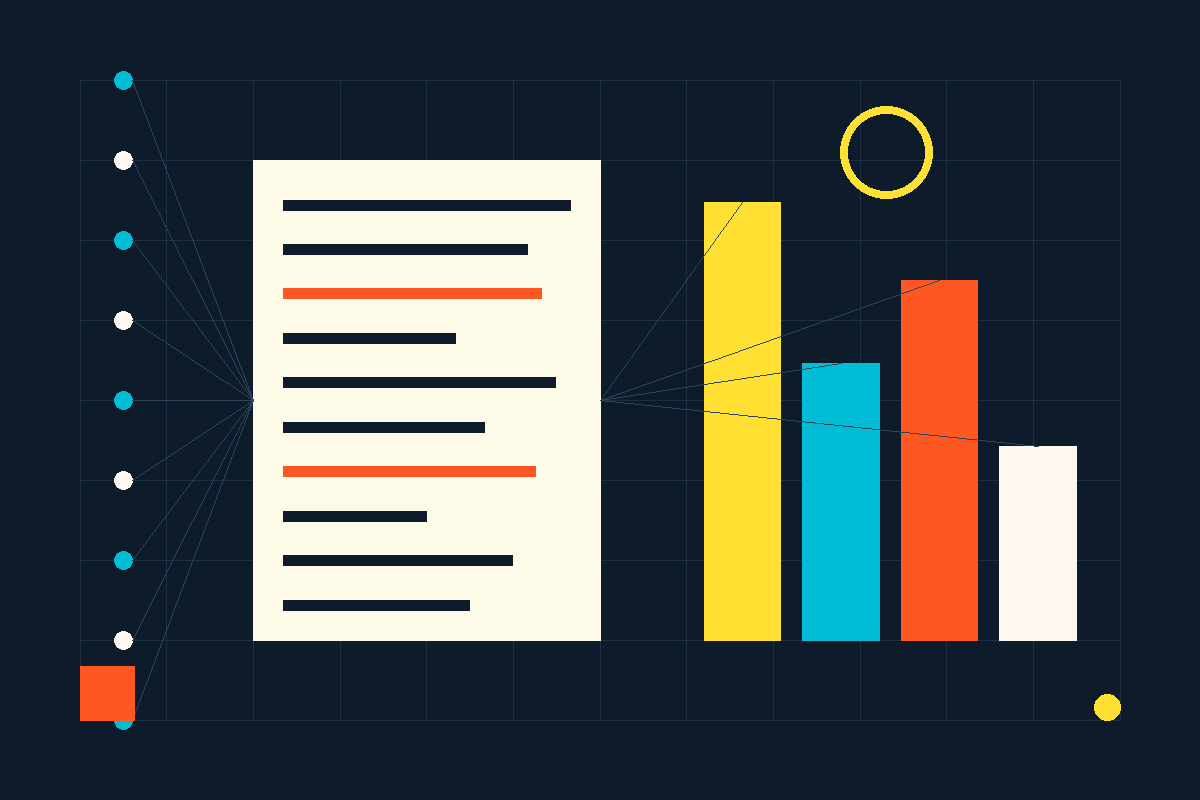
The Companies Behind Every Bill, Text and Contract You Get
Apryse, Conga, Compart, Sefas, ISIS Papyrus, Plumsail, Customer.io and Bird rarely appear on a customer's screen by name. Together they run the plumbing that turns raw data into the statements, reminders and messages that land in your inbox every day.

The Quiet Land Grab to Own Your Community
Zendesk, Khoros, Thinkific, Disciple and a pack of rivals are betting that organizations will pay to own the audiences they once rented from Facebook. Here is how the community software scramble is shaking out.
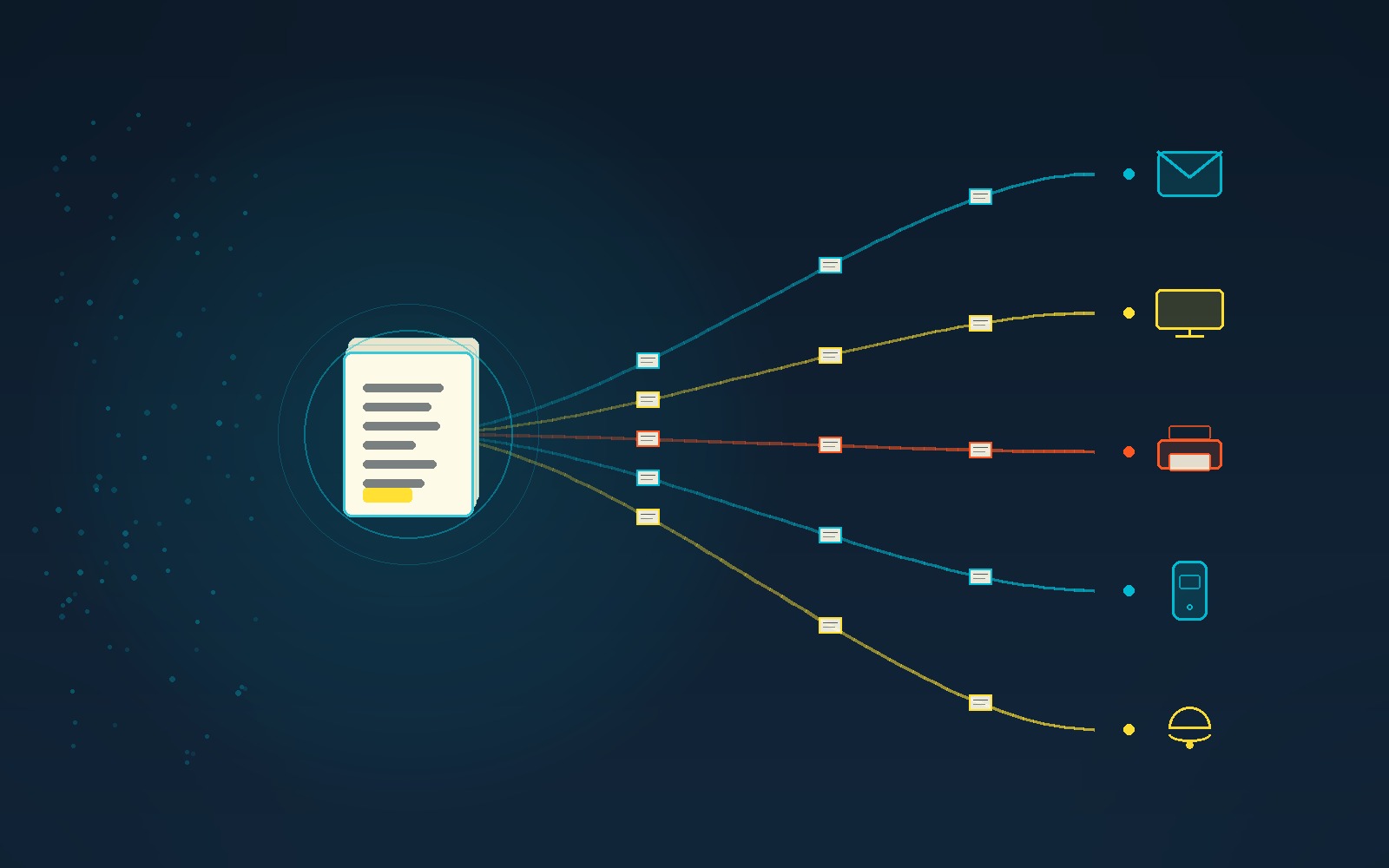
Six Companies Run Your Messages and Your Paperwork
Braze and Iterable send the emails, Twilio sends the texts, and Plumsail, Experlogix and Newgen quietly generate the contracts. Here is the invisible software running your relationship with almost every company you deal with.

The Invisible Software Behind Every Bill You Actually Read
CleverTap, Doxim, Broadridge, Customer.io and a handful of rivals fight over the same quiet job - turning your bank statements, app pings and renewal notices into something you open. Here is how the customer communications business actually works.
Live Chat Software Grew Up and Learned to Sell
Eight companies - from a free widget called tawk.to to Salesforce's new AI seller Piper - are fighting over the little box in the corner of your screen. The chat bubble stopped answering questions and started closing deals.
SleekFlow Wants Your Inbox to Close the Sale, Not Freshworks
The Singapore- and Hong Kong-based conversational commerce startup turned WhatsApp threads into a checkout counter. Now, backed by Tiger Global and Atinum, it is betting AI agents can sell and support in the same breath the incumbents keep separate.
SleekFlow Turned the Chat Box Into a Checkout Counter
A Singapore-based startup bet that customers would rather buy over WhatsApp than fill out a web form. Five years and 5,000 businesses later, that bet is paying off across Asia and the Gulf.
Live Chat Software Split Into Four Tribes That Won't Merge
Sprinklr, ProProfs, WATI and Crisp all sell conversations with customers. They have almost nothing else in common - and that tells you where support software is heading.
Trengo Bet the Company on WhatsApp Beating Email
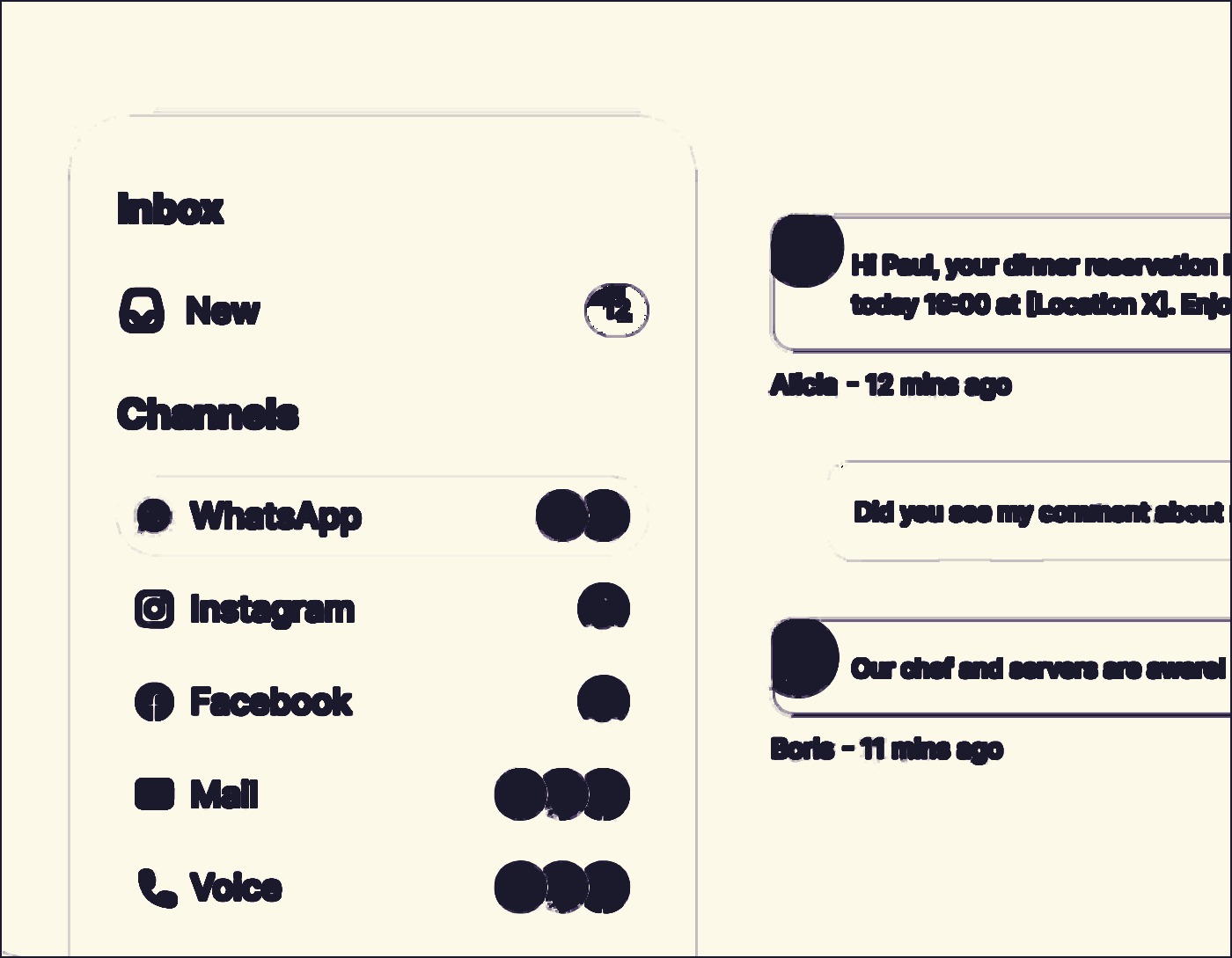
The Utrecht startup pulled a dozen messaging channels into one inbox and raised $36 million on a simple hunch - that customers would rather text a business than email it. Now its AI is chasing the 84% of questions nobody wants to answer twice.

Zoho won't buy Trengo - it wired into it instead
The bootstrapped giant that famously refuses to acquire found a quieter way to work with a Dutch omnichannel upstart: an open API, a shared inbox, and a customer record that finally lives in one place.

Why Trengo Keeps Picking Fights With a $1.7B Unicorn
Front raised more than $200 million and a unicorn valuation on the promise of a shared inbox. Trengo, bootstrapped out of Utrecht, decided the future was WhatsApp - and started aiming straight at it.