creative-strategy
(20)
Steven Gold and the problem with thinking big
Steven Gold helped build an agency called Giant without setting out to make it huge. His path from copywriter to CEO to executive advisor traces the work that begins when a good idea becomes a growing business.
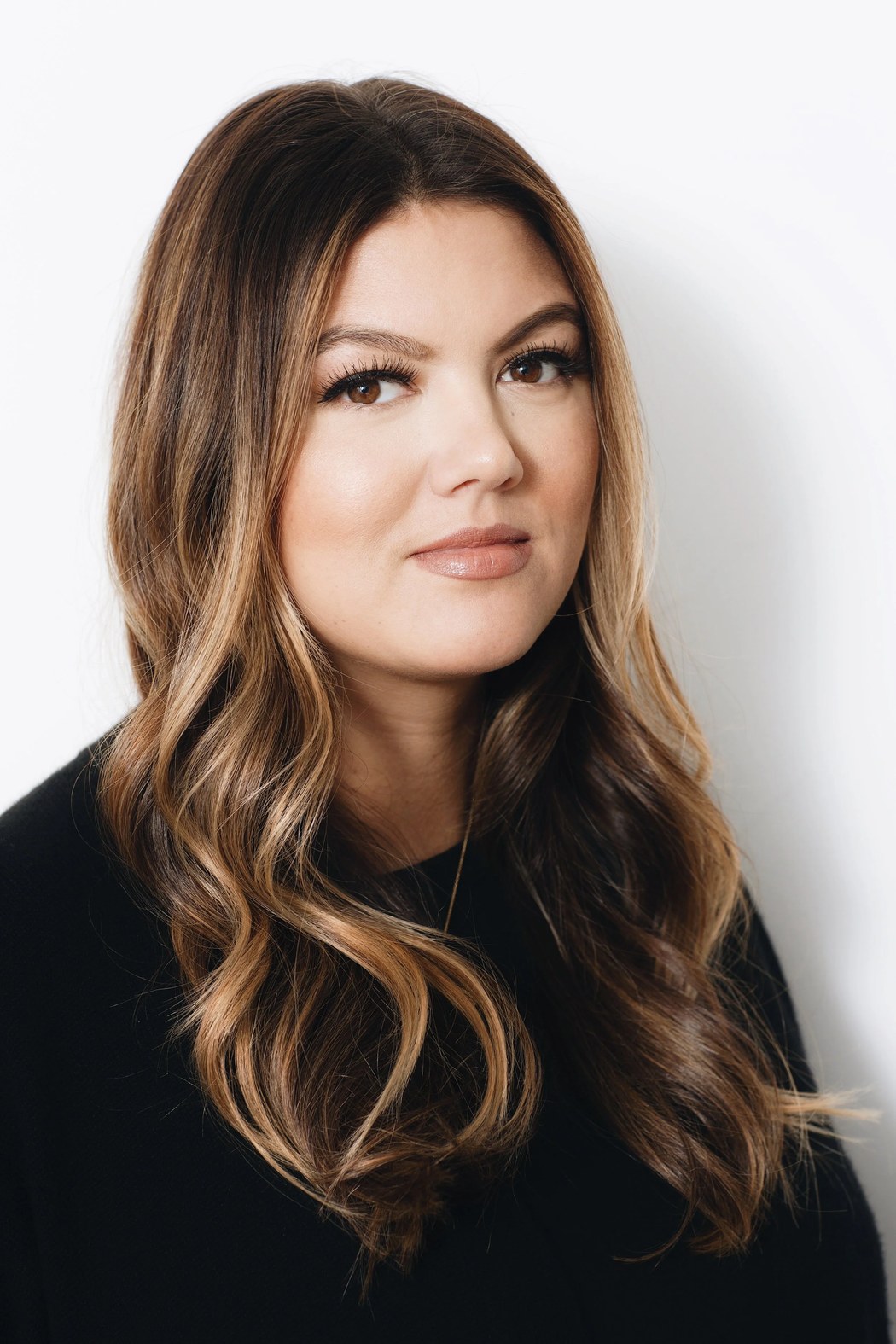
Corinne Pipitone and the small detail that makes a big launch
From pop-star fragrances to a perfume bottle shaped like a plush toy, Corinne Pipitone has built a career turning familiar names into beauty stories. At CMM, the creative brief comes with a second job: helping lead the agency behind the launch.

Nadine Lafond and the case for a little applause
Early in her career, Nadine Lafond was told to be less enthusiastic. Now the Imre CEO is asking a different question: how much better could the work become if people had room to be themselves?

Nicole Penn and the art of knowing what to keep
An artist became an agency CEO. As advertising hands more work to machines, Nicole Penn is making a case for the judgment, curiosity and working conditions that help people do it well.

Josh Shultz and the Elephant in the Backyard
The NJI co-founder built a career around understanding the people behind the job titles. From an anonymous Washington blog to a global creative agency, his questions have rarely been the obvious ones.

Mike Rosich and the Case for a Slightly Strange Idea
A rained-out date, a career across agency disciplines, and a belief that unusual ideas deserve a hearing. Mike Rosich is building a communications business around the people who can connect them.

BeenThereDoneThat: three brains, nine answers, one better brief
A marketing consultancy built around experienced outsiders has a mischievous proposition: before buying another answer, make sure you have asked the right question.

The Agency That Bought the Building - Then Kept Rebuilding Itself
SCC has survived 37 years of advertising fashion by practicing a useful contradiction: stay independent, keep changing. Its newest act turns an awkward succession into a sharper proposition for brands that cannot afford to behave like the category leader.
The Forty-Year Overnight Test: How EGC Group Makes Creative Prove Itself
The Long Island agency has spent four decades insisting that a good idea do a second job: produce evidence. Its best work begins when the obvious audience turns out to be the wrong one.

The Famous Person Is Not the Point
WRTHY learned that attention is only rented. Its sharper trick is deciding who should borrow it - an epidemiologist, a farmer, a survivor, an athlete - and giving that person something useful to do with the crowd.

Uplift Wants Political Ads to Stop Thinking Like Television
The Berkeley firm built a business around a simple complaint: campaigns still split creative, buying and data into separate rooms. Uplift puts them back at one table - then gives that table software.

bpg made the ad worth watching
A monster with a meme habit, a documentary host covered in honey. Inside the Los Angeles agency that turned entertainment marketing into a little entertainment of its own.

KUYA Gives Brands a Personality That Travels
From a neighborhood internet mascot to Floyd Mayweather’s supplement tubs, KUYA turns a brand’s point of view into things people can actually see. Its own identity began with a more personal assignment: starting over.

Happy Creative Land Makes Room for a Dumpling
Yiying Lu’s studio turns cultural blind spots into pictures people want to use. Its trail runs from Twitter’s Fail Whale to the emoji keyboard, with a few well-dressed sushi warriors along the way.

JPA. Wants a Bigger Say in Who Gets the Part
Jennifer Peralta-Ajemian built her business by looking beyond the usual faces. Now JPA. is taking that casting-room perspective into story development, brand strategy and creative technology.

Megan Imbres and the Fine Art of Moving People
She planned for finance, found marketing in France, and built a career around one deceptively difficult question: how should a brand make people feel? At Peloton, the answer now has to move both bodies and a business.

The 30% Problem: D.LUXURY Is Rewriting the DTC Growth Playbook Around Profit
The Los Angeles firm starts with a blunt premise: a minority of customers often creates nearly all the profit. Its answer combines an investment-grade audit, live customer intelligence and an outsourced growth team built to act on the findings.

Jens Nicolaysen
Jens Nicolaysen is the co-founder and Chief Marketing Officer of Shinesty, the Boulder, Colorado apparel brand whose stated mission is to force the world to take itself less seriously. A 2010 marketing graduate of CU Boulder's Leeds School of Business, he spent his early career doing brand strategy and innovation consulting for large consumer companies before launching Shinesty in mid-2014 with fellow Leeds alum Chris White. The company began as a vintage-clothing resale operation with buyers scouring thrift shops in college and ski towns, pivoted to original designs in 2015, and grew into a direct-to-consumer underwear and loungewear business best known for its trademarked Ball Hammock pouch underwear, its holiday and theme-party outfits, and a joke-first marketing voice that Nicolaysen oversees across email, paid media, catalogues and video. Shinesty's story became a six-episode MTV2 series in 2017, the company was named an Inc. 5000 honoree in 2022, and it has raised roughly $8.2 million through a Series A.
Jenny Campbell
Jenny Campbell is a Los Angeles-based brand, performance and growth marketing executive who has spent more than two decades moving between advertising agencies and the brands they serve. She began at Wieden+Kennedy, spent over seven years at Nike working across Nike Women's, brand innovation and the Nike+ ecosystem as senior global brand director, then became managing director at 72andSunny, where clients included adidas, Google, Starbucks, Uber and eBay. In September 2018 she joined Tinder as chief marketing officer, and in November 2020 Kate Spade New York named her CMO with a brief spanning brand marketing, direct-to-consumer engagement and digital. She later served as interim head of creative at Athleta and is currently interim chief marketing officer at Frank & Eileen, the woman-owned, B Corp-certified apparel brand in downtown Los Angeles. A Morehead-Cain Scholar and 1995 journalism graduate of UNC-Chapel Hill, she has served on the board of MAKERS and mentors young women entering the industry.
Sydney Williams
Sydney Williams is Vice President of Global Brand Marketing at ServiceNow, where she oversees the company's global marketing and communications across creative, content, media, and events. An award-winning marketing leader with over two decades of experience, she has shaped the brand voices of iconic organizations including General Electric, The Walt Disney Company, and JPMorgan Chase, and now steers ServiceNow's push to put AI to work for people.