climate-adaptation
(13)
Circlepoint knows a better project starts with a better conversation
An environmental report and a neighborhood conversation rarely speak the same language. Circlepoint has built a consulting business around getting them into the same room.

Smart Lab gets Tanzania’s startups into the room
A telecom partnership, climate grants and a new fintech challenge reveal how the Dar es Salaam company helps founders reach the people who can test, fund and buy what they build.
StormHarvester wants the sewer alarm to mean something
A Belfast software company is teaching wastewater utilities to spot trouble before sewage escapes. Its most useful trick may be knowing when a rising water level is just rain.
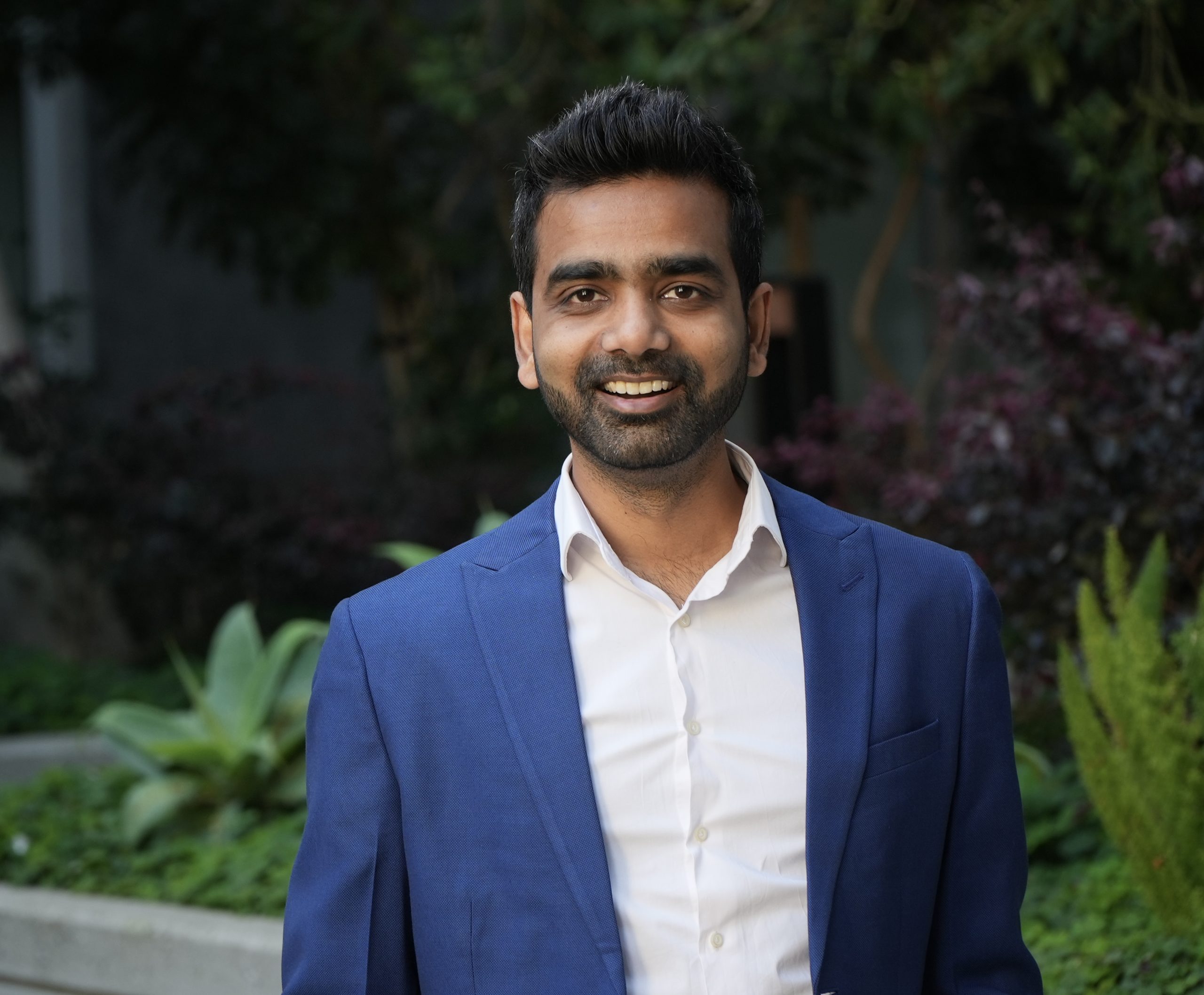
Himanshu Gupta Is Teaching Business to Read the Weather
The ClimateAi co-founder moved from wiring smart-grid hardware to modeling national energy policy. Now he wants companies to treat climate forecasts as decisions waiting to be made.

The Nature Conservancy of Canada Built a $183 Million Machine for Buying Nature Time
Canada’s largest private land conservation organization turns donations, public money and negotiated land deals into permanent habitat. The clever part is not buying land - it is arranging for the care to outlast the campaign.

The Concrete Company Teaching Seawalls to Grow a Pulse
Ports and coastal cities already have to pour concrete. ECOncrete charges a premium to make that concrete useful to oysters, fish and engineers - then argues the habitat can pay for itself in permits, durability and avoided mitigation costs.
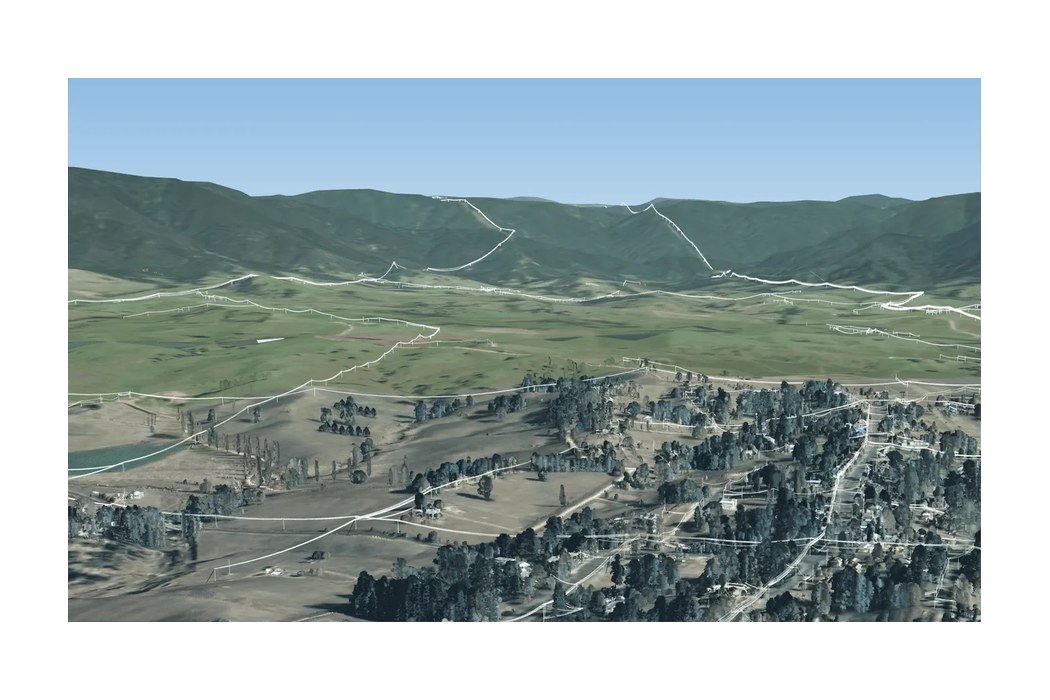
Neara
Neara is a Sydney-founded software company that builds physics-enabled digital twins of utility networks. By combining LiDAR, satellite imagery, sensor data, AI and engineering-grade physics simulation, it creates geometrically accurate 3D replicas of power grids so utilities can model how their assets behave under real-world stress - wildfires, floods, storms, heat and rising demand. The platform lets operators find spare grid capacity, mitigate risk, plan maintenance and connect renewables faster, often replacing months of manual field inspection with analysis that runs in minutes. In February 2026 Neara raised an AUD $90 million Series D, reaching a roughly AUD $1.1 billion valuation to become one of Australia's newest unicorns.

Colossal Biosciences
Colossal Biosciences is a Dallas-based genetic engineering company using de-extinction science - ancient DNA, CRISPR gene editing, and reproductive technology - to revive lost species like the woolly mammoth, thylacine, dodo, and dire wolf, and to apply the same tools to protecting endangered wildlife. Co-founded in 2021 by tech entrepreneur Ben Lamm and Harvard geneticist George Church, it became Texas' first decacorn with a $10.2 billion valuation and has spun out companies in computational biology and plastic degradation.

OptiRTC (Opti)
Opti (OptiRTC, Inc.) is a Boston-area software company that makes stormwater infrastructure smart. Its cloud platform - built around a technique it calls Continuous Monitoring and Adaptive Control (CMAC) - links sensors, valves, and weather forecasts to actively move water in ponds, tanks, and detention systems before, during, and after storms. Spun out of engineering consultancy Geosyntec in 2014 and acquired by global infrastructure firm Aliaxis in 2022, Opti helps cities, utilities, developers, and engineers cut flooding, reduce combined-sewer overflows, and improve water quality with existing infrastructure rather than costly new construction.

ClimateAi
ClimateAi is a San Francisco-based climate-tech company that builds an AI-powered climate resilience platform. Founded at Stanford in 2017 by Himanshu Gupta and Max Evans, its ClimateLens platform combines patented machine-learning models with physics-based climate and weather data to forecast risk from weeks to decades ahead. Food, agriculture, and water-dependent companies - including Dole, Suntory, Oatly and McCain - use it to protect sourcing, planting, and procurement decisions against a more volatile climate.

Eventual
Eventual is a New York-based climate fintech that helps American property owners escape the whiplash of rising home insurance costs. Its flagship product, the Premium Lock Guarantee, uses AI models trained on data from 20 million homes and 150,000 commercial properties to forecast how a property's insurance premiums will move over the next several years - and reimburses homeowners when their bills climb past that forecast. Sold through a network of more than 1,000 independent insurance agents and available in all 50 states, Eventual turns unpredictable, climate-driven premium spikes into a fixed, multi-year expectation. The company raised a $7.5 million seed round in July 2025 led by AlleyCorp and Upfront Ventures.
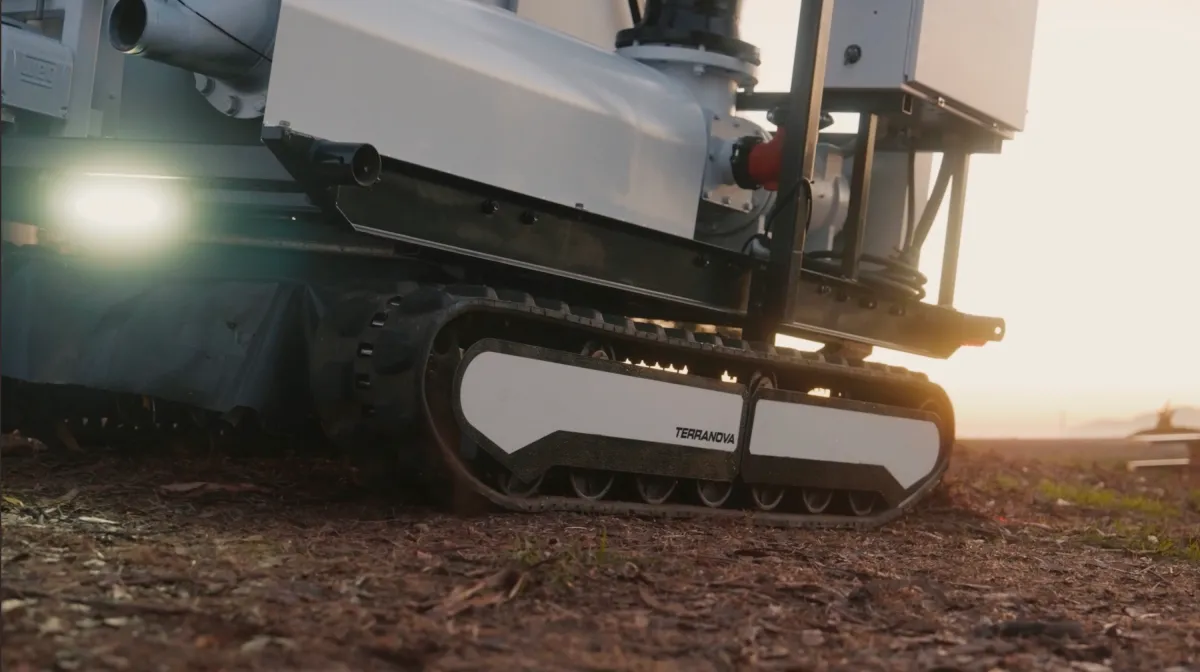
The Cheapest Way to Beat the Ocean Is to Stop Fighting It
Terranova is pitching a counterintuitive answer to coastal flooding: instead of walling the water out, raise the ground up. Its $92 million quote to lift an entire low-lying district four feet above the floodplain undercuts the $500-900 million price tag of a conventional concrete seawall by roughly an order of magnitude. This story breaks down the math behind that claim, tests it against the only city that ever actually did it at scale — Galveston, Texas, which jacked up 2,146 buildings after the 1900 hurricane for the inflation-adjusted equivalent of about $94 million — and weighs the hidden costs, disruption, and engineering risk that a sticker price alone never shows.
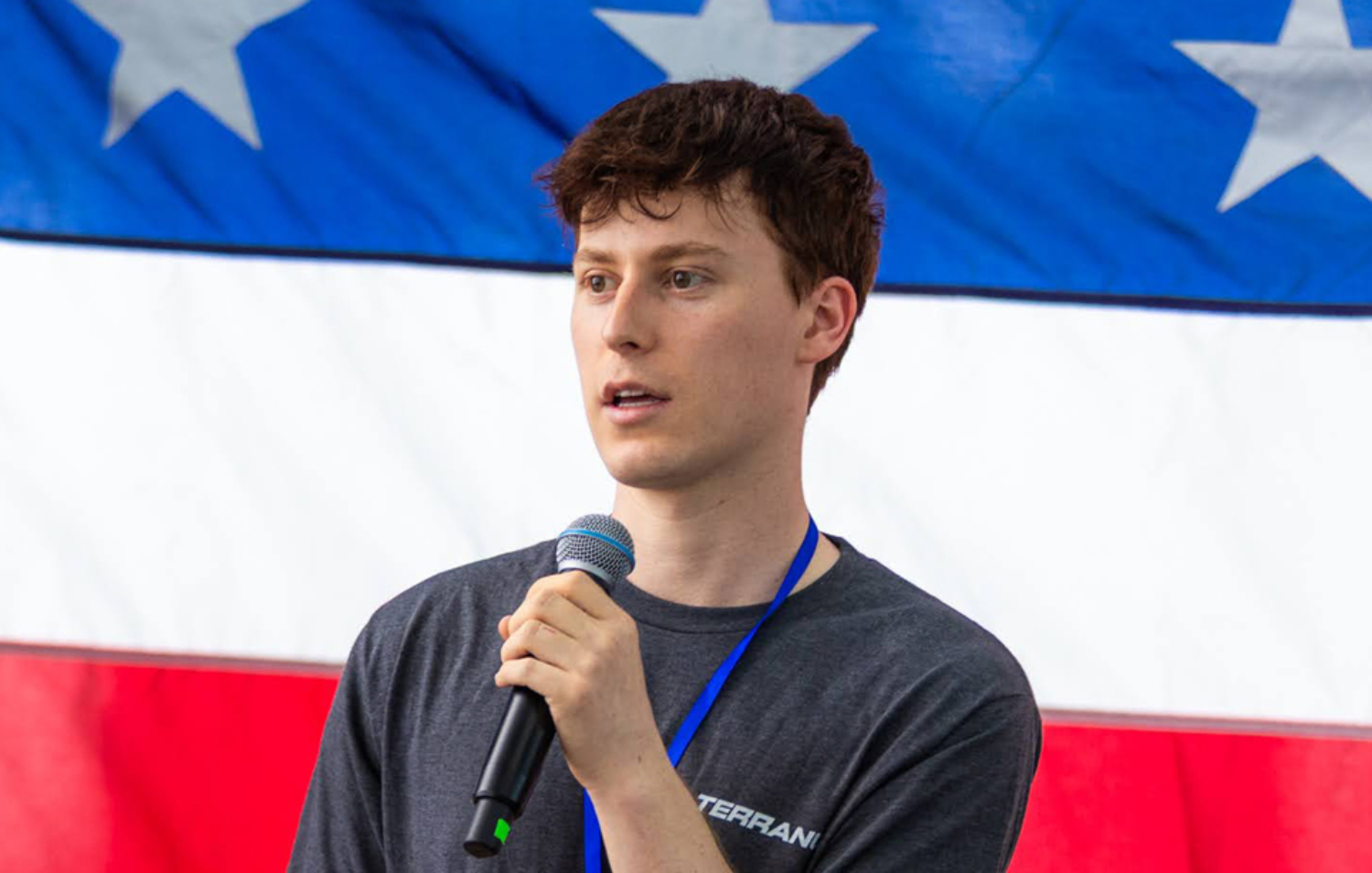
Laurence Allen
Laurence Allen is the co-founder and CEO of Terranova, a Berkeley-based startup building autonomous terraforming robots that lift flood-prone land out of harm's way by injecting wood waste slurry deep underground. A UC Berkeley Mechanical Engineering graduate (2024) who conceived the idea during a 2021 SpaceX internship, Allen launched the company — originally called Levitree — to save his own hometown of San Rafael, California, which floods to waist depth several times a decade. Terranova closed a $7M seed round in late 2025 at a $25.1M valuation led by Congruent Ventures and Outlander, and can lift one acre of land by one foot per day at a fraction of the cost of traditional seawalls. Allen was named to the 2026 Forbes 30 Under 30 list in Energy & Green Tech, took a leave from his Stanford master's program to scale Terranova full-time, and entered 2026 actively pursuing commercial elevation projects across the Bay Area for flood prevention, development, and wetland restoration.