clean-technology
(12)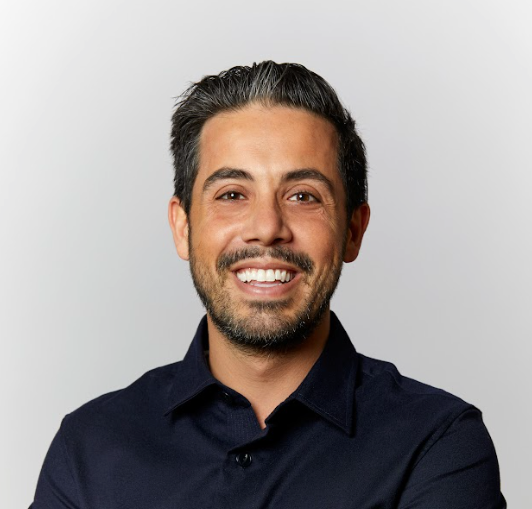
Raphael Tehranian and the Business of Seeing What the World Cannot
Before global trade became a daily argument, Raphael Tehranian was studying the systems beneath it. At Altana, the former energy analyst and banker has turned that habit of looking below the surface into an operating discipline.
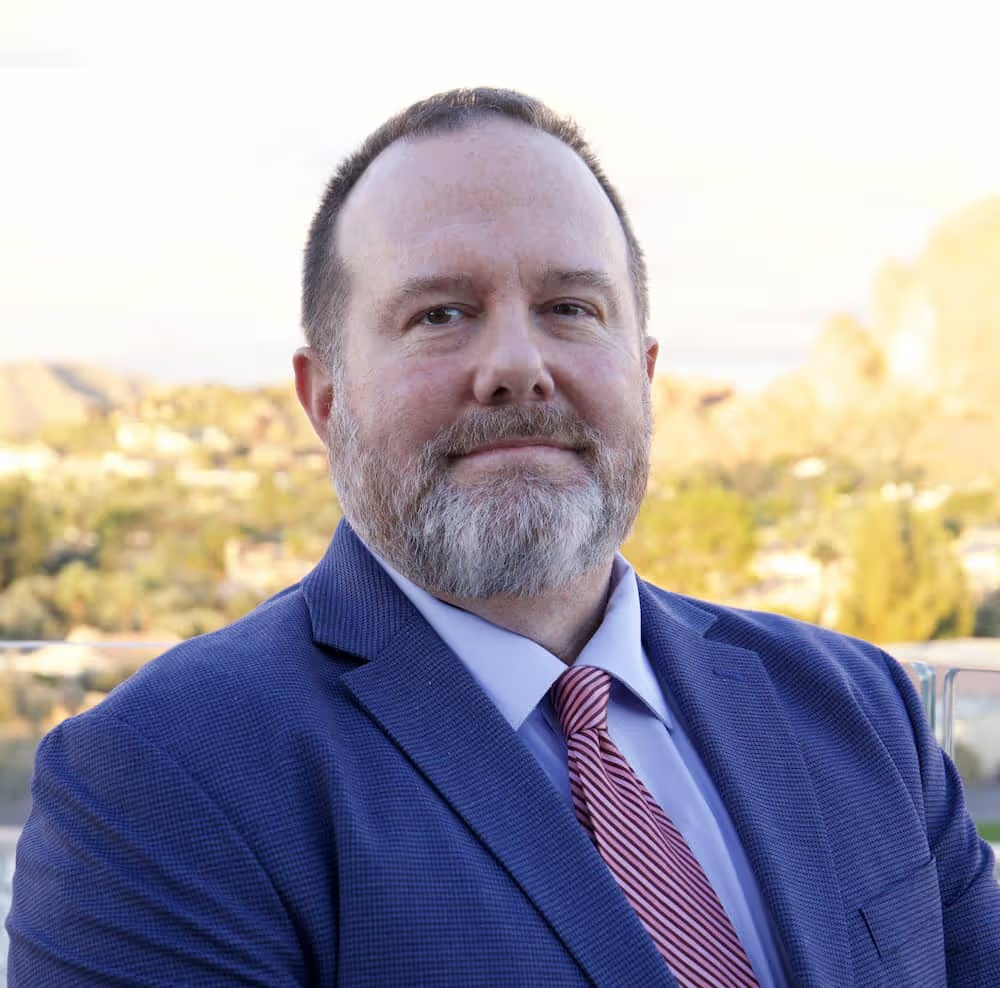
JD Dillon Put a Price Tag on Marketing - Then Gave Solar a Quality Check
The West Point engineer became a marketer by treating competition like terrain, pricing like strategy and customer support like part of the product. At Tigo Energy, his argument is disarmingly practical: solar earns trust one installation at a time.
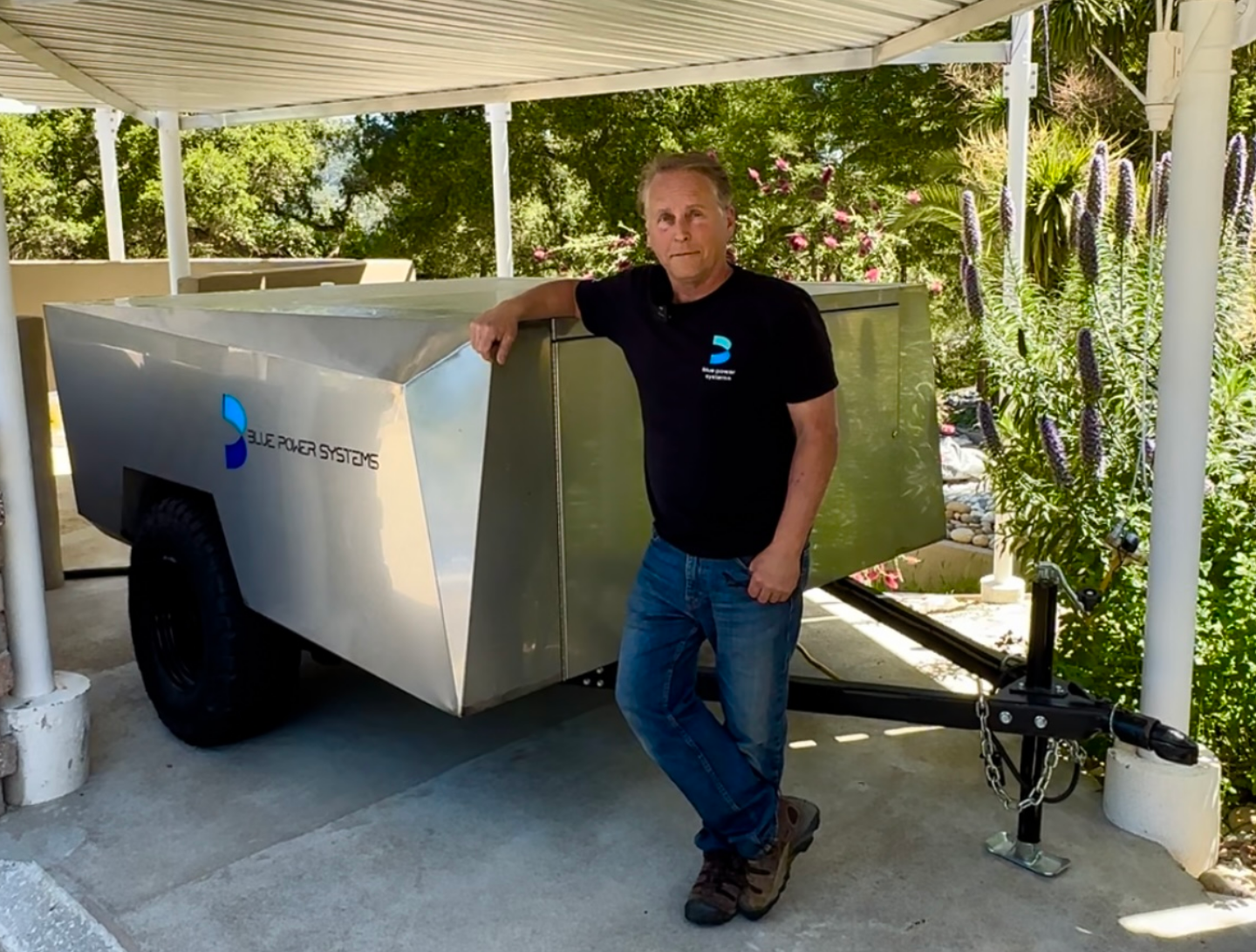
Ray Caamano's Long Bet: Make the Grid Optional
A high-school dropout taught himself electromagnetics, helped rethink the electric drivetrain, and spent decades learning one stubborn lesson: reliable power is a systems problem.
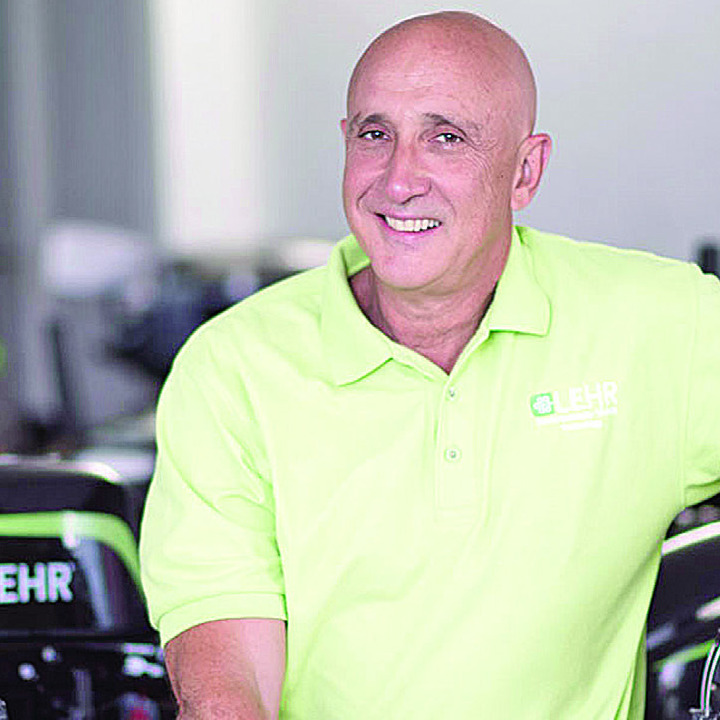
Bernardo Herzer learned propane at sea. Then he brought it ashore.
A broken marine engine, a green-painted Culver City workshop and a stubborn question: what if small machines did not need gasoline at all?
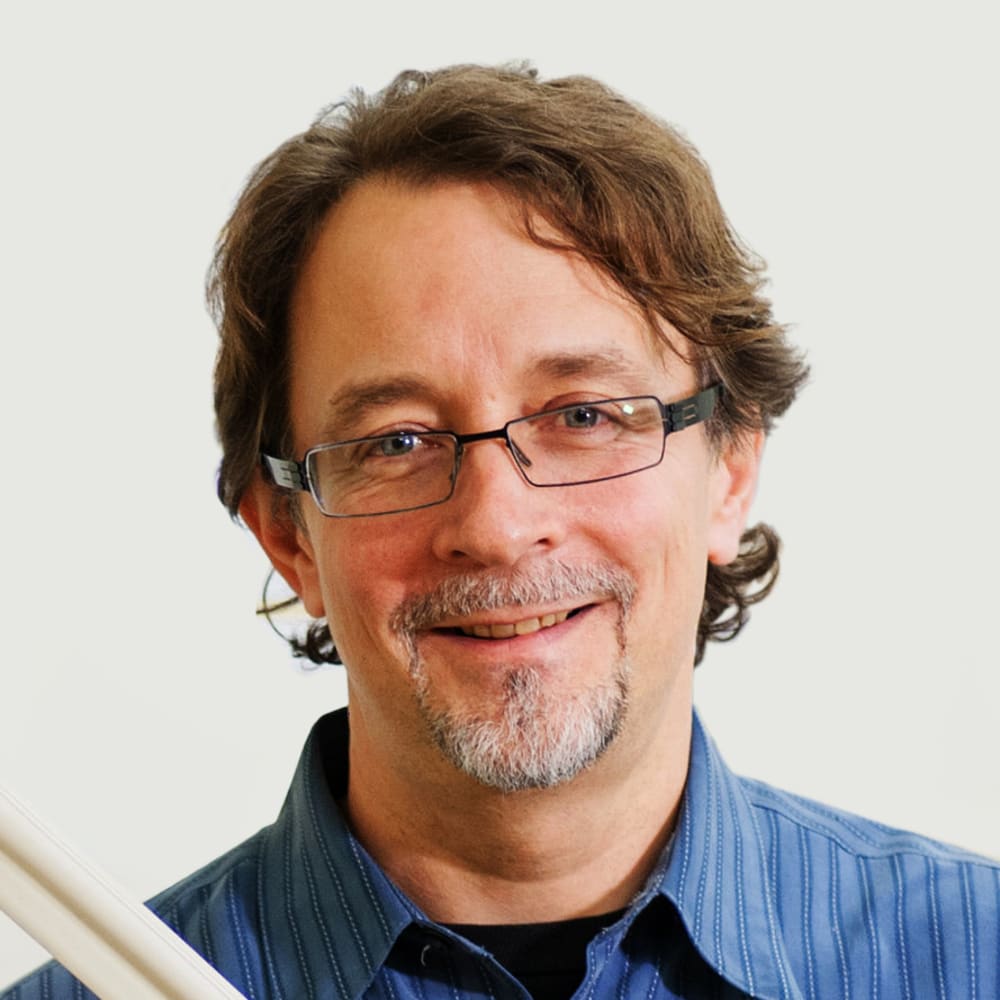
Sam Pardue Built a Climate Business From a Flickering Candle
A draft moved the candles in his 1906 Portland house. The fix led from a failed magnetic prototype to a patented insert, a precision-measurement system, and a company built around keeping good windows in place.
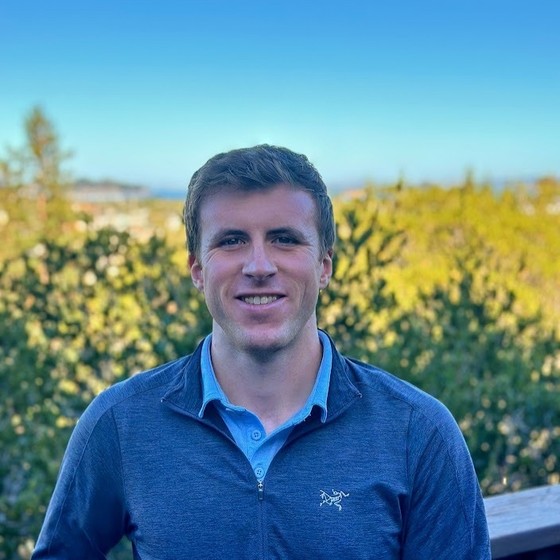
Connor Rouan Is Turning the Ceiling Into an Energy Dashboard
The SiteWorx CEO learned the business from installation sites upward. Now he is betting that the most useful climate technology may be the kind a facility manager can see, measure and switch off.
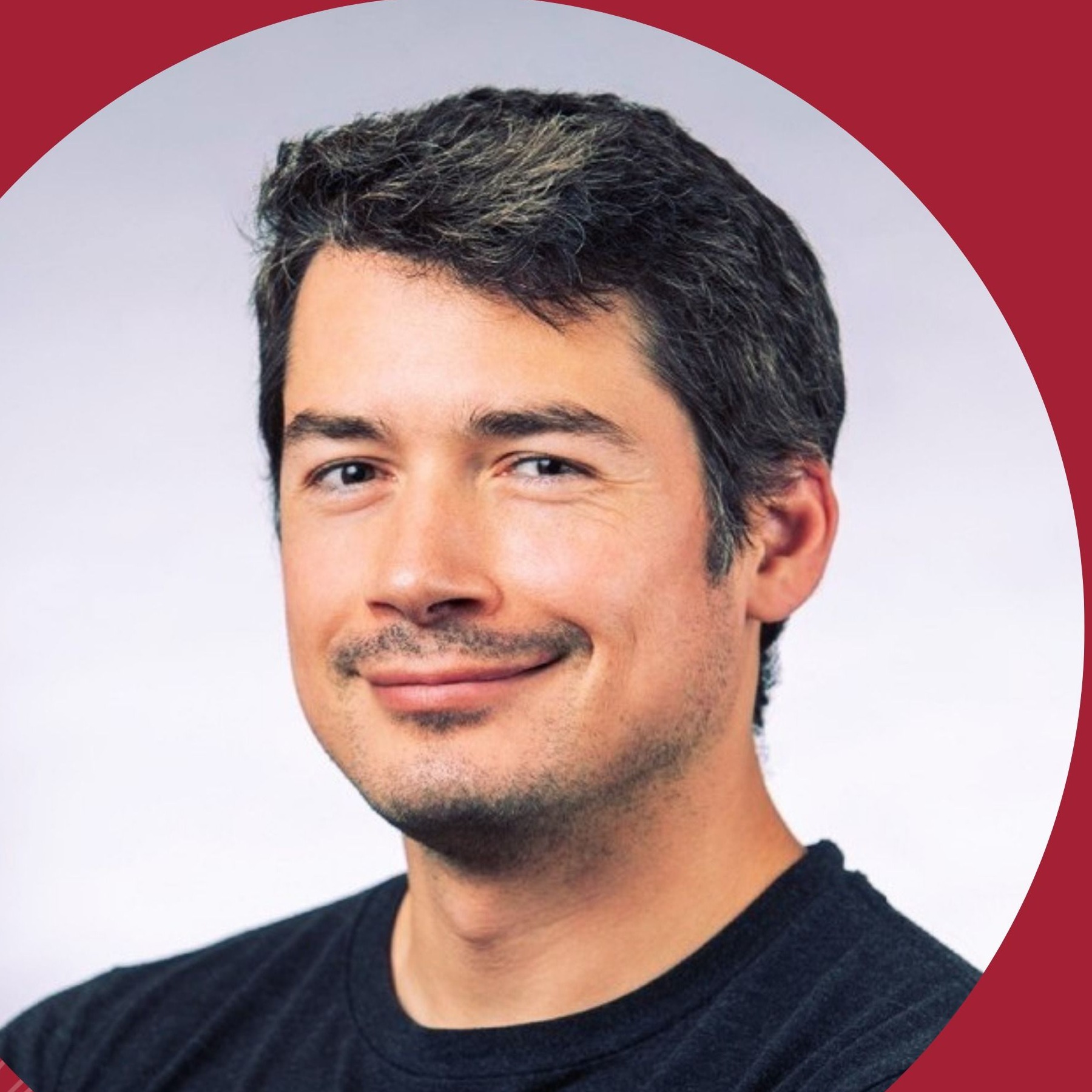
Andrei Iancu Is Teaching Factories to Cut Crystals With Light
The Halo Industries founder turned a Stanford materials problem into a semiconductor manufacturing company. His wager is practical: waste less of the crystal, learn faster on the factory floor, and let better power electronics follow.
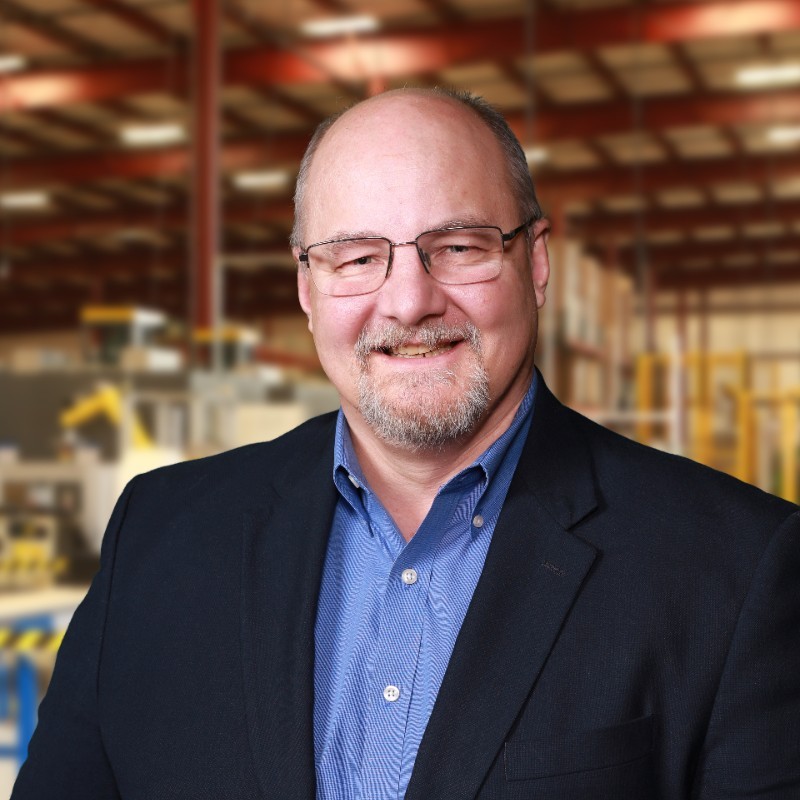
Edward Shaffer
Dr. Edward O. Shaffer II is the CEO and founder of Advanced Battery Concepts, a Clare, Michigan company he started in 2009 to reinvent the 160-year-old lead-acid battery instead of chasing lithium. His patented GreenSeal bipolar architecture strips cost, lead and weight out of large-format storage while keeping the batteries fully recyclable, and it has been licensed to battery makers around the world including Crown, Clarios, EnerSys, Exide, Trojan and Monbat. An MIT-trained materials scientist and former Dow Chemical R&D manager, Shaffer argues that energy storage only scales when it is economically, socially and environmentally responsible - all three at once.

Allie Janoch
Allie Janoch is the CEO and co-founder of Mapistry, a Berkeley-born software company that turns the soul-crushing paperwork of environmental compliance into maps, mobile inspections and automated alerts for industrial and manufacturing companies. A computer-vision engineer by training - MIT Lincoln Labs, IQ Engines, Yahoo's Flickr - she walked out of a comfortable Silicon Valley job in 2013 to build software for stormwater permits, of all things, alongside her husband and environmental-engineer co-founder Ryan Janoch. The bet: regulations don't have to be the enemy of either the economy or clean water.
Otto Marroquin
Otto Marroquin is the Founder of Celera Corporation (operating as Celera Incorporated / Celera Semiconductor), an AI-powered analog semiconductor company headquartered in Alameda, California. Celera has built a patented platform - Nestos - that uses digital twins and behavioral modeling to automate analog IC design, cutting development cycles by up to 10x compared to traditional workflows. Backed by $23 million in funding including a $20 million Series A from Maverick Silicon in August 2025, Marroquin's venture targets the $70 billion analog semiconductor market with a platform that delivers custom analog ICs at a pace the industry has never seen before.

Zack Bloom
Zack Bloom is a co-founder of Heirloom Carbon Technologies, the company behind America's first commercial direct air capture facility in Tracy, California. A software engineer turned climate entrepreneur, Bloom previously co-founded Eager - a cloud app marketplace acquired by Cloudflare in 2016 - and served as Director of Product at Cloudflare overseeing Workers, Storage, and Tunnel. In 2020, he pivoted from internet infrastructure to atmospheric infrastructure, co-founding Heirloom alongside Shashank Samala and Noah McQueen. The company has since raised over $354M in total funding, opened its first facility, and secured contracts with Microsoft, Stripe, Shopify, Meta, and JPMorgan.

Mark Chung
Mark Chung is the co-founder and CEO of Verdigris Technologies, a Mountain View-based AI company that provides circuit-level electrical intelligence for mission-critical data centers and commercial buildings. A Stanford-trained electrical engineer who spent 15 years designing chips at AMD, PA Semi (Apple), and NetLogic (Broadcom), Chung founded Verdigris in 2011 after a $560 electricity bill sparked an obsession with making buildings as transparent as spreadsheets. Today, Verdigris monitors 2+ gigawatts of peak demand across 20 million square feet of facilities for clients like T-Mobile, Verizon, NVIDIA, and Google, using 8kHz waveform sensors that detect equipment failures up to 21 days before they cause outages.