She trained computers to see. Then she pointed that brain at the least glamorous problem in industry: stormwater permits.
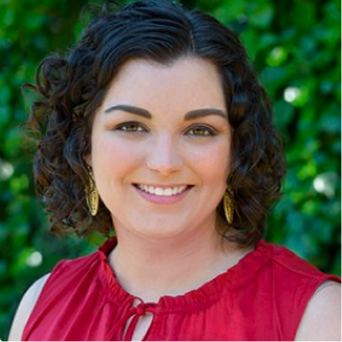
Allie Janoch. The engineer who decided compliance paperwork deserved better software than a three-ring binder.
The Dispatch
Someone at a scrap-metal yard is standing in the rain with a clipboard, or used to be. Now they tap a phone. The site map is already loaded. The inspection form knows which permit applies. If a sample comes back over the limit, an alert fires before a regulator ever notices. That quiet little choreography is the product Allie Janoch sells, and it is the reason a category as dull-sounding as environmental compliance turned into a company.
Janoch is the CEO and co-founder of Mapistry, a Berkeley-born software company that hands industrial, manufacturing and transportation firms the tools to navigate environmental regulation without drowning in it. Stormwater. Spill prevention. Hazardous materials. Air, water, waste - the alphabet soup of EHS that every factory has to satisfy and almost nobody enjoys. Mapistry turns it into maps, mobile inspections, automated workflows and real-time dashboards.
The pitch is deceptively neighborly: regulations don't have to be the enemy of either the economy or clean water. Help a manufacturer comply faster and cheaper, and you also keep contaminants out of the river. Her husband and co-founder Ryan Janoch, a civil and environmental engineer, says it plainly - they make the rules easier "so they can expand the economy while protecting water quality." Two goals that usually shout at each other, wired into one piece of software.
What makes it interesting is who built it. Not a compliance lifer who learned to code. The opposite. Janoch came from the bleeding edge of computer vision and walked, on purpose, toward the most overlooked paperwork in America.
Origin Story
Before there was a company, there was an eight-year-old making a case. Allie wanted a computer. She lobbied her parents until the family bought its first one. Her father was a software engineer; the house ran on analytical encouragement. By middle school the verdict was already filed in writing - in the yearbook, where she announced she would grow up to be a software engineer. Most kids write "astronaut" and forget about it. She meant it.
At fifteen she took her first real programming class - Visual Basic and C++ - and the thing clicked into place. Her words: "After taking that first computer science class, I was completely hooked. I loved the feeling of building something and seeing the very tangible results in front of me on the screen." That sentence is the whole career in miniature. Build a thing. See the result. Repeat.
She earned a B.S. in Computer Science from the University of Maryland in 2009. A professor nudged her toward research, the research record got her into UC Berkeley's CS doctoral program, and for a while she was on the classic academic conveyor belt. Then she got off it - halfway through the PhD, with a Masters in hand and an itch that coursework wasn't going to scratch.
The pre-Mapistry resume reads like a computer-vision tour. At MIT Lincoln Labs she worked on vision technology for the Air Force. At IQ Engines she built image-recognition products good enough that Yahoo bought the company in 2013. After the acquisition she folded those vision algorithms into Flickr, teaching one of the internet's great photo archives to understand what it was looking at.
It was a good job. Comfortable. Lucrative. And she left it.
I loved the feeling of building something and seeing the very tangible results in front of me on the screen.Allie Janoch, on the first programming class that hooked her
The Pivot
In 2013 Janoch went to a Women Who Code event featuring female venture capitalists. People go to those evenings, nod along, and go back to their day jobs. She went back and quit hers. The event did what the best ones do - it removed an excuse. If they could do it, the comfortable Yahoo paycheck started to look less like security and more like a wall.
So she walked through the door that doesn't swing back. The destination was, of all places, stormwater. Her husband Ryan, a civil and environmental engineer trained at Maryland, knew the regulatory world cold. She knew how to make software that real people could actually stand to use. Mapistry started as a mapping tool for environmental engineers - hence the name - and grew into a full compliance and data platform. Ryan put it once: his Maryland stormwater education is "baked into a lot of the Mapistry software."
It is a strangely perfect division of labor. One founder knows what the rules require; the other knows how to make obeying them feel like tapping a phone instead of filling a binder. The marriage is the merger.
Permits, inspections, sampling logs, deadlines - historically tracked on paper and spreadsheets, easy to miss, expensive to get wrong. Miss a storm, blow a limit, and the fines and lawsuits follow.
Mapistry digitizes site maps, mobile inspections, stormwater and SPCC plans, waste manifests and monitoring - with automated alerts the moment a program drifts out of bounds.
Faster permits, lower compliance cost, and measurably better environmental outcomes. The factory keeps running; the river stays cleaner. Both sides win, which is the rare part.
The Arc
The Operator
Founders who came up as engineers often cling to the keyboard. Janoch did the harder thing - she let go of it. Over time she shifted from building the product to building the company: business strategy, fundraising, and what she calls the "white space," the unowned problems that don't appear on anyone's job description until a CEO claims them. She meets with leaders and individual contributors alike to keep a growing team pointed the same direction.
That is its own kind of comfort-zone exit. For someone who fell in love with the tangible thrill of seeing code run on a screen, the move into spreadsheets, hiring and strategy is a quieter, slower feedback loop. She took it anyway, consistent with the rule she lives by: do the thing that makes you a little nervous.
The customer list tells you who she actually serves - not flashy logos, but the load-bearing parts of the economy. Scrap-metal recycler Sims Metal Management. Public transit agency AC Transit. E-waste recycler ITRenew. The places that handle the dirty, necessary work of an industrial society, now with software that helps them do it cleanly.
Off The Record
Her co-founder is her husband. The company and the marriage share an org chart.
She came to climate tech sideways - via computer vision for the Air Force and Flickr, then a hard left into stormwater.
She walked away from a UC Berkeley PhD halfway through, keeping the Masters and the startup itch.
At eight years old, her negotiating skills already worked - that is how the family got its first computer.
Her customers include scrap yards and bus fleets. The unglamorous backbone of the economy, running cleaner.
The name "Mapistry" is a fossil of the original idea - it started life as a mapping tool for environmental engineers.
The Takeaway
There is a version of Allie Janoch who stayed at Yahoo, kept teaching Flickr to see, and collected the paycheck. It would have been a fine life. Instead she found the least photogenic problem she could - the binder of permits a factory manager dreads - and decided it deserved better engineering than anyone was giving it.
That is the quiet thesis underneath Mapistry: the boring problems are where the leverage hides. Computer vision is thrilling and crowded. Stormwater compliance is dreary and ignored, which is exactly why a well-made tool can move the numbers - 83 percent of participating California sites pulled their contaminants down to legal levels, against a statewide average near half. The dull category turned out to be the one where software could clean a river.
She built her career on a single repeatable move: pick the thing that makes you nervous, then build until the result shows up on the screen. The screen got bigger. The result is cleaner water and factories that stay legal without hiring an army of consultants. Not bad for a kid who wrote "software engineer" in her yearbook and refused to be talked out of it.
The Rolodex
Profile compiled from public sources including Women Who Code, the University of Maryland, Crunchbase, Mapistry, and press coverage. Quotes attributed where verifiable. Facts not publicly confirmed have been omitted.