carbon-negative
(10)
The Company That Turns Cow Manure and Table Scraps Into Pipeline Gas
Founded in 2017, Sevana Bioenergy builds the tanks where dairy manure and rotting food break down into pipeline-grade fuel. Then it bought the biggest one in North America for pennies on the dollar.

How a Weed From Bangladesh Became a Plastic That Refuses to Cost More
Most green materials ask you to pay more and change everything. Applied Bioplastics bet the opposite - that plant-based plastic only wins if it drops into the machines factories already own, at a price they already pay.

Beam Mobility
The Singapore startup that turned the shared e-scooter into a negotiation with city hall - and is now merging its way to more than 100 cities.

Circe
Circe (Circe Bioscience) is a Boston-based climate biotech company that engineers microbes to eat carbon dioxide and build valuable molecules - fats, oils, sugars, plastics and fuels - using only CO2, water and electricity. Spun out of Harvard's Wyss Institute in 2021, its gas-fermentation platform consumes roughly 3 kilograms of CO2 for every kilogram of oil it produces, making the process carbon-negative. The company has made the world's first chocolate using fermentation-derived cocoa butter and, in September 2024, raised a $5M seed round to open a pilot plant in Waltham, Massachusetts.

Terragia Biofuel
Terragia Biofuel is a New Hampshire climate-tech startup turning non-food plant waste into cost-competitive, low-carbon ethanol using engineered thermophilic bacteria. Its consolidated bioprocessing (CBP) approach skips the expensive enzymes and thermochemical pretreatment that have historically sunk cellulosic biofuel economics, promising an 8x shorter payback period at 10x smaller scale. Spun out of Professor Lee Lynd's decades of research at Dartmouth, Terragia aims to make biofuels for hard-to-electrify transport - aviation, shipping, and long-haul trucking - that can actually compete with fossil fuels.

The ARIA Network
The ARIA Network is a media-and-technology company turning ordinary objects, faces, and places into augmented-reality gateways and original "living" NFTs. Through its ARIA Recognition platform, 360-degree AR campaigns, and the Hedera-powered ARIA Exchange, it pairs brands and sports legends with consumers using shoppable, immersive content - already activated in 100+ Brookfield malls and with nearly 1,500 NBA, WNBA and Harlem Globetrotters legends.

Mango Materials
Mango Materials is a biomanufacturing company that converts waste methane - the same gas that vents from landfills and wastewater plants - into biodegradable polyhydroxyalkanoate (PHA) pellets sold under the YOPP brand. The pellets replace conventional plastics in fibers, films, rigid goods, and 3D-printing feedstock, and they fully biodegrade in soil, freshwater, and marine environments.

Shannon Nangle
Shannon Nangle is a microbe-wrangling scientist turned CEO who co-founded Circe Bioscience to make fats, oils, and even chocolate out of thin air. Her company feeds carbon dioxide, water, and electricity to engineered microbes that grow like plants and excrete valuable molecules, producing food and industrial ingredients in a carbon-negative way. Spun out of Harvard's Wyss Institute in 2021, Circe made what it calls the world's first gas-fermentation-derived chocolate and has raised over $17 million to scale a manufacturing process Nangle spent six years building.
CleanFiber
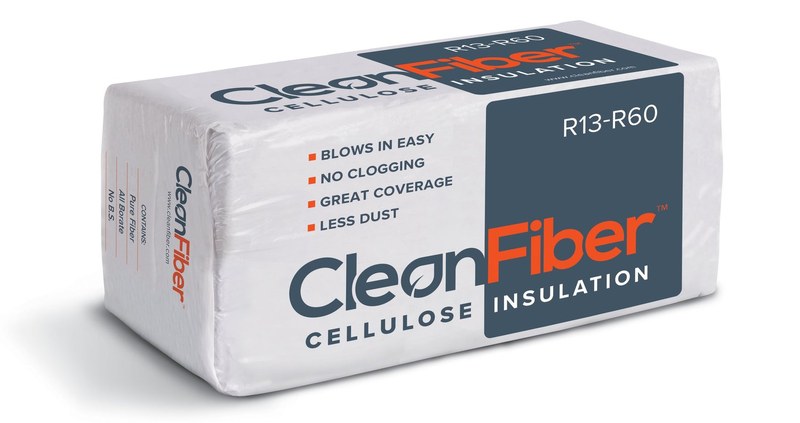
CleanFiber makes high-performance, carbon-negative cellulose building insulation from recycled corrugated cardboard. Using a proprietary wet separation and liquid borate infusion process, it produces a cleaner, lower-dust insulation that performs better than legacy newsprint-based cellulose. Based in Buffalo, New York, the company has scaled rapidly since opening commercial production in 2020 and was named the #1 fastest-growing manufacturing company in America on the 2024 Inc. 5000.
Mote
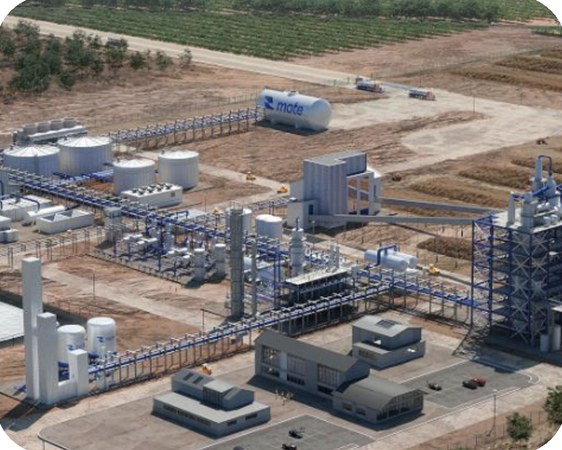
Mote is a Los Angeles-based climate-tech company that turns woody waste biomass into clean biohydrogen while permanently sequestering the carbon. Using a biomass carbon removal and storage (BiCRS) process spun out of Lawrence Livermore National Laboratory, Mote pairs energy production with carbon removal: each utility-scale plant is designed to produce roughly 60 tons of carbon-negative hydrogen per day while removing on the order of 450,000 tons of CO2 a year. The company is developing its first commercial facility near Bakersfield in California's Kern County and a second project in Northern California with the Sacramento Municipal Utility District.