carbon-capture
(13)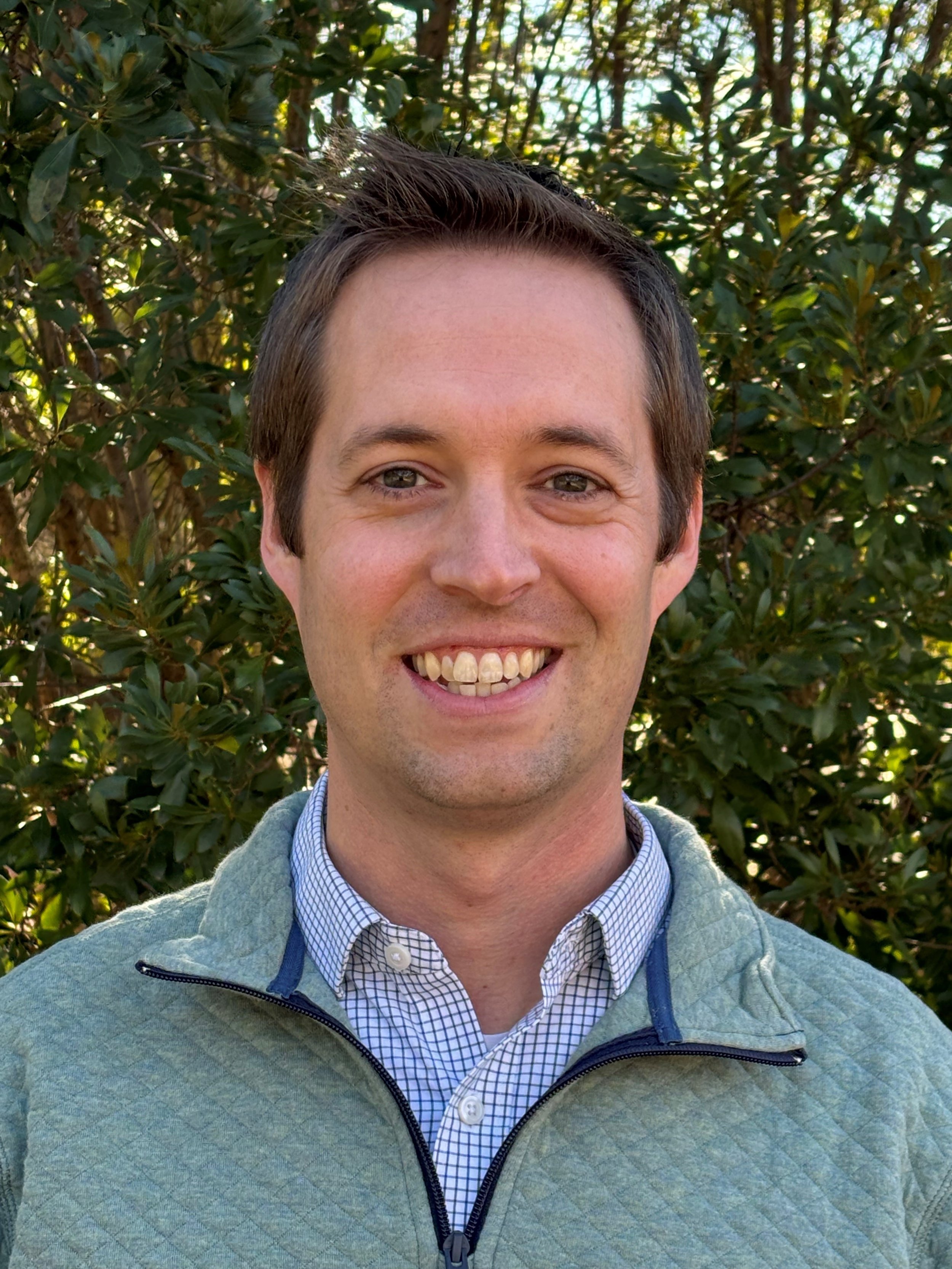
Cory Sanderson Is Trying to Make Carbon Removal Boring Enough to Scale
After years inside industrial gas systems, the Sustaera co-founder rebuilt direct air capture around a stubborn idea: climate hardware wins when the complicated parts disappear.
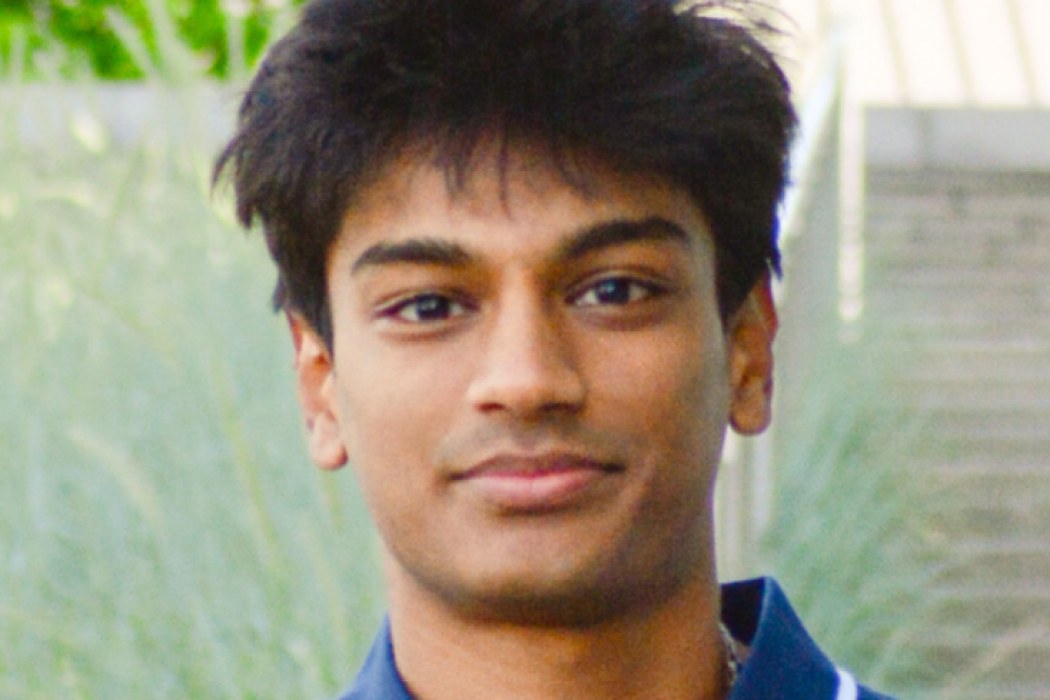
Tarun Batchu
Tarun Batchu is the co-founder and CEO of Vela Energy, a startup building AI execution agents for large-load energy projects - software that reads a project's real records and drafts the procurement, permitting, and engineering work needed to move interconnection queues faster, always stopping for a human to approve. He started chasing energy problems at 12 with a carbon-capture project that reached ExxonMobil, spent his teens in climate policy and community organizing, and studied EECS and business through UC Berkeley's M.E.T. program before raising a $1.3M pre-seed led by a16z Speedrun and Z Fellows.
Ben Hernandez
Ben Hernandez is the founder and CEO of Numat, a Chicago deep-tech company that treats chemistry like software. Numat designs metal-organic frameworks (MOFs), nanoscale materials that capture, hold, and even destroy specific molecules with atomic precision. Trained as an engineer with a law degree and an MBA, and a former private equity investor, Hernandez turned a Northwestern lab idea into the world's first industrial-scale MOF manufacturing campus, powering safer hazardous-gas storage for the semiconductor industry through its ION-X product and pushing toward industrial decarbonization.
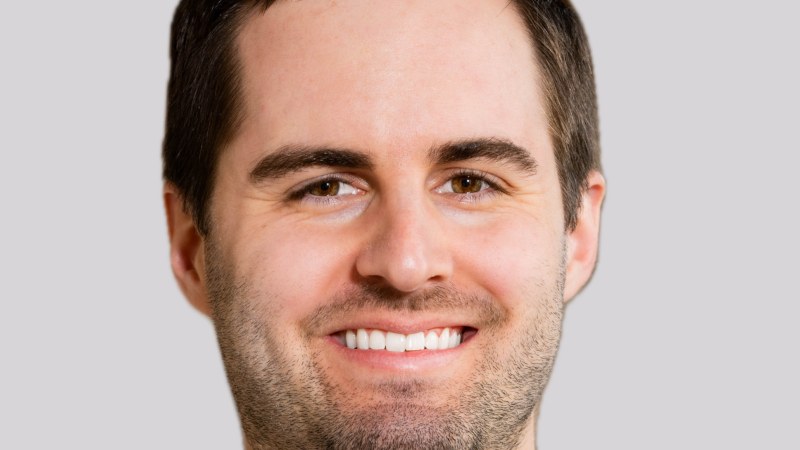
Ryan DuChanois
Ryan DuChanois is the co-founder and CEO of Solidec, a Houston climate-tech startup that spun out of Rice University in 2024. Solidec builds modular reactors that pull molecules from air and water and, using only electricity, make industrial chemicals like hydrogen peroxide on-site - no centralized plants, no long supply chains, no carbon-heavy inputs. A Gates Cambridge Scholar with a Yale PhD and 20 peer-reviewed papers in membrane science, DuChanois traded the academic bench for the factory floor, aiming to abate over a gigaton of carbon emissions a year by reinventing how the world's chemicals are made.
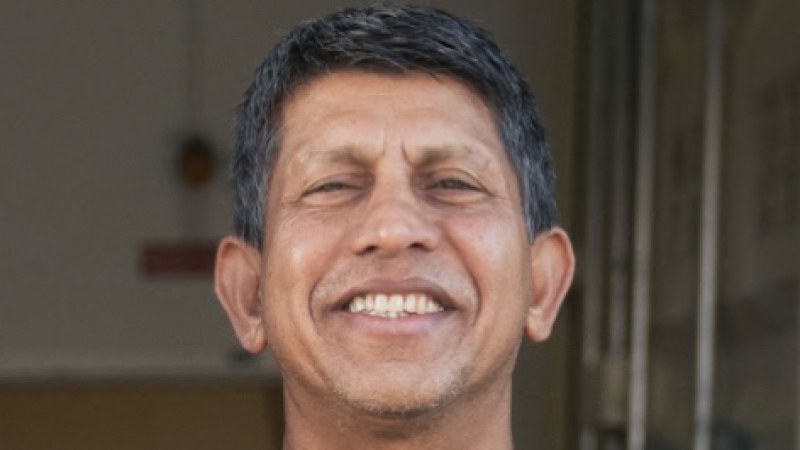
Sudip Mukhopadhyay
Sudip Mukhopadhyay is the CEO and co-founder of AirMyne, a Berkeley-based climate-tech company building liquid-solvent Direct Air Capture (DAC) machines that pull carbon dioxide straight out of the sky. A chemist and engineer with more than two decades in industrial R&D, he co-invented the low-global-warming car refrigerant 1234yf during a 16-year run at Honeywell, where he rose from engineer to corporate fellow and director of innovation. He launched AirMyne in 2022 with co-founder Mark Cyffka through Y Combinator, raising $6.9M in seed funding and a strategic investment from Japanese energy giant ENEOS, with the bet that cheap low-temperature heat (including geothermal) can make carbon removal affordable at industrial scale.
Terry Kennon
Terry Kennon is a chemical engineer turned investment banker turned clean-energy builder who serves as Executive Vice President and Chief Technology Officer of Proteum Energy in Phoenix, Arizona. He took on the President role in March 2019 after roughly four years as CTO. With more than 30 years across chemical engineering, biofuels investment banking at J.P. Morgan, and renewable-energy entrepreneurship, Kennon now leads Proteum's patented technology that reforms renewable ethanol into low-cost, low-carbon hydrogen and 'designer fuels' - and turns wasted flare gas into usable product. He is a named inventor on the company's core patents and directs both its technology roadmap and its intellectual-property strategy.
Joshuah Stolaroff
Joshuah Stolaroff is the co-founder and CEO of Mote, a Los Angeles clean energy company turning woody waste into renewable hydrogen while permanently burying the carbon. A Carnegie Mellon-trained engineer who built one of the first working prototypes for pulling CO2 straight out of the air, he spent eleven years running the carbon capture program at Lawrence Livermore National Laboratory before co-authoring 'Getting to Neutral,' the report that launched the Biomass Carbon Removal and Storage (BiCRS) approach now at the heart of Mote. His aim is blunt: reduce and remove a billion tons of carbon by 2035.

Parker Meeks
Parker Meeks is the President and CEO of Utility Global, a Houston-based clean-energy company commercializing H2Gen, a system that makes low-cost clean hydrogen on-site from industrial waste gases without electrolysis. A Houston native and electrical engineer turned McKinsey partner, he previously led hydrogen fuel-cell maker Hyzon as CEO. At Utility he is steering the company from demonstration into global commercialization, including a first commercial-scale steel project with ArcelorMittal in Brazil.
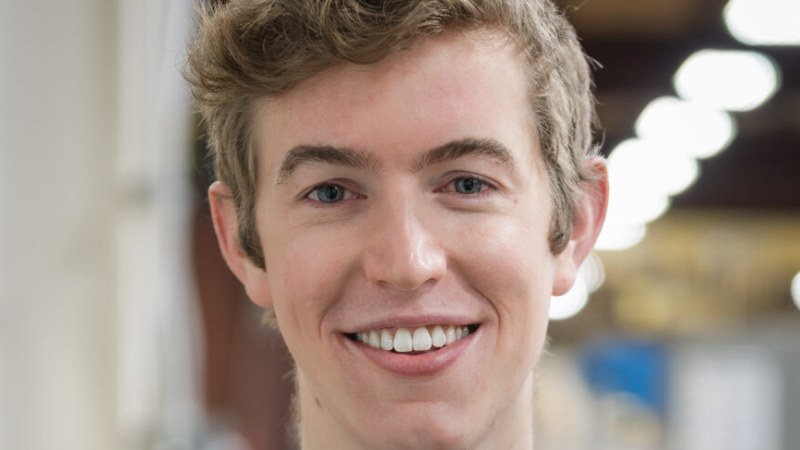
Paul Gross
Paul Gross is the co-founder and co-CEO of Remora, a Detroit-area climate hardware company that bolts a carbon-capture device onto the tailpipes of semi-trucks and locomotives, grabbing the CO2 before it ever hits the sky and selling it as beverage-grade gas to breweries and greenhouses. He read a stranger's PhD dissertation on mobile carbon capture during his senior year at Yale, wrote the author a business plan, and convinced her to quit the EPA to build a company with him. Remora has raised roughly $117 million and signed pilots with Union Pacific, Norfolk Southern, Ryder, Werner, and Cargill.
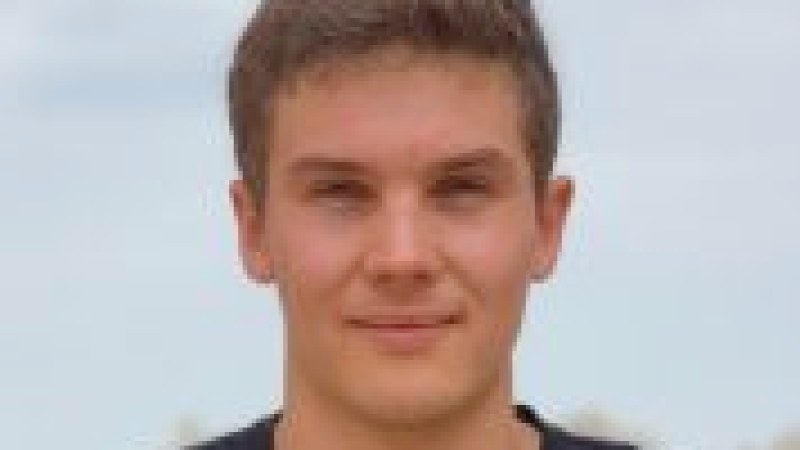
Cameron Halliday
Cameron Halliday is the co-founder and CEO of Mantel, a Cambridge, Massachusetts climate-tech company spun out of MIT's chemical engineering labs. Mantel uses molten borate salts to capture CO2 from heavy industry at high temperatures, recovering most of the energy as usable steam and slashing the cost and energy penalty of carbon capture. Halliday discovered the core material during his PhD at MIT, then co-founded the company in 2022 and raised a $30 million Series A co-led by Shell Ventures and Eni Next.
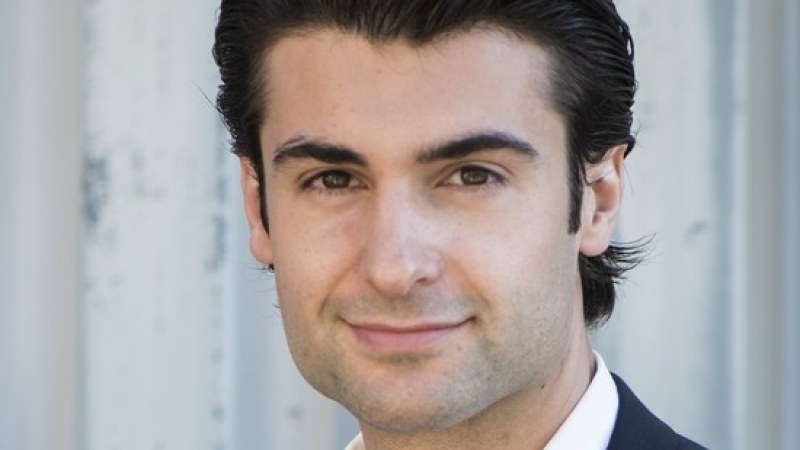
Nicholas Flanders
Nicholas Flanders is the Co-Founder and CEO of Twelve, a carbon transformation company that converts CO2, water, and renewable electricity into sustainable aviation fuel and carbon-neutral chemicals. A Stanford MBA and former McKinsey consultant, Flanders co-founded Twelve (originally Opus 12) in 2015 alongside scientists Dr. Etosha Cave and Dr. Kendra Kuhl to commercialize breakthrough electrochemical CO2 conversion technology developed at Stanford. The company has raised over $790 million, including a $645 million financing round in 2024 led by TPG Rise Climate, and is building AirPlant One - the world's first commercial-scale e-fuels facility - in Moses Lake, Washington.
Ethan Cohen-Cole
Ethan Cohen-Cole is the CEO and Co-Founder of Capture6, a Berkeley-based climate technology Public Benefit Corporation that has cracked one of cleantech's most stubborn puzzles: making carbon removal pay for itself. By integrating direct air capture with desalination brine management, Capture6 turns the costly waste stream of water treatment into a revenue engine - producing fresh water, green chemicals, and permanent CO2 sequestration simultaneously. Before pivoting to climate tech, Cohen-Cole spent 25+ years as a PhD economist, Federal Reserve bank regulator, and finance professor, giving him an unusually rigorous lens on the economics of decarbonization. Capture6 raised a $27.5M Series A in March 2025, backed by Hyundai's ZER01NE Ventures and Tetrad Corporation, bringing total funding to nearly $49M.
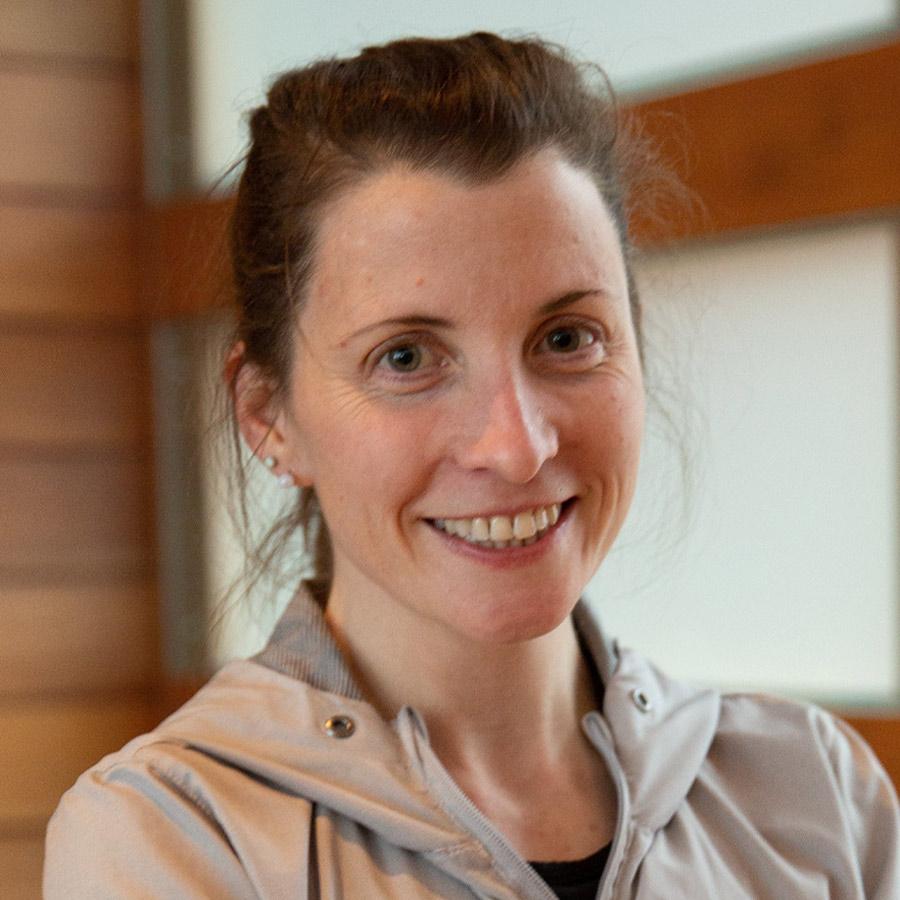
Kathleen Alexander
Kathleen Alexander is co-founder and CEO of Savor, a San Jose-based food-tech startup that makes butter, palm oil, and cocoa butter alternatives from carbon dioxide, hydrogen, and oxygen - no animals, no plants, no farmland. Backed by Bill Gates' Breakthrough Energy Ventures and Synthesis Capital with $33 million raised, Savor commercially launched its carbon-synthesized butter in March 2025 and was recognized in TIME's Best Inventions of 2025. Alexander holds a PhD in Materials Science & Engineering from MIT and is a 2013 Hertz Fellow who grew up in Corvallis, Oregon - famously starting college at 16, dropping out, attending community college, and ultimately earning her doctorate at MIT.