biotechnology-founder
(11)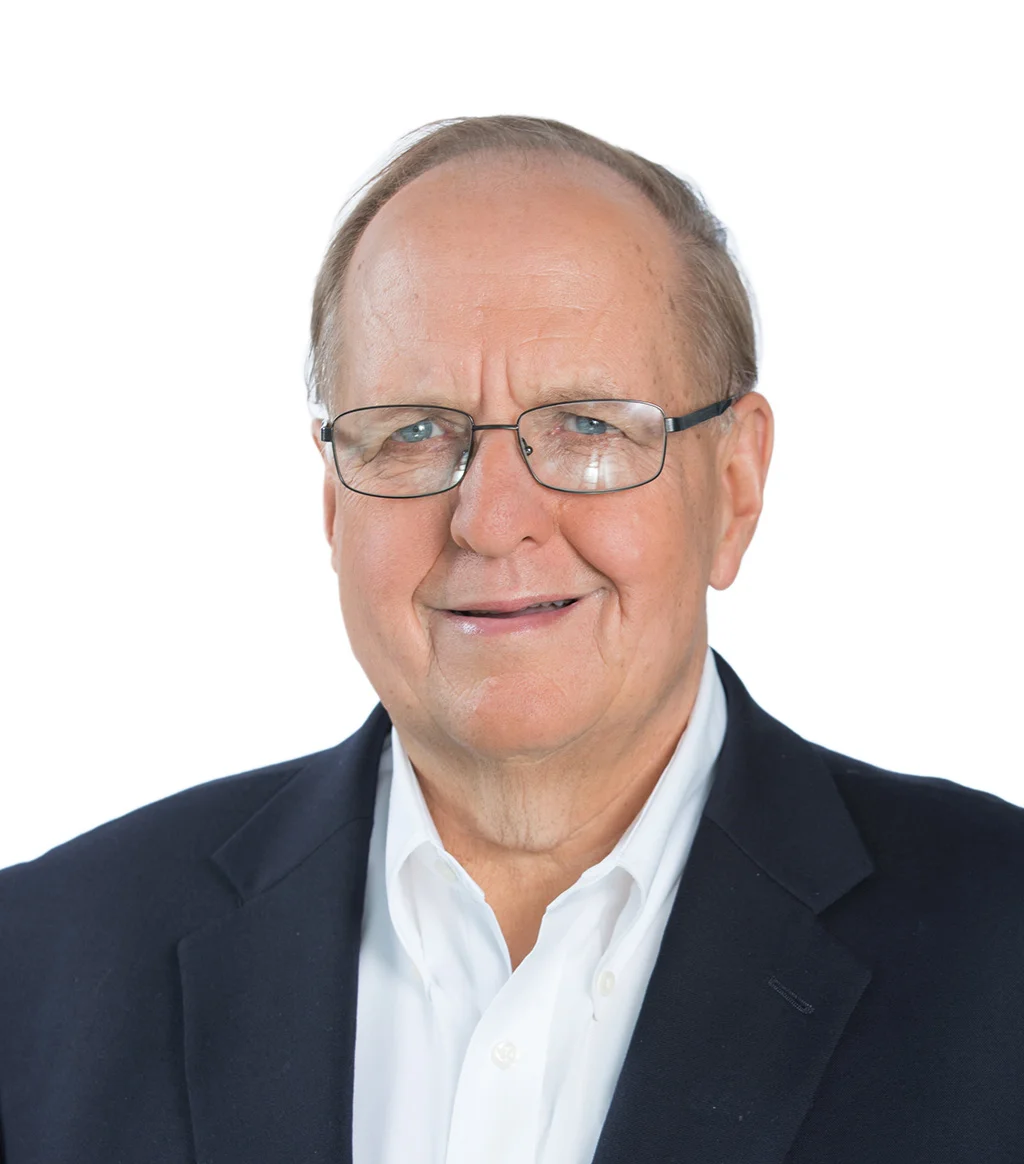
Karl Beutner Spent 350 Trials Learning What Biotech Founders Usually Learn Too Late
Before he became a biotech founder, Karl Beutner built a practice, ran more than 350 clinical trials and helped guide over a dozen products to approval. DermBiont is the latest chapter in a career spent turning small, testable decisions into durable progress.
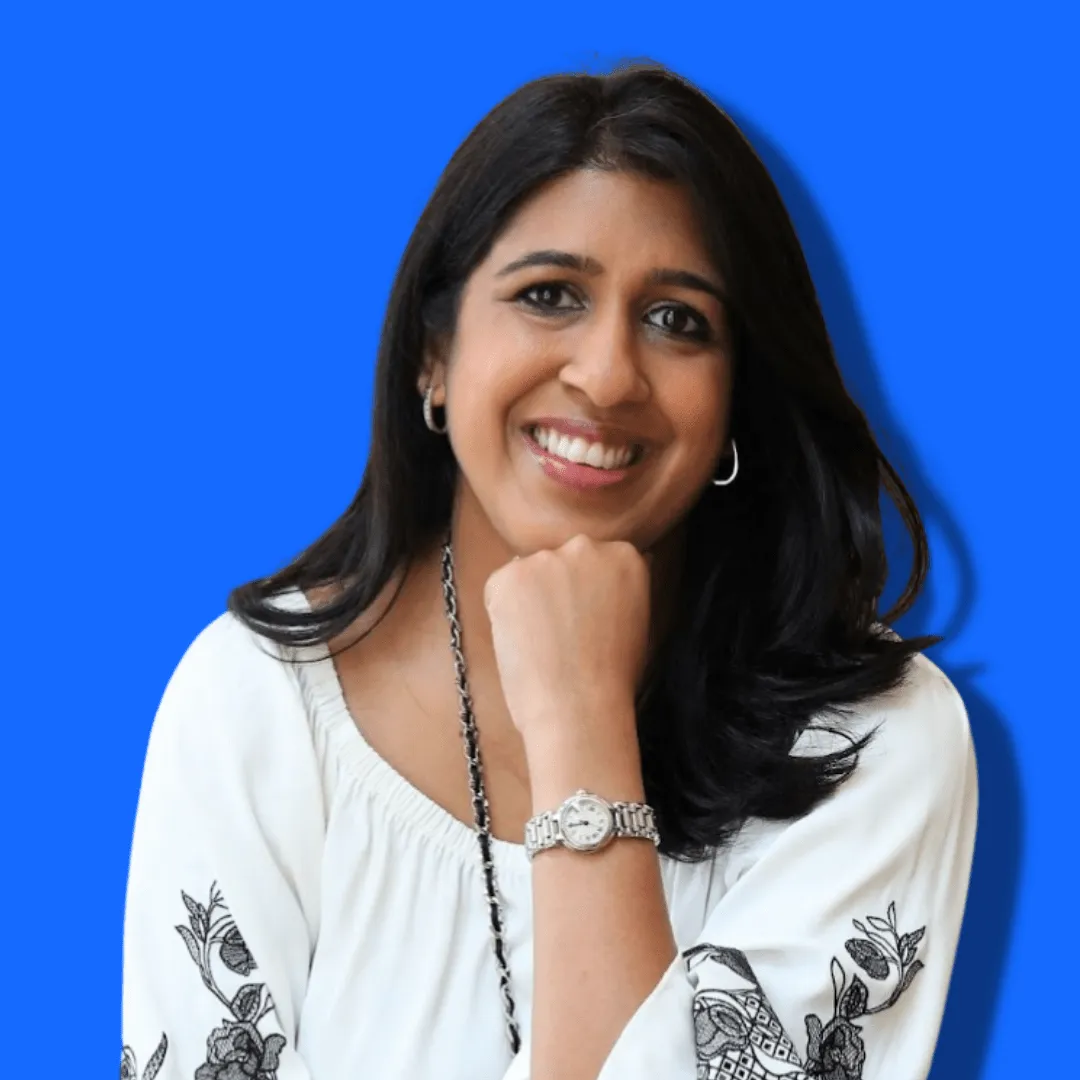
Aparna Divaraniya Turned a Two-Day Science Sprint Into an Eight-Year Company
The scientist who avoided business classes built Oova by treating entrepreneurship like research: assemble the right people, measure what matters, and let the evidence sharpen the idea.
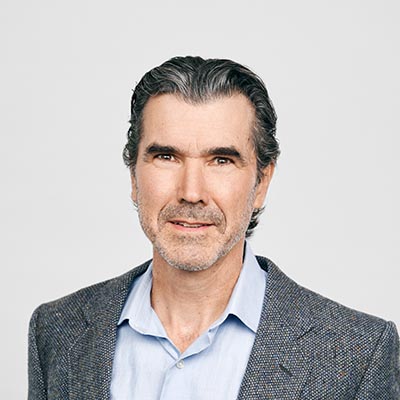
Roland Green Keeps Turning Lab Bench Problems Into Companies
Before Roland Green built antibody platforms, he wrote poetry, chased snow, and taught English in Prague. The same curiosity later turned a graduate-school workaround into NimbleGen - and now shapes how Invenra moves complex biology from bench to business.
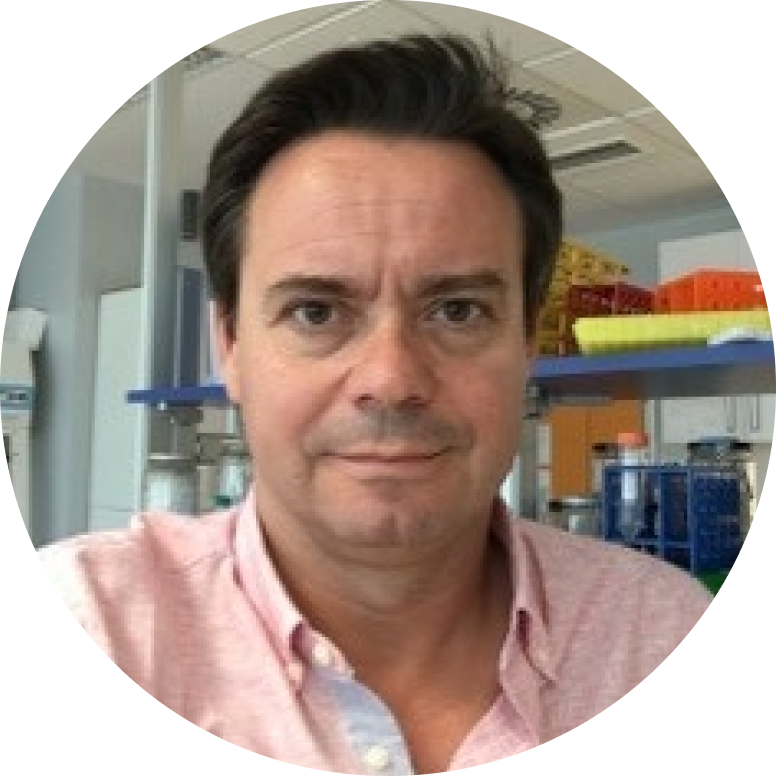
José Luis Mullor Built a Business Around the Question Beauty Brands Cannot Dodge: Does It Work?
For more than a decade, the Bionos founder has turned laboratory methods into a commercial answer to extravagant claims - test the ingredient, test the finished product, and let the evidence speak.
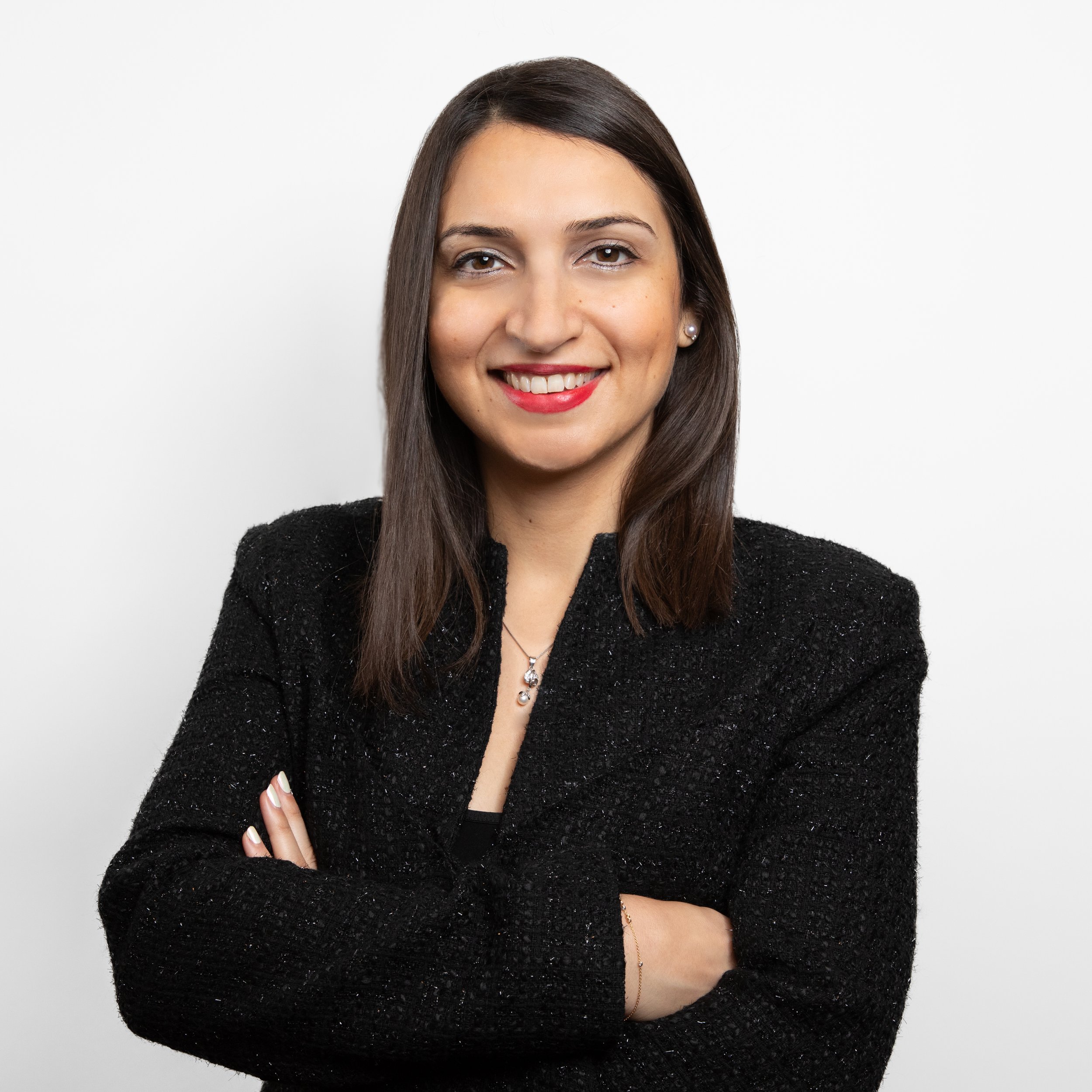
Parastoo Khoshakhlagh Is Teaching Cells to Skip the Waiting
The GC Therapeutics co-founder has moved from neural gels to spaceflight to a library for programming cell fate. Her recurring move is simple to describe and difficult to execute: turn biology's long recipes into instructions.
Adam Kinsey Built His Career in the Space Between the Lab and the Ledger
The Ventrix co-founder trained as an engineer, learned the grammar of patents and then spent more than a decade turning an academic biomaterial into a company built for the long haul.
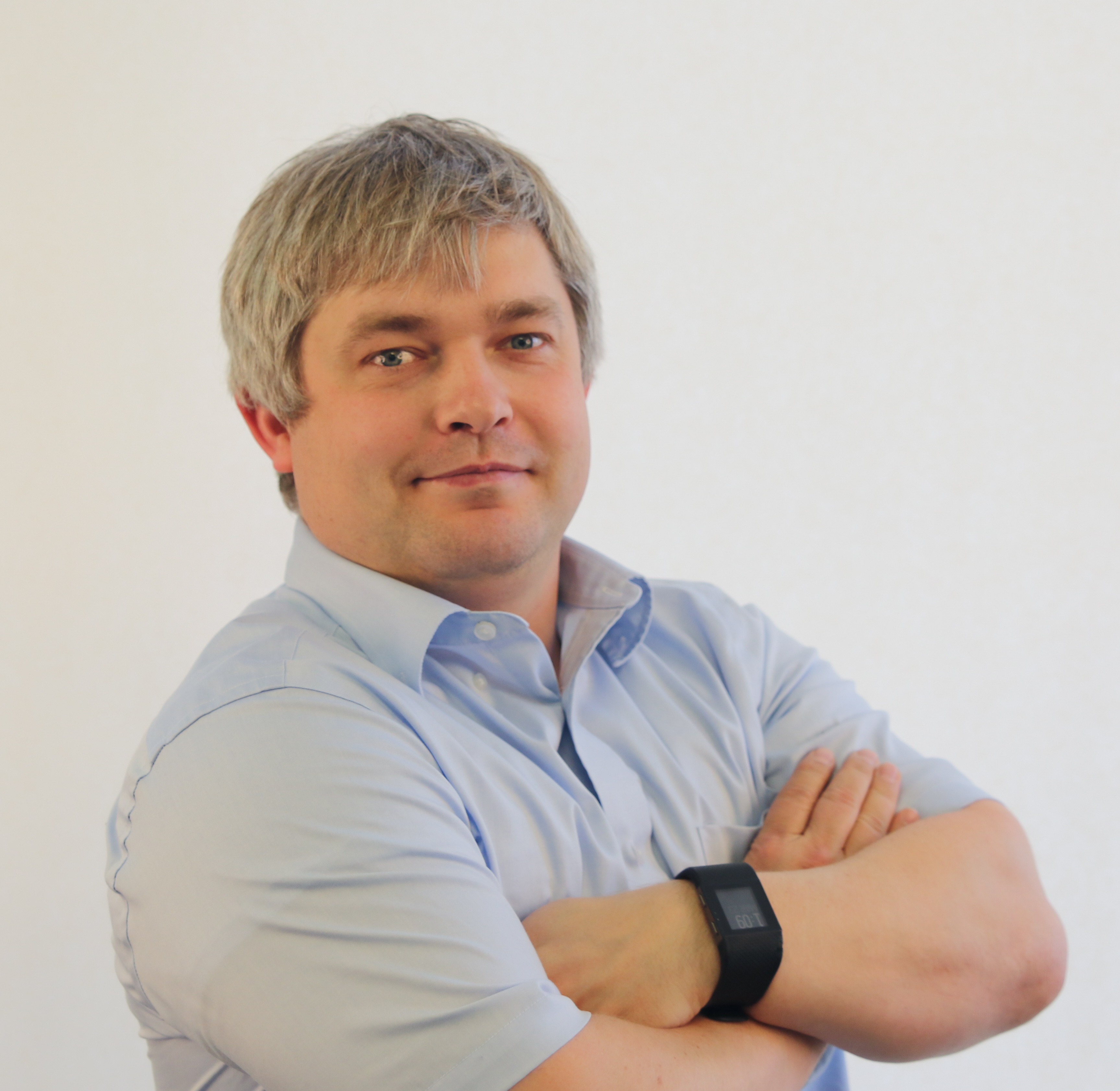
Max Mikheev Is Teaching Oily Yeast a More Valuable Trick
The BIOMEDICAN founder has spent two decades moving between genomes, models and microbes. His current wager is simple to describe and difficult to execute: make scarce compounds in fermentation tanks instead of fields.
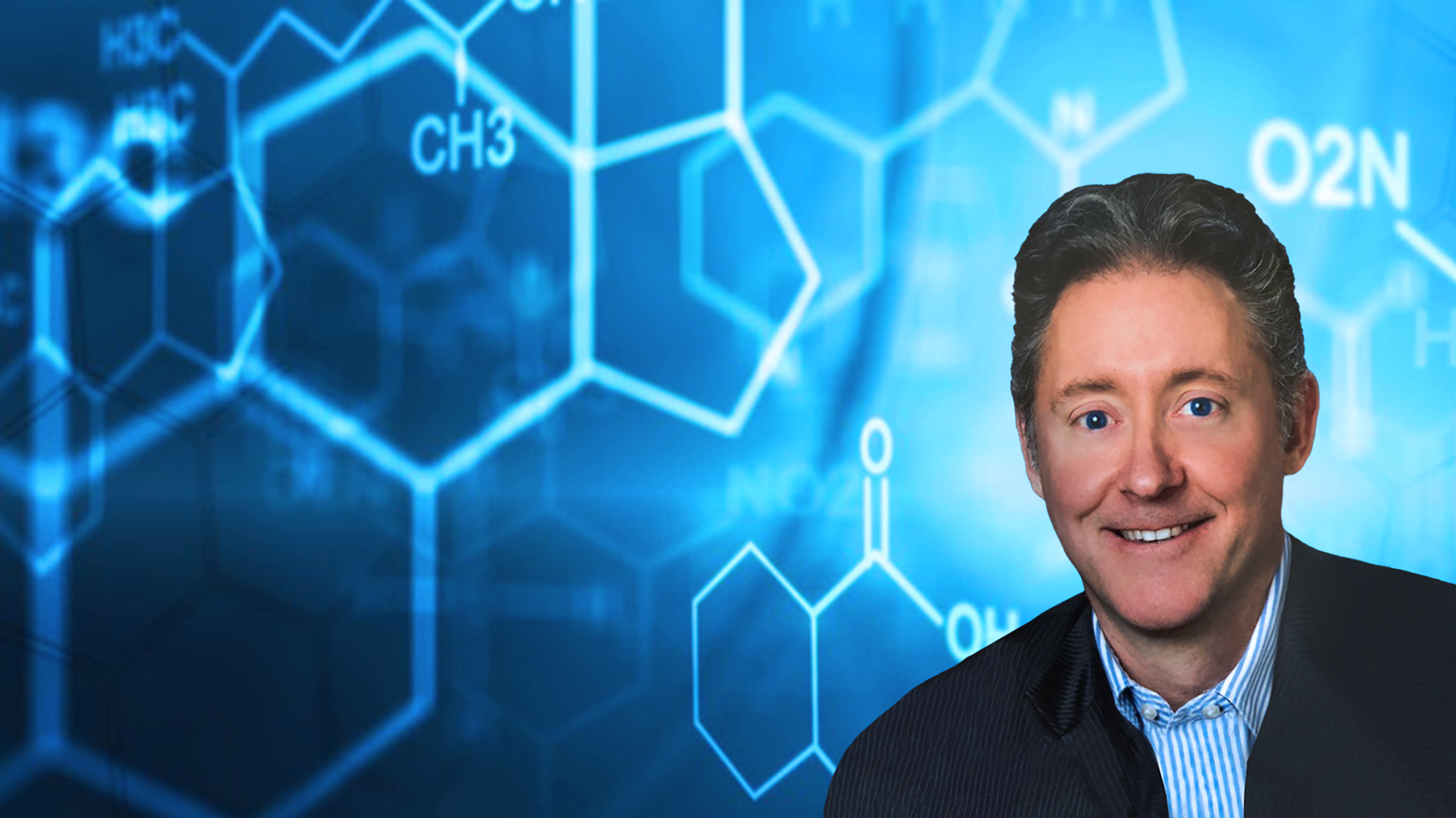
Jim Plante Keeps Changing Industries. The Operating System Stays the Same.
Across radios, road safety, genomics, biotechnology, and financial markets, Jim Plante has kept returning to the same difficult question: how do you turn complicated science into something people can actually use?
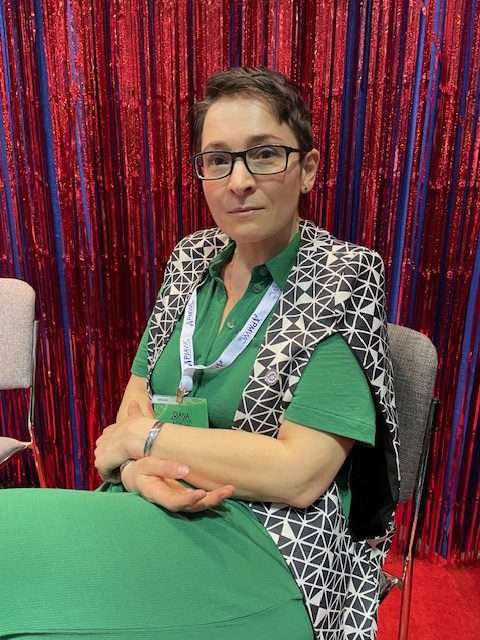
Diana Abdueva Is Teaching Blood to Keep Better Notes
The computational biologist behind Aqtual has spent two decades learning how to pull useful signals from noisy biology. Now she is building a company around a deceptively simple idea: the blood carries a running record of what the body is doing.
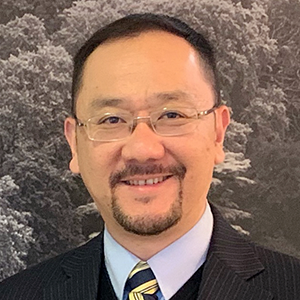
David Ge Builds the Quiet Machinery Behind Liquid Biopsy
Before a genomic test can read a signal, someone has to rescue it from the noise. David Ge has spent his career moving upstream - from interpreting DNA data to engineering the chemistry that decides what reaches the sequencer.
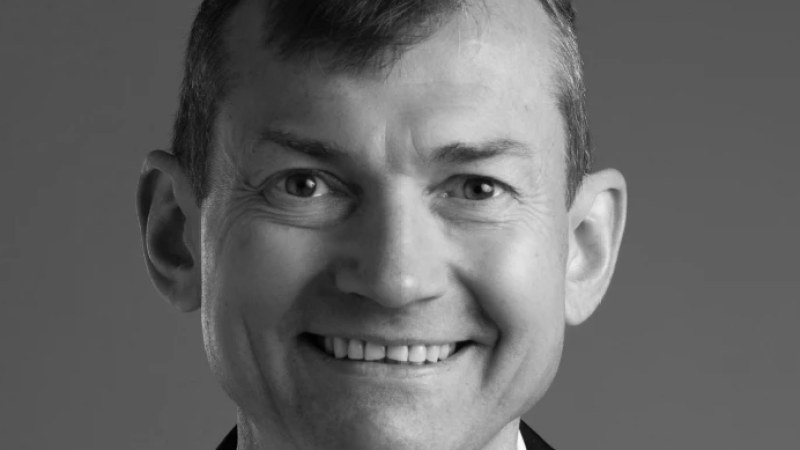
Alexey Lugovskoy
Alexey 'Alex' Lugovskoy is the co-founder and CEO of Diagonal Therapeutics, a Watertown/Cambridge, Massachusetts biotech building 'clustering' antibodies that switch cellular signaling back on rather than block it. A Harvard-trained biophysicist who left physics after deciding green leaves were more interesting than tau neutrinos, he spent two decades in antibody R&D at Biogen, Merrimack, Morphic, and Dragonfly before launching Diagonal in 2022. He has co-invented an FDA-approved cancer drug, authored more than 100 patents and papers, and edits the antibody journal mAbs. In January 2026 Diagonal closed an oversubscribed $125M Series B co-led by Sanofi Ventures and Janus Henderson to push its lead program, DIAG723, into human trials for hereditary hemorrhagic telangiectasia.