b2b-saas-marketing
(24)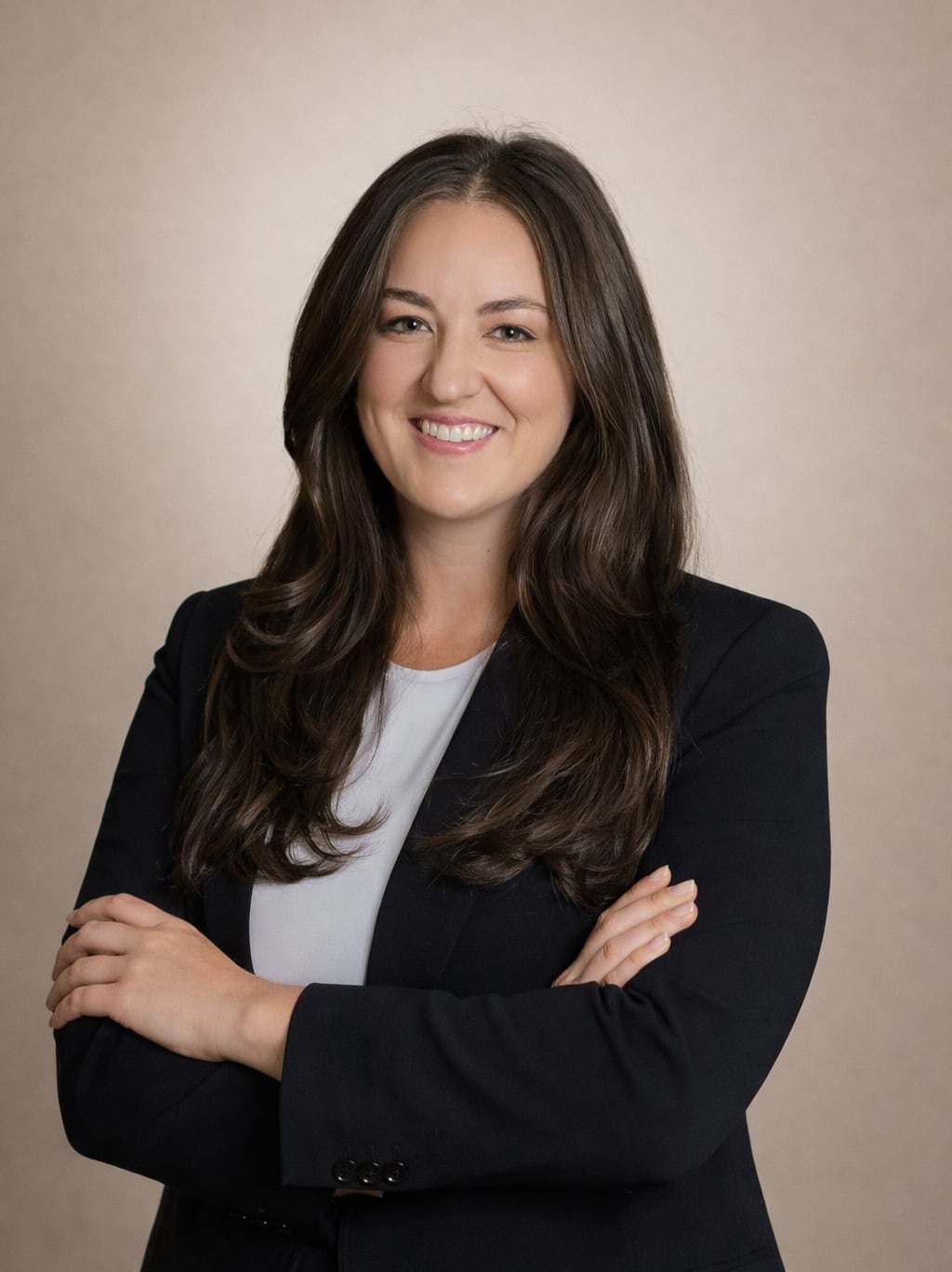
Alexi Hatch Is Racing the Half-Life of Customer Intent
The design-trained CMO of Acoustic has built a career around one stubborn idea: marketing gets better when evidence travels faster than opinion.
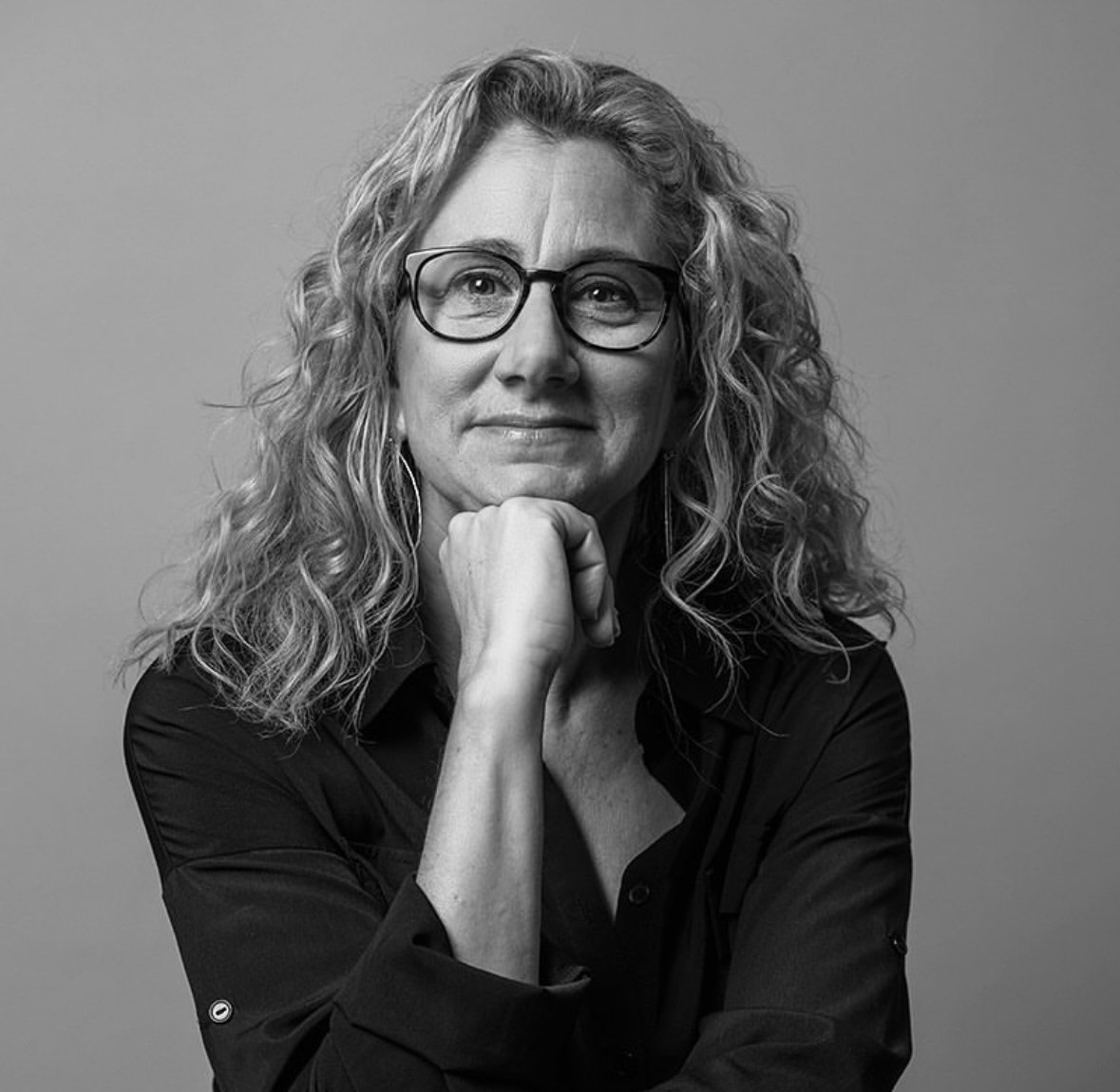
Jill Adams Makes Complicated Software Companies Easier to Understand
After three decades in B2B technology, the HeroDevs CMO has reduced her operating philosophy to a clean test: keep what works, remove what does not, and never lose the people inside the system.
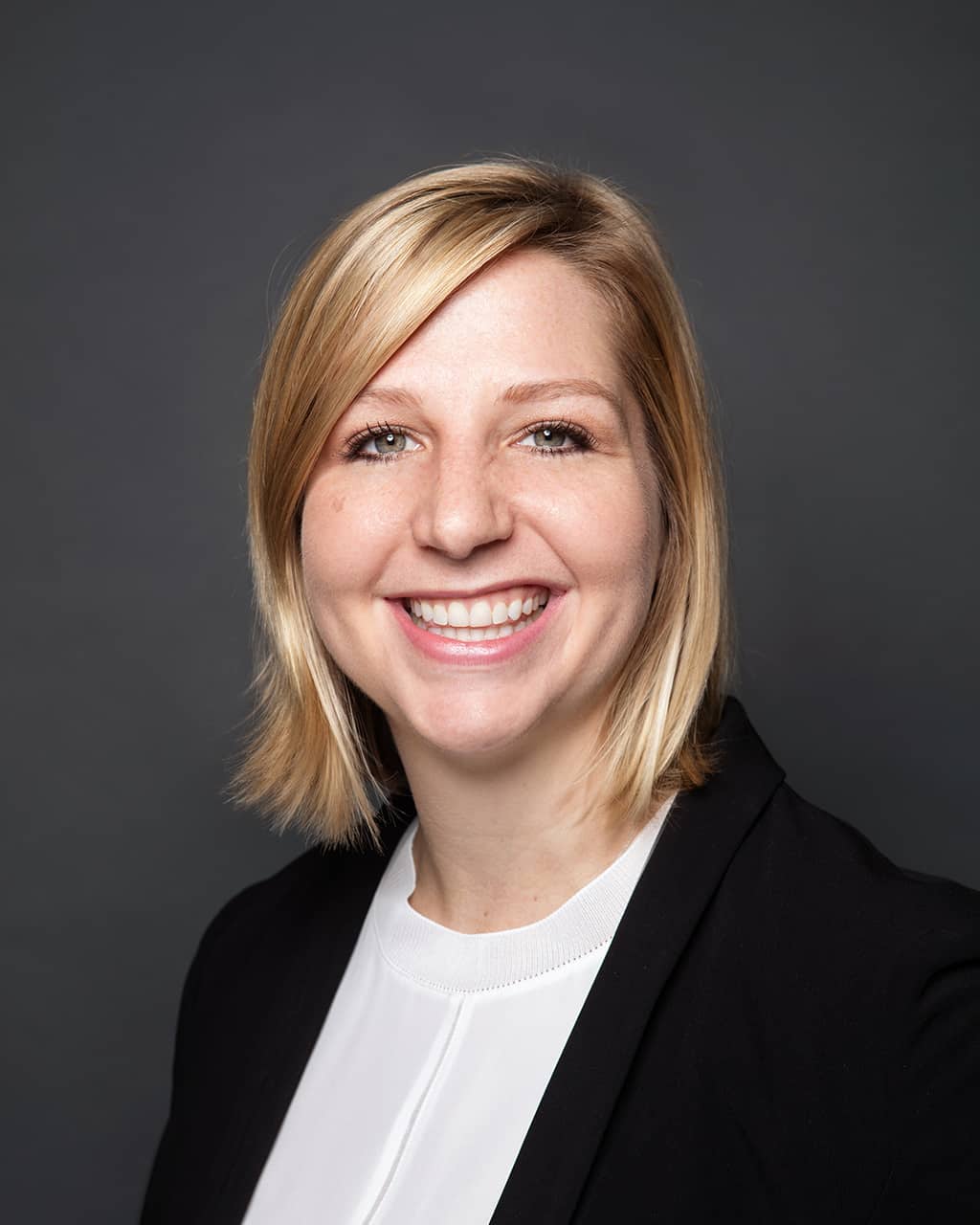
Katie Fairchild Runs Marketing by the Numbers - and Keeps Finding Another Gear
The first CMO of Buyers Edge Platform has spent nearly two decades turning complicated software into useful stories. Her résumé has an unexpected metronome: a mathematics master’s, four faster marathons, and a habit of making growth measurable.
Tess Mitchell Has Spent 30 Years Marketing the Moment Before the Stakes Become Real
From patient simulators to remote exams, the Honorlock CMO has built a career around technology used when people are being tested - and the small human details that keep the machinery from taking over.
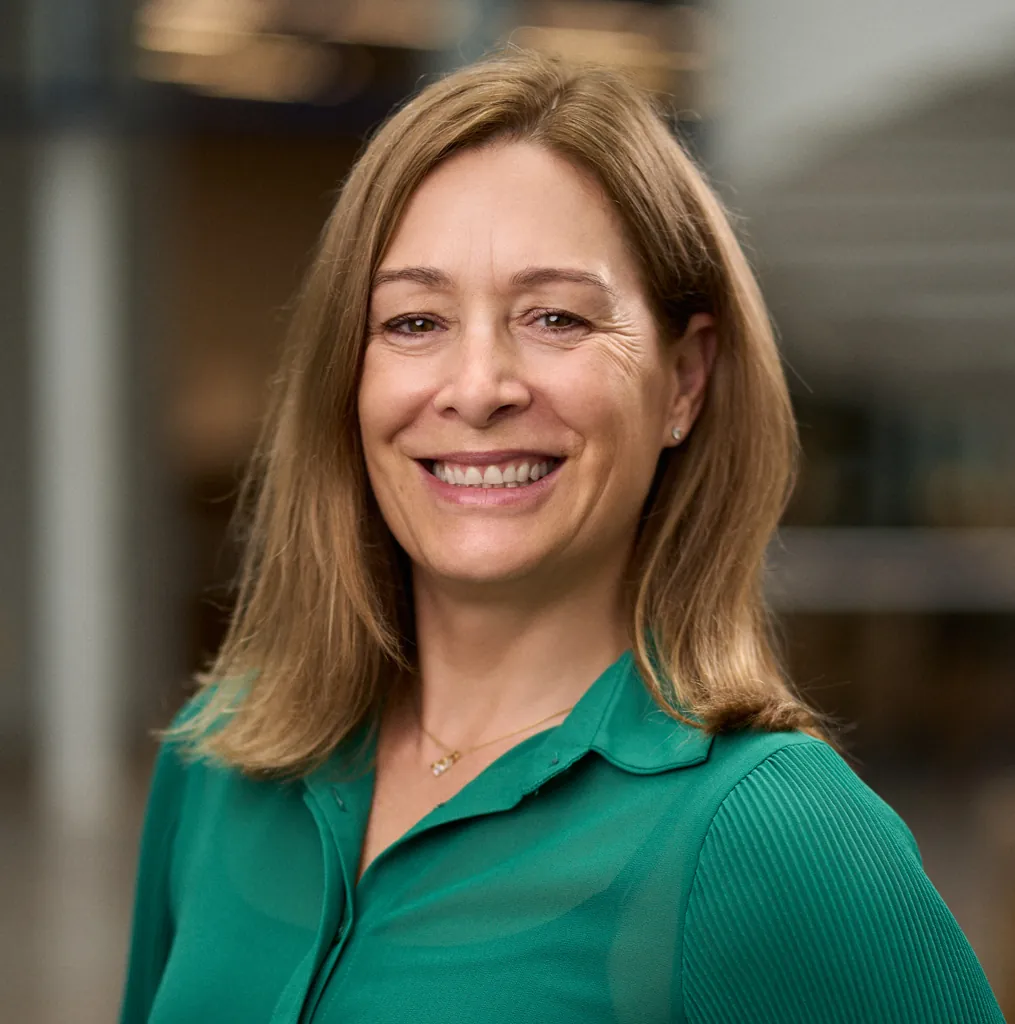
Debbie Umbach Put an Engineer's Question at the Center of Marketing: Why?
The M-Files CMO learned to speak before every thought felt perfect. Now she is teaching a global marketing team to question the machine, measure the outcome, and keep the people in the system.

James O’Connell-Cooper Has Spent Two Decades Marketing the Work Behind the Work
From explaining the price of soy milk on New Zealand radio to leading growth marketing for vertical software in America, James O’Connell-Cooper has built a career around a deceptively hard brief: make useful systems feel human.
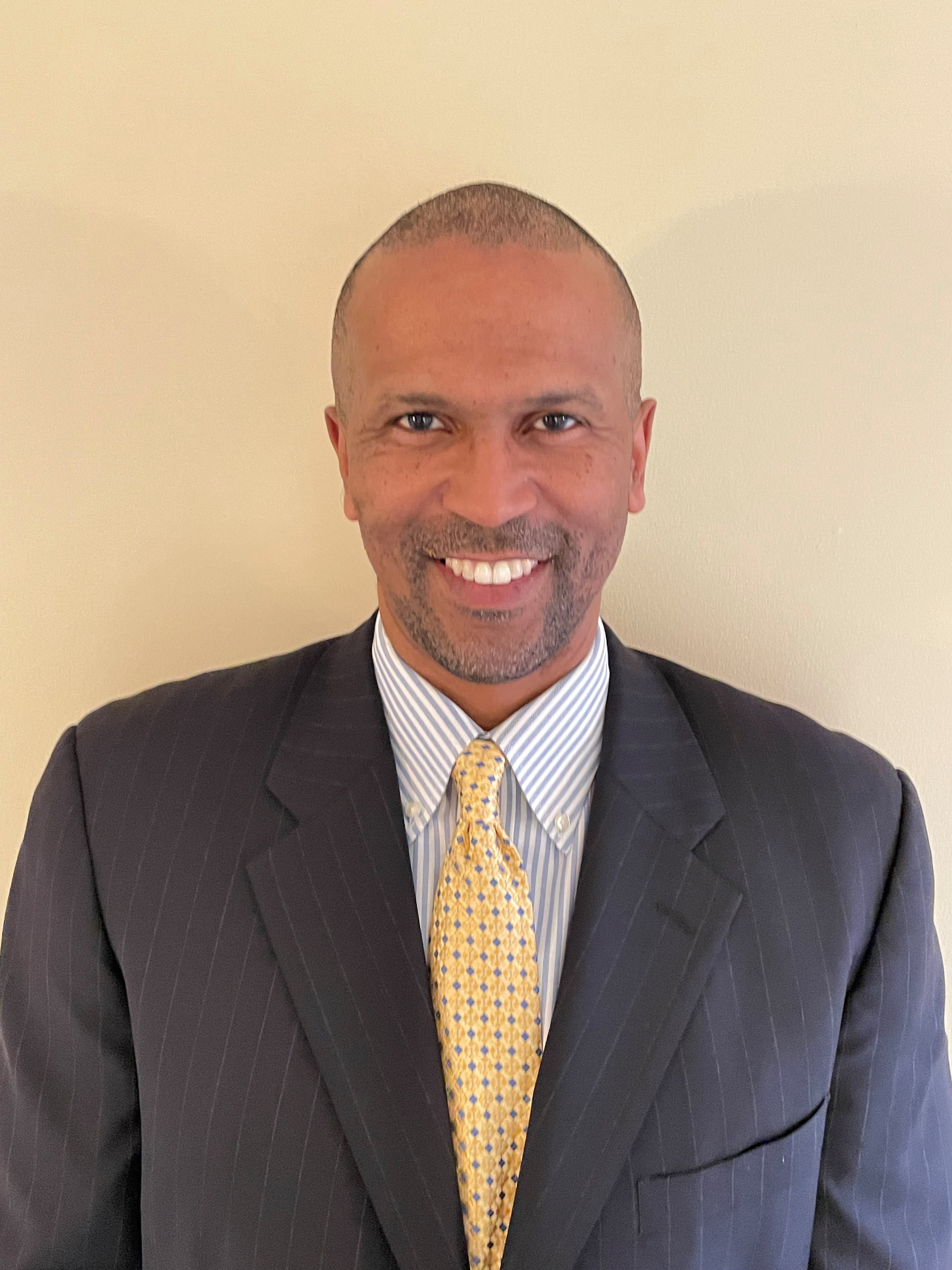
Don Polite Keeps Moving the Ball
From a Big Ten court to Disney, Warner Bros., Johnson Controls and SKYGEN, Donald Polite has built a career on a deceptively simple idea: good marketing begins when the organization learns to listen.
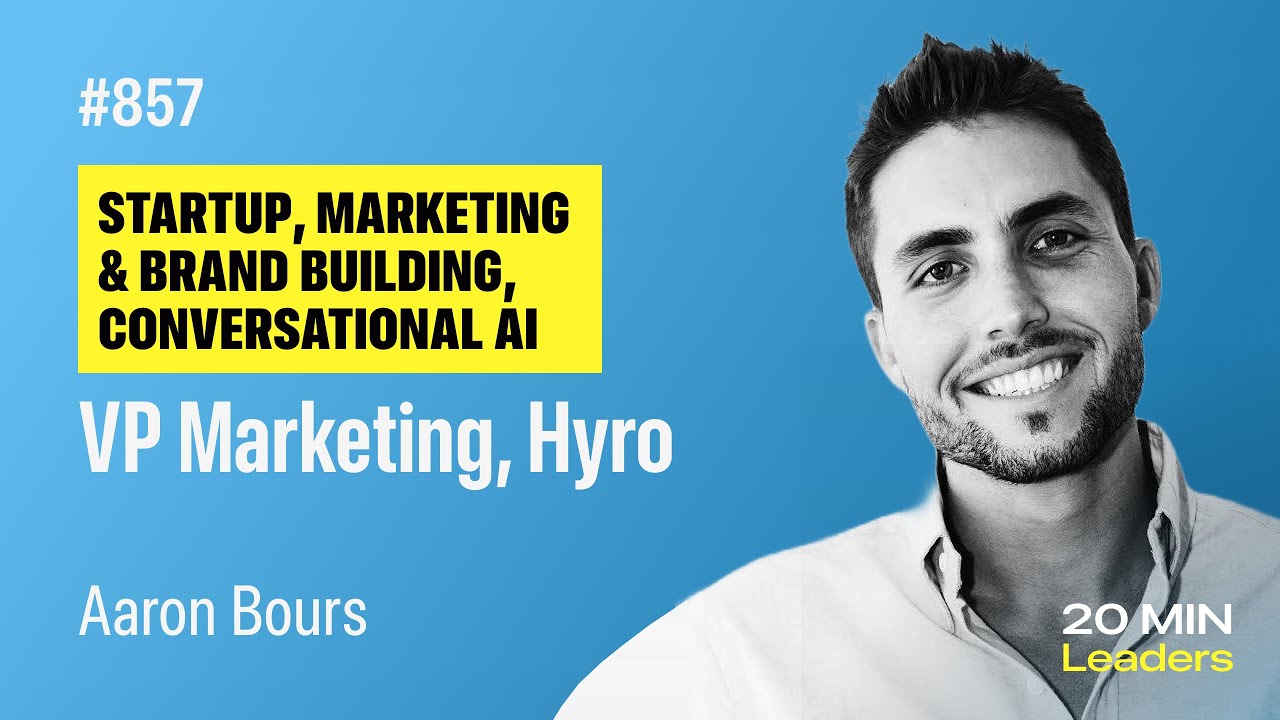
Aaron Bours Wants Enterprise AI to Earn Its Place in the Room
Hyro's chief marketing officer built his career by taking the scenic route through sales, product, and conversational AI. His argument for enterprise marketing is refreshingly strict: bring personality, bring proof, and make every promise survive the spreadsheet.
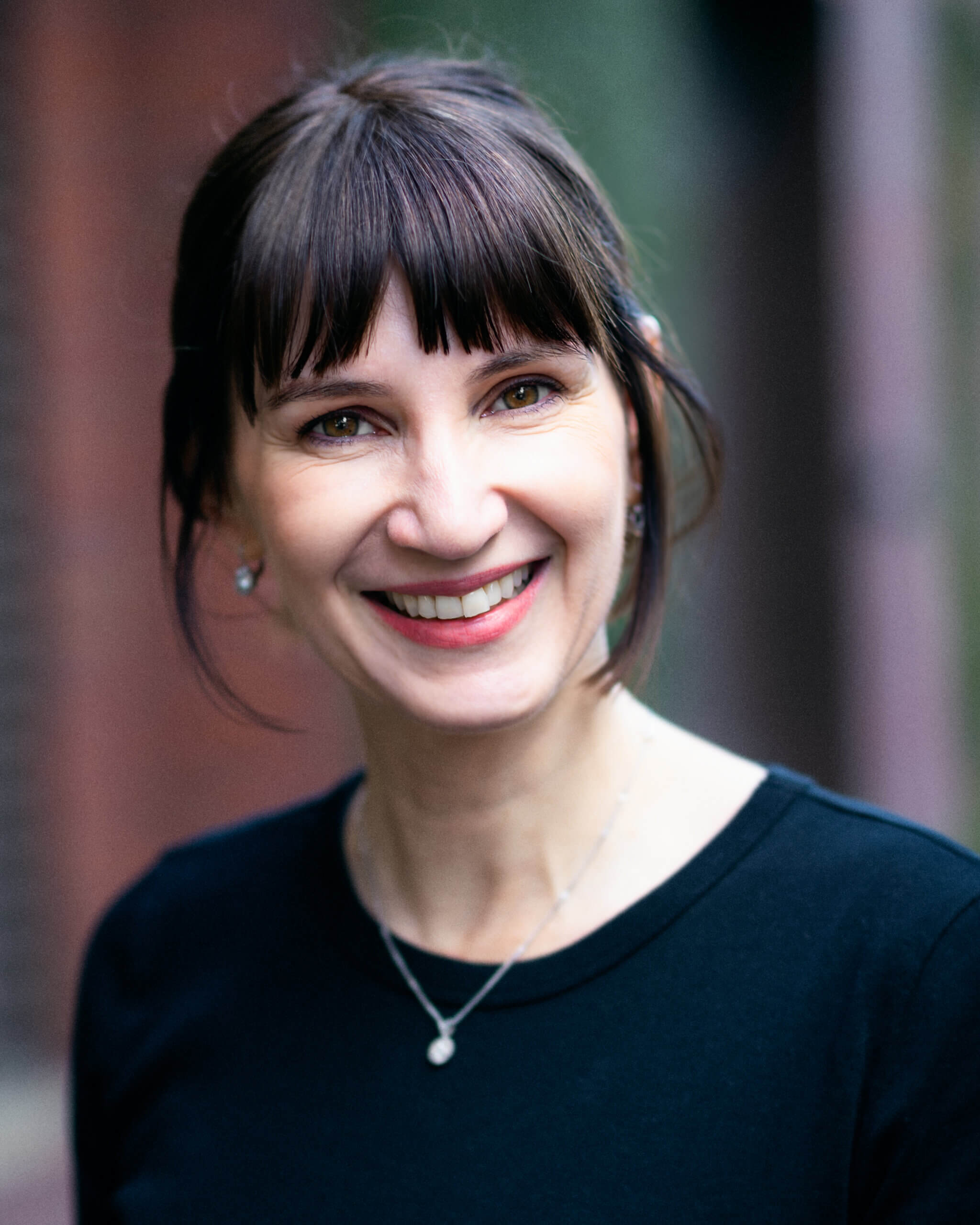
Christel Billault Planned a Pause. Then Mentoring Changed the Plan.
After 25 years in B2B SaaS, Billault set out to trade the operating cadence for advisory work, family travel and a little French sunshine. An unexpected invitation from Chronus turned the pause into a new chapter in mentoring and HR tech.
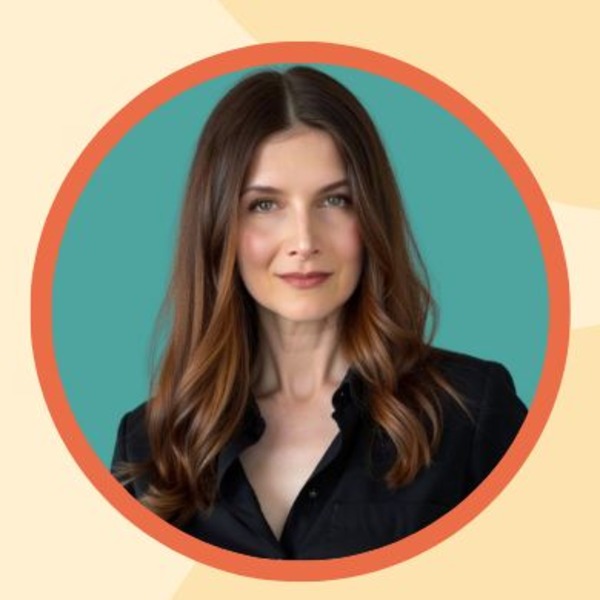
Jennifer Schiffman Turned an Art-History Eye Into a SaaS Growth Engine
She planned to curate museums. Instead, Jennifer Schiffman learned to curate markets - building software brands through acquisitions, exits and reinventions, while keeping one microphone open for the comic dramas of Pittsburgh suburbia.

Sarah Hodges Put On the Boots Before She Wrote the Message
The UKG chief marketing officer built her career by leaving the conference room - onto construction sites, into product teams, and closer to the people her companies serve.
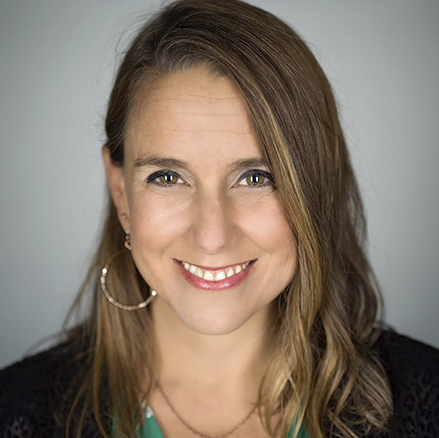
Tracy Pullman Took the Layoff Personally - Then Built the Job She Had Never Planned to Want
A pub job led her to HTML, HTML led her to Apple, and a layoff led her somewhere stranger: into a business of her own. Tracy Pullman’s career is a study in doing the uncomfortable thing before certainty arrives.
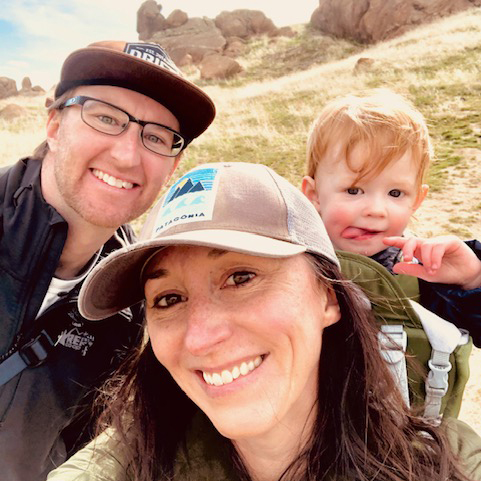
Erin Stender Has Been Training for the Long Game
The Omatic CMO has spent two decades turning complex software into a human story. Her other enduring project - from a Boston Marathon pact to a youth-sports board seat - is making movement feel possible.

Grace Bacon Is Teaching AI to Remember the Customer
After a career spanning Quartz, Showpad, and BlueConic, Grace Bacon has arrived at a useful conviction: faster marketing means little if the machine has forgotten the person.

Shawn Herring Would Rather Be Less Wrong Than Loudly Right
A biology student became a B2B SaaS operator by treating every campaign as a hypothesis. At EZO, Shawn Herring is still testing - now with brand trust, asset intelligence, and the cost of being confidently wrong.
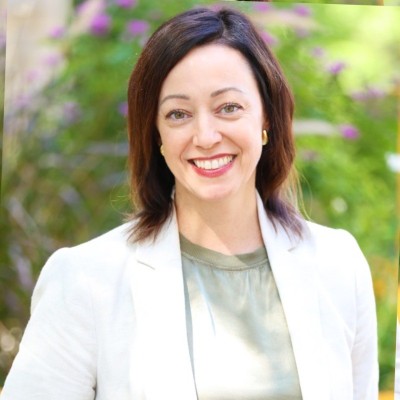
Jennifer Zember Is Teaching Old Research to Answer New Questions
After two decades in B2B software, the Atlanta marketing executive has arrived at a deceptively human problem: companies keep forgetting what their customers already told them.
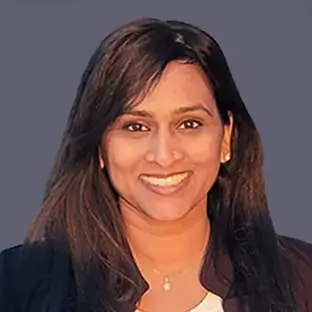
Susmitha Vakkalanka Learned the Machine - Then Learned How to Explain It
Before she marketed software delivery, Susmitha Vakkalanka built software. Her route from Intel engineer to Opsera CMO explains why her favorite marketing material is not decoration, but a complicated system made legible.
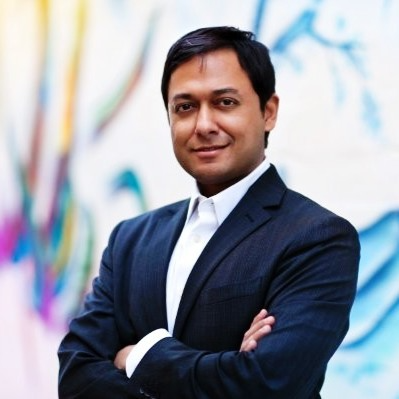
Nipul Chokshi Keeps Turning Data Into Decisions People Can Use
An electrical engineer became a marketer by learning where signal ends and noise begins. Across Marketo, Yammer, Lattice, Atrium and now Fourth, Nipul Chokshi has built a career around making complicated products useful, legible and hard to ignore.
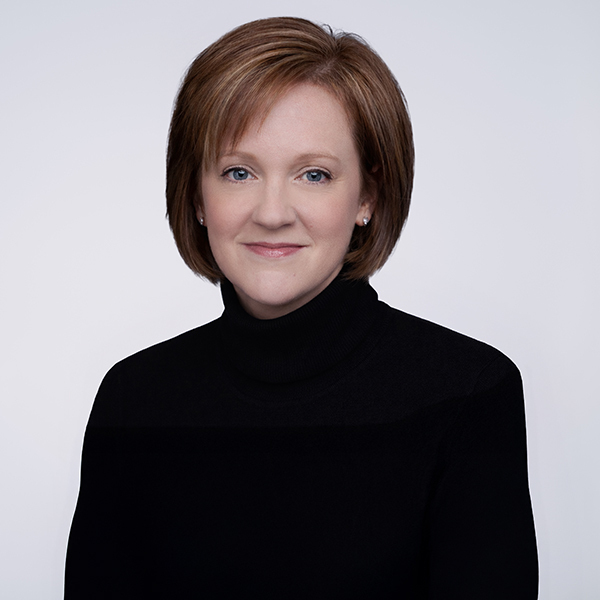
Shannon Karl Learned to Sell the Internet. Now She Markets the Invisible Machinery Behind Modern Commerce.
Before enterprise SaaS, Shannon Karl wrote books that taught people how to use the early web. Three decades later, the Tecsys CMO is still doing the same essential job: turning complicated systems into practical stories people can trust.
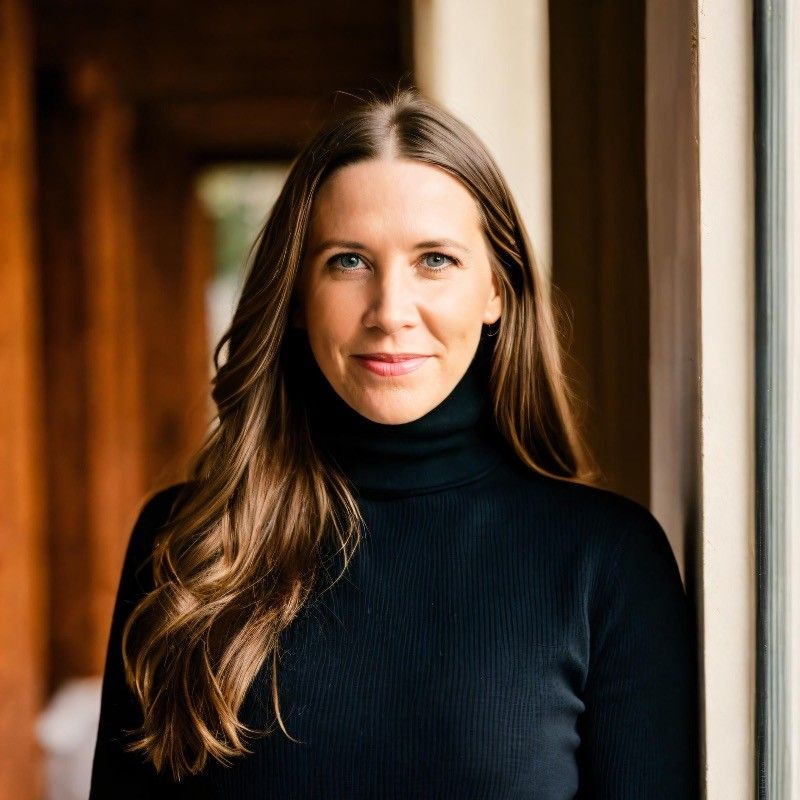
Stephanie Atkin Makes the Invisible Work Visible
The apexanalytix CMO has spent more than two decades turning complicated systems into stories people can act on. Her second job - chairing the board of an $8 billion credit union - reveals the same instinct from another angle.
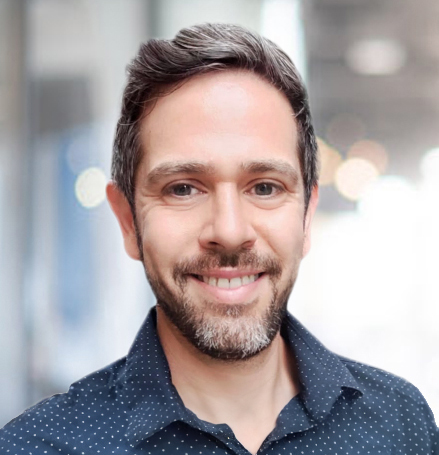
Omri Erel Has Spent 19 Years Turning Startup Chaos Into a Growth System
Before cybersecurity, Omri Erel built demand engines across some of SaaS's busiest growth stories. His recurring subject is not the polished company seen from outside, but the people, data, and useful disorder that make it work.

Scott Davis Keeps Asking the Question Software Forgets: Does It All Connect?
From a nine-year SAP run to rebuilding Calero's marketing stack and explaining AI governance at Stonebranch, Davis has made a career of translating complex systems into a sequence people can actually follow.

Andrea Brody Learned Marketing at the Mall - Then Took It Global
A student experiment with her sister became a career-long study of why people buy. Decades later, Brody is still turning curiosity into growth - across software companies, sales teams and a risk market with no single obvious buyer.
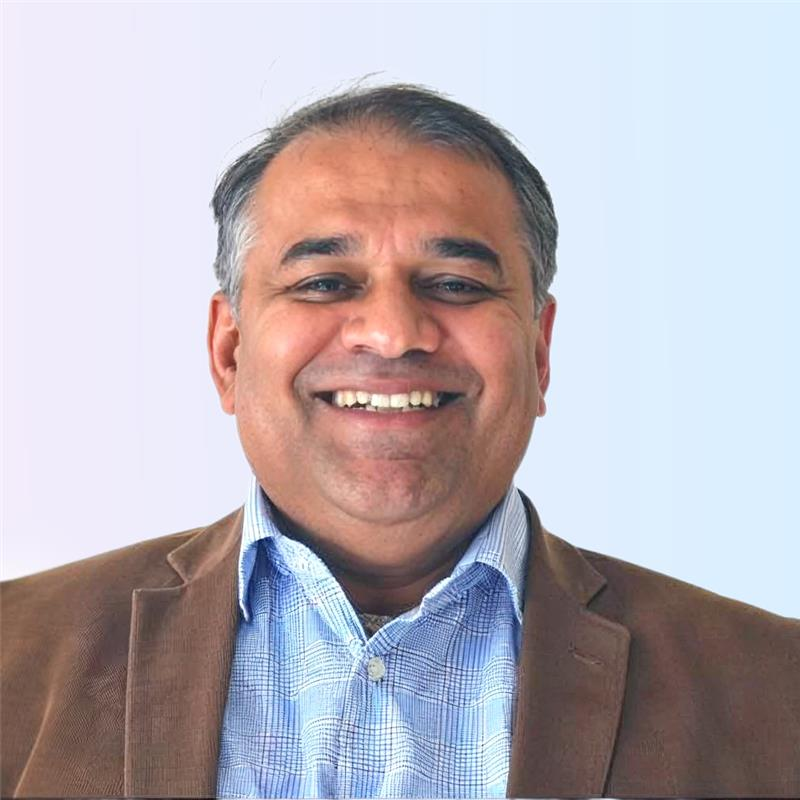
Gaurav Verma Built a Marketing Engine From the Wiring Out
Before he sold enterprise AI, Gaurav Verma built software, advised Oracle clients and learned harmonium. The same instinct connects it all: understand the machinery, then make it legible.