athletic-footwear
(14)
DICK’S Sporting Goods put the store back in play.
A climbing wall is an odd thing to put in a shop. For DICK’S Sporting Goods, it explains a business built around getting people off the sidelines - and the expensive challenge of taking that idea global.
SVP Sports Built a 40-Year Retail Business on One Unfashionable Skill: Buying What Other Stores Miss
The Toronto retailer does not manufacture the sneaker or own the team logo. It wins in the less glamorous middle - spotting supplier deals, buying volume and turning leftover uncertainty into a reason to come back.
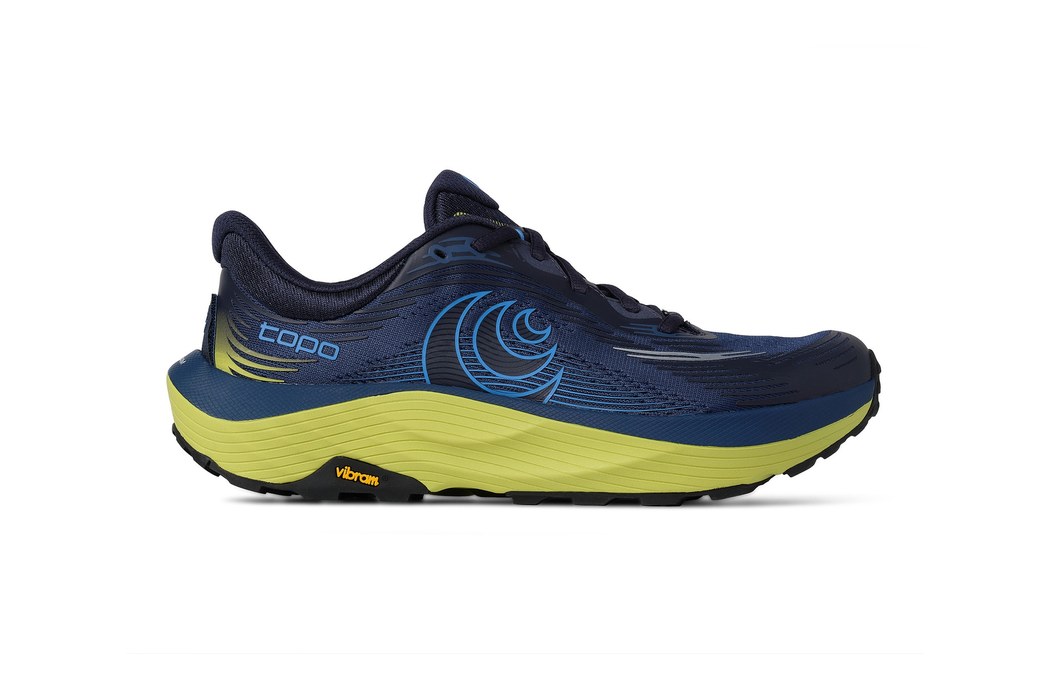
The Ex-Vibram Boss Who Bet Runners Wanted Room to Wiggle Their Toes
Tony Post spent 30 years selling other people's shoes. Then he built one shaped like an actual foot - and turned a run-specialty cult following into a DSW acquisition.
DICK'S Is Turning the Sporting-Goods Store Into a Playing Field
A $300 bait-shop bet became a sports retail platform. Now DICK'S is testing a larger idea: the store as clubhouse, playground, media set and front door to a global sneaker business.

The Sneaker Shop That Runs Its Own Radio Station
How a single Baltimore shoe store became a 250-location fixture of American sneaker culture - and why it plays its own soundtrack.
Brooks Running
Brooks Running is a Seattle-based company that designs and sells performance running shoes, apparel, and accessories, and does nothing else. A subsidiary of Berkshire Hathaway, it narrowed its focus to running in 2001 and turned a near-bankrupt shoe maker into a category leader, closing 2025 with roughly $1.5 billion in revenue and its ninth straight year of growth. Its core franchises - the Ghost, Glycerin, and Adrenaline GTS - anchor the No. 1 position in U.S. specialty running retail, built on cushioning and support technologies like DNA LOFT, BioMoGo DNA, and GuideRails.
Foot Locker
Foot Locker, Inc. is a leading specialty retailer of athletic footwear, apparel, and accessories, connecting sneaker culture and sports lifestyle to consumers through roughly 2,400 stores across about 20 countries plus digital channels. Founded in 1974 as a division of the Kinney Shoe Corporation, the company operates a portfolio of banners - Foot Locker, Kids Foot Locker, Champs Sports, WSS, and atmos - and built its reputation on exclusive product launches, close ties to brands like Nike, and its striped, referee-styled store associates. In September 2025, Foot Locker was acquired by DICK'S Sporting Goods in a roughly $2.4 billion deal, becoming a subsidiary while retaining its brand banners.
Gazelle Sports
Gazelle Sports is a Michigan-based specialty running and active-lifestyle retailer founded in Kalamazoo in 1985. With seven stores across West and Southeast Michigan plus an online shop, it sells running shoes, soccer gear, apparel and accessories, and pairs product with expert fittings, training programs and community events. In 2024 it became 100% woman-owned and operated, led by CEO Jennifer Brummitt and CMO Cara Cross, and its mission is simply to inspire others to move.
JD Finish Line
JD Finish Line is the North American athletic footwear and apparel arm of UK-based JD Sports Fashion plc. Founded in Indianapolis in 1976 and built into a national sneaker chain under the Finish Line name, the business was acquired by JD Sports in 2018 for about $558 million. It sells premium multi-branded athletic footwear, apparel and accessories through Finish Line stores, Finish Line shop-in-shops inside more than 450 Macy's department stores, a growing fleet of JD-branded stores, and the finishline.com e-commerce platform. As of 2025 JD Sports is retiring the standalone Finish Line mall banner in favor of the JD nameplate while keeping the Finish Line brand alive inside Macy's.
Mizuno USA
Mizuno USA is the North American arm of Mizuno Corporation, the Osaka-founded sporting goods maker established in 1906. Headquartered in Peachtree Corners, Georgia, it designs, manufactures and distributes running, baseball, fastpitch and slow-pitch softball, golf, volleyball, and tennis equipment, footwear and apparel for the U.S. market. Known for its RunBird logo and signature Wave and Enerzy cushioning technologies, Mizuno serves everyday athletes, collegiate and professional teams, and specialty retailers across the region.
New Balance
New Balance is a privately held, family-owned athletic footwear and apparel company founded in Boston in 1906. Originally a maker of arch supports and orthopedic shoes, it grew into one of the world's largest sportswear brands, known for its running shoes, the iconic 990 and 574 sneakers, its unusual commitment to domestic manufacturing in the US and UK, and a strategy of being 'the best, not the biggest.' The company reported roughly $9.2 billion in 2025 sales and competes globally with Nike, Adidas and others across running, lifestyle, basketball, tennis, baseball and soccer.
Nike, Inc.
Nike, Inc. is the world's largest athletic footwear and apparel company, headquartered in Beaverton, Oregon. Founded in 1964 as Blue Ribbon Sports by University of Oregon track coach Bill Bowerman and his former runner Phil Knight, it was renamed Nike in 1971 after the Greek goddess of victory. Nike designs, markets and sells footwear, apparel, equipment and accessories under the Nike, Jordan and Converse brands, reaching consumers through wholesale partners and a growing direct-to-consumer business of retail stores, apps and Nike.com. With roughly $46.3 billion in fiscal 2025 revenue and about 80,000 employees, Nike sits at the center of global sport culture, backed by decades of athlete endorsements, the Swoosh logo and the 'Just Do It' slogan.
NOBULL
NOBULL is a Boston-based direct-to-consumer athletic brand that designs minimalist, durability-focused footwear and apparel for training and daily life. Founded in 2015 by two former Reebok executives, it built its reputation on no-nonsense CrossFit trainers before expanding into running, lifestyle apparel and nutrition. Now co-owned by entrepreneur Mike Repole and Tom Brady, the brand carries a reported $1 billion valuation.
Saucony
Saucony is one of America's oldest athletic footwear brands, founded in 1898 in Kutztown, Pennsylvania, and named after the nearby Saucony Creek. A subsidiary of Wolverine World Wide, the company designs performance running shoes and apparel for runners of every level, from race-day carbon-plated racers to everyday trainers and rugged trail shoes. Known for cushioning technologies like PWRRUN, PWRRUN PB and EVERUN and for the popular Endorphin, Triumph, Kinvara and Peregrine franchises, Saucony pairs a 125-plus-year manufacturing heritage with modern biomechanical design, while heritage models like the Jazz and Shadow have crossed over into streetwear and lifestyle fashion.