aerospace-manufacturing
(11)
Avion Graphics makes the small print on big planes
The California manufacturer makes aircraft markings that crews need and promotional graphics that passengers photograph. Its business lives where a good-looking design becomes an aerospace part.

Will Edwards Found Rocketry's Slowest Part - Then Put It on Fast-Forward
A software founder walked into defense conferences carrying something like Lego plastic. Six years later, his company is betting that the bottleneck inside America's missile supply chain can be printed in hours instead of cured for weeks.

Philip Keller Is Turning Space Solar Into a Product You Can Actually Order
After two decades inside the machinery of spacecraft power, the Colorado engineer is betting that the next space bottleneck will be solved less like a moonshot and more like a factory problem.

VerdeGo Quit Building the Flying Car - and Found the Business Every Flying Car Needs
The Daytona Beach startup stopped trying to win the air-taxi beauty contest and started supplying the awkward, essential machinery underneath it. Now its hybrid powerplants are moving from test stands to customer aircraft.
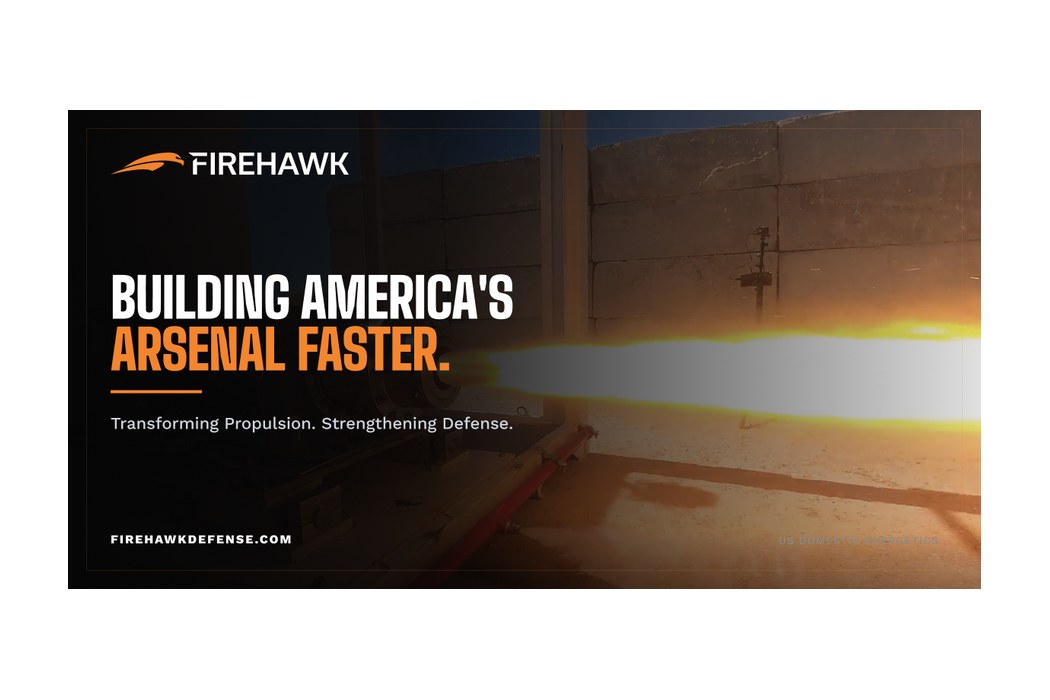
Firehawk’s $5,000 Demo: How a Rejected Rocket Startup Learned to Sell the Pentagon Speed
Firehawk began by pitching a new kind of rocket engine. The Pentagon wanted an easier swap. One cheap printer, a filmed hot-fire test and a strategic retreat turned that rejection into a plan for rebuilding the propellant supply chain.
Airlines Hate Waiting 60 Days for a Tiny Part. Jet Parts Engineering Built a 32-Year Business Fixing That.
Jet Parts Engineering turned the unglamorous bottlenecks of airline maintenance into a global aftermarket platform. Its playbook is simple to describe and difficult to execute: find the part an operator cannot get, engineer an FAA-approved alternative, keep it on the shelf, and answer the phone.

Portal Space Systems Wants to Build the Delivery Van, Tow Truck and Fighter Jet of Orbit
Launch got cheaper. Movement after launch did not. Portal is betting that sunlight, ammonia and a 3D-printed thruster can turn satellites from fixed infrastructure into vehicles - if its ambitious flight program catches up with the pitch.

Ibeos Put CubeSat Economics Into Serious Space Hardware - Then Trident Bought the Factory
The Virginia spacecraft supplier spent 13 years turning radiation-tolerant power, batteries and computers into configurable products. Its March 2026 sale to Trident shows what happens when a small engineering shop makes the least glamorous parts of a satellite easier to buy.
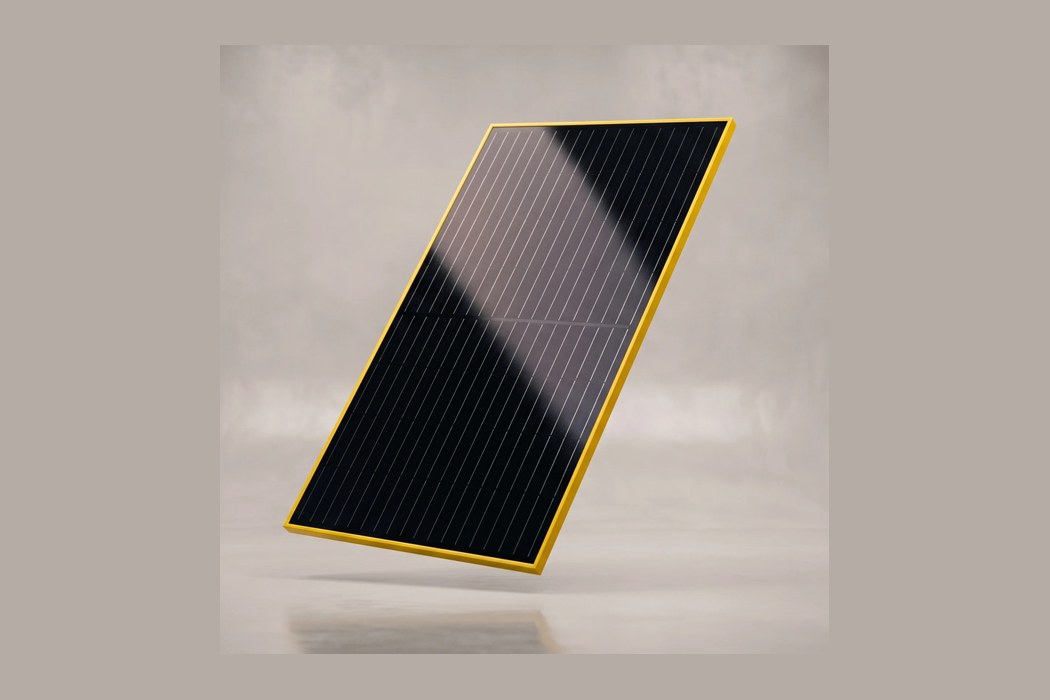
The Space Race Has a Solar Panel Problem - Source Energy Wants to Make It Boring
Satellites cannot work without electricity, yet their solar arrays can take longer to buy than the spacecraft takes to build. Source Energy is betting that standardized silicon, automated production, and a catalog mentality can turn a mission risk into an ordinary purchase order.

GE Aerospace
GE Aerospace sells some of the most complicated machines humans make. The deeper business begins after delivery, when decades of maintenance, data and parts turn an engine under the wing into a long-lived service relationship.

aPriori Technologies
aPriori Technologies is a Concord, Massachusetts software company that turns 3D CAD designs into instant manufacturing cost, manufacturability, and carbon-footprint insights. Founded in 2003 out of University of Illinois research, its cloud Manufacturing Insights Platform - aP Design, aP Pro, and aP Generate - lets engineers, sourcing teams, and cost analysts simulate how a part will be built, what it should cost across regions, and how much CO2e it will emit, before tooling is ever cut. Manufacturers such as GE Aerospace, Carrier, Alstom, Flex, and Whirlpool use it to catch cost and design problems early and negotiate with suppliers from data rather than guesswork.