account-to-account-payments
(9)
Moneyhub left the app business. Your bank is its next screen.
The British fintech is trading its consumer storefront for a place inside banks, lenders and pension apps. Its pitch starts with a surprisingly expensive problem: financial data that nobody can quite make sense of.
Token.io Wants the Card Machine to Become a Bank Login
The London fintech does not want shoppers to know its name. It wants banks and payment companies to put their own names on a cheaper route from checkout to current account.
TrueLayer Wants to Make the Card Number Obsolete
The London fintech started by turning stubborn bank systems into tidy APIs. Ten years, two acquisitions and a bruising reset later, it is attempting something larger: a European payments network that can handle debit, recurring charges and credit without a card in sight.
Dwolla Killed Its App. Then the Money Started Moving.
The Iowa fintech began as a 25-cent rebellion against card fees. Its second act - invisible bank-payment infrastructure - proved durable enough for NMI to buy the company in 2026.
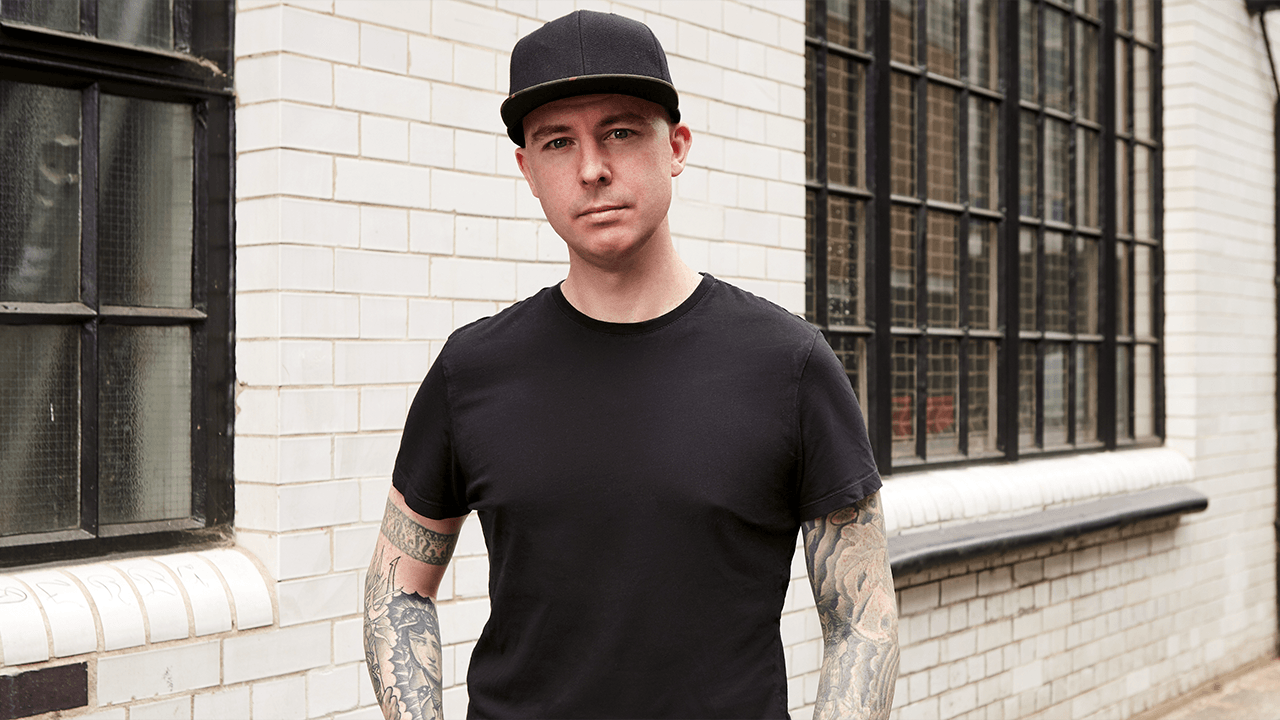
Brad Goodall Spent Eight Years Making the Card Optional
An Australian founder went to London, learned the plumbing of modern finance, and built a checkout alternative with banks instead of against them. After Banked’s acquisition by NAB, his most useful lesson is less about the exit than the patience required to change how money moves.
The Australian Who Built a British Card-Killer - Then Sold It Back to Australia
Banked spent eight years trying to build a payments network cheaper than cards. In May 2026 National Australia Bank bought the whole thing - and pointed it at home.
The Payments Company You Rarely See - Even When It Moves $700 Billion
NMI built a large payments business by staying behind the curtain. Its white-label infrastructure lets software companies and payment specialists assemble, brand and monetize the route from merchant sign-up to checkout to payout.

Tarabut
Tarabut (formerly Tarabut Gateway) is the MENA region's first and largest regulated open banking platform, connecting a network of banks and fintechs through a universal API. Founded in Bahrain by Abdulla Almoayed and now headquartered in Riyadh, the company provides banking-as-a-service, embedded finance, account-to-account payments, and data-driven credit tools that let financial institutions and businesses build personalized financial products across Saudi Arabia, the UAE and Bahrain.

Truett Dwyer
Truett Dwyer is co-founder and co-CEO of Clerq, a New York account-to-account payments platform built for high-ticket transactions in industries like automotive, powersports, and equipment where 3% card fees and chargebacks eat margins. A Wharton graduate who spent his early career investing at Citadel, Summit Partners, and Blackstone, he and co-founder Ben Markowitz approached payments from first principles and chose to embed inside merchants' checkout workflows rather than build a consumer app. In October 2025 Clerq raised a $12M Series A led by 645 Ventures, bringing its total to $21M, on the back of 6x revenue growth and marquee dealership and marketplace clients.