On July 28, 2026, a Solflare payment card became a rather unhelpful piece of plastic. Its issuing partner, Kulipa, could no longer support the program. Physical and virtual cards stopped working. Yet, according to Solflare’s notice, the wallet, staking and swaps continued normally. The money remained under users’ keys. Here was an unusually practical demonstration of an abstract crypto promise: a payment service could fail without taking custody of the balance.
- The job: hold, send, stake and trade Solana assets from one interface.
- The difference: users control their keys; Solflare supplies the tools.
- The catch: ownership does not remove network, trading or payment-partner risk.
That distinction is a useful starting point for understanding Solflare. The company builds a self-custody wallet for Solana, the blockchain whose native currency is SOL. Think of the wallet as a control panel: it displays assets, prepares transactions and lets their owner approve them. Solflare does not become the owner’s bank. That makes the interface carry an awkward responsibility. It must make complicated actions feel easy while preserving the moments when people ought to hesitate.
Make the chain feel like an app
For a newcomer, the immediate tasks are ordinary enough: receive SOL, send a token, buy crypto through an integrated provider. A longer-term holder can delegate SOL to a validator and collect staking rewards. Collectors can view and transfer NFTs. Traders can swap tokens inside the wallet, while people using decentralized finance can connect to Solana applications. These activities sit across mobile apps, browser extensions and a web interface.
The small conveniences matter. Solflare’s documentation lists bulk NFT transfers, notifications and hardware-wallet connections. Its mobile swap guide describes Jupiter aggregation, which searches routes between token pairs. A customer choosing an asset sees a simple exchange; underneath, several markets may be involved. The interface compresses that machinery into a quote and an approval. Understanding the quote still matters, particularly when liquidity is thin.
Phantom, Backpack and Jupiter Wallet offer alternatives. Solflare’s position is its concentration on Solana and the range of activities it brings together there. This is a sensible fit for someone whose financial life on a blockchain mostly happens on Solana. Someone managing assets across several unrelated networks may prefer a wallet with broader native coverage. Specialization buys attention to one ecosystem’s details, with boundaries attached.
Three steps. One signature.
- 01PrepareThe app prepares.
- 02ReviewInspect fees and permissions.
- 03SignYour key approves.
The business inside the free download
The software is free to download. Using it can involve several bills from several places. Solana charges network fees; liquidity providers and purchase providers have their own economics. Slippage is another matter: the price can move between a quote and execution. A low tolerance can cause a swap to fail. A generous tolerance can produce an unpleasant result. Neither number should be confused with Solflare’s revenue.
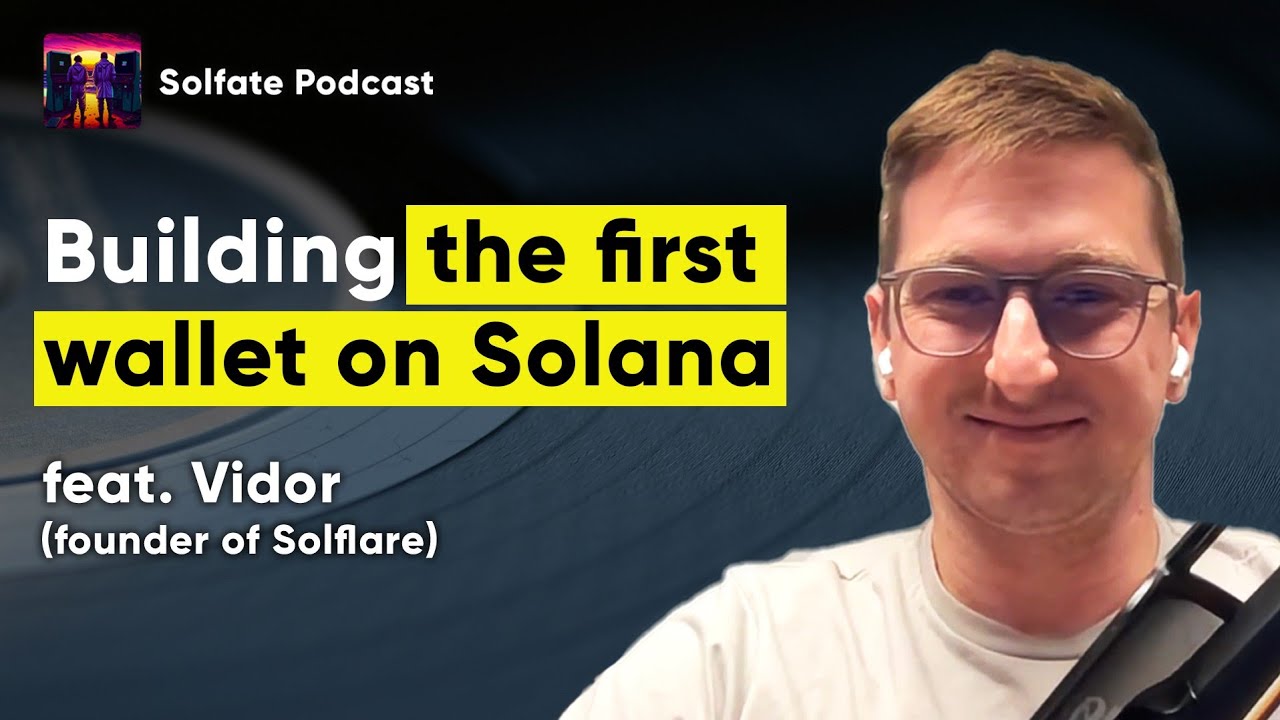
In a 2023 Solfate interview, co-founder Vidor Gencel discussed wallet businesses earning through swap convenience fees and protocol partnerships. That describes the commercial logic of bringing users to financial activity, rather than a universal current fee schedule. Today, Solflare also sells Shield hardware. Its Phoenix-powered perpetual futures product publishes a trading fee of up to 0.085%. Convenience has a business model, even when the download has no price.
Standard price: $69
Other costs and risks apply
Put the signature in your pocket
Shield, introduced in December 2025, is a particularly revealing product. It is a hardware wallet shaped like a card, with no battery, Bluetooth connection or screen. A user initiates an action in Solflare’s mobile app, then taps the card against the phone. NFC connects the two; a secure chip signs. The design puts physical possession into the approval process without adding a separate desktop routine.
The missing screen is also a design decision. Users read the transaction in the phone interface. Keeping keys offline does not turn a deceptive transaction into a good one. Solflare adds transaction checks, scam-site blocking and warnings, and supports Ledger and Keystone devices too. These protections address different problems. A strong lock remains useful, but someone still has to inspect the thing being signed.
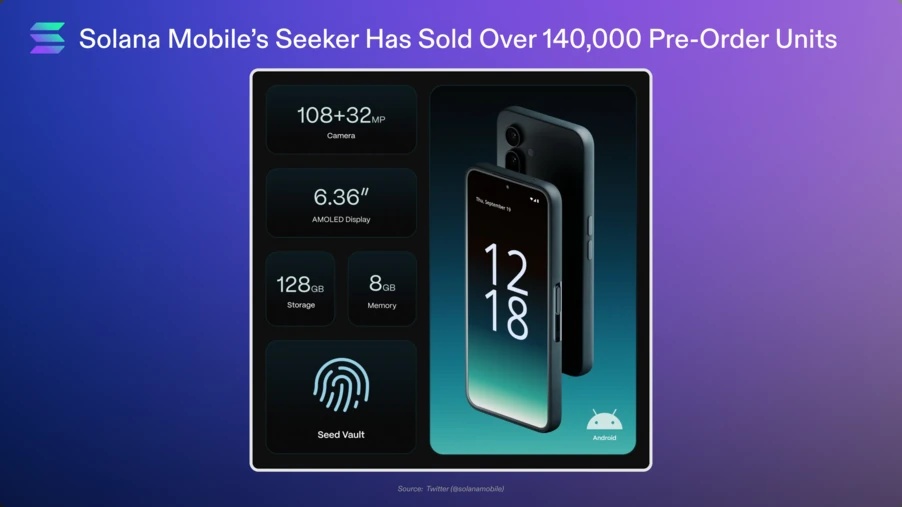
The same interest in everyday signing appears in Solana Mobile’s Seeker. Solflare collaborated on its Seed Vault Wallet, announced in 2024. It is a distribution move as much as an engineering project: the wallet becomes part of the phone experience. The earlier MetaMask Snap integration, launched in September 2023, pursued another route to adoption by meeting people inside a wallet they already used.
A wallet with a memory
Solflare’s own history begins in 2020, while its company profile lists a 2021 founding. “We have essentially been building on Solana since Solana began,” Gencel says in its documentation. That experience includes the period after FTX’s collapse. In an October 2026 interview, the founders described debating whether to stay on Solana, then shifting attention toward buying and staking SOL. They also described salary cuts, including giving up their own pay.
That month brought another change: Filip Dragoslavić announced his departure, leaving Gencel as sole CEO. Solflare had grown into a distributed company with roughly 150 staff. Its public figures put monthly active users around four million. Those numbers describe reach; they do not make the assets shown in users’ wallets company revenue or company property.
The useful kind of independence
There is an everyday lesson in the swap screen, too. A failed trade can be a protection doing its job: the market moved beyond the price difference the user agreed to accept. Raising that limit may get the trade through, but it changes the bargain. Good wallet design has to explain the difference between an error to fix and a boundary worth keeping. Otherwise, a smoother interface merely helps people approve things faster. Thin liquidity makes this matter.
“The Wallet is a user interface”
Solflare’s terms of service
Solflare’s card interruption supplies the clearest limit. Keeping your keys does not guarantee a merchant payment will work. Nor does it guarantee a successful swap, an available blockchain or recovery after losing a phrase. Support can explain a problem; it cannot manufacture a missing private key. At publication, the company’s support notice still describes the card pause, despite promotional pages advertising the product.
For builders, the idea worth copying is the separation of ownership from optional services. Let a peripheral service stop without making the underlying asset inaccessible. For users, the practical test is equally specific: can you manage your keys, understand an approval and accept the risks of the activity you choose? Solflare makes those tasks more approachable. The decision at the signature line remains yours.