Consider the moment a website asks you to connect a wallet. Usually, logging in means handing a company an email address and trusting its database. MetaMask introduces another arrangement: software on your device can approve interactions with a blockchain, using keys you control. The little fox in the browser represents a large transfer of responsibility. You gain access to an application. You also become the person who must understand what happens next.
- Self-custody puts users in charge of the keys that authorize transactions.
- Swaps, bridges, staking, and payments turn wallet access into useful actions.
- Convenience has a price: service fees, network costs, and responsibility for mistakes.
First, make the door smaller
Aaron Davis and Dan Finlay wanted websites to work with Ethereum. An account manager grew into something resembling a browser inside a browser. Then they narrowed the scope to an extension, giving developers something they could try at hackathons. MetaMask launched in July 2016. The useful lesson is wonderfully unromantic: shrink the doorway until people can walk through it.
The early strain was practical. During the 2017 CryptoKitties rush, the founders recalled staying up all night trying to ease stalled transactions. A functioning wallet could still meet a congested network. That distinction matters: the interface can invite you inside, but it cannot manufacture capacity for the blockchain beneath it.
The business inside the button
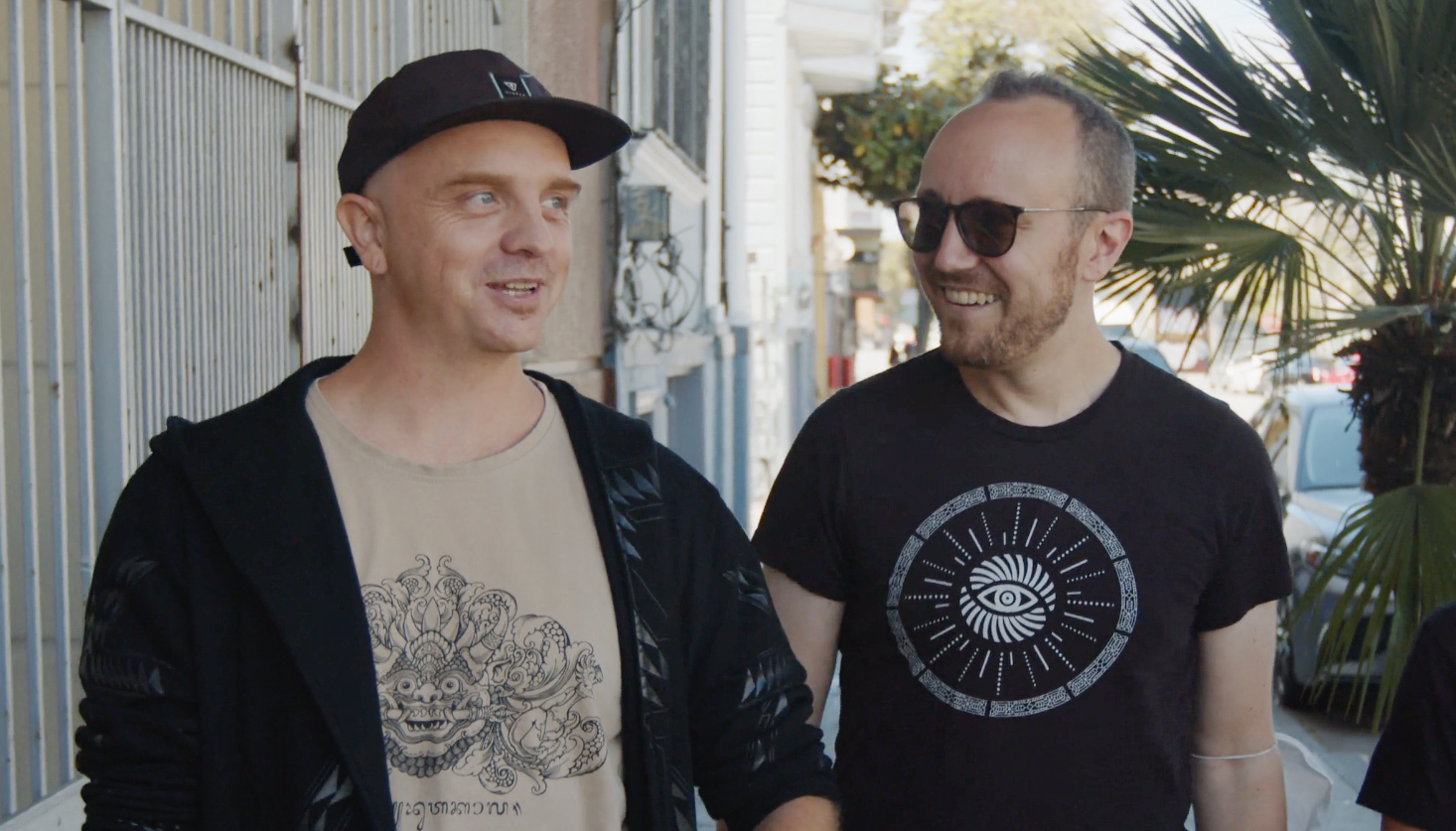
MetaMask serves token traders, NFT collectors, gamers, decentralized-finance users, and developers connecting applications to wallets. Its extension and mobile app make the same basic offer: keep control of your assets while using services built by other people. The company sits between those applications and their users, where a transaction becomes a decision.
MetaMask Swaps compares trading routes and charges a 0.875% service fee. On a hypothetical $1,000 swap, that is $8.75 before network costs. Gas is separate; it pays for blockchain execution. Provider charges and the quoted exchange rate also affect the final result. A free wallet can therefore produce a distinctly non-free transaction.
In their retrospective, the founders identified the 2020 launch of Swaps as the arrival of actual revenue and more dependable hiring. The lesson for another software builder is concrete: earn money by simplifying an action people already need to complete.
+ network costs
When a signature becomes a trap
A signature sounds harmless. In a blockchain application, it can authorize something consequential. MetaMask has to translate a technical request into an understandable choice, while phishing sites try to make dangerous requests look ordinary.
The company now offers transaction checks, simulations, and phishing detection, with an optional Transaction Shield subscription priced at $9.99 monthly. Coverage reaches up to $10,000 a month across eligible transactions, subject to terms. Its exclusions are instructive: compromised recovery phrases, speculative losses, and external protocol exploits are not covered. Safety has boundaries, even when it has a subscription.
Hardware-wallet integration provides another approach. MetaMask Mobile added Ledger Nano X connectivity in March 2024, letting users approve transactions on a separate device. That helps protect private keys from remote attacks. It still leaves the human question: what, exactly, are you agreeing to? A protected key can authorize a terrible decision.
Ethereum was the beginning
By 2025, the company was publicly confronting a usability problem: people were moving across more blockchains, and the wallet made them manage too much of that machinery. Finlay acknowledged that use cases remained limited and navigation complicated. That diagnosis explains the subsequent redesign.
Solana support arrived in 2025; native Bitcoin support followed in December. The competitive question widened with them. Phantom, Rabby, and Rainbow all offer alternatives to MetaMask. Self-custody alone cannot distinguish it. Its argument rests on familiar application connections, broad network access, and room for developers to extend the experience.
Invite somebody else to finish it
Snaps, released to the public wallet in September 2023, turned that last point into a product. Independent developers could add network connections, transaction insights, and notifications. Instead of asking one internal team to anticipate every useful feature, MetaMask gave outsiders a way to contribute their own.
There was a catch worth remembering. The initial directory used audited, approved Snaps. Finlay also described how changes to Google's extension platform threatened the project before compromises allowed it to continue. An extensible product still depends on the platform carrying it. Builders can copy the invitation to outsiders; they also need a credible way to contain what outsiders build.
“I hate being deprived of agency.”Aaron Davis, MetaMask co-founder
The wallet goes shopping
A wallet becomes more useful when it reaches the checkout. MetaMask Card connects supported digital assets to Mastercard payments, converting them for purchases. The February 2026 US launch included New York, with Cross River Bank as issuer and Baanx, now Monavate, supplying payment infrastructure. The Metal option carried a $199 annual price.
Enrollment requires identity verification. This is where the idea of permissionless money meets the obligations of a regulated payment system. Users keep custody until payment, but a card still needs partners, eligibility rules, and merchants willing to accept its network.
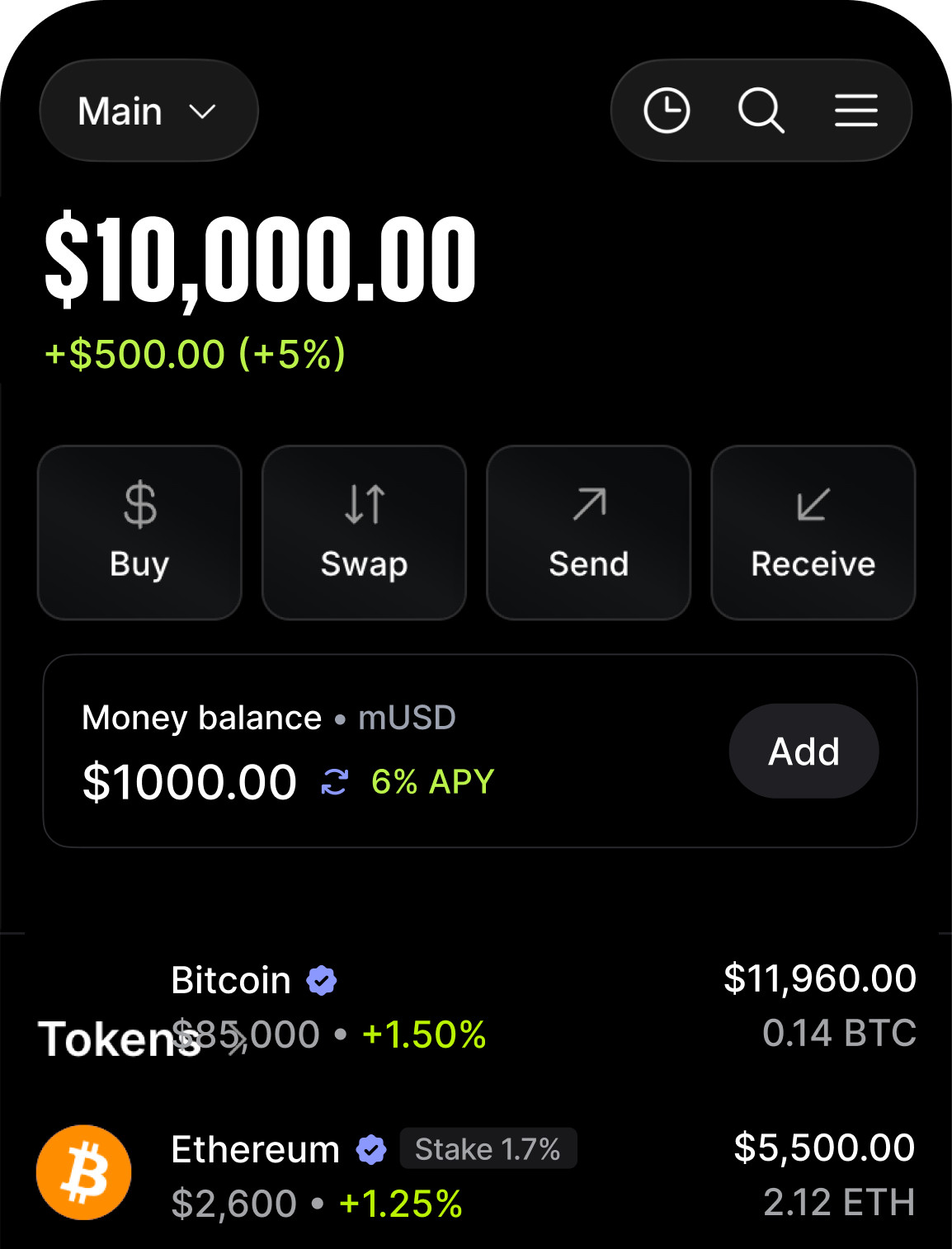
Product lead Gal Eldar described the aim succinctly: “We designed MetaMask Card to make crypto disappear.” Money Account extends the ambition into earning and spending from one balance. It is not an insured bank deposit; yield comes with protocol and loss risks.
A company built around the user
In September 2026, MetaMask announced that Consensys Software Inc. would operate under the MetaMask name, separating from a newly formed Consensys focused on protocols and institutional infrastructure. Joseph Lubin would lead MetaMask as chairman and CEO. Completion of the separation was expected by year-end. The product was becoming the organizing principle of the company.
There is a useful contrast with its financing history. The $450 million Series D announced in March 2022 funded Consensys, then MetaMask's parent, at a valuation above $7 billion. Those numbers describe that company and that moment. They do not establish a current, standalone MetaMask valuation.
The next test is ordinary life: can someone move, use, and understand their money without becoming a part-time blockchain administrator? For people who want a provider to reverse mistakes or recover everything through a help desk, self-custody is a poor fit. For those willing to manage that responsibility, MetaMask offers an unusually consequential kind of software convenience: the ability to carry their keys elsewhere.
Follow the fox
Explore MetaMask, the newsroom, support, and developer docs.
LinkedIn · X · Instagram · GitHub · YouTube
Watch: the 2025 product roadmap ↗Demo: connect Ledger Nano X ↗