Walk into most conversations about camera lenses and you'll hear the same shorthand: there are the camera brands - Canon, Nikon, Sony - and then there are the "third-party" lens makers, the cheaper option you settle for. Sigma spent the last decade quietly demolishing that hierarchy. Today it is widely regarded as the world's largest independent lens manufacturer, and its American operation runs not out of a design loft in Manhattan but a warehouse in Ronkonkoma, on the middle of Long Island.
SIGMA Corporation of America is the U.S. arm of Sigma, a family-owned Japanese company founded in 1961 by Michihiro Yamaki and now run by his son, Kazuto Yamaki. From the Ronkonkoma base, the American subsidiary handles distribution, marketing, warranty and repair for the full Sigma catalog: interchangeable lenses for nearly every major camera system, cinema glass for filmmakers, and Sigma's own line of full-frame cameras. The parent company employs around 1,800 people; the U.S. team is a lean group of roughly three dozen.
01 / The one-factory betEverything comes from Aizu
The single most important fact about Sigma is also the most counterintuitive one for a modern electronics company: it makes everything in one place. The Aizu factory in Bandai, Fukushima, opened in 1973 and remains the sole location where every Sigma lens, camera and accessory is produced. Molds, spherical lens polishing, coating, assembly, quality control, even much of the parts sourcing - it all happens under one roof, in Japan.
That decision runs against decades of industry logic that says you cut costs by spreading production across cheaper regions. Sigma went the other way. Keeping the whole process in one building lets its engineering, optics and manufacturing teams talk directly, iterate quickly, and hold a consistent quality bar. It also ties the company tightly to the Aizu region and the town that supplies much of its workforce.
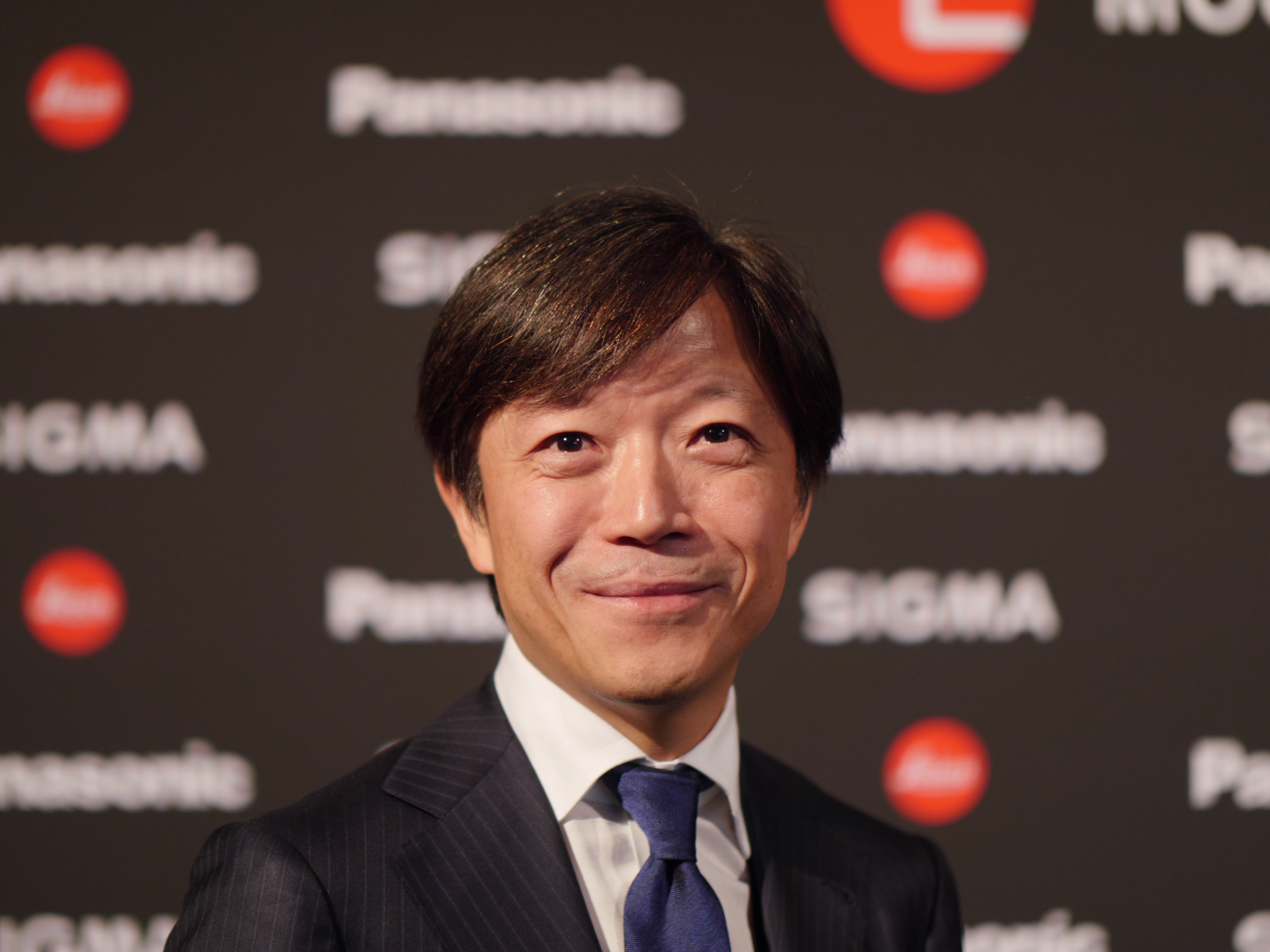
"I don't believe I can make Sigma a bigger company than Sony or Canon, but I think I can make it a nicer brand."Kazuto Yamaki, CEO
That single sentence explains a lot of Sigma's choices. A company chasing pure scale would have moved manufacturing offshore and flooded every price tier. Sigma instead concentrated on being trusted - the brand a photographer recommends to a friend because the glass punches above what it costs. About 80% of the roughly 90,000 lenses the Aizu factory turns out each month are exported around the world.
02 / The rebrand that stuckHow "third-party" became a compliment
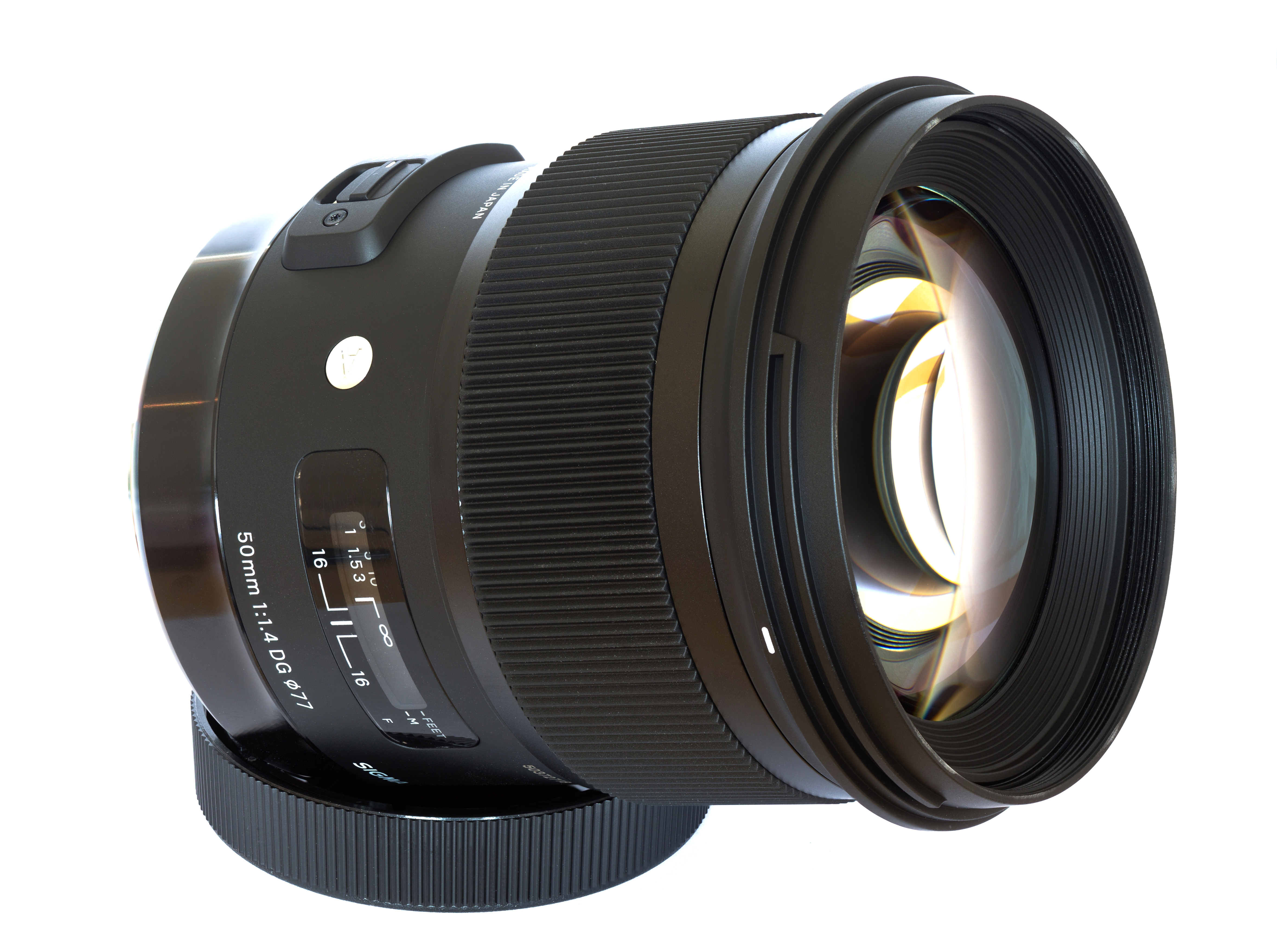
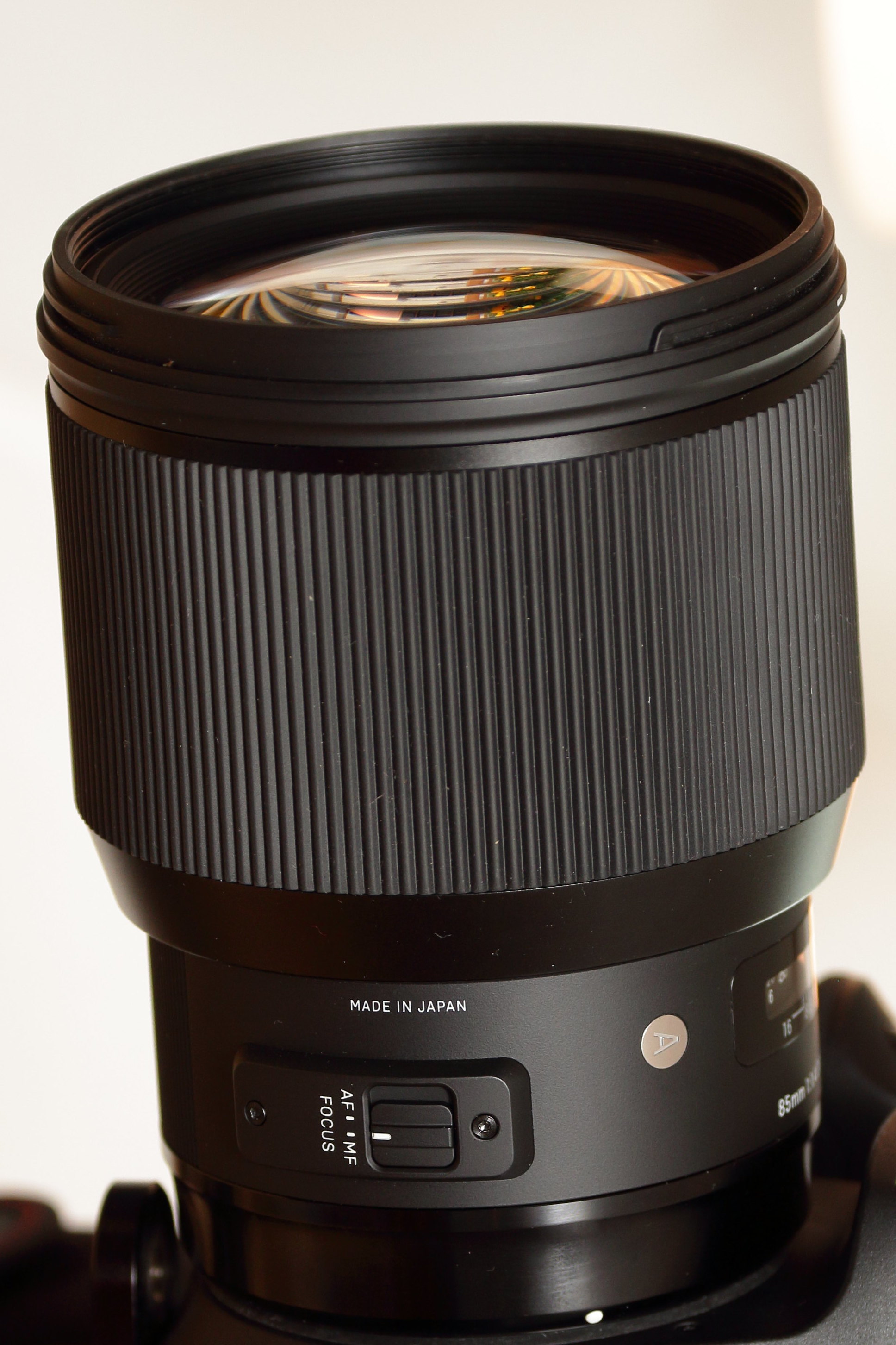
In 2012, the year Kazuto Yamaki became CEO, Sigma reorganized its lens lineup under a plan called Global Vision, sorting every lens into three clear buckets: Art for maximum optical performance, Contemporary for compact everyday shooting, and Sports for long telephoto reach. It sounds like simple marketing. In practice it reset the brand.
The Art series in particular changed the conversation. Lenses like the 35mm and 50mm f/1.4 Art primes delivered sharpness that reviewers and working photographers compared favorably to first-party glass costing far more. Suddenly people were choosing a Sigma lens over the one that matched the name on their camera - not to save money, but because they wanted that lens. That is a rare flip for a supplier brand to pull off.
03 / Three rivals, one mountThe alliance that shouldn't exist
In September 2018, Sigma did something you almost never see in consumer electronics: it agreed to share a standard with its competitors. The L-Mount Alliance united Leica, Panasonic and Sigma around Leica's L-Mount, so that a lens or body from any of the three works across all of them. A photographer can put a Sigma lens on a Panasonic Lumix S body, or a Leica lens on a Sigma camera, and it simply fits.
For a mid-sized independent, joining forces with a luxury icon and a giant like Panasonic was a shrewd move. It gave Sigma's own cameras a credible full-frame system to plug into and expanded the market for its lenses without Sigma having to build an entire ecosystem alone.
04 / A camera from a single blockThe BF and the argument for restraint
Sigma has made cameras for years - the pocketable full-frame fp arrived in 2019, and its Foveon-sensor DP and SD models built a small cult following for their unusual color. But in February 2025 the company grabbed wider attention with the SIGMA BF, a full-frame mirrorless camera unlike almost anything on the market.
The BF's body is machined from a single solid block of aluminum, a process that takes about seven hours of milling per camera. Its 24.6-megapixel full-frame body strips the interface down to three buttons, a dial, a shutter and a power switch, and hides a 230GB SSD inside so you can shoot without a memory card. At $1,999, it is a deliberate bet that some buyers want taste and simplicity more than a longer spec sheet.
That bet is consistent with the rest of the catalog. Sigma also owns Foveon, the maker of an unusual layered image sensor that captures color differently from the standard grid used by nearly every other camera. Foveon-based DP and SD models never sold in huge numbers, but they earned a devoted following among photographers who prize their distinctive rendering - another example of Sigma serving a specific taste rather than the mass middle.
05 / Who buys it, and why it worksThe business behind the glass
Sigma's customers are enthusiast and professional photographers, filmmakers, content creators, camera retailers and rental houses. Crucially, most of them already own a camera from someone else - so Sigma's addressable market is nearly everyone shooting on Canon, Nikon, Sony, Fujifilm, L-mount and beyond. It makes lenses in all those mounts, then sells them through camera stores, direct-to-consumer on sigmaphoto.com, and into film and studio channels.
The filmmaking side has grown into its own business. Sigma's cine lenses, built on the same optical work as its stills glass, gave the company a foothold with a demanding audience that rents and buys expensive gear. Against fellow independents like Tamron, Tokina and Samyang on one side, and the camera giants' first-party lenses on the other, Sigma occupies a rare middle ground: broad enough to cover almost every mount, serious enough to sit on a professional rig.
One factory. Every lens. No outsourcing. That is not a slogan bolted on afterward - it is the entire strategy.
The economics are demanding. Owning your whole production line means carrying the cost of that line whether demand is up or down. Sigma funds it by being the value-and-quality choice in a market of expensive first-party glass, and by staying private and family-run so it can think in decades rather than quarters. In one telling move, the company announced in 2026 that it would start growing rice near the Aizu factory - a small farming venture that says more about how Sigma sees its town than any ad campaign could.
Sigma is founded
Michihiro Yamaki starts the company in Setagaya, Japan.
The Aizu factory opens
Fukushima plant becomes Sigma's sole manufacturing base.
Global Vision relaunch
Kazuto Yamaki takes over; lenses split into Art, Contemporary and Sports.
L-Mount Alliance
Sigma joins Leica and Panasonic to share one lens mount.
SIGMA fp launches
A pocketable full-frame camera, Sigma's first L-mount body.
SIGMA BF unveiled
A $1,999 camera carved from a single aluminum block.
06 / What you can take from itThe lesson in the glass
You do not have to shoot photos to steal something from Sigma's playbook. The company competes against firms many times its size by refusing to fight on their terms. It picked a lane - quality-per-dollar and craftsmanship - and defended it. It turned a perceived weakness (being the "third-party" option) into a badge by simply being better than the label suggested. And it treated a single, expensive, hard-to-copy asset - one integrated factory - as a moat rather than a burden.
Where would this not work? A one-factory, in-house-everything model is fragile to a single point of failure and slow to scale on demand; it only pays off if the product commands enough loyalty to justify the overhead. Sigma's answer has been to earn that loyalty lens by lens, for more than sixty years, from one town it refuses to leave.