The awkward thing about winning a large customer is that you may have to pay for the victory before the customer pays you. At SaviLinx, the immediate expense was payroll. More work required more people. Those people needed wages while the invoices were still waiting. For a company selling human attention, the distance between a payday and a payment could determine how much business it could accept.
- SaviLinx runs customer support and back-office operations for agencies and businesses.
- Its specialty is complicated work: benefits, claims, enrollment, and technical questions.
- The useful lesson: fix funding, staffing, and workflows together.
01 / The second attempt had a different address book
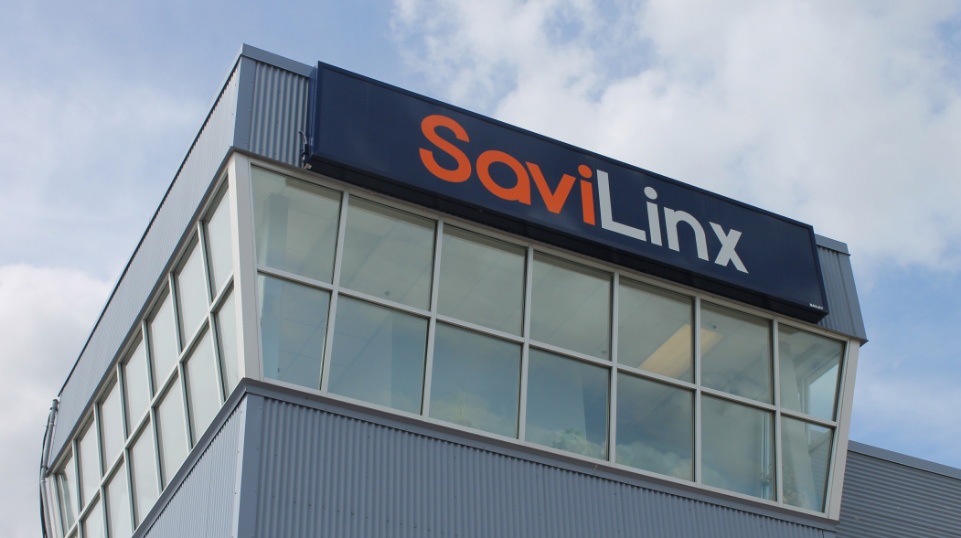
Heather Blease founded SaviLinx in 2013 at Brunswick Landing, the redeveloped naval air station in Maine. She had already built EnvisioNet, a contact-center company whose major contracts later went overseas. Her new venture put government contracts at the center of its plan. Woman-owned business status and the federal HUBZone program offered a different route to customers. The former military base was part of the commercial calculation.
That history makes the company more interesting than its industry label suggests. Outsourcing sounds like the export of work. Here was an outsourcing business deliberately seeking economically disadvantaged U.S. communities in which to hire. SaviLinx received HUBZone certification in March 2017. Blease also worked with Maine’s congressional delegation to expand the eligible areas surrounding closed military bases. Geography could help create an opening.
02 / The invoice arrives after the wage bill
The first constraint was painfully ordinary. In a Bluevine customer account originally published in 2017, Blease described a young company that could attract larger projects but struggled to finance their staffing. Banks wanted a longer financial record. Traditional factoring proposals contained terms she disliked. Bluevine’s invoice financing let SaviLinx borrow against unpaid customer bills, with access increasing as the business grew. Later, it qualified for conventional bank financing.
This was a bridge with a price. Writing in 2018, Blease described invoice financing as expensive and suitable for short periods. She also described using redevelopment loans and personal resources while preserving majority ownership. Her operating rule was profitability: an opportunity that threatened existing customer promises or that financial discipline could be declined. The copyable idea is to match financing to the payment cycle before accepting the extra work.
“I have emptied out my 401k on multiple occasions.”Heather Blease, writing about financing in 2018
Expansion also involved actual premises. In October 2018, Mississippi officials announced approximately $354,000 of SaviLinx investment in equipment and improvements at a leased 43,000-square-foot Hattiesburg location. The plan called for 231 additional jobs. Workforce-training assistance accompanied it. These were announced investment and hiring plans, with money committed to facilities and equipment that would support the larger operation.
Approximate corporate investment in equipment and facility improvements.
The sales process supplied a test of execution. In 2016, Blease told local reporters that a prospective customer had asked SaviLinx to run a pilot against several other contact centers. She said it finished first. The resulting work helped drive the announced Brunswick hiring push. For a buyer, a pilot makes the choice observable before the larger commitment.
03 / Someone has to finish the paperwork
What does a buyer get? An agency can hire SaviLinx to answer questions, help people navigate applications, process documents, and support claims. A business can use it for customer care, retention, purchase assistance, or technical troubleshooting. Delivery can supplement an internal team or cover the operation. Phone, email, chat, and text are entry points into a service that also includes the administrative work behind them.
Consider paid family and medical leave. The caller may need help submitting a claim or understanding an account. An employer may need guidance on registration, wage reporting, or contributions. SaviLinx’s public materials describe claimant operations in Massachusetts and employer support in Maine. Its broader published experience includes student-aid inquiries, benefits enrollment, and energy-efficiency program support. The common ingredient is a set of rules that somebody needs help applying.
- 01 ListenPhone · chat · email
- 02 ResolveGuidance · escalation
- 03 ProcessClaims · documents
- 04 ReviewQuality · reporting
The commercial product is a managed operation. SaviLinx’s BPO description names a proprietary business-intelligence engine, SEIMS, used to build performance dashboards. Its technical-support offer includes help desks, self-service portals, and chatbot options. A customer buying this service is purchasing staffing and process knowledge alongside technology. The firm positions itself around complex interactions, against the alternatives of building internally or hiring another contact-center provider.
The scale changes with the assignment. Its 2022 capability statement described more than 1,000 agents, rising above 1,500 in peak season, across a blended remote and in-center workforce. Those historical figures explain why a single employee count can mislead. A benefits enrollment deadline creates a different staffing requirement from a quiet week of routine questions. Capacity has a calendar.
04 / Listening changes the phone menu
A small example makes the analytics concrete. In its 2026 PFML material, SaviLinx says rising contact from Haitian Creole speakers prompted changes to automated phone messages, routing, and bilingual staffing. It reports roughly 26% less use of third-party language support quarter over quarter. That is a company-reported result. The operational lesson is useful: identifying why people contact you can change whom you hire and how a call travels.
The same attention extends to employees. A company retention case study describes empathy screening and continuing training, alongside compensation and workplace culture. Recruiting a replacement consumes effort; losing an experienced agent also removes knowledge. In September 2025, SaviLinx announced graduate co-op placements with Northeastern’s Roux Institute, including analytics work on reporting and automation. There is technical work inside the business of answering phones.

05 / Buy the answer you actually need
The contract determines whether the incentives fit. SaviLinx describes pricing by agents, hours, call time, calls handled, or volume bands. Buyers should compare those approaches against resolution quality and demand. Paying for speed alone can make an unfinished conversation look economical. Outsourcing is a harder fit when the client cannot explain its rules, provide usable systems, or decide what a successful interaction means. Those are operating requirements that the client must help define.
A useful buying exercise starts with the journey: what happens when the first agent cannot answer, when a document is missing, or when demand exceeds the forecast? Each question exposes a responsibility that belongs in the operating plan. The more complicated the program, the more consequential those handoffs become.
SaviLinx’s lesson reaches beyond call centers. A growing service needs cash before receipts, trained people before demand, and a way to learn from what customers ask. The interesting question is what the next call reveals about the system behind it.