The first useful fact about Ruckus Games is a duration: 20 minutes. That, the studio says, is how long investors played a vertical slice of its debut game before backing the next stage of development. The second useful fact is the cast: 14 people built that slice over 12 months. For a company proposing a world of suburban combat, improvised weapons, rescued neighbors and a hometown that grows between missions, a short, playable argument was stronger than a long PowerPoint.
The game is now called The Holdouts. It is a third-person shooter played alone or with up to three friends. Its ordinary people fight through warped small-town streets, collect resources, and return to a central hometown to build and upgrade. A toaster can be fitted to shoot saw blades. A power washer can become a flamethrower. The game’s public materials also nominate lawn tools, kitchen appliances, 8-track toys and French horns as raw materials for mayhem. In this apocalypse, the junk drawer has a career plan.
- Seven veteran developers founded Ruckus Games in 2021 as a fully remote studio based in Frisco, Texas.
- Its debut, The Holdouts, combines short co-op sessions with crafting and a hometown that grows over time.
- Disclosed fundraising totals $24.5 million: a $5.5 million seed round and a $19 million Series A.
- The game can be wishlisted on Steam; selected players can apply for early playtests. A release date has not been announced.
A playable pitch in place of a promise
Paul Sage, Ruckus’s CEO and game director, had worked on The Elder Scrolls Online and Borderlands 3. In 2021 he joined six other founders with backgrounds across Gearbox, Riot and other major studios. Their complaint was precise. Large budgets could accommodate familiar mechanics, while fresh ways to play together were harder to finance. They wanted the creative risk of an independent studio with the craft of people who had already shipped large games.
That ambition still needed a playable answer. Sage told GamesBeat that the team had a working prototype within four months of founding. Ruckus announced a $5.5 million seed round in September 2022, led by Transcend Fund, with BITKRAFT Ventures and 1Up Ventures participating. Two years later came a $19 million Series A led by Krafton. Investors had played the 20-minute vertical slice. A demo cannot prove that a game will sell, but it can answer a blunt question: do these systems make a person want to keep playing?
The price of this experiment is visible in those rounds. The $24.5 million is funding raised, not a production budget or a revenue figure. Public material does not put a price on the finished game. There is no public launch date to turn the investment into a sales story. At this stage the sensible measure is whether the studio can keep making its central loop compelling as it grows beyond a slice.
The trip home is part of the fight
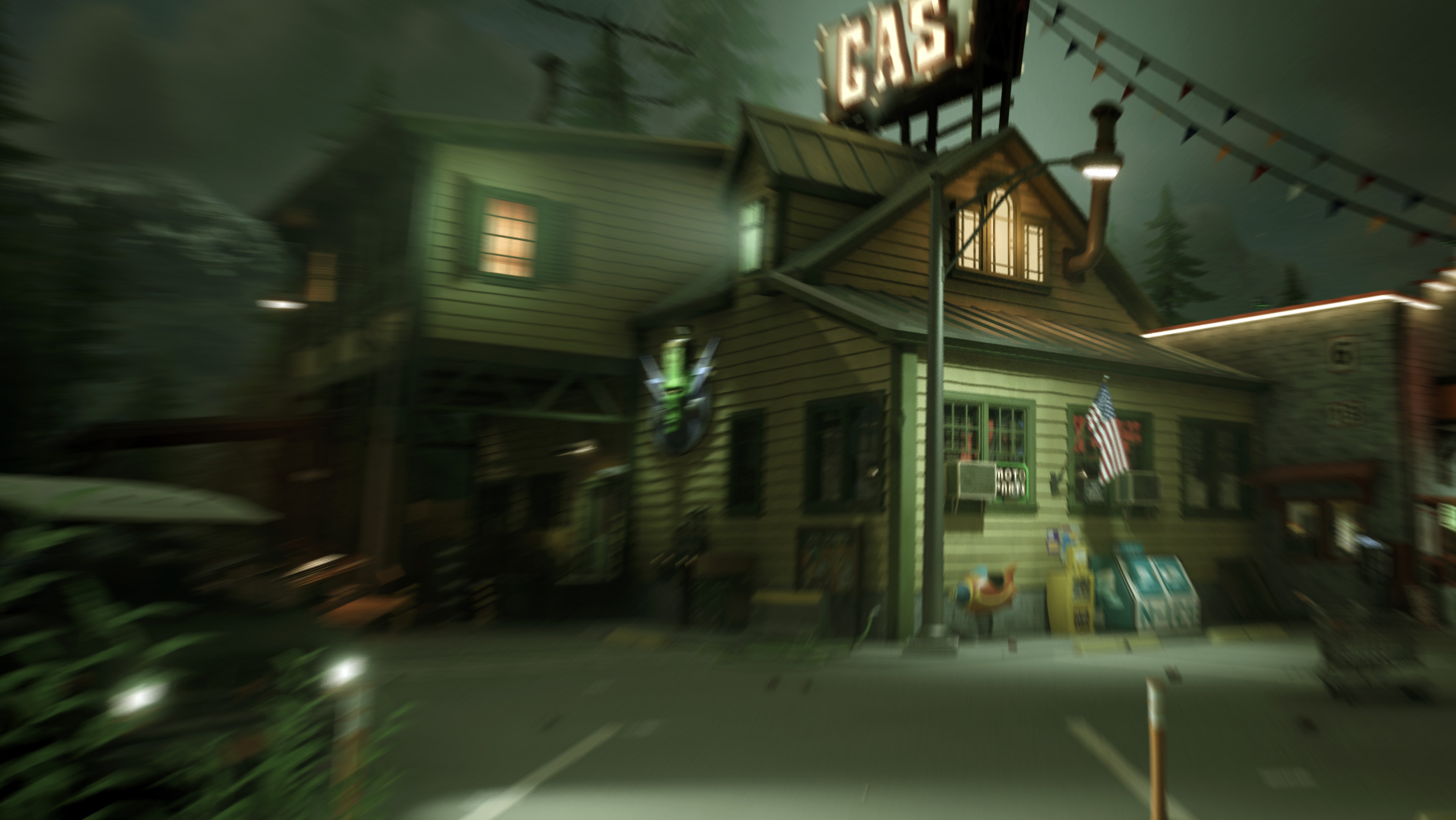
A session shooter can offer a satisfying hour and then let it evaporate. Ruckus is trying to leave a mark. The published plan for The Holdouts sends players into neighborhoods to smash through threats, gather parts and rescue people. Survivors come back to the Hometown, a hub that can be customized and upgraded. The next trip begins with better equipment and, ideally, more reason to care about the place being defended.
That is the studio’s market position in miniature. Players who like cooperative action can find plenty of alternatives, from Deep Rock Galactic to Helldivers 2; players who like an arsenal of improbable firearms know Borderlands. Ruckus’s proposed distinction is the mixture: short sessions, a persistent hometown, broadly comic weapon crafting, and a stylized suburban setting. Its promise of an evolving world gives the game another test after launch: new content has to renew the loop without making each session feel like homework.
A studio with rules, and a game with a door open
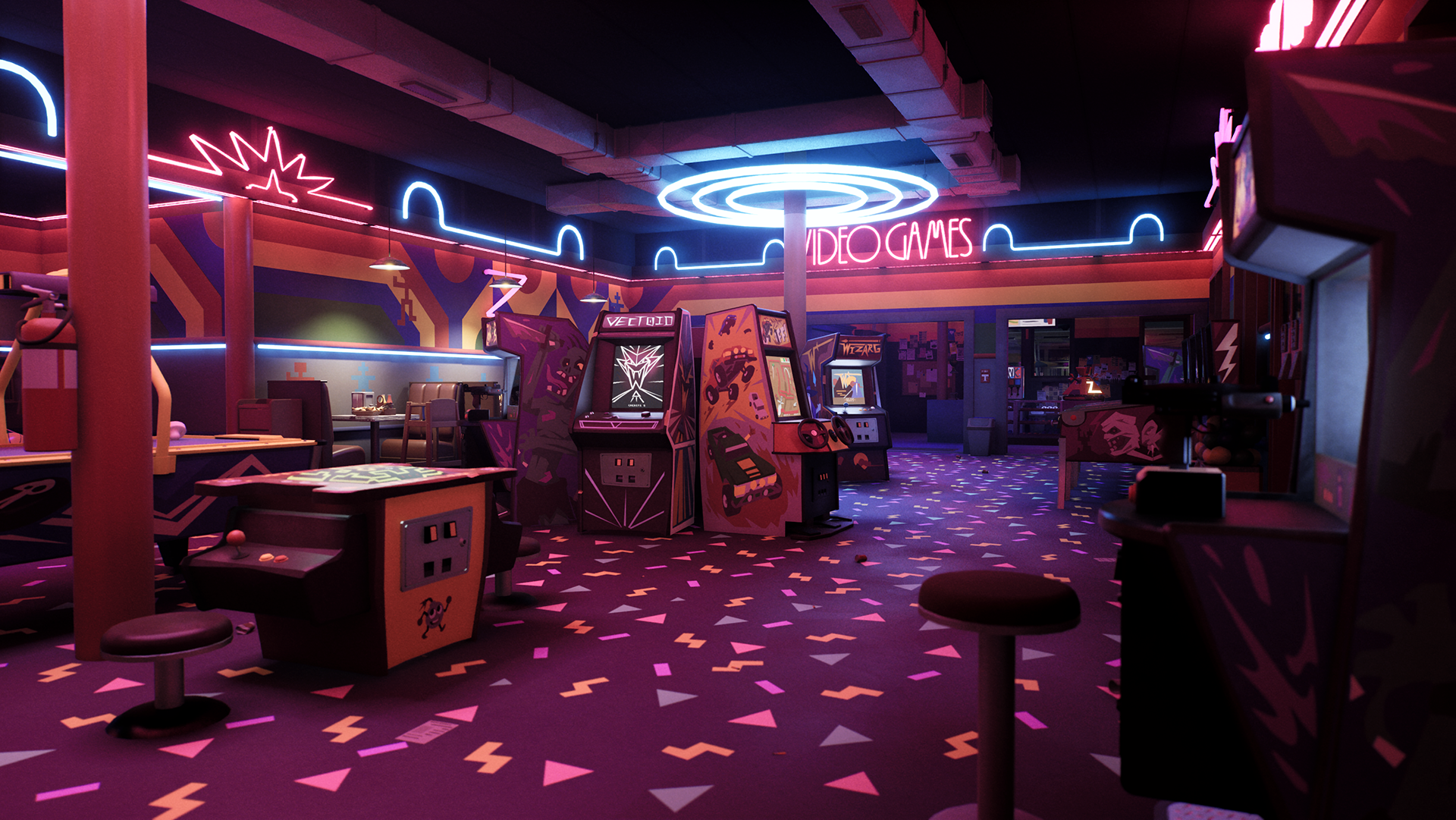
Ruckus’s published values are unusually operational for a studio manifesto. Its About page says staff should be heard in the creative process, work should have reasonable quality cutoffs, and fun should start immediately rather than after hours of progression. It describes a 32-hour minimum and 50-hour maximum workweek, intended to leave employees flexibility without treating exhaustion as proof of commitment. Those are the company’s stated practices, not an independent audit of every week in production. Still, they are concrete enough to judge.
“We don’t want every experience of every player to be the same.”Paul Sage, speaking to GamesBeat in 2022
The team’s experience helps explain the emphasis on systems that create surprising outcomes. Art director Scott Kester helped shape the graphic look of Borderlands; at Ruckus he is applying that appetite for distinctive characters and color to an American heartland gone peculiar. Sage has talked about liking moments when players outsmart the developer. The Holdouts’ odd equipment and evolving missions are meant to make room for exactly that kind of accident.
The player’s role in development is less figurative. Ruckus opened early playtesting while the title was still under wraps. Its First Look page now accepts profiles for a limited waitlist and says invitations depend on testing criteria. Steam offers a wishlist. Those are the two clear public actions today: register interest in playing a build, or ask the storefront to notify you when the game arrives. Neither requires pretending that an unreleased game has an audience size or a verdict it has not yet earned.
What the twenty minutes can teach
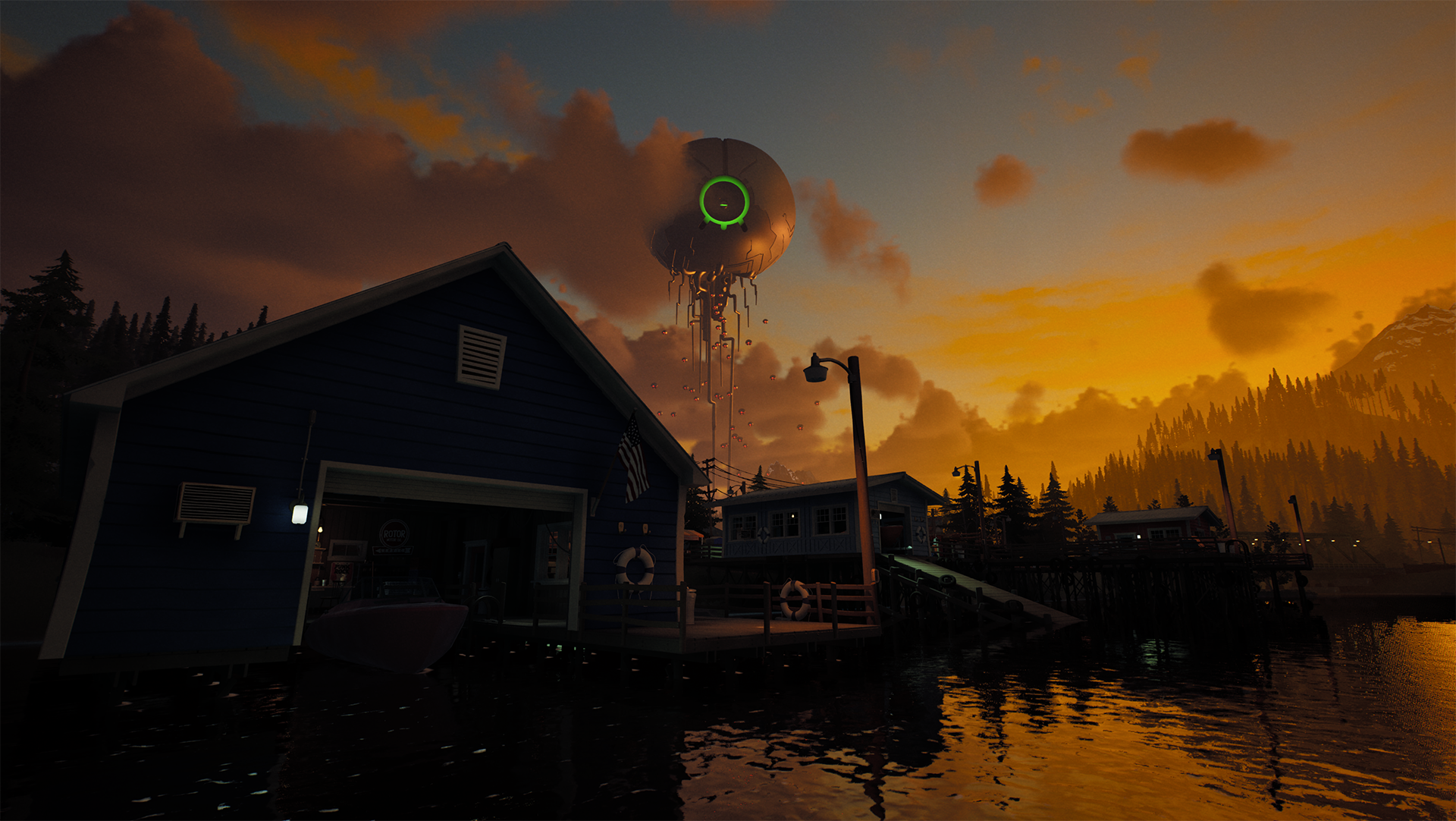
There is a copyable idea here for anyone building something expensive and unfamiliar: make the smallest version that lets an outsider feel the central experience. Ruckus did not need its entire world to demonstrate whether shooting, scavenging and returning home belonged together. The first prototype helped it seek seed funding; a more developed slice made its Series A pitch tangible. Those facts do not make the approach cheap. Fourteen skilled people working for a year is a serious commitment. It also depends on a product whose value can be experienced in a short session. A multiplayer world that takes months to mature must prove its other qualities later.
For Ruckus, that later proof is still ahead. The Holdouts has a Steam page, a gameplay video and a playtest pipeline, but no announced release date. The studio has bought time and assembled a team that knows how to ship. Now the suburban neighbors, the ridiculous tools and the hometown must withstand repeated visits. The best test of a 20-minute pitch is what happens on hour twenty.