Consider the fire pit. Solo Stove’s Yukon, as described in Route’s customer story, weighed 45 pounds and measured more than two feet across. It promised convivial evenings outdoors. Getting it to the backyard was another matter. Damage rates climbed. Solo Stove paid to insure orders through UPS, yet customers still disliked the claims process. The retailer had bought coverage; it had also inherited the conversation about why coverage was taking so long.
- Route handles protection, tracking and returns after checkout.
- Its standard merchant plan has no monthly fee; shoppers fund optional coverage.
- Claims fraud makes speed and judgment equally valuable.
- A 2026 acquisition adds exchanges to the delivery conversation.
This is the territory Route occupies. A merchant can design a lovely website and dispatch a perfectly reasonable product, then watch a carrier’s problem become its own reputation. The shopper remembers the shop. Route sells software and protection for that interval, when a completed transaction remains an unfinished promise.
A policy is only the beginning
“We were seeing damage rates come in above normal,” said John Merris, identified as Solo Stove’s CEO in the case study. Route reports that switching reduced time spent handling claims by 92% and reimbursement time by 91%. Those are vendor-published results, not a universal forecast. Their significance is the distinction between paying for a loss and removing the work surrounding it.
Route traces its inspiration to a less industrial object: an antique trunk Evan Walker bought in Florence. The shopkeeper was reluctant to ship it to America because of the risk. Walker and Mike Moreno founded Route in 2019, according to the company’s history. The original problem was wonderfully ordinary. Someone wanted to buy; someone else feared the consequences of sending.
Investors funded that proposition at considerable scale. Craft Ventures led a $35 million Series A in 2020. Route announced a $200 million Series B in January 2022, followed by a $40 million Series C in June 2024 led by Hanaco. Today, the platform advertises more than 13,000 brands. A small merchant’s shipping problem became a substantial software business.
The bill moves to checkout
Route Protect offers shoppers optional coverage against eligible lost, stolen or damaged packages. When trouble occurs, they file a claim through Route. The standard merchant plan lists $0 per month and uses consumer-funded pricing. Custom arrangements can involve flat fees or volume pricing. Eligible merchants may receive incentives. The shopper’s checkout offer supplies the actual fee.
This arrangement changes the merchant’s calculation. A software subscription becomes a customer choice attached to an order. But the fee is still a fee, and the offer must earn its place beside the merchandise. A shopper who declines protection has not purchased it merely by receiving a tracking notification. Tracking and coverage answer different questions.
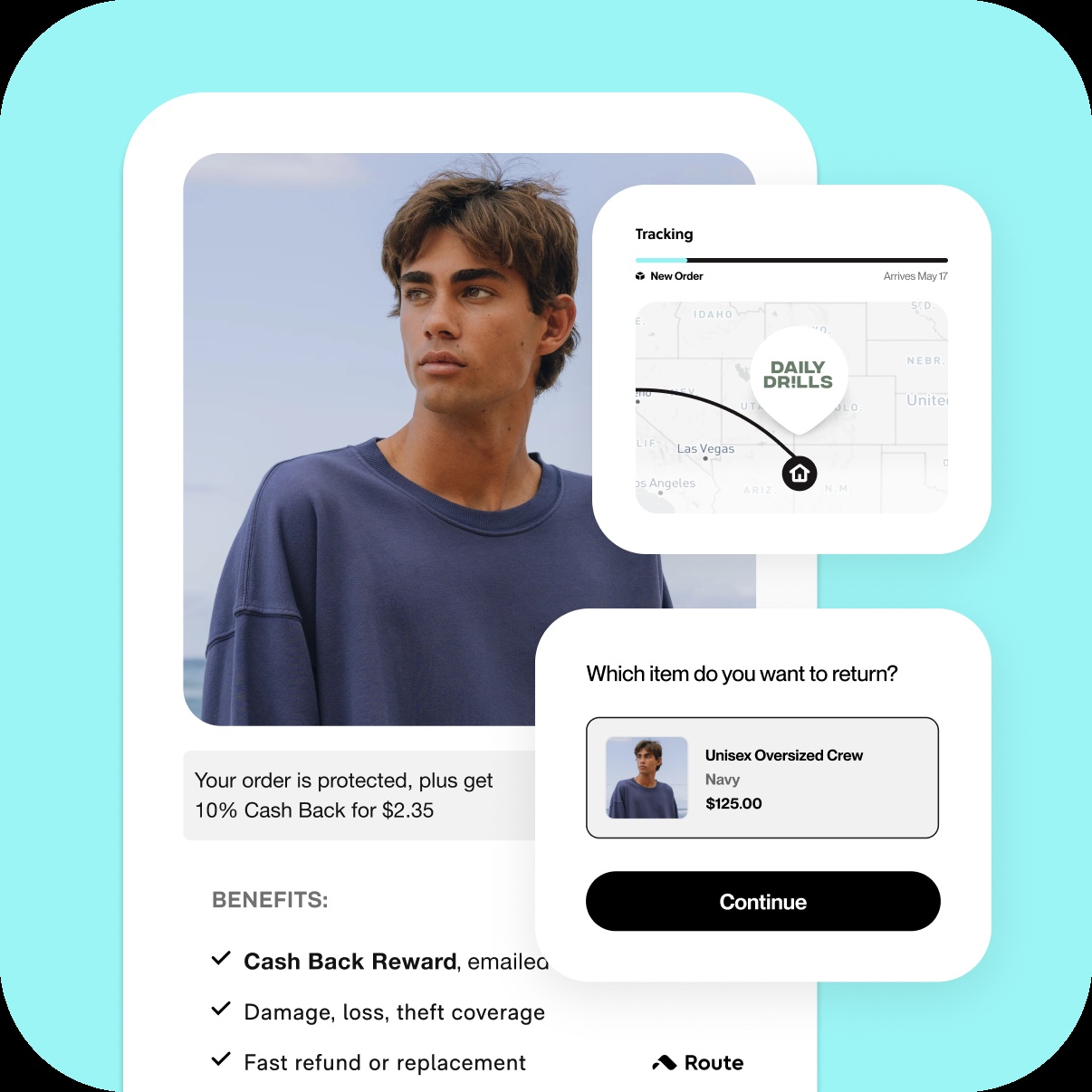
The fine print puts boundaries around the promise. Route’s 2026 policy summary generally limits coverage to $5,000 per shipment, with a $2,500 limit for specified electronics. Claims have filing windows. Delay-related losses and certain goods are excluded. Protection therefore requires a match between the merchant’s merchandise, destinations and the policy. It cannot make unsuitable coverage suitable by having an attractive button.
The waiting room becomes a shop
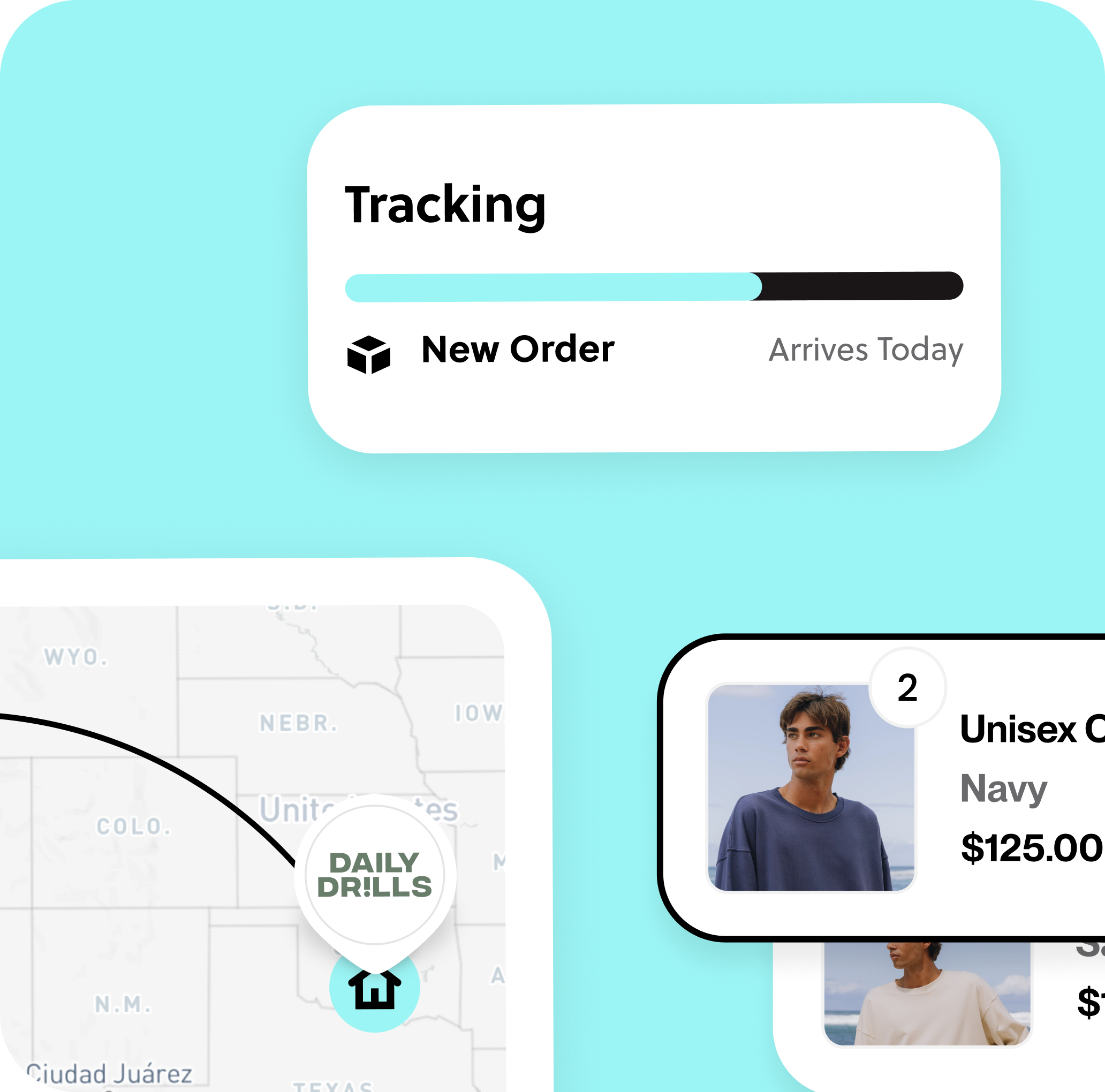
Tracking supplies another entrance. Route offers branded tracking pages, a consumer app and notifications through email and SMS, with more than a thousand carrier integrations. Recommendations can appear alongside the order update. Cash Back, in Route’s current explanation, provides a discount on a subsequent purchase when shoppers add protection. Reassurance and another sale occupy the same screen.
That is a plausible place to meet the customer. They already want information about something they bought. The design question is whether the next recommendation helps them or interrupts them. For merchants, the useful test is repeat purchasing alongside fewer support inquiries, rather than clicks alone. A busy tracking page can still leave a customer confused.
A new email is not a new person
Easy resolution brings an awkward companion: people asking for refunds they should not receive. SHIELD’s account of its Route partnership describes email-based verification failing against coordinated abuse. Route added device intelligence to connect claims made through different accounts. The partner reports a 99% reduction in fraudulent payouts linked specifically to coordinated multi-account abuse. That narrow scope matters.
“It’s now a core component of our long-term fraud prevention strategy.”Christian Hartman, Route senior product manager, on SHIELD
The lesson is portable. If a business makes reimbursement easier, it needs ways to recognize repeated behavior without treating every disappointed shopper as a suspect. Speed saves support time. An incorrect denial can consume that saving in a single angry exchange. Route’s expertise sits where claims operations, software and risk assessment meet.
The parcel arrived. The sale still escaped.
On January 12, 2026, Route acquired Frate Returns; the announcement did not disclose the price. The addition brought exchange-first software, image verification and flexible return routing into the platform. Shipping protection addresses a purchase that went missing. Exchanges address a purchase that arrived but did not quite work.
Honeylove makes the distinction concrete. Its buying experience used detailed sizing inputs, while its returns process sent customers toward refunds. Working with Frate, now Route Returns, the brand added cup-and-band adjustments, size guidance and product recommendations to the exchange flow. Route’s case study reports 20% fewer support tickets related to returns. The improvement came from helping customers find the right replacement, not merely processing their departure faster.

Count the minutes, then the money
Route competes in a crowded post-purchase market. AfterShip, Extend and Navidium offer alternatives across protection; returns specialists overlap with its newer business. The decision turns on who funds coverage, who carries risk and who controls resolution. A merchant wanting to manage every claim internally may prefer a different arrangement.
The practical move is to count support minutes, replacement spending and refunds before choosing software. Pilot the change against those measures. Keep exchange options intelligible, coverage optional and policies visible. Route can handle parts of the aftermath, but packaging quality, inventory and honest delivery promises remain merchant work. The fire pit still has to reach the backyard.