The most revealing thing about Roku is not the purple remote. It is the price tag that used to hang from the box. In 2008, the first Roku player brought Netflix streaming to a television for $99. No game console. No computer squatting beside the set. No weekend sacrificed to a nest of cables. The little black box had one important job: make internet television feel less like a computer project and more like television.
That simplicity was consumer friendly. It was also camouflage. Roku looked like a hardware company because hardware was the object on the shelf. Underneath, founder Anthony Wood was building a toll road across the TV screen - an operating system that could greet viewers, host streaming apps, recommend shows, process subscriptions, sell ads, and tell marketers what happened after an impression.
The strategy has reached its loudest validation. Roku reported more than 100 million streaming households in the second quarter of 2026. Weeks earlier, Fox agreed to acquire it in a cash-and-stock transaction carrying an enterprise value of roughly $22 billion. The deal still needs shareholder and regulatory approval, and is expected to close in the first half of 2027. The target is not merely a dongle maker. Fox is buying its way to the moment before the viewer chooses what to watch.
Netflix blinked. Roku shipped.
Wood had already spent years trying to improve television. Frustration with recording Star Trek: The Next Generation on VHS pushed him toward ReplayTV, an early digital video recorder that competed with TiVo. Roku, founded in 2002 - the name means six in Japanese, because it was Wood's sixth company - initially made networked media products including PhotoBridge and SoundBridge. They were clever, but they did not redraw the living room.
The decisive turn came from inside Netflix. Wood led a small team working on a Netflix-branded set-top box, code-named Project Griffin. The product was close to launch when Netflix co-founder Reed Hastings changed his mind. A Netflix box might make Samsung, Sony, Microsoft, and other hardware companies less eager to put Netflix on their own devices. Netflix wanted to be everywhere, so it could not appear to favor one doorway.
The project was canceled, but the team and technology were spun back into Roku. That apparent rejection became strategic freedom. Roku shipped the Netflix Player in May 2008, then added other services instead of remaining a single-app accessory. The failure came first: Roku's early media bridges did not become mainstream, and Netflix killed Griffin. What changed the company's mind was the realization that neutrality was more valuable than exclusivity.
Netflix wanted to be on every box. Roku realized it could become the box that welcomed everyone.
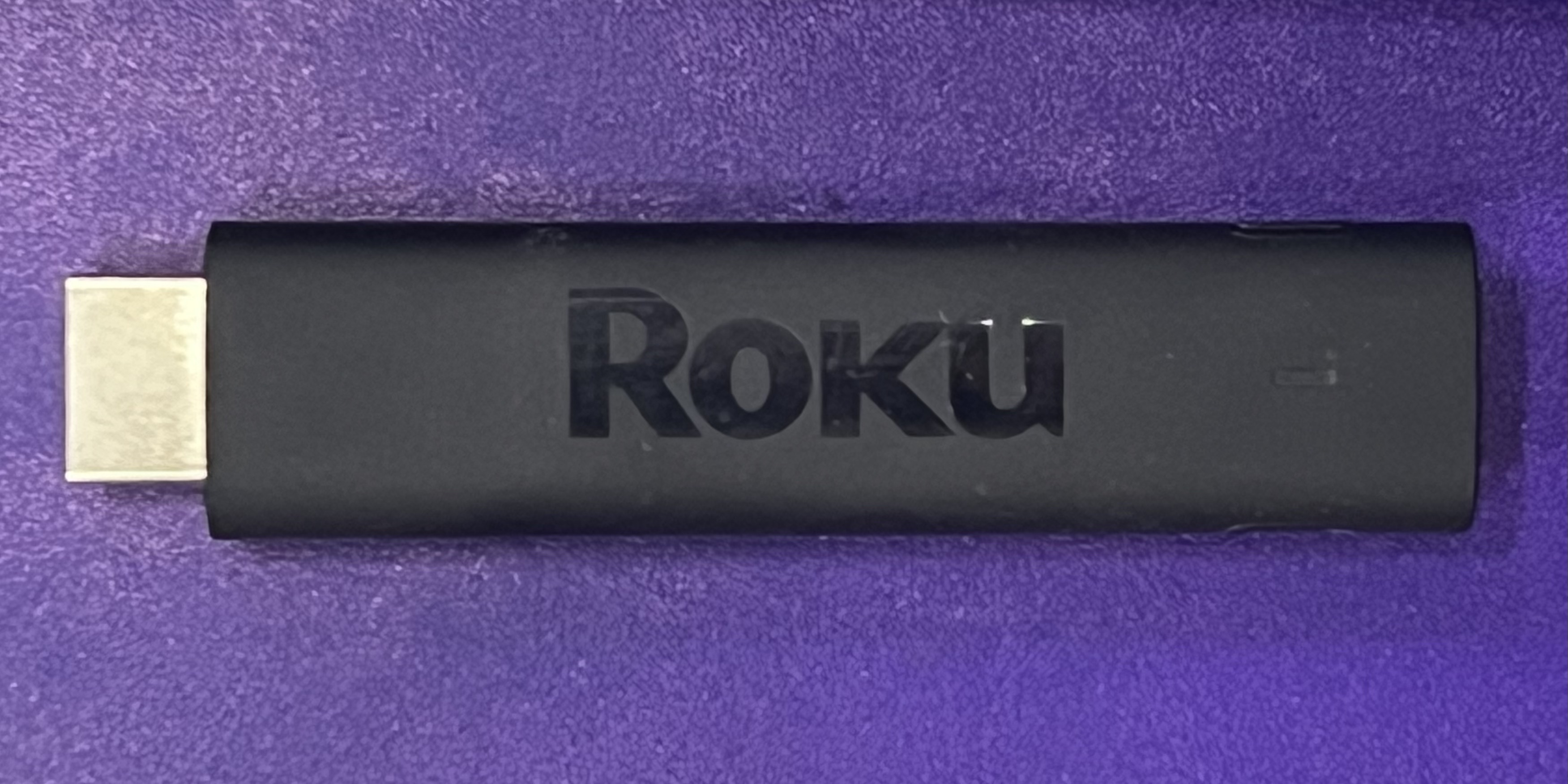
A home screen with a hardware attachment
Roku's customers now arrive in several costumes. Viewers buy streaming sticks, Roku Ultra boxes, Roku-made televisions, audio gear, and smart-home cameras. TV manufacturers license Roku OS and reference designs rather than building a smart-TV brain from scratch. Streaming publishers use the platform to acquire subscribers, distribute shows, and collect payments. Advertisers buy home-screen placements, video spots, interactive formats, and programmatic campaigns. Retailers use the screen to connect ads with purchases.
The common problem is fragmentation. Viewers have too many apps and too little patience. TV makers need software that can run on mass-market hardware. Publishers need discovery after audiences stop browsing cable channels. Marketers need reach and measurement as traditional television erodes. Roku sits between all four groups, making search and access feel simple while turning that traffic into inventory.
This is how Roku differs from many competitors. Amazon, Apple, and Google can subsidize television products with profits from commerce, phones, search, and cloud services. Samsung and LG control major television lines. Roku's narrower advantage has been a purpose-built TV operating system designed to run efficiently on inexpensive components, paired with an open posture toward competing streaming services. Executives once called it the Switzerland of the TV ecosystem. The Fox deal will test how neutral that country can look when a major content owner moves into the presidential palace.
Roku stopped being a hardware story / Share of revenue
The box is customer acquisition
In 2025, Roku generated $4.737 billion in revenue. Platform contributed $4.145 billion; Devices contributed $592 million. More important, Devices posted a gross loss. Roku explains the trade plainly in its filings: it manages product prices to grow streaming households, expecting platform revenue and gross profit to follow over time. Holiday discounts are not an unfortunate side effect. They are part of the machinery.
Once a household enters Roku, the company can earn from digital ads, video inventory, promoted content, subscription and transaction shares, Premium Subscriptions, payment services, and even the branded app buttons on a remote. The Roku Channel adds owned ad inventory with 80,000-plus movies and television episodes and more than 500 live channels. Howdy offers nearly 10,000 hours of ad-free programming for $2.99 a month. Frndly TV, acquired in 2025 for consideration valued at $169.8 million, adds affordable live channels and cloud DVR.
Content has been acquired with the same opportunism. Roku paid $150 million for ad-tech company dataxu in 2019, adding technology that became central to OneView. In 2021 it bought distribution rights to Quibi's orphaned programming for an undisclosed price reported below $100 million. Quibi had spent lavishly to invent mobile-first television and shut down after six months. Roku renamed the shows Roku Originals and placed them in a free, ad-supported service already sitting on millions of televisions. One company's expensive failure became another company's reasonably priced shelf stock.
04 / What the buyer seesFox is buying the click before the click
Fox owns live news, sports, broadcast programming, and Tubi, a major free streaming service. Roku owns the operating layer that can surface those things before a viewer opens an app. The proposed combination promises scale across content, distribution, advertising, and first-party viewing data. Roku shareholders would receive $96 in cash plus 0.9693 Fox Class A shares for each Roku share. Anthony Wood is expected to keep an ongoing role and join the Fox board after closing.
Approximate enterprise value. The agreement requires shareholder and regulatory approvals and targets a first-half 2027 close.
There is tension in the logic. Roku became useful by being partner-friendly, carrying rival services without demanding that the viewer live in one content garden. Fox has every reason to promote Tubi, Fox One, sports, and news. Push too hard and the home screen becomes less trusted by viewers and less neutral to publishers. The acquisition works best if Fox values Roku's marketplace more than it values a temporary promotional advantage.
Roku is also not invulnerable. Amazon and Google can accept long payback periods. Television manufacturers can favor their own operating systems. Streaming services can resist platform fees or route subscribers to the web. Advertising is cyclical, content rights expire, and international scale does not automatically produce U.S.-level monetization. Hardware subsidies only look clever after the downstream profit arrives.
05 / The stealable lessonSubsidize the doorway, not the dead end
The copyable part of Roku is not "sell something cheap." Plenty of businesses have discovered how to lose money on a product. The sharper move is to identify a low-friction entry point that creates a durable, frequently used relationship. Roku controls the interface users return to, the account that pays, the recommendation surface, and a meaningful share of the advertising inventory. Those are the conditions that let a device behave like acquisition spend.
The Roku test
- Can the entry product create habitual use, not a one-time transaction?
- Do you control the account, interface, data, or payment layer after purchase?
- Is downstream gross margin large enough to repay the subsidy within a sensible period?
- Does more usage attract partners who make the product better for the next user?
It will not work when customers visit rarely, switching costs are negligible, another platform owns billing, or suppliers can bypass you. It also fails when the subsidized product creates support and inventory costs faster than recurring margin. A restaurant cannot give away ovens and hope diners eventually buy enough dessert. A security-camera company might subsidize cameras if storage subscriptions are sticky. A marketplace can discount onboarding if repeat transactions stay on-platform. The math, not the metaphor, decides.
Roku's lesson is therefore pleasantly unsentimental. Hardware can be a product, but it can also be rent paid for distribution. Content can be the attraction, but discovery can be the scarcer asset. And a canceled project can be useful evidence that the original owner was optimizing for a different game. Netflix wanted ubiquity. Roku built the neutral doorway. Fox has now offered $22 billion for the address.