streaming-tv
(10)
FrontGate Media knows where the faithful are listening
A concert-ticket website, a magazine, and a women’s conference became the starting point for an agency built around one audience. Twenty-five years later, FrontGate Media is taking the same idea into podcasts and streaming TV.
Index Exchange Wants to Shorten the Trip Your Ad Dollar Takes
The family-built ad exchange is opening its infrastructure to other companies. Its wager: fewer detours can mean better decisions, less waste and more money for the media people actually came to see.

He Drove Uber to Keep JamLoop Alive. Now It Wants to Make TV Ads Behave Like Search.
JamLoop survived a broad first act, a bootstrapped near-death stretch and an industry addicted to fuzzy metrics. Its second act is a sharper bet: sell local advertisers the reach of television, the controls of digital and proof that reaches beyond a click.

Blair Harrison Has Been Rebuilding Television Since Before It Had a Skip Button
The Frequency founder has spent three decades making video easier to find, program and distribute. His latest bet is that television's next control room will be software that can learn.
Rogers Is Building Canada’s Everything Network - and Betting the Bundle Beats the Backlash
A radio bet became a national telecom, then swallowed cable, sports and satellites. Rogers now wants one household to buy the connection, the content and the perks - while never forgetting the day its own network went dark.
Frequency’s First Product Disappeared. The Pipes Became the Prize.
Frequency started as an app for finding internet video. Its more durable business emerged when it stopped fighting for the remote and began selling the machinery behind 24/7 streaming television.
Roku Sold the Box Cheap - Then Bought the Most Valuable Seat in Your Living Room
Roku won television by treating the streaming player as a ticket, not the show. Its cheap hardware bought a place on more than 100 million home screens - and turned a canceled Netflix project into an advertising and distribution machine Fox now wants to own.

Tinuiti Wants to Find the Money Your Marketing Is Wasting
The independent agency built its name buying digital ads. Its next act is harder: proving which dollars actually caused growth, and exposing the ones that did not.

Philo
Philo keeps live television cheap by leaving sports and local stations off the shopping list. That constraint has become its product strategy - and the reason more than a million entertainment-first households make room for it.
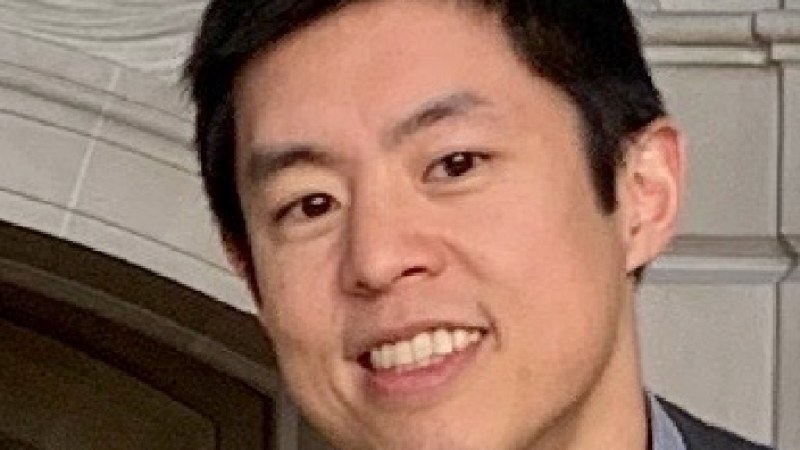
Herman Yang
Herman Yang is the CEO and co-founder of Upscale AI, an AI-native platform that lets e-commerce brands create, run, and optimize performance TV ads on streaming channels. A Stanford CS grad with an MBA from Harvard Business School, Yang spent over a decade reshaping mobile advertising at AdMob (acquired by Google) and MoPub (acquired by Twitter, then AppLovin), before stints at Facet Data, Chatgrid, and Moloco. In May 2025, he emerged from stealth with $5.5M in seed funding - backed by Nvidia Ventures, M12, Eniac, and others - to democratize what was once a $100K-minimum medium: streaming TV ads, rebuilt from scratch for performance marketers.