The interesting thing about a cockpit is how much of the world has to fit inside it. Weather, terrain, traffic, speed, direction: each arrives with its own demands. The pilot has to turn that traffic into a decision. Rockwell Collins built a business in the space between the information and the person who needs to use it.
- Radios became avionics, networks and aircraft interiors.
- UTC bought Rockwell Collins in 2018; its legacy continues inside Collins Aerospace, an RTX business.
- The useful lesson: connect the information around a specific job.
That distinction matters if you are trying to understand the company today. Rockwell Collins is a historical corporate identity, rather than a standalone competitor reporting fresh annual results. The flight decks and services survived the change of ownership. The name on the organization chart changed more dramatically than the problem its engineers were solving.
A basement, then a very big idea
Arthur Collins began working from his Cedar Rapids basement before Collins Radio incorporated in 1933. Its equipment went somewhere rather less comfortable: Byrd’s second Antarctic expedition carried a Collins shortwave broadcasting station. The attraction was practical. A message had to cross an inhospitable distance. Radio made that possible.
Later, Collins wanted to connect much more than distant voices. His C-System sought to bring an enterprise’s communications, computation and control into one system. It was an enormous ambition, and an expensive commitment. The University of Iowa’s archival history describes weak equipment sales and mounting losses. Commercial demand failed to match the engineering vision.
The financial pressure changed who got to decide. North American Rockwell invested in 1971 and gained control; Collins lost his leadership position. Management reduced the C-System commitment and imposed tighter financial controls. A formal merger followed in 1973. This is an awkward origin for a story about integration, which is precisely why it belongs here.
“Building trust every day”
Rockwell Collins’s historical brand promise
There is a useful interpretation of that setback: connecting everything is only valuable when someone needs the whole connection enough to pay for it. The later aviation business worked within a more defined setting. An aircraft supplies a boundary, a customer and a set of decisions that cannot be postponed indefinitely.
Put the decision on the screen
Consider Pro Line Fusion. The integrated flight deck brings aircraft systems and sensor information into a common avionics environment. Its displays combine navigation, synthetic vision and other flight information. The purpose is to help a crew understand what is happening without making every instrument a separate research project.
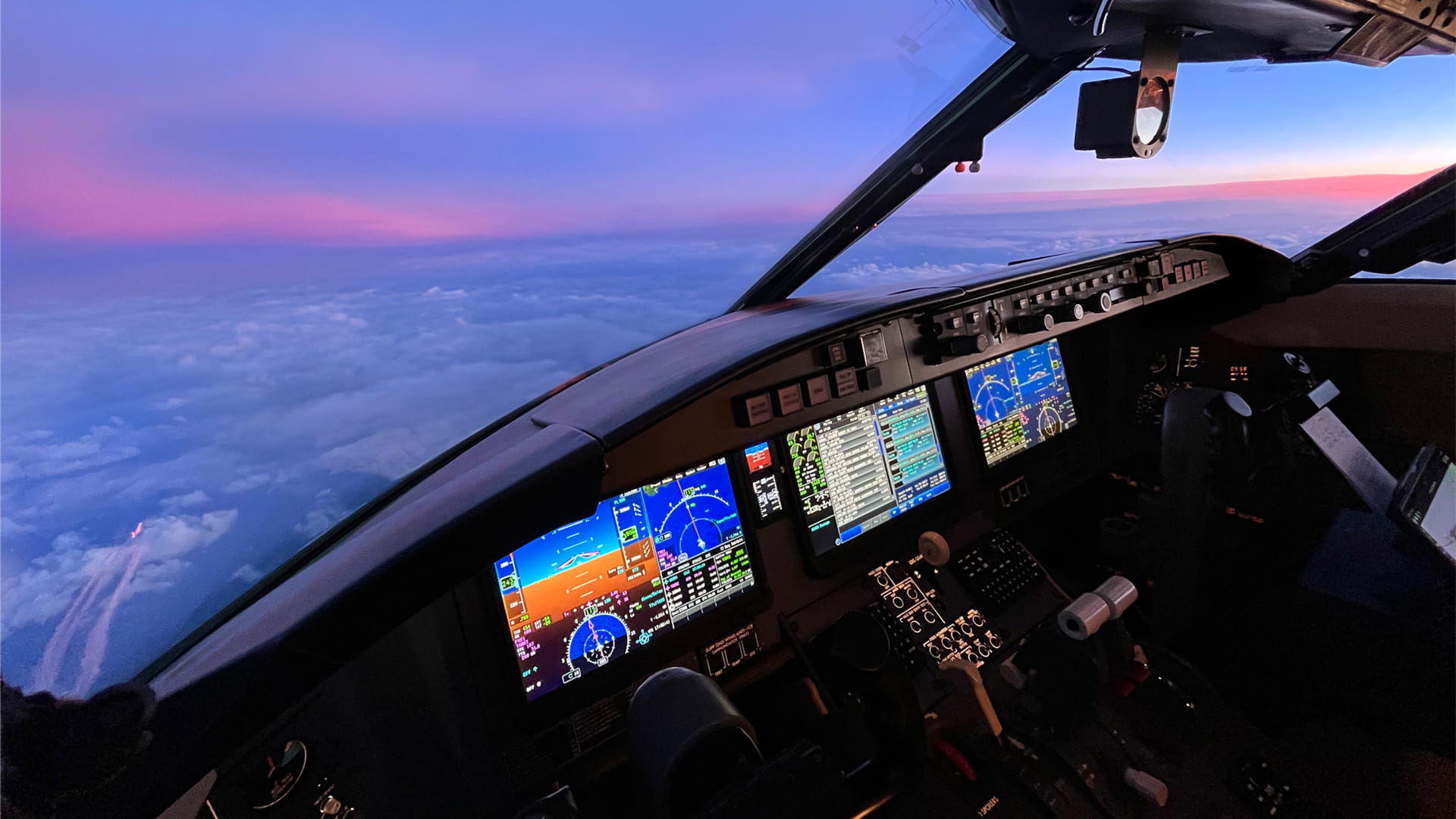
Head-up guidance addresses another part of the same problem. It puts flight information into the pilot’s forward view. Looking outside and reading guidance become more closely connected activities. The available capabilities depend on the aircraft and approved installation; a display does not grant permission to ignore operating limits.
The customers are aircraft manufacturers, airlines, business-aircraft operators and defense organizations. Boeing and Airbus appeared in the historical business; a corporate pilot may know the displays more intimately than the supplier’s balance sheet. These customers buy equipment, integration expertise and continuing support. They need the installation to work as part of a particular aircraft.
Honeywell and Garmin also offer integrated flight decks. Collins’s proposition sits in its combination of avionics, communications and operational services, rather than a claim that it invented the readable screen. Comparisons have to start with aircraft compatibility and approval. A good system for one platform is not automatically an available alternative on another.
The price of joining things up
The same appetite for connections shaped acquisitions. Rockwell Collins bought ARINC in 2013, adding aviation communications and information services. In April 2017 it completed the B/E Aerospace purchase for $8.6 billion in total consideration, including net debt assumed. A company associated with the cockpit now supplied seats, galleys and other cabin equipment.
B/E Aerospace purchase consideration, including net debt assumed. A transaction price, not an avionics price tag.
The scale changed again in November 2018. United Technologies completed its purchase of Rockwell Collins and combined it with UTC Aerospace Systems. The announced enterprise value was roughly $30 billion, including net debt. Collins Aerospace brought electronics together with a wider range of aircraft systems. The parent later merged with Raytheon.
For a buyer, those transaction prices answer a different question from “What will this cost my fleet?” Equipment is only part of the calculation. Installation, certification, training, downtime and support all belong in the budget. An integrated system becomes a poor proposition if the operational benefit cannot justify that commitment, or if the aircraft lacks an approved installation path.
The connection keeps earning
The business continues after delivery through repairs, upgrades and information services. ARINCDirect gives business-aviation crews flight planning, weather and operational support, with subscription access to its planning applications. FlightAware supplies tracking integration; DTN supplies weather services. Expertise includes getting useful information to the people preparing and operating the flight.
On October 21, 2026, successor Collins Aerospace announced ARINCDirect OpenAPI. Operators can connect planning, trip and performance information to software they already use. The announcement describes fewer manual entries and quicker updates. That is a modest-sounding benefit with a recognizable customer: the person otherwise moving the same information between systems.
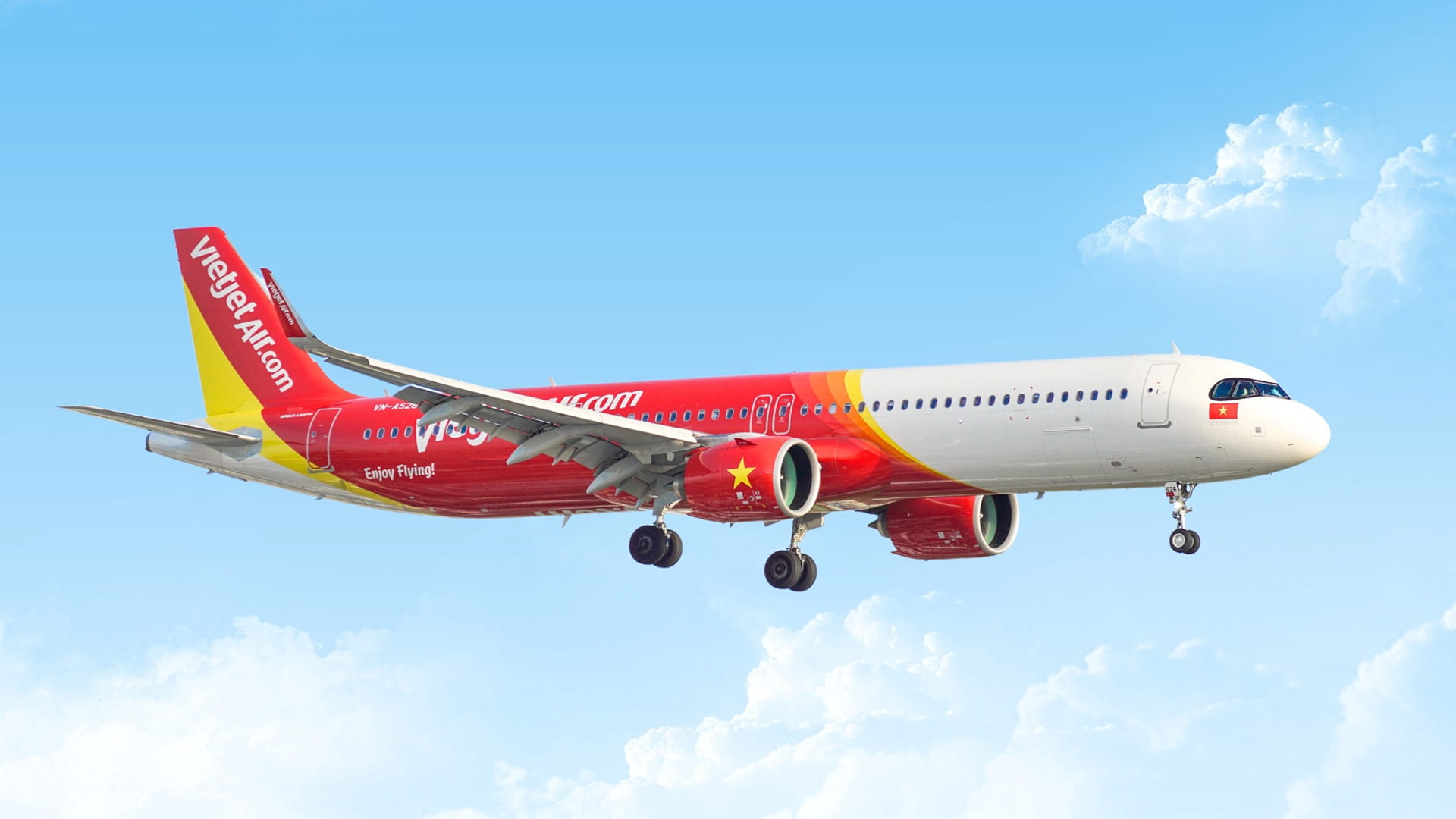
Earlier that month, Collins expanded Vietjet’s FlightSense agreement to cover another 44 aircraft, offering component availability and more predictable maintenance costs. The connection now extends from equipment to fleet support. For someone building a business elsewhere, the move worth copying is smaller: find one costly handoff, remove the repeated work, and prove the benefit before widening the system. Collins’s history supplies both the invitation and the reason to keep count.
Follow the signal
Explore the flight decks, operational tools and company behind the continuing Collins story.
WATCH THE TOOLS AT WORK▶ ARINCDirect flight-planning video ↗▶ ARINCDirect plotting-chart video ↗