A real estate agent helps someone buy a house. There are signatures, keys, congratulations. Then comes an awkward business problem: the client may have no reason to need that agent for years. An excellent transaction can be followed by an exceptionally long silence. ReminderMedia has built its business in that silence, sending something the household might keep after the paperwork has gone into a drawer.
- Professionals buy recurring marketing; their clients receive a branded magazine.
- ReminderMedia handles editorial production, personalization, printing, and mailing.
- Email, social posts, postcards, and lead generation extend the follow-up.
- The useful test is profitable conversations, not copies delivered.
A recipe with a return address
The company’s central object is a personally branded magazine. Choose American Lifestyle, Good to Be Home, Start Healthy, or Business in Action. ReminderMedia supplies the articles and design. The professional supplies an identity and a recipient list. A cover, a personal letter, advertising spaces, and tear-out cards turn shared editorial material into something that appears to come from a familiar person.
Consider the recipe card. A housing-market update has a short working life. A recipe can earn a place on a refrigerator. Put the sender’s contact information on that card and the marketing acquires a practical reason to stick around. The argument is easy to grasp: a household might welcome an agent’s useful gift long before it welcomes another conversation about moving.
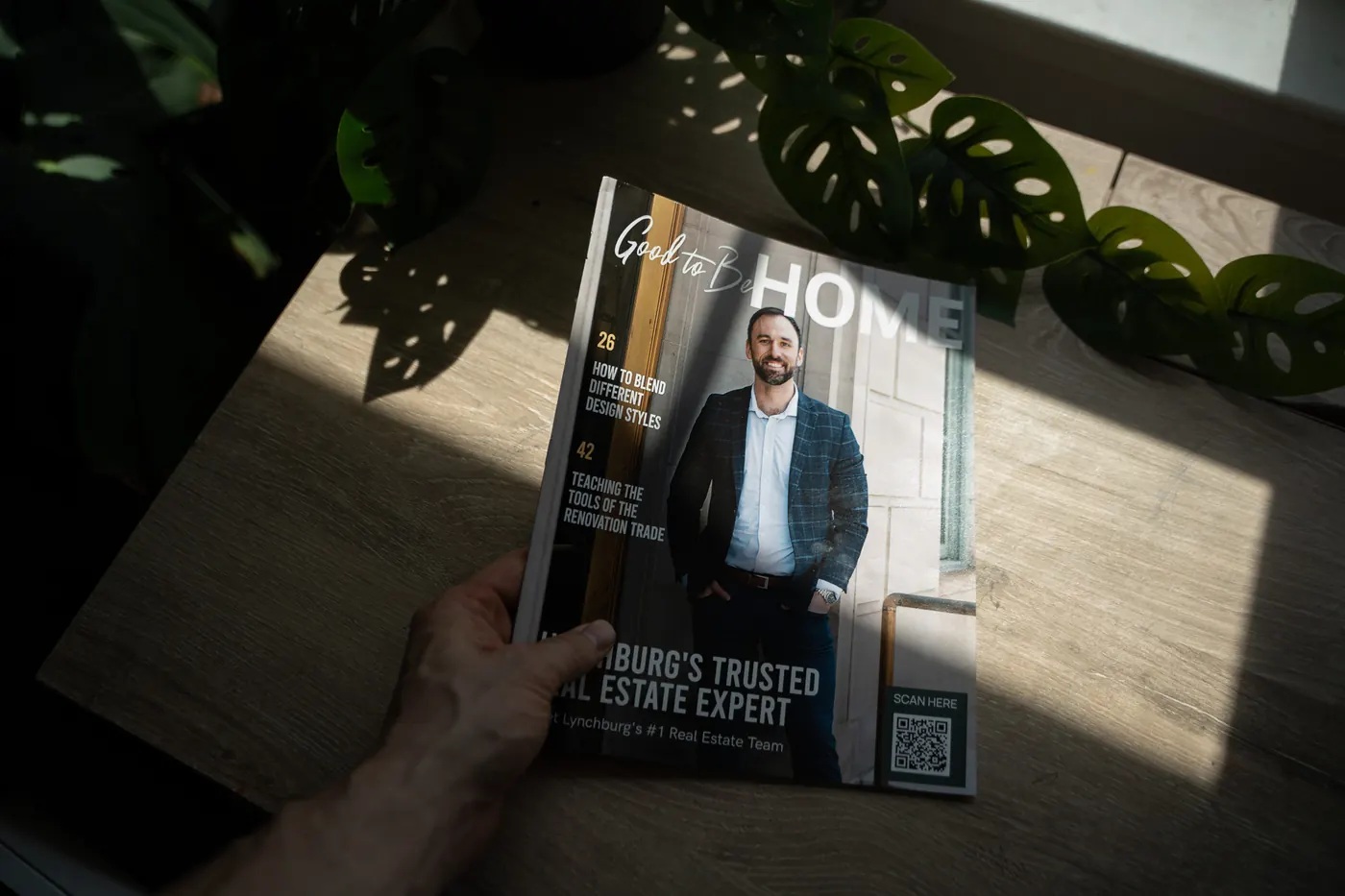
The company’s current description specifies a 40-page publication, generally sent every two months. Real estate is its largest customer group, but financial advisers, insurance agents, and mortgage professionals have the same recurring difficulty. They need to remain recognizable between occasions when somebody actually needs their service. Home, food, wellness, and business stories give them reasons to appear.
“The content is just so relevant to people.”
Mary D. · Century 21 · company-published testimonial
That small compliment reveals the service’s two audiences. The paying professional wants recognition and referrals. The person opening the envelope wants something worth reading. If the editorial material fails that second test, putting a larger photograph of the agent on the cover will not rescue it. Personal branding needs an interested reader before it can become a useful introduction.
One publisher, many personal brands
ReminderMedia dates its beginnings to 2003. In a recent Partner & Profit interview, president Luke Acree described joining his uncle Steve’s print business after starting a website company with his brother Dan. Steven Acree was the original founder. The combination helps explain the present business: publishing operations underneath a service that feels personal to each professional’s clients.
Its expertise sits in the less glamorous middle: producing content, handling brand assets, maintaining mailing workflows, and getting physical objects delivered. An agent can hire a designer or assemble a newsletter independently. ReminderMedia sells the finished process. Against an email-only tool or a local printer, that combination is the meaningful distinction. The customer buys fewer jobs to coordinate.
That work produced measurable company milestones. Inc. lists ReminderMedia among its fastest-growing private companies in four consecutive years, from 2016 through 2019. Its current magazine page reports more than 35,000 clients. The number is the company’s own claim, but the underlying commercial arrangement is clear: professionals pay for production and distribution; households receive the reading material.
The arithmetic under the gloss
The standard magazine page currently lists a $299.99 activation fee and $5.99 per recipient. For an illustrative list of 50 people, one mailing is $299.50. Six mailings total $1,797 before activation; the first-year illustration reaches $2,096.99. These are calculated costs at the advertised standard rate, rather than a prediction of what every customer will spend.
Plus $299.99 activation = $2,096.99 in this first-year example. Partner offers and individual orders can differ.
Price depends on the offer. Real Brokerage’s September 2026 partner listing gives its US agents a $4.99 magazine price, including customization, printing, and shipping, with setup reduced to $99.99. SEI also documents a reduced setup fee for eligible adviser clients. Comparing the actual order terms matters more than remembering a number from an older sales page.
The trial also has a clock. Current terms describe a first-issue trial and require written cancellation within five weeks after that issue is mailed to end the magazine service under that provision. The activation charge and already mailed copies remain payable. A service designed to continue automatically deserves a deliberate calendar entry.
What the referral number actually says
ReminderMedia commissioned GfK to survey recipients of American Lifestyle, Start Healthy, and Good to Be Home. In its published summary, 69% said they had referred the sending professional during the previous year. A separate company explanation says 31% of readers reported making a referral because the professional sent the magazine. Those are different claims.
A reader can already like the agent who sends the magazine. A referral can arrive without becoming a transaction. The survey offers evidence of engagement, not a controlled estimate of incremental commissions. For a buyer, the sensible question is how many useful conversations, appointments, and profitable transactions the program contributes over time.
The magazine now has company
ReminderMedia’s $119.99 monthly digital bundle adds a digital edition, scheduled social content, recurring emails, local events, and landing pages. Postcards provide another physical contact. Its separate lead-generation service manages Meta campaigns, a property-search site, phone verification, and AI qualification. A Follow Up Boss integration moves lead details into an existing sales workflow.
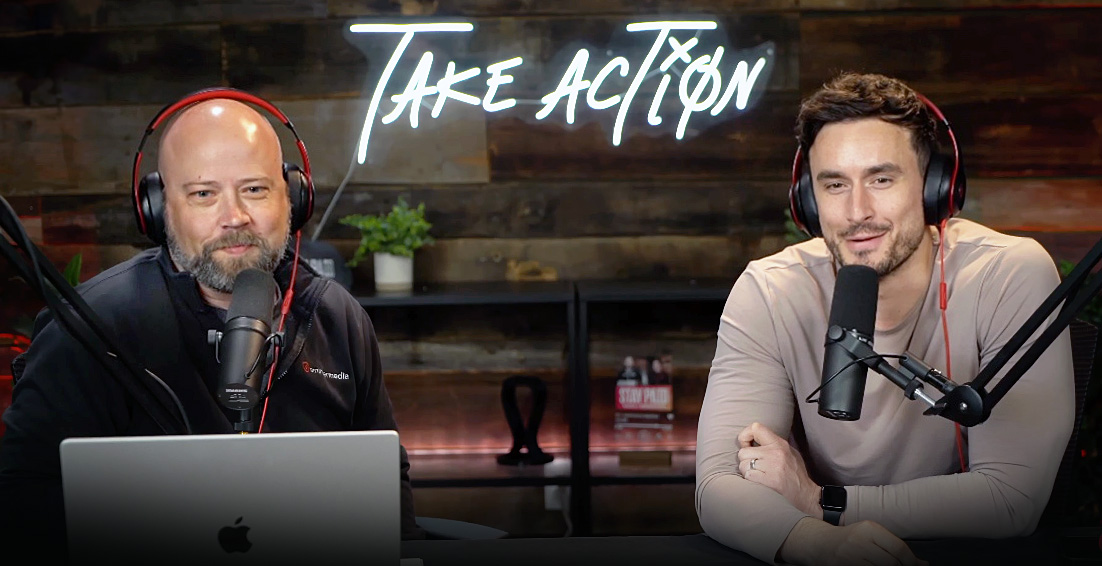
There is an educational business around the tools, too. Stay Paid, launched in January 2018, pairs Luke Acree with marketing executive Josh Stike for sales and marketing conversations. Employer materials describe a remote team and emphasize ownership and quick execution. Both reflect a company selling operational consistency: make the recurring work easier to perform.
The copyable lesson is modest. Choose people worth maintaining a relationship with, send something useful on a repeatable schedule, and make the next conversation easy. An inaccurate address list, uninterested readers, thin transaction margins, or an agent who never follows up can defeat that plan. Automation can deliver the magazine. The professional still has to deserve the call.