Consider the humble grocery list. It sends someone out for milk, bread, perhaps something for dinner. Along the way sit a coffee shop, a dentist, a restaurant. Each has a chance to become part of the same trip. Regency Centers owns and develops the setting for these encounters. Its wager is that an ordinary, recurring errand can support an entire neighborhood shopping center.
- Groceries create a recurring reason to visit.
- Local merchants and national chains share the same trip.
- Leasing, redevelopment, and public-market capital turn that traffic into a business.
The company’s website puts the portfolio at 485 centers and more than 59 million square feet, with 85% of properties anchored by major grocers. That grocery emphasis matters because it supplies a reason to return. A shopping center’s other merchants can compete for attention after the supermarket has already done some of the work of attracting it.
01The real product is the neighbor
Regency’s paying customers are retailers and service businesses. Its merchant page reports about 9,000 retailers, spanning national chains and local operators. For them, Regency supplies premises, leasing relationships, property operations, and access to a particular neighborhood. Shoppers are the audience those tenants need to reach. The distinction explains why a landlord spends time thinking about lunch.
Rent is the main engine, supported by property expense reimbursements and fees from managing investment partnerships. Development adds new centers; redevelopment changes existing ones. A retailer can search available space, explore a former restaurant or fitness location, or ask about a seasonal lease. Regency’s short-term program includes trial locations and parking-lot uses. It gives a merchant ways to test a location before committing to a longer arrangement.
The alternatives include Kimco, Brixmor, Federal Realty, and local landlords. Grocery anchors are common in this market. Regency’s particular combination is national scale, a development operation, and a focus on suburban areas with strong household incomes. Its website reports average household income around its portfolio of $160,000. A promising address still needs the right business in the right unit.
02A family business learns to travel
Joan and Martin E. Stein Sr. founded the business in 1963. After Martin’s death, Joan chaired the company and helped lead its 1993 public offering. The family origin is useful context for a company whose work involves long relationships, although today its capital comes from public markets and institutional partners.
Expansion brought some large combinations. The 2017 Equity One merger produced a portfolio of 429 properties and preceded Regency’s entry into the S&P 500. In August 2023 it completed the Urstadt Biddle acquisition, announced at approximately $1.4 billion including debt and preferred stock. That transaction extended its Northeast presence. The mechanism was stock, with existing Regency shareholders expected to own roughly 93% of the combined company. Buying scale has a price even when the consideration is shares.

03Give the errand somewhere to sit
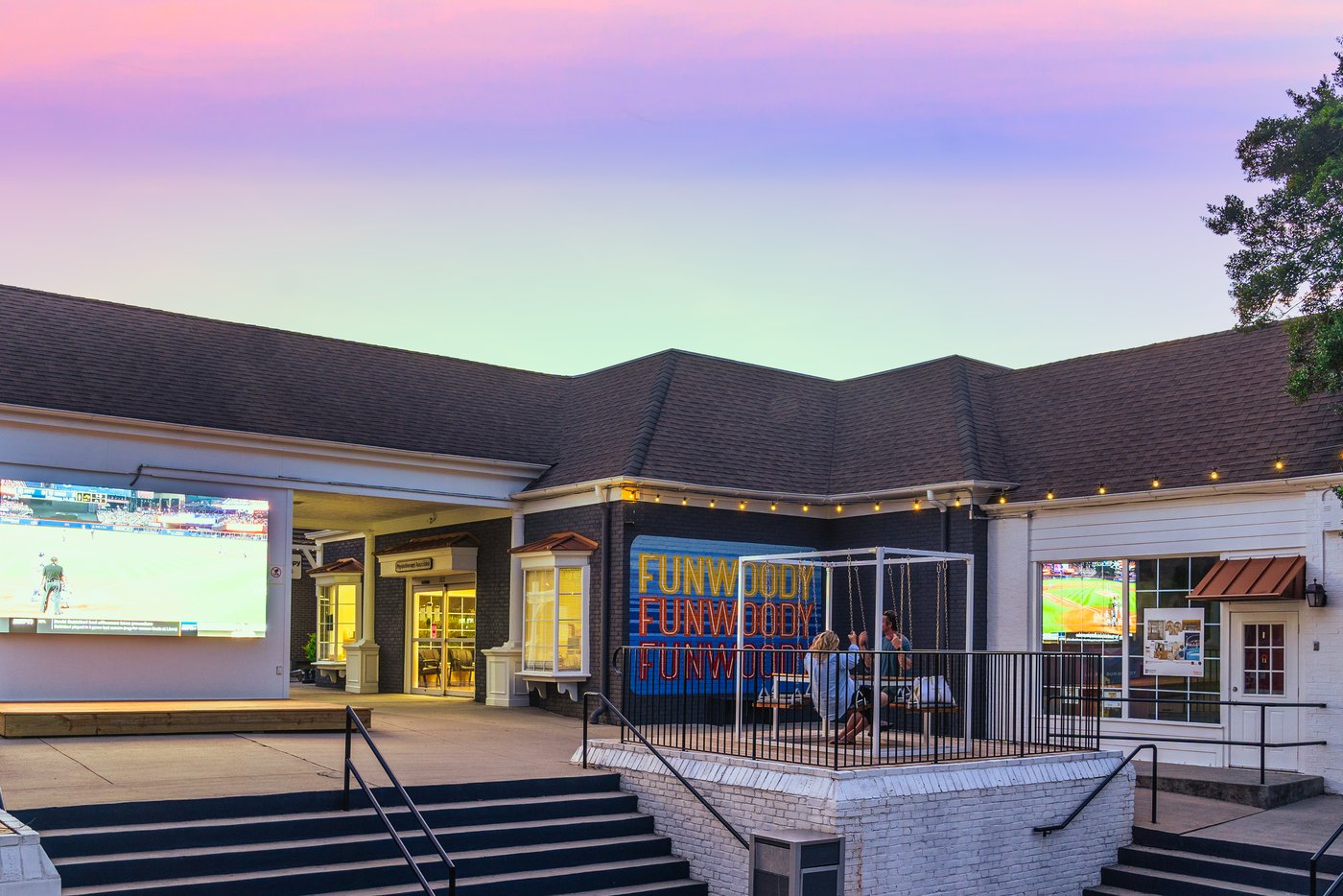
Regency calls its approach Fresh Look: merchandising, placemaking, and connecting. In practice, that means choosing a mix of merchants, making the physical setting welcoming, and giving local people reasons to use it. At Dunwoody Village in Georgia, the company redesigned outdoor space around restaurants, live music, food trucks, and seasonal events. Community feedback helped shape the shift toward a gathering place.
The revealing detail is the seating. A convenient stop can be completed quickly; a comfortable place lets somebody stay. The commercial bet is that a good neighbor also makes a good reason to linger. Whether that translates into higher rent depends on the merchants, the market, and the cost of creating the space. Regency’s stated mission centers on connecting retailers and service providers with their surrounding neighborhoods. Dunwoody gives that language a visible form.
“You don’t have to leave your house, but people want to leave.”Lisa Palmer / January 2020
04When the rent stopped arriving
Lisa Palmer became CEO on January 1, 2020, after joining Regency in 1996. Within months, restrictions on nonessential businesses exposed the limits of the grocery anchor. Essential stores could remain open while neighboring tenants lost customers or temporarily closed. The company’s second-quarter filing reported that about 72% of billed pro-rata base rent had been collected through July 31.
Regency executed more than 600 rent deferrals. Average deferral periods were approximately three months, with repayment periods around ten months. The response also included marked curbside pickup zones and a merchant resource website. An open grocery store could not solve a neighboring business’s cash shortage.
There was a practical adjustment in how the landlord negotiated. Management said it waited for clearer reopening prospects to assess tenants’ needs, obtaining concessions such as better sales reporting or extended lease terms in some deferral agreements. The useful lesson is conditional: patience becomes more valuable when it buys information and workable commitments. Deferral alone does not establish that a tenant will recover.
05A familiar habit, an expensive machine
The current machinery requires substantial capital. In February 2026, Regency priced $450 million of unsecured notes with a 4.50% coupon, due in 2033. Proceeds were intended for debt repayment and corporate purposes, including projects. Its first-quarter results identified Crystal Brook Corner on Long Island as a $59 million redevelopment. Plans there include a Whole Foods anchor, façade work, and parking improvements.
By June 30, estimated net costs for projects underway reached $680 million at Regency’s share. These are development budgets, not proof of finished returns. The same quarter’s operating figures show another important gap: its same-property portfolio was 96.9% leased but 94.5% commenced. A signature and an open shop belong on different lines of the spreadsheet.
For a small business, the practical starting point is Regency’s space search and a conversation about neighboring tenants, local demand, fit-out requirements, and lease obligations. For another operator, the transferable idea is to build around repeat needs, then make adjacent uses useful together. It depends on viable grocers, suitable demographics, and merchants able to afford the rent. Weak anchors, rising construction costs, or an overburdened tenant can undo the arithmetic. Even the dependable grocery run needs a landlord who can count.