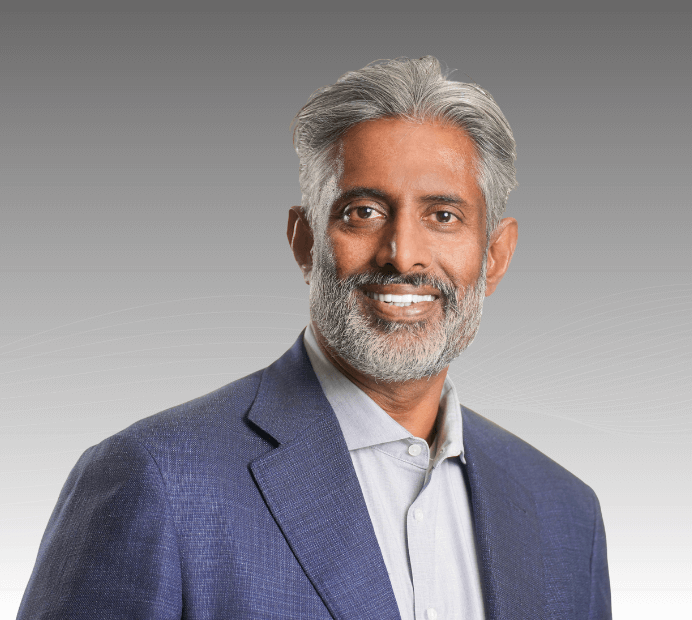
The security operations center is, by most accounts, a miserable place to work. Analysts spend their days buried in alerts - thousands per shift, most of them noise - chasing shadows across dashboards built for a threat landscape that no longer exists. Raju Chekuri has been thinking about this problem since before "SOC analyst burnout" became a LinkedIn talking point.
Netenrich was not born as a cybersecurity company. Chekuri co-founded it in 2003-2004 as an IT infrastructure management and managed services firm - the kind of company that quietly kept enterprise networks running while the rest of Silicon Valley was busy chasing the next consumer app. That patient foundation, built over more than a decade, eventually gave Netenrich something rare: real operational data at scale, and the institutional knowledge of what it actually costs when security teams are flying blind.
The pivot to a SaaS model and the launch of the Resolution Intelligence Cloud was the result of that accumulated understanding. The platform does something deceptively simple in description but brutally hard in execution: it ingests data from every detection source across security and digital operations, correlates alerts to reduce noise, identifies actual incidents (and pre-incident situations), prioritizes threats based on business risk, and hands analysts context-rich "ActOns" - highly correlated information about events, assets, and users, ranked by impact, likelihood, and confidence. The net effect: analyst productivity improves by over 80%. Fewer false positives. More signal.
What makes Netenrich's position unusual is its depth with Google. The Resolution Intelligence Cloud is built natively on Google Chronicle, making it one of the most deeply integrated Google SecOps partners in the market. When Google pushes into enterprise security, Netenrich moves with it - and the 2024 launch of Adaptive MDR for Google Chronicle was a direct expression of that partnership. For enterprises already in the Google Cloud ecosystem, Netenrich is not just a vendor. It is the operational layer.
Before Netenrich consumed his professional attention fully, Chekuri had already logged two significant exits. Velio Communications, which he founded, was acquired by LSI Logic and Rambus. Then he chaired the board of OpsRamp - a hybrid IT operations management company - through its acquisition by HPE. The pattern is clear: Chekuri builds things that get absorbed into larger infrastructure stacks, because he builds for where the infrastructure market is heading, not where it has been.