The problem was that the masks moved. In 2020, Chicago Law Partners needed reusable cotton masks for employee appreciation kits, with less than a week before distribution. Its vendor had a backlog. Overture Promotions brought the printing inside. Then its team encountered the awkwardness of putting multilayer fabric through an automatic press: the object receiving the logo would not reliably stay put. They tested the process until it worked.
It is a small episode, but a revealing one. Promotional merchandise looks uncomplicated from the receiving end. Someone opens a package. There is a shirt, perhaps a mug. Behind that moment sits a chain of decisions about fabric, artwork, inventory, packaging, and addresses. Overture has built its business around managing that chain.
- Creative work, merchandise, webstores, and fulfillment in one program.
- Customers include employers, consumer brands, and professional firms.
- Recent acquisitions add international operations, sustainability expertise, and legal-sector relationships.
The stockroom behind the screen
Founded in 2001, with Heather Sanderson and Joe Hazan among its founders, Overture occupies the practical end of marketing. It sources products, designs graphics, prints and embroiders, assembles kits, stores stock, and ships orders. Customers buy physical merchandise and the work required to run a program. The business combines an agency’s creative judgment with a distributor’s sourcing and a fulfillment operation’s routines.
Its company stores make the combination visible. An employee can order branded gear through a custom storefront; behind the screen, the agency connects ordering with inventory and dispatch. Overture says it manages more than 250 inventoried webstore programs. Marketing gets control over presentation. Procurement gets reporting. The person who otherwise keeps spare hoodies under a desk gets some space back.

The customer list helps explain the breadth. Public reporting names AbbVie, UPS, Nielsen Media, and American Airlines. These are organizations with distributed people and recurring occasions for merchandise. A separate Overture case study describes producing R.E.M. Beauty’s Wicked collection, navigating licensing requirements and using domestic suppliers and internal decoration. The company reports that sellouts prompted reorders. Here, the merchandise itself was something fans wanted to buy.
Collectors offer a more exacting test. ASI described an Overture beverage-client project involving 100,000 Funko figures, a redemption website, and home delivery. Some recipients complained about tiny nicks in the boxes. The team sent reinforced boxes. To the collector, packaging belonged to the object’s value. For anyone commissioning merchandise, that is useful homework: establish what the recipient will inspect, keep, and care about before choosing how to pack it.
Growth, with a catch
The pandemic exposed another use for the same machinery. Overture redirected sourcing relationships toward personal protective equipment, then employee and customer engagement kits. Reported revenue reached about $127 million in 2020, up from about $82 million in 2019. A promotional-products operation could supply something urgently useful because it already knew how to source and move physical goods.
Then the temporary demand receded. In 2021, sales fell 10.2%, to $114 million. PPE had represented more than 30% of sales in 2020; a year later, it represented 7%. Meanwhile, conventional promotional revenue grew 30%. Read only the total and you miss a business changing underneath it. The lesson is to examine what drove growth before treating that growth as permanent.
Buying a map, a method, and relationships
Westbridge Capital backed Overture’s acquisition in 2021 with a plan to build an international branding company. The subsequent purchases show how that ambition became specific. Brandon, acquired in September 2024, brought operations in Gothenburg and Shanghai. International reach gained people and infrastructure already working in those markets.
Eco Promotional Products followed in February 2025. Its contribution included product and supplier sustainability scorecards, which Overture said it would bring into customer webstores. That places purchasing information closer to the purchasing decision. Pride Products, acquired in January 2026, added expertise in law firms, professional services, and higher education. Its ten largest clients averaged more than 15 years of tenure, according to the announcement.
Those deals suggest three different things worth acquiring: geographic capacity, a useful assessment method, and relationships that take years to establish. Overture reported more than $175 million in 2025 revenue. In 2026, PPAI ranked it eighth among distributors using multiple business measures. The purchases help explain its scope; neither number proves every integration is easy.
The office has a movie collection
Tej Shah, who joined in 2010 to lead e-commerce, became CEO in July 2025. His account of the workplace contains a wonderfully ordinary detail: interview candidates name two favorite movies. If hired, they find the posters at their workspaces. Over time, an office becomes a collection of conversation starters.
“Start by treating people like adults and professionals.”
Tej Shah / CEO, speaking to Counselor in 2026
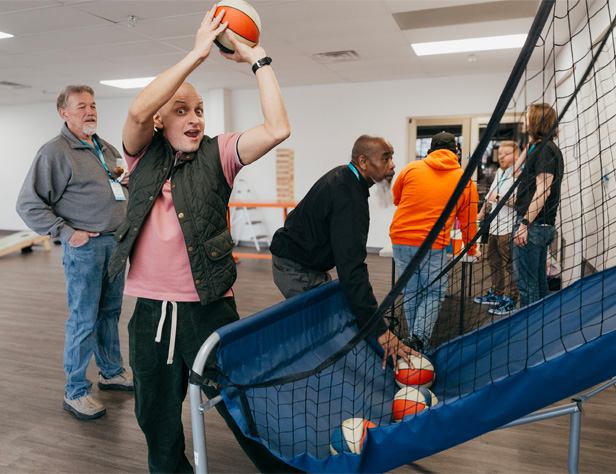
Counselor’s 2026 workplace profile describes hybrid flexibility, continuing education, dogs, and a recreation area called The Retreat. It marked Overture’s eleventh appearance on the publication’s workplace list. For a company coordinating creative, technical, sales, and warehouse work, the operational implication is straightforward: colleagues need reasons to know one another before an urgent order forces the introduction.
Price the whole journey
The buyer’s question is therefore larger than the unit price of a bottle. A useful comparison includes decoration, storage, assembly, freight, and the internal time spent coordinating suppliers. Overture scopes projects around the audience, creative requirements, deadline, and budget. Ask for those components in the proposal, alongside inventory ownership and the cost of handling leftovers.
- 01 Design & source
- 02 Decorate & stock
- 03 Order & assemble
- 04 Ship & track
The practical inference is that this model earns its keep when coordination matters: recurring onboarding, multiple offices, controlled brand standards, or complex recipient lists. For a small, simple order, compare the overhead with a local printer or catalog distributor. Copy the discipline either way. Test the actual material, decide who owns each handoff, and work backward from arrival. A box makes a promise before anyone opens it.