A parcel can travel a long way before the person who brings it to your door ever touches it. Someone collects it. Someone weighs it. Someone decides which truck, which processing center, which delivery partner. For an online shopper, these decisions disappear into a tracking number. For OSM Worldwide, they are the business.
- OSM handles the middle of the parcel journey for online retailers and logistics providers.
- Its domestic service targets businesses shipping 1,000 or more packages daily.
- A network built with USPS now includes additional last-mile partners.
Think of the gap between a warehouse and a doorstep as a coordination problem. A merchant wants predictable delivery without spending the margin on postage. A delivery network wants packages prepared and presented efficiently. OSM occupies the space where those interests can meet. The interesting question is how much value careful coordination can create.
A shipping company between shipping companies
Gaston Curk and James Kelley founded the business in 2003 as One Stop Mailing. Its early customers included associations and universities. It brokered postal services, offered specialized billing and helped clients benefit from USPS work-sharing discounts. The starting insight was practical: preparation and customer service could make an existing postal system more useful.
As demand grew, the business added space, high-speed sorters, software and people. It began developing a network with USPS in 2010 and launched the OSM Premium Network in 2012. Its present processing geography includes the Chicago area, York, Atlanta, Dallas and Las Vegas. Each location helps organize the journey before a delivery partner finishes it.
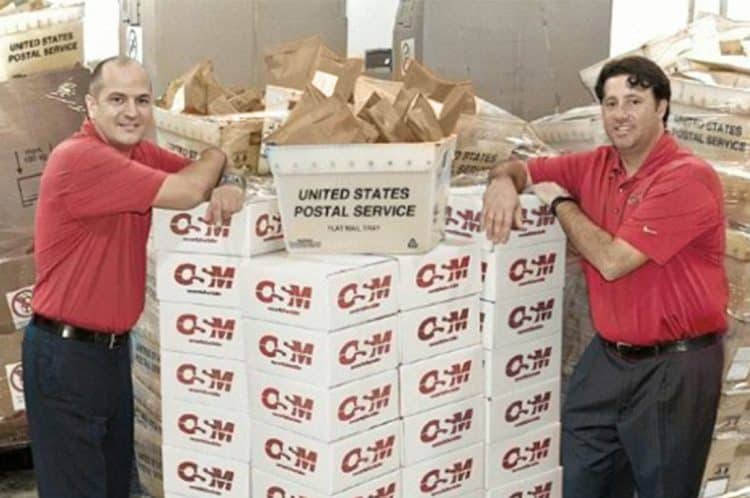
OSM calls itself a parcel expeditor. That distinction helps explain where it fits. It sells businesses a coordinated shipping service, supported by its own processing and transportation arrangements and partner delivery networks. A fulfillment provider can use it after preparing an order; a retailer can use it without building a national transportation operation.
- 01CollectMerchant pickup
- 02ProcessWeigh, scan, sort
- 03RouteNetwork transport
- 04DeliverLast-mile partner
The test that settled the argument
Consider SFG, a technology and fulfillment business serving subscription and eCommerce clients. In OSM’s published account, the relationship began with the awkward work of presorting and postage for craft-kit subscriptions. SFG later expanded its use of OSM to e-retail packages. Some partners worried that changing providers would sacrifice the speed they received from FedEx.
They tested deliveries and monitored results. SFG postal operations manager Carol Bald reported comparable times, sometimes better, for the shipments tested. That is a narrower and more useful finding than a blanket claim that one carrier beats another. The decision came from the customer’s own traffic. Geography, package mix and service selection mattered.
“On the domestic front, the biggest advantages of working with OSM are lower postage costs and less paperwork.”
Carol Bald · SFG postal operations manager
The case study describes more than 2.6 million domestic parcels annually and roughly 50,000 international pieces monthly for SFG. These are account figures, rather than OSM’s total volume. They show the scale at which small changes become consequential. A preparation step removed from every package can matter as much as a more impressive tracking screen.
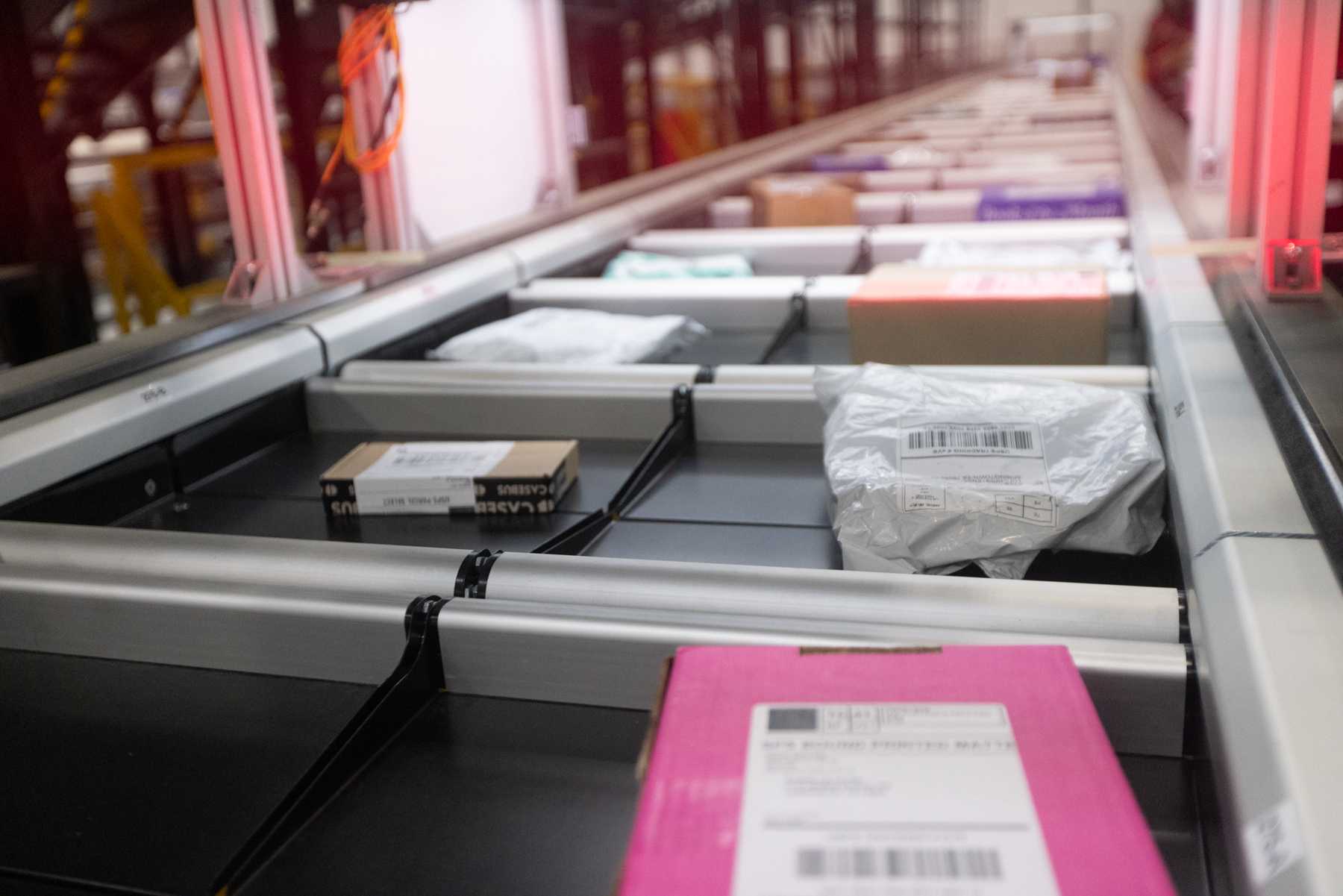
OSMART, the company’s customer portal, supplies that screen: tracking, invoices, reports and shipment analytics. Its upgraded tools let users examine transit by state and volume by zone. Software integrations and an API connect shipping data with other systems. For a merchant, the useful feature is the ability to investigate a pattern across orders instead of chasing each parcel separately.
Then the postal arithmetic changed
The trouble with building around a partner is that the partner can change its terms. During 2024, USPS changed lightweight parcel pricing and pushed consolidator traffic toward earlier entry into its network. Contracted discounts for delivery-unit entry ended in January 2025. The changes pressured the economics of a sector that had long depended on inexpensive lightweight shipping.
Curk told trade publication Supply Chain Dive that OSM was testing other delivery providers while expecting USPS to remain its major final-mile carrier. In February 2025, OSM announced additional last-mile partnerships. A model rooted in one postal relationship was becoming more flexible about who finished the journey. Carrier selection became another decision inside the service.
That flexibility needed physical investment too. From 2022 through 2024, OSM reported a 33% increase in technology and operations investment and a 55% increase in technology talent spending. Its Las Vegas move more than doubled the listed facility footprint. Bigger buildings and better reporting address different bottlenecks; a growing network needs both.
Facility area in square feet. Published figures from OSM’s 2025 network announcement.
Buy the route, read the invoice
OSM’s commercial audience includes apparel, beauty, subscriptions, publications and third-party logistics businesses. DHL eCommerce and ACI Logistix occupy similar consolidation territory; direct postal services and major parcel carriers offer alternatives. The choice turns on actual shipments. OSM advertises three-day average domestic delivery, but its FAQ says it does not guarantee arrival on a particular day.
Rates depend on the shipment and service. The full bill also deserves attention: OSM publishes an indexed fuel surcharge, listed at 13.50% for October 5 through November 1, 2026. A sensible comparison uses the complete invoice and the distribution of delivery times. An average alone tells a merchant little about the orders that arrive late.
International service adds another set of choices. OSM lists coverage in more than 180 countries and territories, with advertised transit of four to fourteen business days. Its Global Priority products differ in weight limits, tracking and duty treatment. A lightweight subscription parcel and a heavier international order can require different answers even when both leave the same warehouse.
The lesson a merchant can copy is SFG’s: start with a test. Compare similar routes, count the handling work and watch the exceptions. Keep date-sensitive orders aligned with an appropriate delivery commitment. OSM’s contribution is making the connections between shipping operations work better. The proof arrives, eventually, as a box on somebody’s doorstep.