In 1961, two Newmont geologists, John Livermore and Alan Coope, found a gold deposit near Carlin, Nevada. The useful detail is what they could not see. The gold was microscopic. A person waiting for something shiny could have walked past the opportunity. Open-pit production began in 1965. An ordinary-looking stretch of rock became the foundation of a very different business.
- Newmont turns mineral deposits into gold, copper and other saleable metals.
- After acquiring Newcrest in 2023, it sold six non-core operations.
- Its advantage depends on geology, execution and choosing where capital goes.
That history offers a useful way into Newmont today. The company has spent a century deciding where value hides. Sometimes the answer is in an overlooked deposit. Sometimes it is in a truck that drives itself. Recently, it has also been in a less glamorous activity: deciding which mines somebody else should own.
An ounce has a long commute
Newmont is an upstream metal producer. Its work includes exploration, mine development, extraction and processing. Gold goes into a global trading system; copper, silver, lead and zinc are generally sold in concentrates to smelters for further treatment. The eventual destinations include investment holdings, jewelry and industrial products. The direct customer is often a trader or smelter, several commercial steps away from the person wearing the ring.
Its expertise sits in the distance between finding a deposit and selling something from it. Ore must be understood, mined and processed. Depending on the material, recovery can involve milling, flotation or leaching. A deposit with impressive metal content can still make an awkward business if the recovery process, infrastructure or operating costs refuse to cooperate.
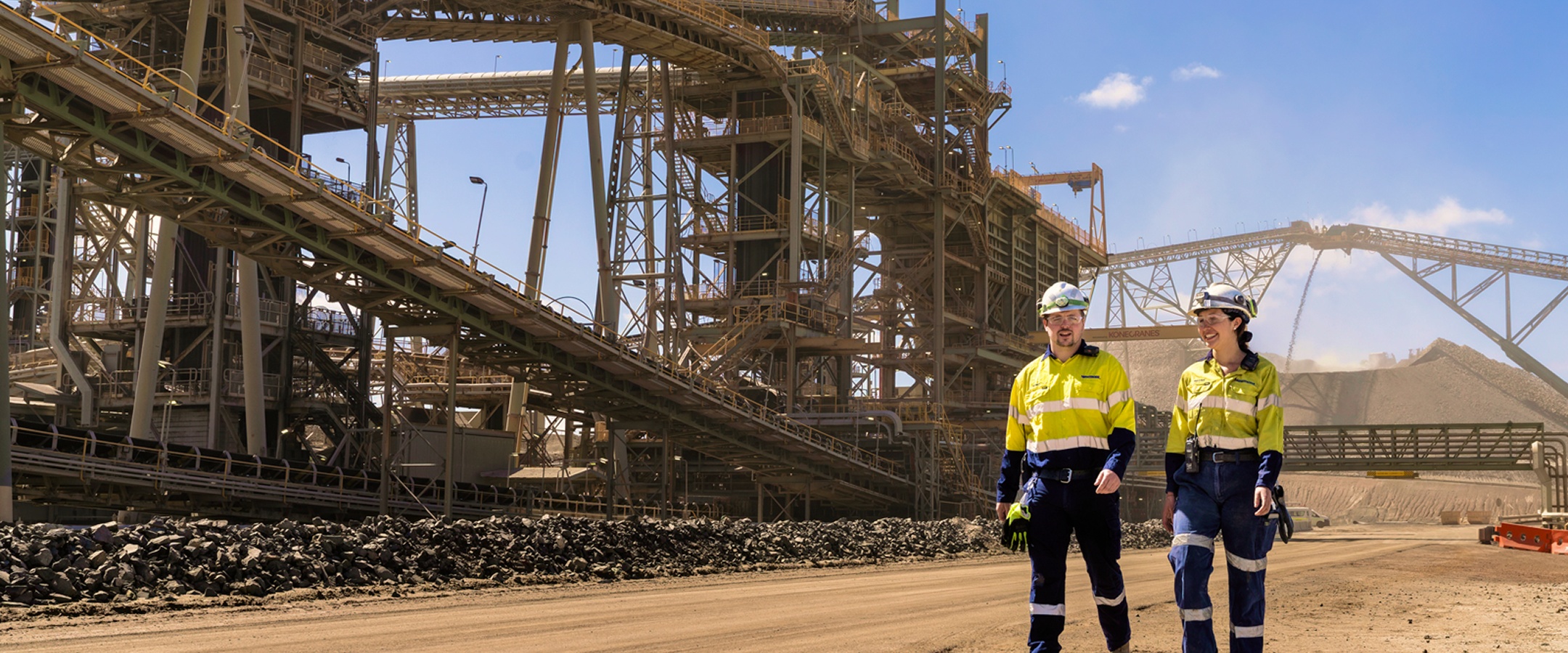
This explains Newmont’s place beside companies such as Barrick and Agnico Eagle. Buyers can obtain metal elsewhere; an ounce does not command a premium because its producer has a pleasing corporate history. Competition moves upstream, into access to deposits, technical skill, operating reliability and capital. Newmont’s geographic spread gives it choices, while making the job of coordinating them harder.
Buy the collection. Edit the collection.
In November 2023, Newmont completed its acquisition of Newcrest. Cadia, Lihir and other assets enlarged its gold and copper portfolio. The accounting record puts acquisition-date stock consideration at $13.549 billion. That figure describes the shares exchanged at their closing-date value; it is separate from transaction expenses and liabilities assumed.
The next decision mattered just as much. Following a portfolio review, Newmont announced a disposal program in February 2024. By April 2025, it had completed sales of all six non-core operations: Telfer, Éléonore, Musselwhite, Cripple Creek & Victor, Akyem and Porcupine. Havieron, a development interest, also went with Telfer.
Calling this a change of heart would invent an inner conversation. The documented change was in the portfolio. Buying a company gives you a bundle; operating it requires judgments about each component. The transferable lesson is to make those judgments explicitly. Revenue acquired is a poor substitute for knowing which assets deserve the next maintenance budget, expansion team or dollar.
The robot still needs a shovel
Boddington, in Western Australia, supplies a wonderfully practical counterweight to acquisition arithmetic. Newmont invested $150 million in autonomous haulage, commissioning a fleet of 36 trucks in 2021. The intention was to improve safety and productivity and extend the mine’s life. It was an industrial operating project, with Caterpillar technology, rather than a new product Newmont could sell by subscription.
The awkward part arrived during commissioning. Severe weather, unreliable shovels and delays maintaining working benches reduced the material coming out of the pit. Newmont cut expected 2021 gold production at Boddington by approximately 140,000 ounces against original guidance. A commissioned truck fleet had not yet become a fully productive mining system.
By the end of October 2022, the autonomous fleet had hauled more than 100 million tonnes, Caterpillar reported. The useful idea here is conditional: automation can improve a repeatable operation when its supporting machinery and working environment are ready. It cannot make a broken shovel load faster. Anyone automating an office process can recognize the family resemblance.
The people can stop the machine
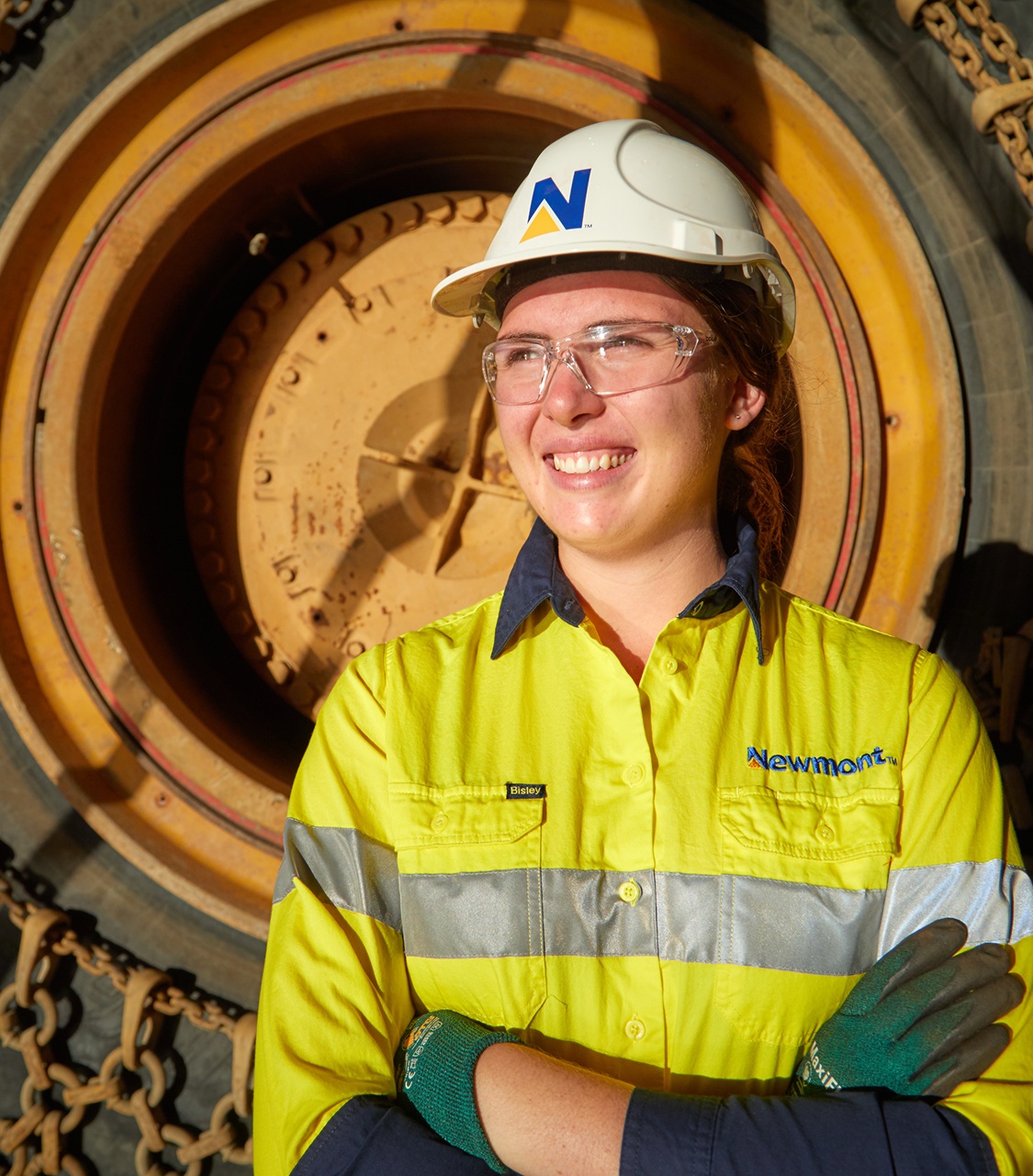
At Peñasquito in Mexico, production stopped for a different reason. A strike began in June 2023 and ended that October following negotiations. The settlement included a payment roughly equivalent to 60 percent of wages lost during the stoppage. Separate annual wage negotiations produced an 8 percent increase. Technical competence had not removed the need for an acceptable working relationship.
Newmont names safety, integrity, sustainability, inclusion and responsibility as its values. The operating test is unforgiving. Its 2026 proxy reported zero fatalities in 2025, then acknowledged a colleague’s death at the Tanami Expansion 2 project in early 2026. Culture claims belong beside that record, where their practical stakes are visible.
What earns the next dollar?
Natascha Viljoen became CEO in January 2026. On her appointment, she described the intended company as “stronger, simpler and more resilient.” Simpler still leaves room for complicated deals: an August 2026 agreement with Barrick provided for additional Nevada Gold Mines properties, revised governance and $1.95 billion in consideration from Newmont to Barrick.
“Stronger, simpler and more resilient.”
Natascha Viljoen · September 2025
There is money behind the reshaping. Newmont reported $22.669 billion in 2025 sales. Its July 2026 results recorded approximately 1.3 million attributable gold ounces and $2.2 billion in second-quarter free cash flow, a non-GAAP measure. Those numbers do not isolate the benefits of mine sales or automation: metal prices, grades and mine sequencing also affect results.
The approach needs willing asset buyers, workable permits and reliable operations. Lower prices or difficult ore can overwhelm tidy portfolio logic. For readers, Newmont offers a concrete discipline to borrow: examine the whole system before celebrating the shiny component. Carlin required more than finding gold. Boddington required more than buying trucks. A mining collection requires deciding what to keep.