The Geologist Who Turned Rocks Into Rent Checks
For nearly 30 years EMX Royalty did the unglamorous half of mining - it found the ground, then let someone else dig. The payoff was a royalty machine that grew about 17% a year and ended in a US$456 million merger.
There are two kinds of people in mining. One kind buys a drill, raises money, and spends years trying to pull metal out of the ground - a business that destroys capital more reliably than almost any other. The other kind owns a piece of paper that says: whenever you do pull metal out, send me a check. David Cole spent 18 years being the first kind at Newmont. In 1996 he quit to become the second.
The company he built, EMX Royalty Corporation, is legally headquartered in Vancouver but run from Littleton, Colorado, and it has never operated a mine. What it owns instead is optionality on the earth's crust - royalty interests across roughly 280 mineral properties on six continents. When a partner's mine produces copper, gold or silver, EMX collects a small perpetual slice of the revenue. It takes none of the drilling risk, none of the construction cost, and none of the operating headaches. That is the whole idea, and for nearly three decades it worked.
What EMX actually doesThe landlord model for mining
Most companies sell a product. EMX sells patience. Its signature practice is called organic royalty generation, and the mechanics are refreshingly plain: EMX's geologists identify prospective early-stage ground, stake or acquire it cheaply, and then option it to an operating partner. The partner puts up the money to drill, permit and build. In exchange, EMX gets cash payments, sometimes equity in the partner, and - the part that matters - a retained net smelter return (NSR) royalty. If the project becomes a mine, that royalty pays for the life of the mine.
Find & stake
Geologists identify prospective ground and acquire it early, when it is cheap and unproven.
Option to a partner
An operating company agrees to fund exploration and development in return for the right to advance the project.
Keep the royalty
EMX retains an NSR royalty plus option and milestone payments - and hands the operator all the risk.
Collect for decades
When the mine produces, EMX earns a slice of revenue whether the operator is efficient or not.
The elegance is in the risk transfer. A mining company lives or dies on a single deposit; EMX spreads its bets across hundreds of properties, several commodities and many counterparties. Any one project can fail without sinking the company. And because partners fund the heavy lifting, EMX runs lean - roughly 31 employees against a portfolio that would take a conventional miner thousands.
"EMX never operates a mine. Its biggest assets are pieces of paper granting a percentage of other companies' metal."
The anchor assetsThree mines that carry the portfolio
A royalty portfolio is a pyramid. Hundreds of early-stage interests sit at the bottom, most of which will never pay a cent. A handful at the top do the heavy lifting. For EMX, three producing royalties anchor the whole structure:
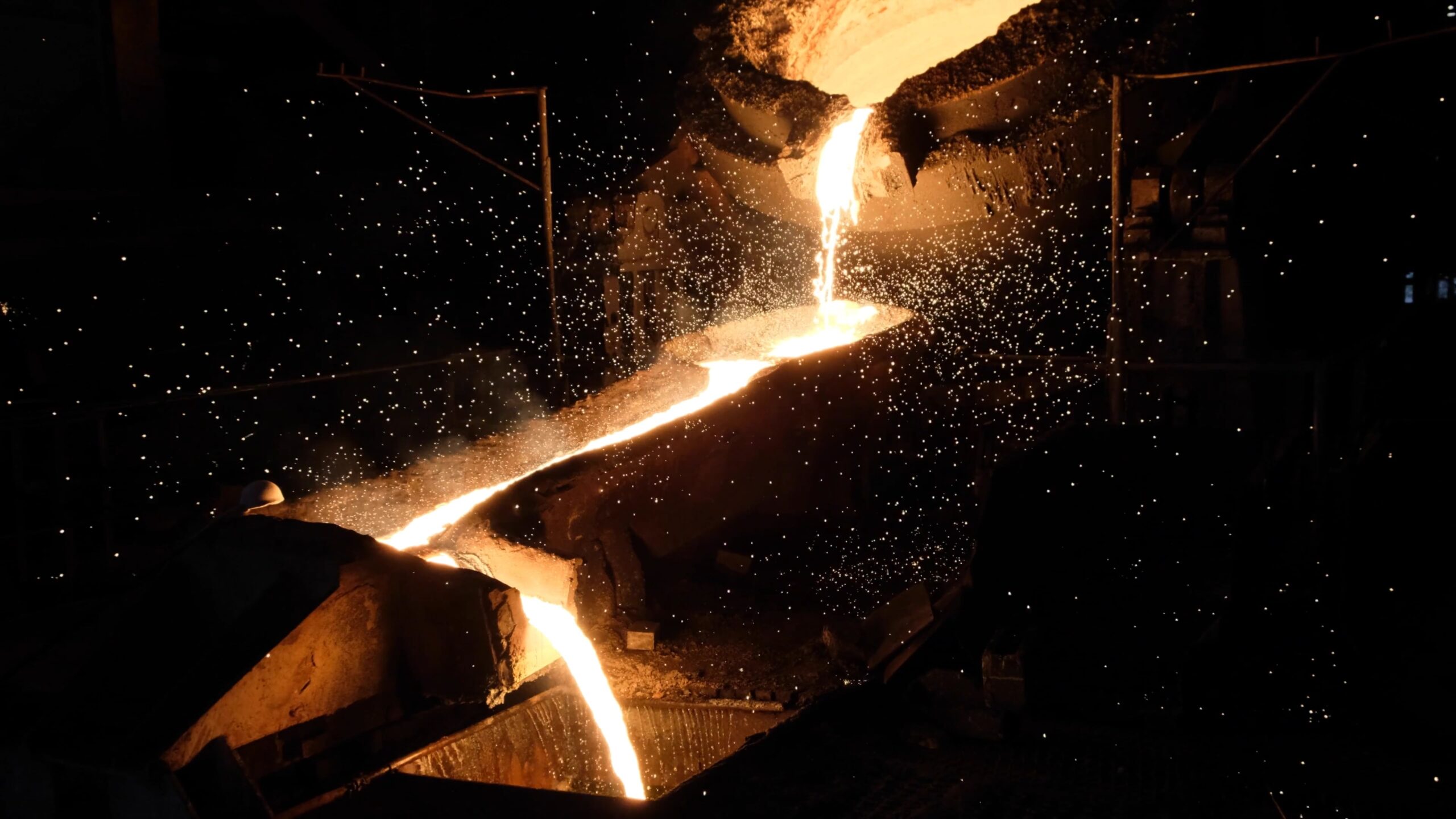
Caserones, in Chile's Atacama, is a large copper-molybdenum mine and EMX's most material royalty. Timok, in Serbia, is a copper-gold operation run by China's Zijin Mining Group, over which EMX holds an NSR royalty. Gediktepe, in Turkey, carries a perpetual 10% royalty over gold and silver from its oxide zone - a single strong month there has paid EMX more than a million dollars. Beyond the big three sit Leeville and Gold Bar South in Nevada and Balya in Turkey. Company disclosures have described the anchor royalties as each holding the potential to generate payments running into the hundreds of millions, and in some cases past a billion dollars, across their full mine lives.
The business modelThree ways to get paid
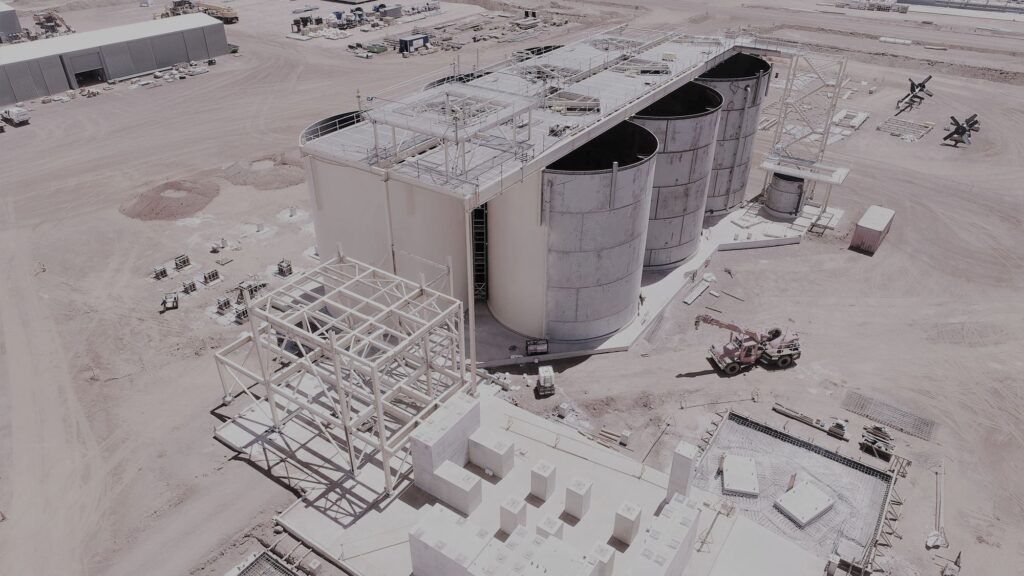
EMX earns money three ways, and the mix shifts as projects mature. Early on, income comes from option and milestone payments - partners paying to keep advancing EMX's ground - and from gains on strategic equity stakes in those partners. Later, as projects reach production, royalty revenue takes over as the durable engine. It is a model built to convert years of quiet land-holding into decades of recurring cash flow.
That conversion showed up plainly in 2025. In the second quarter EMX reported revenue and other income of US$14.7 million, adjusted royalty revenue of US$19.0 million and adjusted EBITDA of US$12.1 million. The headline number was cash: adjusted operating cash flow of US$9.0 million, up roughly 570% from the same quarter a year earlier, with a small net profit from operations replacing a prior-year loss. The company raised its full-year guidance.
"The un-sexy half of mining is the profitable half. EMX built a company proving it."
Who pays EMXIts customers are miners, its owners are investors
EMX has an unusual customer base for a company its size: it does not sell to consumers at all. Its "customers" are the operating mining companies and juniors that option its ground - names ranging from majors like Zijin Mining, which runs Timok, to dozens of smaller explorers advancing EMX-generated projects. They pay EMX in option fees, milestone payments and, eventually, royalties. The people the company actually answers to are its shareholders. Trading publicly as EMX on NYSE American and the TSX Venture Exchange, the stock existed to give ordinary investors diversified, lower-risk exposure to precious, base and battery metals - metal upside without the operating downside.
Sitting behind both groups is David Cole, whose fingerprints are on the whole strategy. He spent 18 years as an exploration geologist at Newmont, working across four continents, before founding EMX in 1996 and building it around the conviction that finding ground and keeping a royalty beats digging. That geology-first temperament shaped the culture: technical, patient, and allergic to the boom-bust dealmaking that defines much of junior mining. The company's roughly 31 employees skew toward geoscientists rather than deal jockeys, which is exactly what a prospect-generation model needs.
How it's differentA generator, not a giant
The royalty world has its titans - Franco-Nevada, Wheaton Precious Metals, Royal Gold, Sandstorm, Osisko. They mostly write large checks to buy royalties and streams outright. EMX plays a different position. Rather than only buying royalties, it manufactures them - staking ground and generating royalty interests from scratch, then augmenting with acquisitions and strategic investments. That prospect-generation DNA is a legacy of Cole's field-geology career, and it is what let a small-cap company assemble a portfolio of a few hundred properties without the balance sheet of a major.
The trade-off is time. Organic generation is slow; a property staked in the 2000s might not cut a royalty check until the 2020s. For years EMX looked like a patient science project. The compounding - management has cited an average annual growth rate of about 17% over its history - only became loud once the anchor royalties turned on.
Where it fits nowThe US$456 million exit
In September 2025, EMX and Elemental Altus Royalties announced they would merge in an all-share deal that valued EMX at roughly US$456 million, creating a new mid-tier, gold-focused royalty company to be called Elemental Royalty Corporation, listed on NASDAQ and the TSX under the ticker ELE. The transaction was backed by a US$100 million investment from Tether Investments - the company behind the USDT stablecoin - an unusual crossing of crypto capital into copper-and-gold royalties. Following securityholder and court approval, the merger completed in November 2025, folding EMX's roughly 280 properties into a combined portfolio with more producing assets and revenue guidance in the range of US$70-85 million.
What you can copyThe takeaway for builders
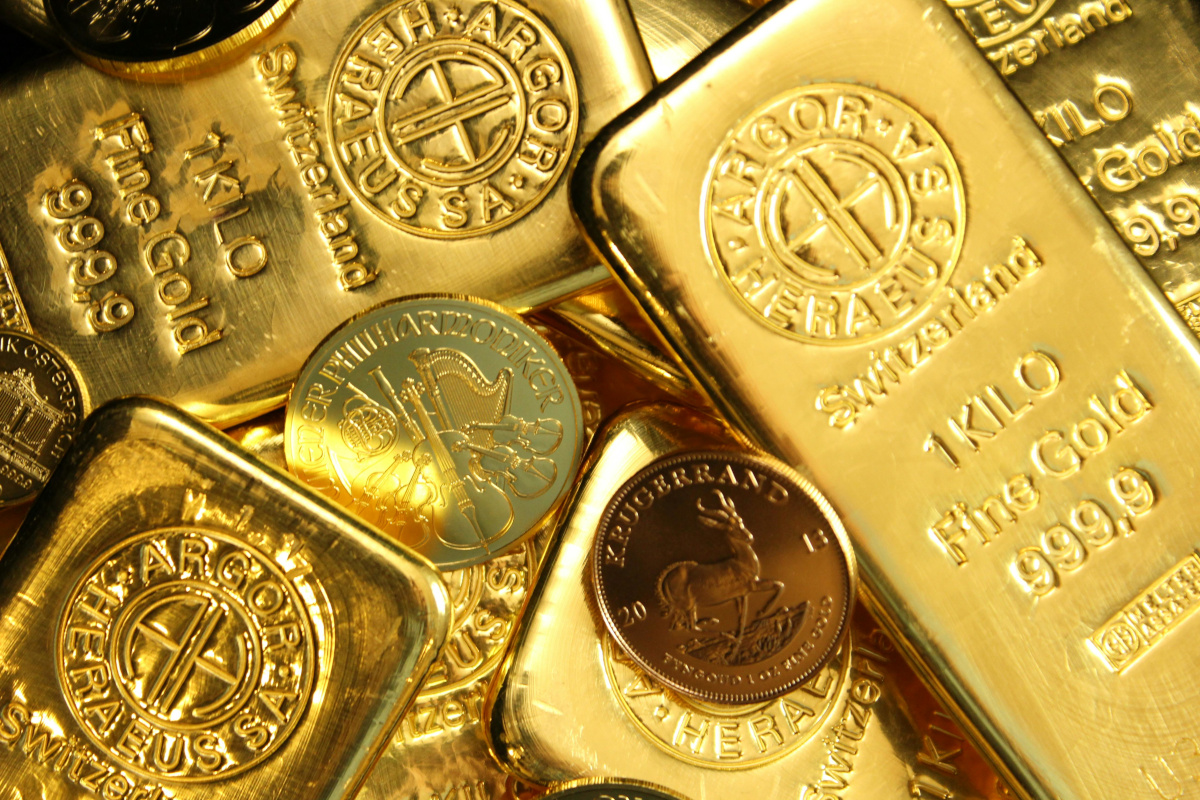
EMX is a case study in a strategy that travels well beyond mining: get paid for the thing you did once. Own the right, not the operation. Transfer the expensive, risky work to a partner who wants it, and keep a durable slice of the upside. Diversify enough that no single failure is fatal, and be patient enough to let the winners compound. The catch is honest - this model only works if you have the technical judgment to pick the right ground in the first place, and the runway to wait years for it to pay. EMX had a geologist-founder and three decades. Most people have neither.
By the time the merger closed, the boring landlord for mines had grown into something a stablecoin giant was willing to help buy. Not a bad ending for a company whose entire pitch was that it would rather collect the rent than swing the pick.