The phrase “equity-free accelerator” sounds like an invitation to check the small print. At MyidEA, there is a straightforward proposition underneath it: founders can buy help preparing a business for investors without handing over a slice of ownership just to join the program. For an entrepreneur still figuring out what the company might be worth, that is a consequential distinction.
The Bucharest organization’s flagship, Venture Accel, combines business education, mentoring and investor introductions. It belongs to the unglamorous but necessary part of startup life between having something to demonstrate and having a business that can withstand questions about customers, margins and growth. A working product can earn attention. A credible explanation of how it will make money has to hold that attention.
01 / THE DEALA classroom with investors in the room
MyidEA’s accelerator history starts in 2019, when Matei Dumitrescu founded Commons Accel. The program later became known as Venture Accel. The organization behind it, the Institutul de Excelență în Antreprenoriat, translates roughly as the Institute for Excellence in Entrepreneurship. Its legal form is an association; its public work sits where entrepreneurship education meets venture finance.
That positioning explains a business that might otherwise look like a jumble of courses, pitch nights and investment contacts. MyidEA helps founders organize their plans, identify weaknesses and meet people who can help them act. Its service menu extends to fundraising, EU funding, branding, sales, marketing strategy and IT development. The common customer problem is getting from a promising proposition to a business someone will buy from, support or finance.
Dumitrescu brings experience on both sides of that conversation. His published biography includes accelerator work with Founder Institute and investment experience with TechAngels and ROCA X. Around him is a team with overlapping entrepreneurial roles. AnaMaria Onică, listed as program manager, also appears in the alumni directory as VoxiKids CEO. The teacher-and-founder overlap gives the institute’s practical ambitions a recognizable face.
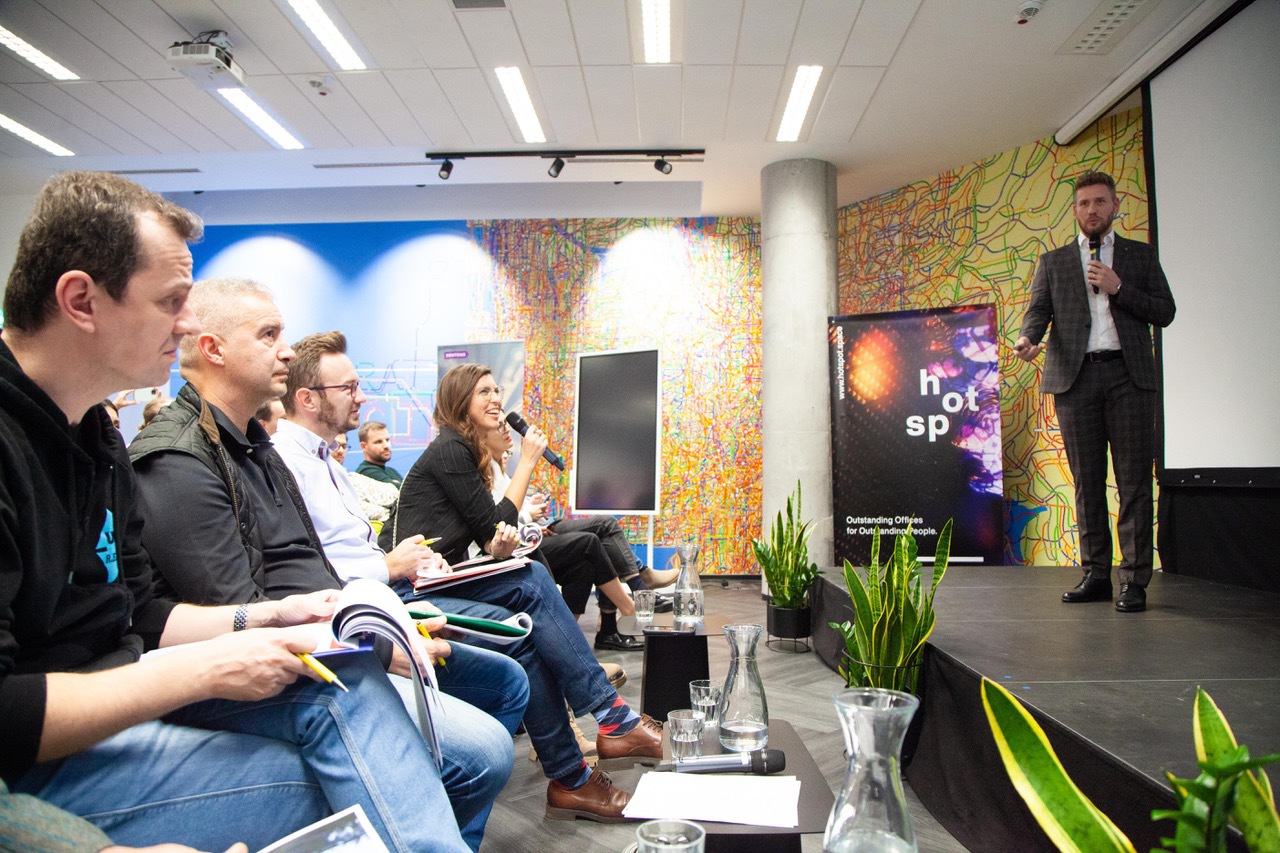
For its tenth cohort in January 2024, Venture Accel announced plans to select 25 Romanian entrepreneurs for three months of preparation. Marketing, sales and financial planning were on the syllabus. So were market fit, positive cash flow and finding appropriate funding. The announcement sharpened the emphasis on making participants financeable during that year, with additional fundraising help tied to evidence of sustained monthly growth.
That last condition matters. Getting admitted to a program and becoming ready for capital are different milestones. The accelerator can provide a timetable, critical feedback and introductions. The founder still has to produce the evidence that makes the next conversation worthwhile.
02 / THE PRICEKeeping your shares still takes work
The Venture Accel page carrying the 2024 cohort-eleven schedule lists an early-bird price of €650 and another price of €749. Those are historical advertised fees, not a current enrollment quotation. “Equity-free” describes the ownership arrangement for participating in the accelerator. It does not mean every service is free, or that a later investment would arrive without separate terms.
Program participation advertised as 100% equity-free.
The published schedule runs through three modules and a Demo Day, followed by 12 months of post-graduation support. Evening sessions and self-paced assignments are intended to fit around working life. The full cost to a founder therefore includes attention: showing up, preparing, following up and making changes while the business continues to need running.
MyidEA offers several ways to enter its orbit. ADRVest Accel has been advertised as free. ING Explore events offer free admission. Fee-based programs sit alongside these partner-supported activities. For the participant, the useful comparison is the specific package: how much individual attention, what relevant expertise and which introductions come with the commitment?
03 / THE FEEDBACKSome ideas leave in pieces
One of MyidEA’s more revealing testimonials comes from WeReload co-founder Marcel Istina. He thanks the program for the pitches, challenges, debates and mentor feedback, including “ideas destroyed and brought back to life.” It is a small, wonderfully untidy description of learning. A founder has to let an attractive explanation take a beating before it becomes a better one.
“Ideas destroyed and brought back to life.”
Marcel Istina, WeReload co-founder
From a MyidEA-published testimonial; translated from Romanian
The public account describes revision through criticism. It makes a useful point without requiring a heroic turnaround story: business assumptions are material to work on. A pitch session can expose a weak answer. A mentor conversation can reveal that the problem lives somewhere else entirely.
Stelian Mustea, identified in the alumni directory as Hodlezz’s founding partner and COO, describes encounters with business, legal, finance and compliance mentors that encouraged the team to examine its startup from multiple angles. Other testimonials dwell on relationships with fellow participants. The repeat theme is access to people whose expertise founders did not already have.
The directory gives that access some specificity. It lists more than 100 mentors, with specialties ranging from sales and business planning to law and communications. Le Monde journalist Mirel Bran appears alongside investors and company operators. A founder may need help explaining a product as urgently as help financing it. Those are different skills, and the roster acknowledges the difference.
04 / THE SCORECARDRead the €45 million carefully
MyidEA’s website reports more than 500 startups accelerated over five years and more than €45 million raised by its portfolio since 2019. These are the organization’s own figures. The money belongs to the story of participating startups: it is not a financing round for MyidEA, nor a statement of cash available for the next cohort.
Company-reported, five-year total
Company-reported, since 2019
The January 2024 announcement offered an earlier snapshot: 320 startups had passed through the program, and more than 30 entrepreneurs had raised over €45 million. A reader should resist turning these totals into a success rate. Different dates, different definitions and a selective set of outcomes do not establish what happened to the typical participant.
The investor network is more tangible than any implied average. MyidEA names organizations including Fortech Investments, GapMinder, SeedBlink, ROCA X, TechAngels and Growceanu. Their presence creates opportunities for feedback and introductions. Each investor still has its own selection criteria, appetite and decision process.
One relationship deepened in April 2025, when Dumitrescu became an LP and venture partner in Fil Rouge Capital’s FRC3 fund in Romania. The announcement described a €60 million fund and a continuing collaboration with idEA. That is a connection between organizations and people, not a reason to count the fund’s assets as MyidEA’s own. It does illustrate how an accelerator’s network can extend beyond a guest appearance at Demo Day.
05 / THE EXPANSIONThe online shop gets different homework
An ecommerce operator has problems that a general startup lecture may only brush against. Product pages fail to convert. Advertising attracts the wrong buyers. Cash flow becomes awkward. MyidEA’s eComm Accel, developed with NETOPIA Payments, directs the classroom toward that operating reality.
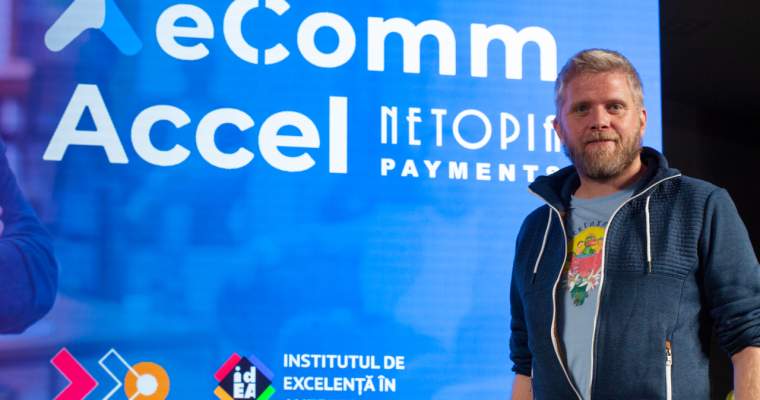
NETOPIA promoted an edition for autumn 2024; a second edition was announced in March 2025. The latter’s launch event offered an advertised €99 promotional price for accelerator enrollment, available until April 1. The launch gathering itself was free. The distinction is easy to miss when an event invitation and a training offer occupy the same announcement.
The May 2025 agenda scheduled two blocks of three evenings, each running from 6 p.m. to 10 p.m. Topics included converting product pages, retargeting, ecommerce legal issues, cash-flow management and AI integration. Presenters came from businesses including Aqurate.ai, RTB House, MerchantPro and MTH Digital. The curriculum’s appeal is its proximity to decisions an online merchant actually makes.
Strategy, product pages, retargeting and market entry
Brand, cash flow, automation and digital marketing
Regional work follows another logic: bring the network closer to the founder. ADR Vest and idEA launched ADRVest Accel in 2022 for western Romania. The agency’s activity report describes three months of training culminating in presentations to potential investors. The program addresses entrepreneurs in Timiș, Arad, Caraș-Severin and Hunedoara, including teams at idea and minimum-viable-product stages.
The Romanian-American University partnership applies the approach to students through RAU Accel. Meanwhile, ING Explore takes workshops and networking to established local business communities. Its documented spring 2025 stops included Bucharest, Brașov and Timișoara; an October Cluj agenda paired AI discussions with marketing and financial planning. MyidEA is extending both the audience and the setting for its teaching.
06 / THE TAKEAWAYBring a problem worth discussing
The practical lesson to borrow is the combination of preparation, outside criticism and a next action. A founder could apply that sequence without copying the whole accelerator: name the business question, find a person with relevant experience, test the answer and return with results. That is an editorial reading of the program design, not a promised outcome.
Fit remains decisive. A merchant with a customer-retention problem needs different guidance from a pre-revenue team seeking its first investor. A founder unable to attend sessions or implement feedback may get little from either format. A company needing immediate cash should assess financing options on their own terms; admission to a classroom does not settle that problem.
MyidEA’s place in the market rests on assembling those conversations and giving them continuity. Founders retain the responsibility to choose, build and sell. Keeping their equity preserves one choice. Doing the homework determines what they can do with it.