Every smartphone owner knows the feeling. It is roughly 4 p.m., the phone reads 6%, the maps are still open, and the nearest wall outlet is a fantasy. For fifteen years, one company has sold the antidote to exactly that moment. mophie does not make the most powerful chips or the flashiest screens. It makes the thing you reach for when your screen is about to go dark - and it built a business worth more than $100 million by owning that one small, universal panic.
The story starts somewhere unglamorous: a 3,000-square-foot pole barn behind a house in Kalamazoo, Michigan. In 2005, co-founders Daniel Huang and Shawn Dougherty decided the cheapest possible office was no office at all. They bootstrapped the company with roughly $250,000 of their own money and started out making iPod speakers and accessories under the name mStation. The barn kept the overhead low while they figured out what people actually wanted.
The IdeaSelling a feeling, not a spec sheet
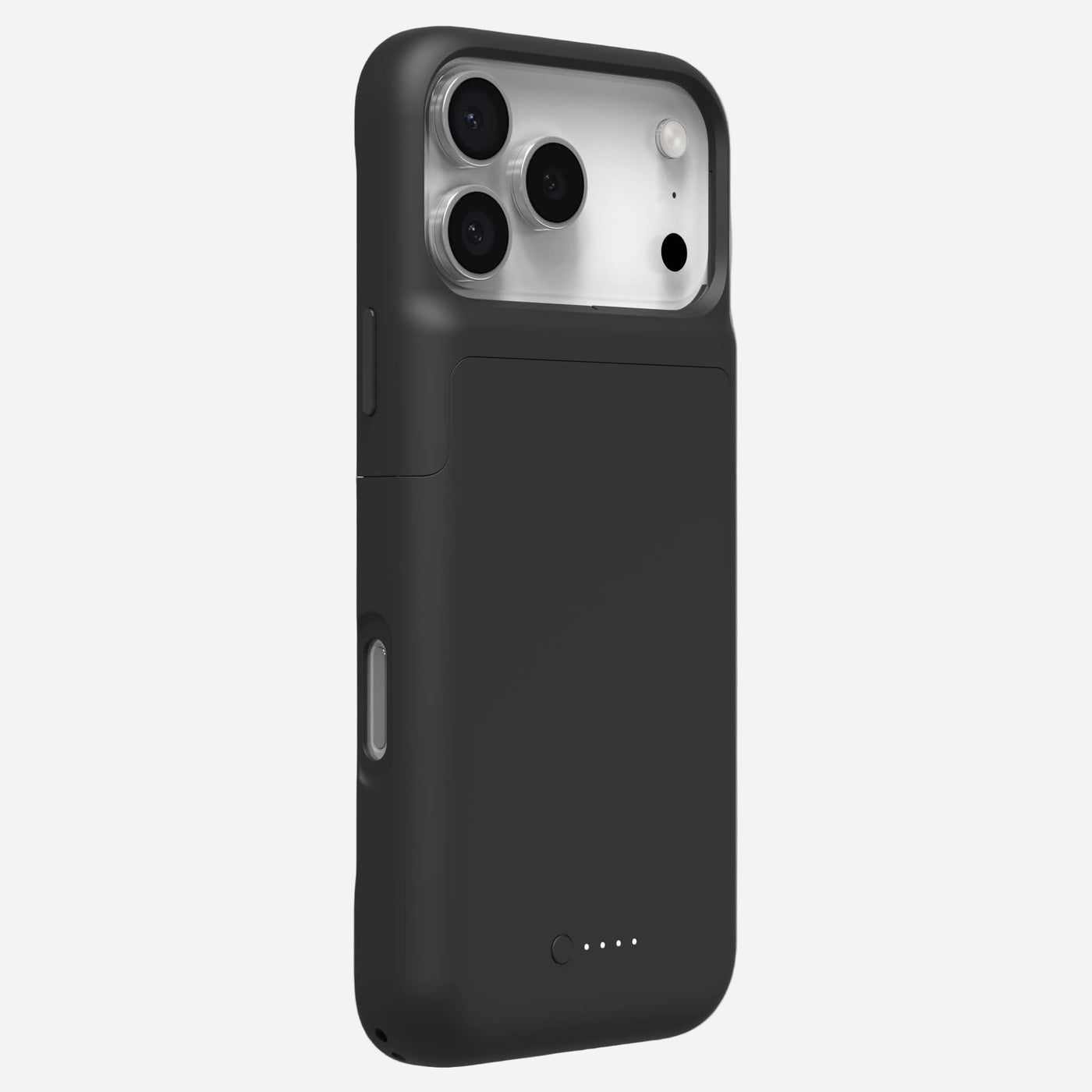
What people wanted, it turned out, was to stop worrying. When the iPhone arrived, mophie noticed a gap that Apple itself had left wide open: the phone was becoming the center of everyone's day, and its battery could not keep up. In 2008 the company shipped the juice pack - a case with a rechargeable battery built in, the first to earn Apple's "Works with iPhone" certification. Slide the phone into the sleeve, and it roughly doubled its runtime.
The naming mattered as much as the engineering. Nobody wants to buy "supplemental lithium-ion capacity." Everyone wants a "juice pack." mophie sold relief in friendly language, and it stuck.
The CustomersWho actually buys a mophie
The core buyer is easy to picture: an iPhone owner who runs their life through the device and cannot afford for it to quit at 3 p.m. Frequent travelers, commuters, event-goers, field workers, parents juggling maps and cameras and boarding passes. These are people who have been stranded once and decided never again. That is not a niche - it is most of the phone-owning world, which is why more than 15 million juice packs have gone out the door over the brand's life.
mophie leaned into the premium end of that crowd. Rather than compete on the cheapest possible price, it positioned charging gear as a considered purchase - clean industrial design, nicer materials, retail placement next to the phones themselves. For a while it even pushed juice packs as fashion-adjacent accessories, the kind of thing you would not be embarrassed to set on a restaurant table.
The ProblemRange anxiety, before that was a phrase
Long before electric cars made "range anxiety" a household term, mophie was solving the pocket-sized version of it. The problem it addresses is not technical so much as emotional: the fear of being unreachable, un-navigable, un-photographable at the exact moment you need your phone most. Batteries degrade, apps get hungrier, and a day of heavy use still outpaces a single charge.
mophie's answer has always been the same idea in different shells - carry your own outlet. First it was a case. Then it was a standalone brick you could throw in a bag. Then it was a magnetic puck that snaps onto the back of the phone with no cable at all. The threat never changed; only the packaging did.
What you can copy
Own a moment, not a spec. mophie never won on milliamp-hours. It won by claiming the exact second your phone hits single digits. Find the emotional moment your product owns and name it plainly.
Treat the platform as a tailwind. Every time Apple changed connectors - 30-pin, Lightning, MagSafe, Qi2, USB-C - mophie shipped for it instead of fighting it. Ride the roadmap you cannot control.
The NumbersFrom a barn to $215 million
The growth was not slow. By 2013 mophie was doing roughly $215 million in annual sales and landing on the Inc. 5000 list. In 2016, ZAGG - the company behind InvisibleShield screen protection - acquired mophie for more than $100 million, folding power and protection into a single accessories portfolio. Combined, the two businesses reported around $470 million in revenue for 2015.
*2015 figure is combined mophie + ZAGG revenue reported at the time of the acquisition. The 2016 bar marks the acquisition price, not annual revenue.
The ModelHow the money actually works
mophie sells hardware, full stop - no subscriptions, no lock-in, no recurring revenue trick. The margin comes from design and trust: it charges a premium over commodity bricks and defends that price with materials, certification, and a name people recognize on the shelf. Distribution runs on two tracks. There is direct-to-consumer through mophie.com, and there is the wide wholesale and retail net - Apple Stores, carriers, big-box shelves, and the major online marketplaces - amplified by parent company ZAGG's sales machine. Under the hood, the operation runs on a fairly modern stack: Shopify for the storefront, Salesforce and Zendesk on the customer side, and AWS keeping the lights on.
The expertise that holds it all together is unglamorous but real: knowing Apple's certification process cold, tuning power delivery so a charger is fast without cooking the battery, and industrial design that makes a lithium brick feel like a considered object. That combination is hard to copy quickly, which is most of the reason a premium accessory brand can survive in a race-to-the-bottom aisle.
The ProductsSame fear, five different shapes
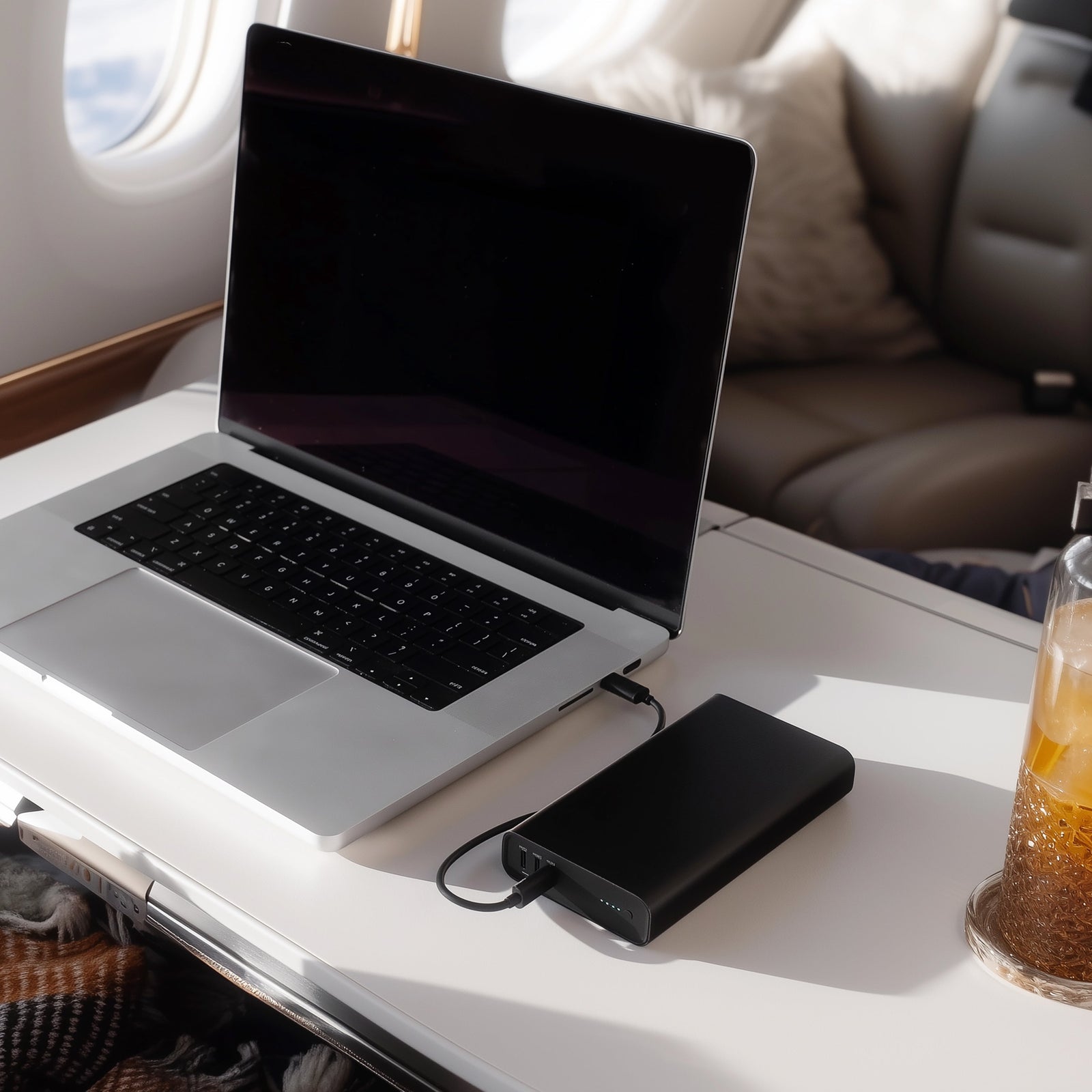
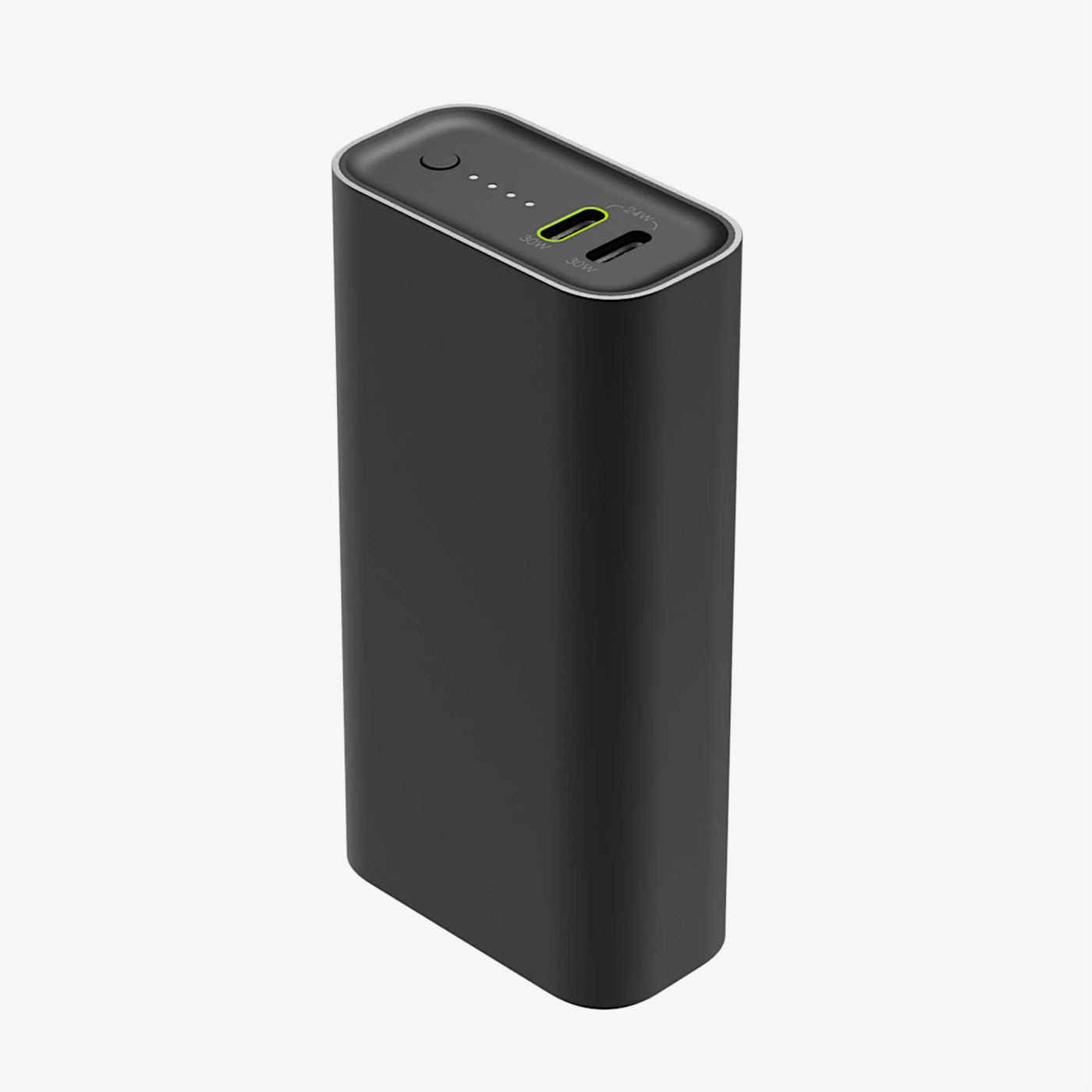
Today the lineup fans out well beyond the original case. The powerstation family runs from a pocketable mini to high-capacity bricks with integrated cables and USB-C Power Delivery. The snap+ range covers MagSafe and Qi2 magnetic wireless chargers and power banks. There are wireless charging pads and stands for the nightstand, car chargers and magnetic vent mounts for the commute, plus cables and wall adapters to round it out.
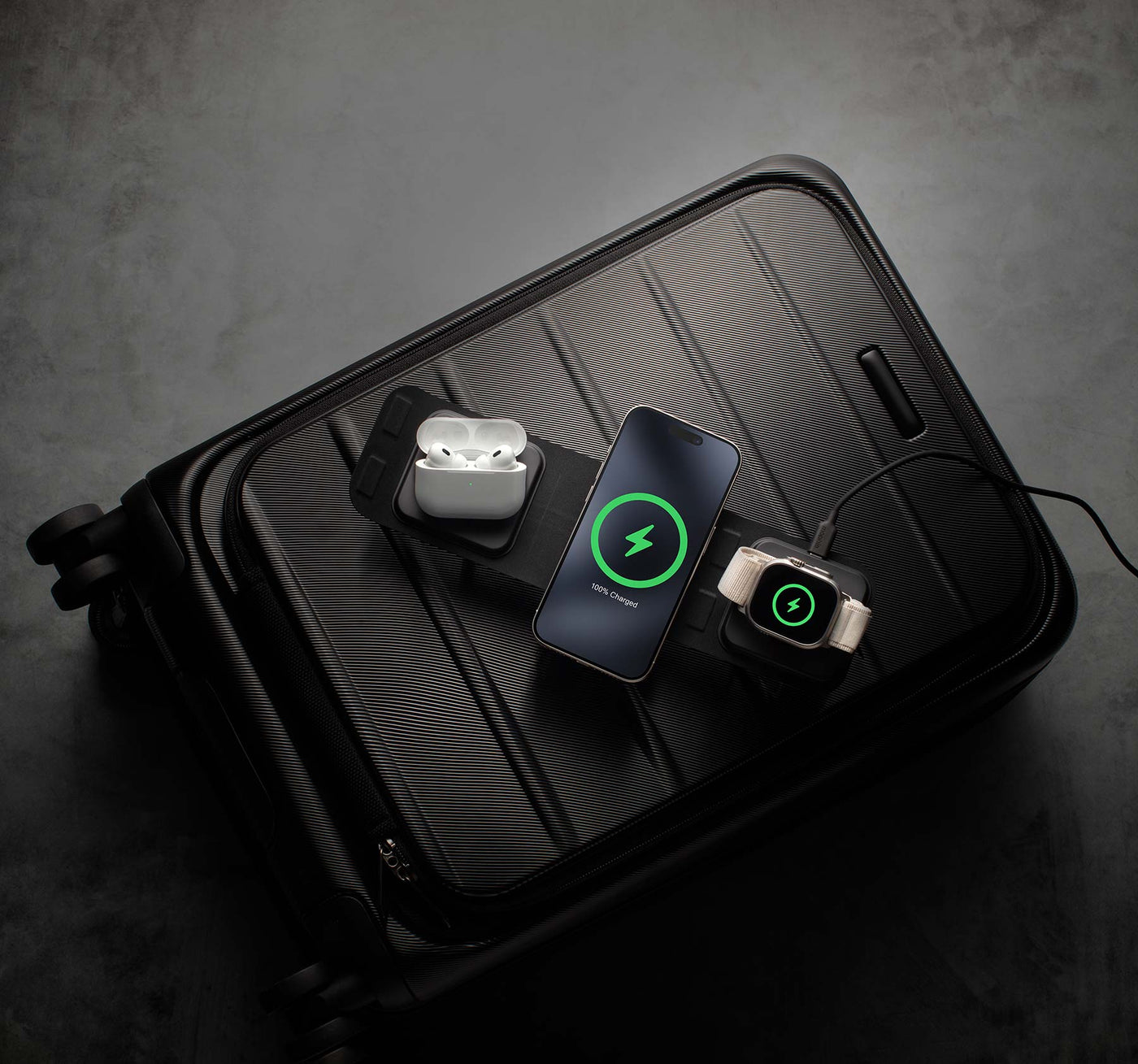
The most telling recent product is the third-generation 3-in-1 Travel Charger with MagSafe, launched in late 2024. It is Qi2-certified, charges an iPhone, Apple Watch, and AirPods at once, and packs down about 65% smaller than the previous version. It ships with a 40W wall adapter, international plug adapters, a USB-C cable, and a travel pouch, at $150. It is a neat summary of the whole company: not a new problem, just a smaller, smarter answer to the old one.
The MarketWhere mophie sits now
The charging aisle is crowded. Anker competes hard on price and capacity, Belkin on official Apple partnerships, Otterbox and Nimble on rugged and sustainable angles, and Apple itself now sells its own MagSafe accessories. mophie's edge is a mix of first-mover credibility, design, and the ZAGG retail machine - the brand people already trust when a phone is about to die.
It is worth being honest about where the strategy strains. Accessories are a brutal business: products die with each phone redesign, margins get squeezed by commodity competitors, and "premium" only carries so far when a $15 no-name brick charges the same phone. mophie's bet is that a name, a look, and fifteen years of not letting people down are worth paying a little more for. The Space Pack, a 2014 case that added both a battery and up to 32GB of storage, is a reminder of the other risk: being early is indistinguishable from being wrong until the market catches up, and sometimes it never does.
The TimelineBarn to buyout
The TakeawayA quiet kind of essential
mophie is not the loudest company in tech, and it never tried to be. It picked one problem that would not go away, gave it a friendly name, and kept re-shaping the answer as phones changed underneath it. From a barn to 15 million juice packs to a nine-figure exit, the throughline is almost boring in its consistency: your phone should not die before you do. Fifteen years later, that is still a bet worth making.