The apple’s mistake was being an apple. Too small, too large, a little oddly shaped: any of these could make perfectly edible fruit an awkward fit for a supermarket. Visiting a Pennsylvania orchard, Abhi Ramesh noticed the rejected fruit and asked where it went. Some could find another buyer. Some became compost or animal feed. Here was food with nothing much wrong with it, waiting for someone to change the terms of the sale.
- Started with surplus produce; now sells the wider weekly shop.
- Bought Imperfect Foods and The Rounds to expand its capabilities.
- Earns money from groceries, membership and fulfillment for other brands.
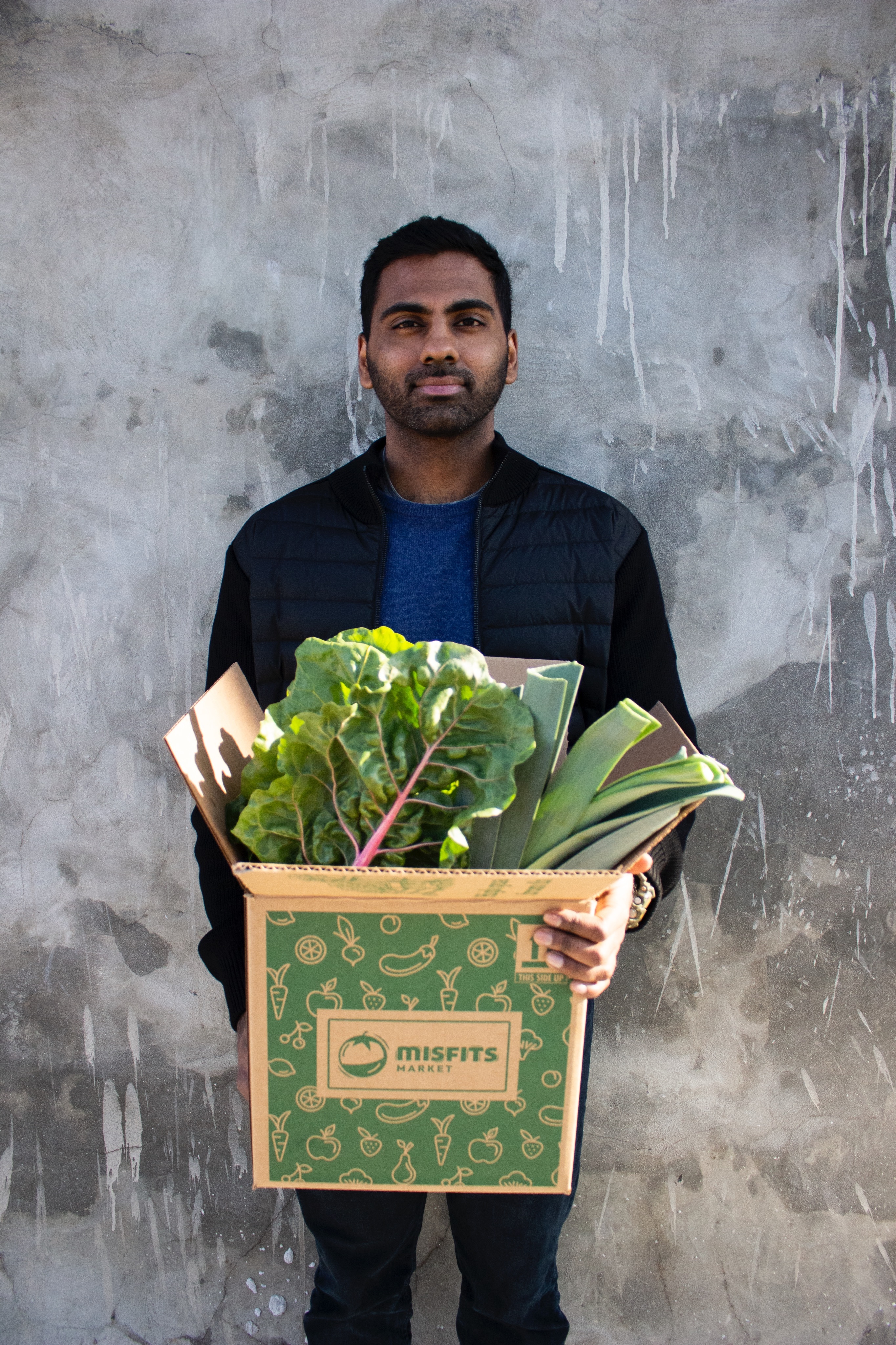
In 2018, Ramesh started Misfits Market in Philadelphia. The proposition was wonderfully legible: accept some cosmetic eccentricity and buy food for less. He packed and delivered early orders himself. On TechCrunch’s Found podcast, he described accumulating six-figure credit card debt during the first three months. The demand test had become a logistics bill.
“I didn’t set out to start a grocery company”Abhi Ramesh, founder & CEO
The whole basket changes the maths
The first boxes offered the pleasure of a surprise. But dinner is a recurring obligation, and surprise has limits. A household that buys vegetables still needs eggs, pasta, coffee and something for Thursday when nobody wants to cook. A grocer that can supply those things has more opportunities to earn the same customer’s spending.
Misfits expanded into a customizable online store. Its shelves now include meat, seafood, dairy, pantry goods and plant-based options. The original sourcing idea survived, alongside ordinary groceries. The company’s expertise lies in spotting food that conventional retail struggles to accommodate: excess inventory, unusual sizes, packaging changes and products with less time left to sell.
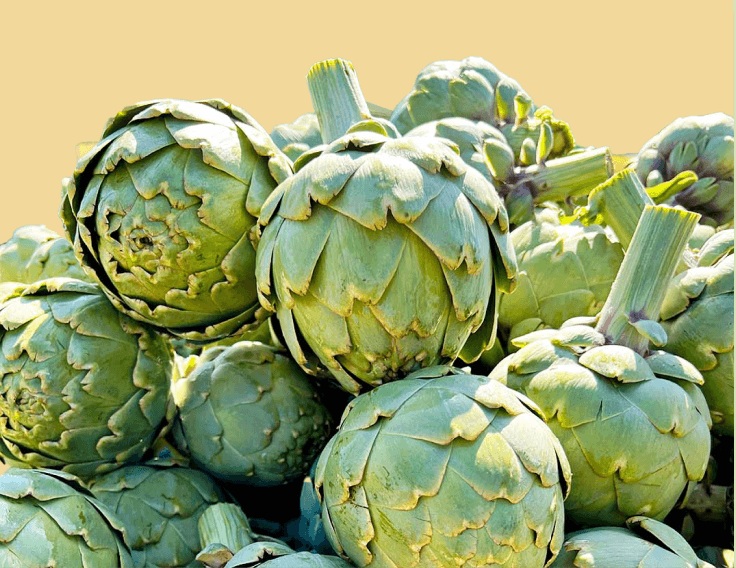
Consider its work with Lakeside Organic Gardens. Broccoli trimming left useful florets without a destination. The two companies developed Sweet Broccoli Tops. That is a more interesting skill than merely tolerating a bent carrot: recognizing that a supplier’s unwanted output can become a shopper’s wanted product.
For customers, the appeal combines convenience, organic and specialty foods, discovery and potential savings. It occupies territory shared with Thrive Market, Hungryroot and the supermarket delivery order. Its particular entry point is the supplier’s awkward inventory. A local farm box offers a different proposition, with a closer connection to seasonal harvests.
Buying the route, closing the warehouse
Building the operation required substantial capital. An $85 million financing in 2020 was followed by $200 million in April 2021 and $225 million that September. The last round put its valuation at $2 billion and reported cumulative funding at $526.5 million. Those are historical financing figures. They describe the resources raised to build the business, not what its shares are worth today.
Two rounds. One expensive problem: moving groceries.
In 2022, Misfits acquired Imperfect Foods in an all-stock deal whose price was undisclosed. The acquisition brought another food-waste-minded brand and a fleet of more than 450 delivery vans. Misfits had relied on outside carriers. Imperfect supplied experience operating the last mile, where a grocery promise finally meets a doorstep.
The combination also made parts of the existing network redundant. In February 2023, reporting based on state notices identified three fulfillment-center closures affecting 649 employees. Delanco, New Jersey, accounted for 446. The company shifted toward smaller facilities supporting its own delivery network. Headquarters moved to Hanover, Maryland; corporate staff remained distributed.
These were human consequences of an operational decision. A mission about waste does not remove the pressure to cut overlapping costs. Nor does acquiring a fleet make delivery inexpensive by itself. Orders still have to be grouped, packed correctly and delivered while the food is good. Scheduled shopping and delivery create room to plan that work.
A grocery network you can rent
Once the company could move its own perishables, it had something other food businesses needed. Fulfilled by Misfits publicly launched in 2024, offering temperature-controlled storage, picking, packing and delivery. A brand could use the machinery without building the entire operation. Misfits Market Rx extended grocery fulfillment into food-as-medicine programs.
This makes Misfits two businesses sharing capabilities: a store for households and an operator for brands. Retail sales, its Odds & Ends private label, optional membership and fulfillment services give it several ways to earn revenue. Forbes reported approximately $500 million in annual revenue in February 2026. That reported figure should not be confused with profit.
Food diverted from “lesser outcomes.” Company-reported; the measure covers more than landfill disposal.
The company’s 2025 report also counted 130 Odds & Ends products and highlighted additions including frozen groceries and household essentials. Its May 2025 acquisition of The Rounds added another sustainable-delivery business to the family. The assortment is getting closer to everything a household buys, which is precisely the point.
Read the cart before the cutoff
The customer still needs a calculator. Misfits lists a $1.99 operations fee and delivery starting at $5.99, depending on location. Optional Misfits+ costs $69 annually for exclusive deals and reduced shipping. Compare the delivered basket against your alternatives; a discount on three items can disappear into the cost of moving a small order.
Subscription carts can automatically become orders when the shopping window closes. Editing or skipping before the deadline matters. The service suits people who plan, review their basket and welcome a changing selection. Someone needing an exact ingredient immediately, or buying very little, may find a nearby store more useful.
For another founder, the lesson is practical: ask why a product was rejected, find a customer who values it differently, and calculate every step between them. For a shopper, it is smaller and tastier. Give the oversized artichoke a chance. Then make sure you actually eat it.
Keep looking in the box
Shop Misfits Market ↗ · Recipes & company news ↗ · Fulfilled by Misfits ↗
Instagram · LinkedIn · X · Facebook · TikTok
Watch Misfits Market on YouTube ↗ · Watch the founder discuss the business ↗