The orders were coming in. The money was not. At the restaurant run by Daniel Hernandez’s mother in Santa Cruz, the promise of online delivery had acquired a rather inconvenient hole: getting paid. According to an account published by investor Endurance28, Hernandez covered the missing payments himself for three months while working through disputes with delivery platforms. Dinner had left the kitchen. The administrative work had barely begun.
- Mi Fonda manages the online business around an independent restaurant.
- Its service combines delivery integrations, menus, marketing and payouts.
- Plans pair a monthly subscription with a percentage fee.
The money went missing
Hernandez had already been delivering food to university students through Santa Cruz Deliveries. When the pandemic emptied campuses, that business faced a changed market. His mother’s experience pointed toward another job. Restaurants needed someone to deal with the machinery surrounding an order: the listing, the menu, the account and the payment. In a 2022 founder account, he described realizing that the need extended well beyond his own family.
That distinction matters. A courier moves the meal. An online operations partner makes the meal available to buy, keeps its description current and follows the money afterward. Each task sounds small until the same owner is also hiring a cook, answering a supplier and preparing lunch. The opening for Mi Fonda was the accumulation of those small tasks.

An online shift, with someone to work it
Mi Fonda, also called Fonda Technologies, serves independent and Latino-owned restaurants across the United States. Its website says it works with hundreds of restaurants. The customer is an operator who wants an online business without taking on every specialist job that comes with one. Spanish-language support and restaurant-focused service are part of the proposition.
The offering brings orders from DoorDash, Uber Eats, Grubhub and a restaurant’s own storefront into one workflow. Its FAQ describes a single tablet and printer, synchronized menus, consolidated reporting and a weekly payout. Onboarding typically takes 10 to 15 days, the company says. Behind that simpler counter setup sits a longer list of work: marketplace enrollment, menu changes, payment handling and transaction disputes.
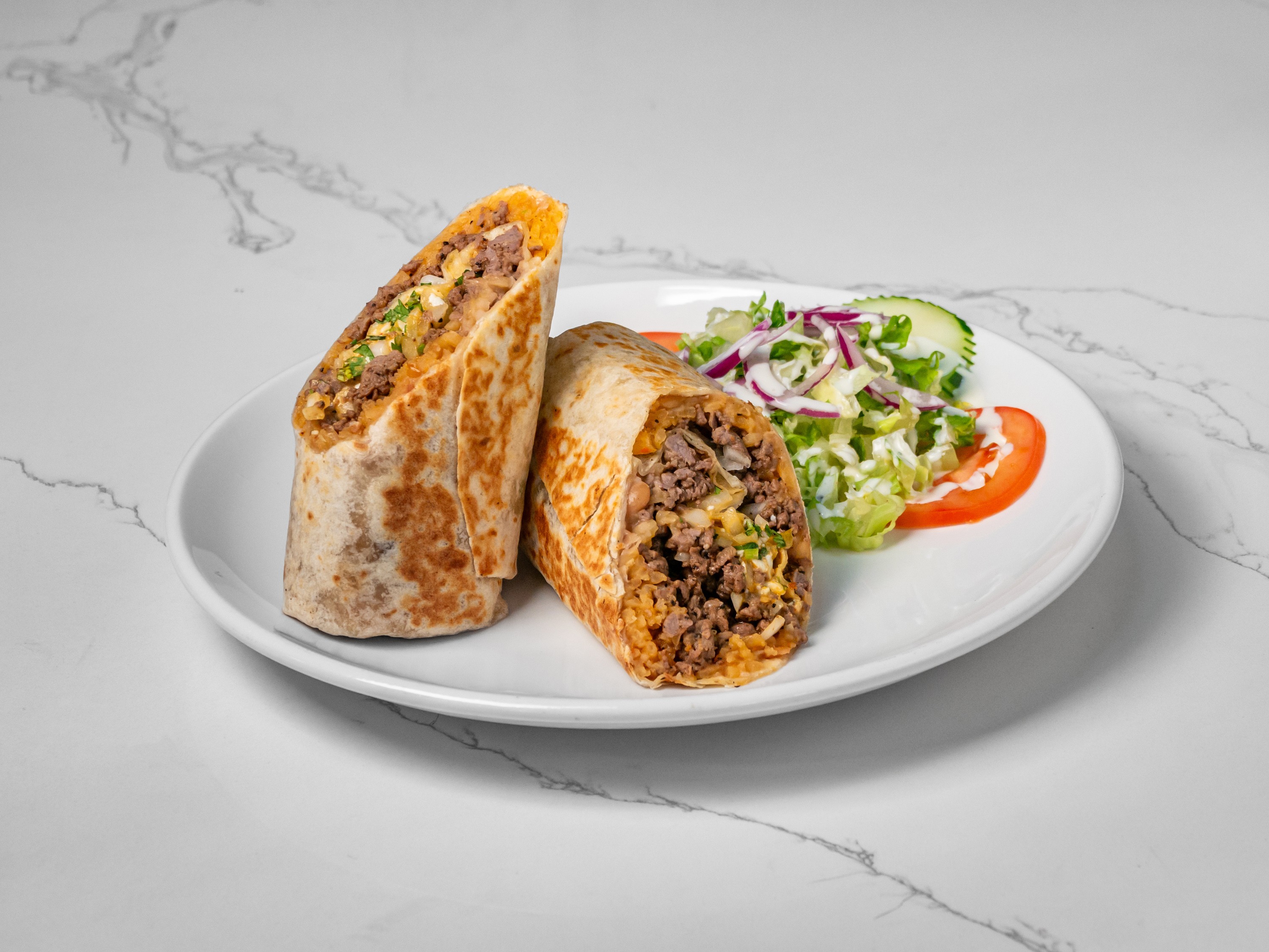
Menu work is particularly revealing. An online diner cannot ask a server what comes with a burrito. Photos, descriptions and selectable extras have to do some of that work. Fonda helps build those choices. Higher-tier plans add campaign management and account support. The service sells both the tools and the labor of keeping them useful.
There is a practical example in an August 2026 interview with CEO Roberto Angulo. Restaurants originally called support to remove sold-out items from their online menus. Later, customers wanted to do it themselves. Mi Fonda put the control on its tablet. Its connectivity partner, Stream, helps publish changes across supported marketplaces. A support request became a product feature because operators asked for control at a specific moment.
“Before Stream, menu management across multiple ordering platforms was one of the most operationally intensive parts of our business.”Roberto Angulo / CEO, Mi Fonda / August 2026
The small print has a big number
The published plans make the business model concrete. Starter is $149 a month plus 5%. Classic is $249 plus 3%. Premium is $499 plus 3%, with a tablet and printer included, among other services. A separate $799 website promotion includes six months of service; monthly billing follows, and the restaurant keeps its website and domain if it cancels.
Move the sales base. Watch the fee change.
Illustration uses the same sales base for each percentage. Confirm which sales the fee applies to. Other operating costs are excluded. Listed pricing checked October 24, 2026.
Assume the percentages apply to the same sales base. At $5,000 a month, Starter and Classic each calculate to $399. Above that point, Classic’s lower percentage outweighs its higher subscription, before considering differences in service. The useful question is the cost at your volume, alongside the amount of work the plan will remove.
Sales growth deserves the same care. More orders bring food, labor and packaging costs. Discounts can win an order while leaving less behind. For an operator assessing Fonda, the sensible scorecard includes contribution per order, hours saved and repeat business. A rising sales line is one part of the answer.
For a busy owner, outsourcing also changes who notices a problem. Someone has to spot an outdated price, an unavailable dish or a campaign that needs attention. Putting those tasks in one service can make responsibility clearer. It also makes the relationship consequential: the operator needs to know which changes the service makes, which require approval and how quickly a problem reaches a person who can fix it. Simplicity at the counter still depends on work somewhere else.
Consider two hypothetical restaurants. One already has an employee maintaining every marketplace account and a steady stream of profitable orders. Another has neglected listings and an owner doing updates after closing. The same subscription buys them different amounts of relief. For the second, the test is whether better execution pays for the service. For the first, it is whether the service improves on an existing routine. Neither should judge the purchase by the number of integrations alone.
A founder cannot be every department
The operational burden also reached the company selling relief from it. Endurance28’s October 2025 account describes Hernandez becoming stretched between investors, advisers and his team. Roberto Angulo took responsibility for administration, finances and operational efficiency; Hernandez concentrated on restaurant marketing and community relationships. The division gave each a more specific job.
Fonda has collected outside support along the way. Santa Cruz Works records an accelerator pitch-contest win, and ICA selected it for its 2023 accelerator cohort. Endurance28’s audited 2024 fund accounts list a $750,000 investment cost in Fonda preferred shares. These are signs of backing, rather than measures of restaurant profitability.
Start with the chore
Fonda sits where restaurant software meets outsourced operations. An owner can assemble separate ordering, menu and marketing tools, or manage marketplace accounts directly. Fonda’s pitch is to take responsibility for more of that recurring work. The fit depends on supported systems, the restaurant’s margins and how much help its team needs.
There is a useful idea here for other businesses: study what customers already ask a capable friend or family member to handle. Make the repeated task dependable. Then watch for the moment they want to handle part of it themselves. In Mi Fonda’s case, the starting point was a son following up on his mother’s missing money. The product grew around the chores that followed.