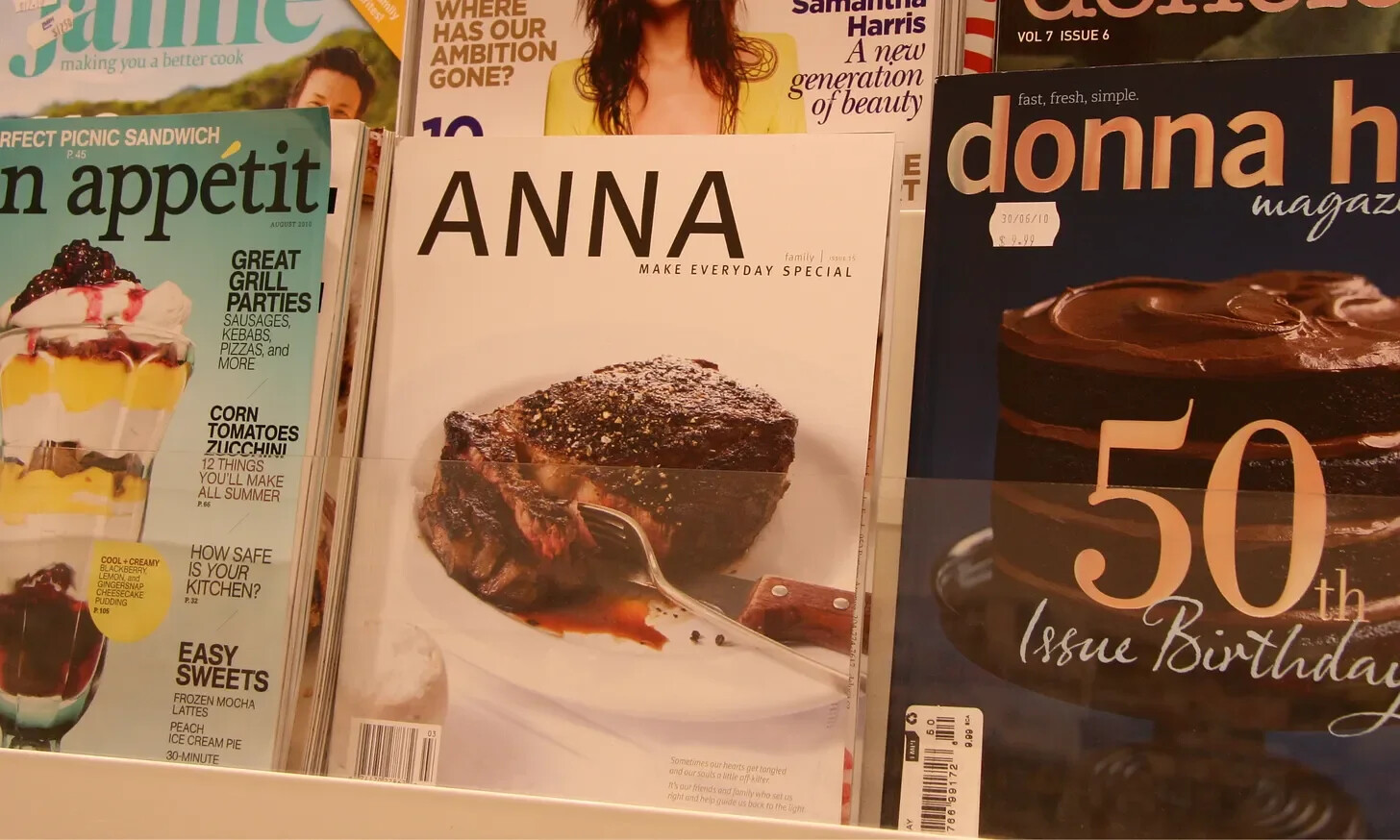
A magazine with no date on its cover makes a quiet argument. It says the work should still matter when the calendar flips. Mari Loewen gave each issue of ANNA Magazine a name instead, filled it with 30 recipes tested in her own kitchen, and treated the object less like a monthly bundle of content than a book someone might keep. The choice was aesthetic, but it was also an operating principle: make useful things beautiful enough to invite attention, and sturdy enough to earn a second look.
That principle has travelled unusually well. It carried Loewen from a home kitchen in Winnipeg into national magazine distribution, through the slow conversion of a print archive into a digital platform, into meal planning and podcasting, and eventually into Toronto grocery retail. Her job titles have changed - founder, publisher, food writer, creative director, marketing consultant, culinary consultant, fractional chief marketing officer. The work underneath them has stayed remarkably consistent. She arranges food, words and images so that people can picture a better version of an ordinary day.
A business named for a person
ANNA was named for Loewen’s mother, a homemaker and cook who made occasions feel considered. Loewen has described growing up in a family where making food from scratch was a form of love. One Christmas, her parents drove two hours into the city carrying a cooked turkey in a giant roaster, the whole thing wrapped in a duvet to hold the heat. It is an absurdly practical image and a tender one: care, translated into logistics.
Loewen had always been the sort of person who sketched ideas, hosted dinners, gardened and decorated. After a major change in her personal life, she left a corporate job and began putting those instincts to work. The first issue of ANNA took six months to make. She was not merely writing recipes. She was learning how the creative and commercial pieces fit together: photography, design, staffing, sales, billing, production and distribution. A large retailer put the magazine on shelves across North America. Readers responded to a voice Loewen later characterized with two words that rarely appear together in media strategy: beautiful and humble.
“I decided it was really up to me to make my days special. There was power in those simple things.”Mari Loewen
The publication’s slogan, “Make Everyday Special,” could have turned saccharine in less disciplined hands. Loewen grounded it in things a reader could actually do: cook dinner, set a table, invite someone over, try a reliable recipe. ANNA’s recurring “What I Have Learned” stories widened the frame. Food sat alongside accounts of reinvention, uncertainty and change. On her present site, Loewen explains the connection plainly: food was about gathering, beauty, comfort and beginning again.
The hard edit: changing the container
The timing was inconvenient, as timing usually is. Media organizations were learning that the internet was not a promotional annex to print. It was a new operating environment. After producing more than 25 issues, Loewen began moving ANNA online. The process took two years. She studied programming and e-commerce while transferring the archive and rebuilding the relationship with readers.
That detail - two years - is useful because “going digital” often gets flattened into a before-and-after slide. For a founder, it is closer to moving a restaurant while service continues. The inventory has to travel. So does the atmosphere. Recipes, photographs and essays can be copied; trust cannot. It has to be recreated through a new rhythm of newsletters, pages, products and replies.
One point of view, four containers
The bars describe changes in format and operating complexity, not revenue or company value.
The new model brought one advantage Loewen valued: the reader was suddenly close. Digital publishing made feedback immediate. ANNA’s ideas could become services rather than only issues. DinnerPlan, launched in 2018, offered a simple system for getting dinner made and has served more than 5,000 members, according to Loewen’s site. Her recipe library now describes more than 1,000 recipes, including 250 newer dishes. The product is not a promise to perform restaurant theatre on a Tuesday. It is a structure meant to return people to the kitchen without turning dinner into another test they can fail.
In 2022, The ANNA Podcast gave Loewen another container. She talked about recipes and the stories shaping people’s lives, moving the intimate voice of the magazine into audio. One episode used an old piece of advice from an Italian boyfriend - a good rib-eye needs salt and pepper - as the route into a practical cooking lesson. It is classic Loewen material: a personal detail, a wink, and something usable by dinner.
Protect the promise, not the format. ANNA moved from print to web, membership and audio while the underlying job - helping people make ordinary meals feel more considered - stayed intact.
The grocery aisle as an editorial page
At Summerhill Market, where she is listed as Fractional CMO and has also been identified as a culinary consultant, Loewen’s publishing instincts meet a different deadline. A grocery customer does not settle into an armchair with the shelf. The story has seconds to work. The product, sign, email and photograph have to create appetite and explain what to do next.
Loewen’s own formulation is that marketing should feel like an invitation - the kind that makes someone stop at the shop window. Her site points to a free-cookie campaign for a Canadian boutique grocer that generated millions in revenue. The result is striking, but the offer is more revealing. A cookie is specific, familiar and generous. It converts brand language into something a person can hold. The gesture reduces the distance between being addressed and feeling welcomed.
Her recent product commentary follows the same logic. For the 2025 grilling season, she told Canadian Grocer that Summerhill starts with classics and builds on them in ways that feel fresh, nostalgic and elevated. The examples were concrete: apricot-glazed back ribs, red-wine-braised short rib, osso buco, whipped feta with Aleppo pepper and pine nuts, and a sweet-pea spread finished with smoked feta and paprika. Each begins with recognition, then adds one reason to look again.
“Marketing should feel like an invitation. The kind that makes someone pause outside the shop window instead of walking past.”Mari Loewen
This is editing disguised as abundance. A specialty grocer can offer thousands of items, but a customer still needs a way into the choice. Loewen selects the familiar anchor, adds a twist, and supplies enough sensory detail for the meal to become imaginable. Magazine logic becomes merchandising: a headline stops the eye; an image creates desire; a recipe or serving idea completes the argument.
The critic orders dinner
Loewen is also willing to make herself the skeptical customer. In a Summerhill holiday essay, she recalls her daughter telling her, “You’re so critical, Mom.” Loewen laughed because the charge was fair. After more than 30 years in food, she wrote, critique mode arrives with the plate.
That instinct collided with family tradition when she found herself behind on holiday preparation and ordered a prepared meal from Summerhill. She apologized to her family in advance. Then she tasted it: moist turkey, creamy potatoes, squash and gravy. Her verdict was comic and final. She would not cook a whole turkey again.
The conversion is more than a testimonial for prepared food. It shows what convenience is capable of selling when it is well made. The customer is not buying the absence of cooking as an abstract benefit. She is buying the minutes to light candles, pour wine and be present at her own table. The meal is the product. The recovered attention is the value.
That distinction ties Loewen’s career together. ANNA did not simply sell recipes; it sold the possibility of making a day feel cared for. DinnerPlan did not simply organize ingredients; it offered a calmer route to the evening meal. A grocery campaign does not simply move cookies or ribs; it gives a shopper a specific invitation to imagine an occasion.
A point of view that survived the format
Loewen now works from Toronto, but her portfolio still carries the kitchen-table DNA of the magazine she began in Winnipeg. The visual polish matters. So do the tested recipes, the clear voice and the operational machinery behind them. Yet the durable part is smaller: a belief that attention to ordinary rituals can change the texture of a life.
There is nothing passive about that belief. Making an everyday meal special requires planning, shopping, cooking, presentation and cleanup. Building a brand around it requires the same appetite for unglamorous systems. Loewen’s path through production problems, digital migration and retail performance is a reminder that taste becomes useful only when it can survive contact with operations.
The line from her mother’s table to a Toronto grocery aisle is not perfectly straight. Careers rarely are. But the central question remains intact: what might make someone pause, feel invited and bring an idea home? For more than two decades, Mari Loewen has answered with the same raw materials - a good story, a reliable dish, a considered image and room at the table.