Lisa Ann Pinkerton had gone to Los Angeles to work in television. She had studied drama, imagined directing films and plays, and found her way onto the publicity side of The West Wing. Then, during the disputed presidential election of 2000, a conversation with Geraldo Rivera gave her a different idea about what she might do with an audience.
They talked politics. Rivera thought she asked good questions and suggested journalism. For a person trained to think about scenes, characters and the direction of a story, it was a rather economical plot twist. She went back to Pittsburgh and began reporting for The Allegheny Front, the environmental radio program.
Today, Pinkerton is founder and CEO of Technica Communications, founder of Women in Cleantech & Sustainability, and host of Earthlings 2.0. She also leads PRVIEW, software for managing awards and speaking programs. The job titles take a moment to get through. The question connecting them is shorter: how do you get people to pay attention to something that could matter?
Before the microphone, a theater degree
Pinkerton was born in Hyden, Kentucky. Her parents taught in rural Kentucky, and she has described growing up with an appreciation for service and the environment. Theater supplied another interest: the possibility of changing what people could imagine. At Carnegie Mellon University, she studied drama and arts management, acquiring both the creative training and the organizational education that would appear in her later work.
Her eventual move into environmental reporting gave those interests a practical subject. Energy and technology offered stories with consequences beyond the evening's performance. They involved choices about how people live, the infrastructure they use, and what might replace it. A reporter had to make those choices understandable to someone who had other things to do.
Her reporting reached NPR, PBS and other broadcasters. In 2005, she received an environmental journalism award from the Society of Professional Journalists. Her broadcast work included Pittsburgh and Cleveland outlets, as well as national distribution. The audience could change; the obligation to ask a useful question remained.
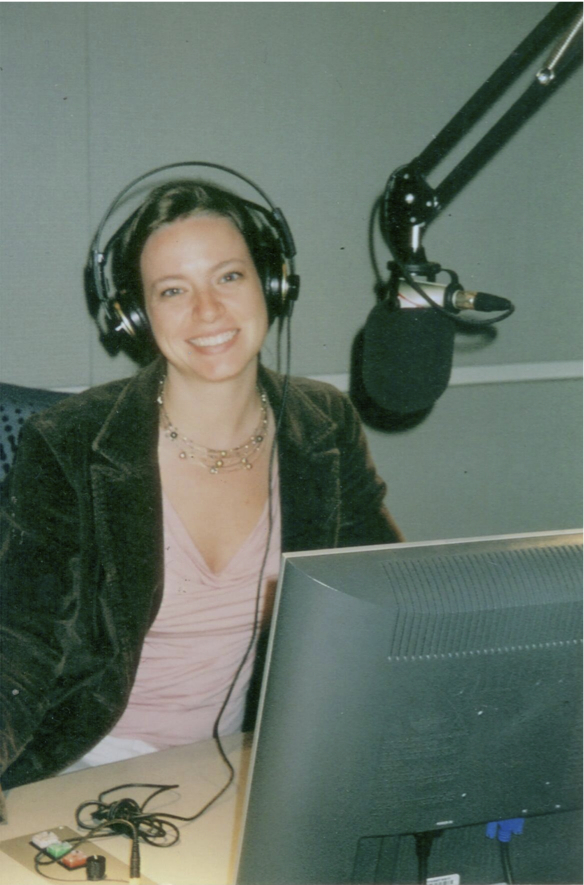
Radio is an unforgiving place to hide behind jargon. A listener cannot pause the speaker and inspect a footnote. The subject has to survive being spoken aloud. That background helps explain the particular usefulness of a former broadcaster in industries where an explanation can become a thicket of acronyms before anyone has established why the subject deserves a minute.
The recession supplied the business plan
In 2008, Pinkerton moved from Cleveland to San Francisco to join Antenna Group. Founder Melody Haller became a mentor as she learned public relations. The move brought her closer to the companies she had been covering, and to the work of helping them explain themselves.
The financial crisis interrupted that arrangement. Pinkerton was laid off in 2009 and started Technica. Julien Adler suggested the name; the first website and logo came together over a weekend. The opening months included a less glamorous discovery: posting on social media was not producing paying clients. Adler asked how many networking events she had attended. She began going.
Haller later referred Azuray Technologies, which became Technica's first client in 2010. That detail gives the origin story a useful human scale. A former employer became a source of work. An idea became an agency through introductions, follow-up and the awkward business of leaving the house.
- 2001Environmental radio
- 2009Technica Communications
- 2011Women in Cleantech & Sustainability
- 2021Earthlings podcast
- 2025PRVIEW launch
By 2018, SunCast host Nico Johnson was asking her about a business that had retained clients dating back to 2012. Their conversation explored how reporting skills carried into agency work. In public relations, a continuing relationship is a fairly concrete verdict: someone has decided to ask you back.
A room with too few women
Another problem was visible without a spreadsheet. Pinkerton kept attending cleantech gatherings with very few women. At women's business events, she encountered a different atmosphere, with opportunities for connection and mutual support. She wanted that experience available to women working in clean technology.
She founded Women in Cleantech & Sustainability in 2011. Its beginnings were specific: bring women together in an industry where they could otherwise spend an event feeling conspicuous. Its purpose included sharing knowledge, developing careers and making it easier to find people who understood the work.
The organization developed panels, workshops and professional programs, with an international community open to all genders. Pinkerton's current Technica biography identifies her as founder and vice chairwoman. The continued presence of a community around the original problem matters: a useful introduction should not depend on happening to stand beside the right person at the coffee urn.
Her advice to women considering cleantech has been to connect with communities beyond their own organizations, locally and internationally. It is advice with a history behind it. She built one of those communities after finding the existing rooms insufficient.
“Find a way to get yourself there and speak and lead, even if takes work.”
Lisa Ann Pinkerton, on pursuing speaking opportunities
In a published essay urging women to take speaking opportunities, she gets into the logistics. Ask for help. Prepare for the panel. Acknowledge the work it took to arrive. Her argument makes room for the unphotogenic arrangements behind a polished appearance. A conference program gives the name and title; somebody still has to make the day possible.
Asking the next question, on stage
Pinkerton's speaking work ranges across renewable energy, public relations, networking and women's leadership. Her listed sessions include investment pitches and nonverbal communication. A person can have a useful technical proposition and still need help presenting it to the people whose decisions affect its future.
Moderating calls for a related skill. The panelist may know the material in depth; the audience needs a route into it. Someone has to decide which question makes the next answer worth hearing, and when a conversation needs to move along. Theater training and broadcast experience have obvious uses in that setting.
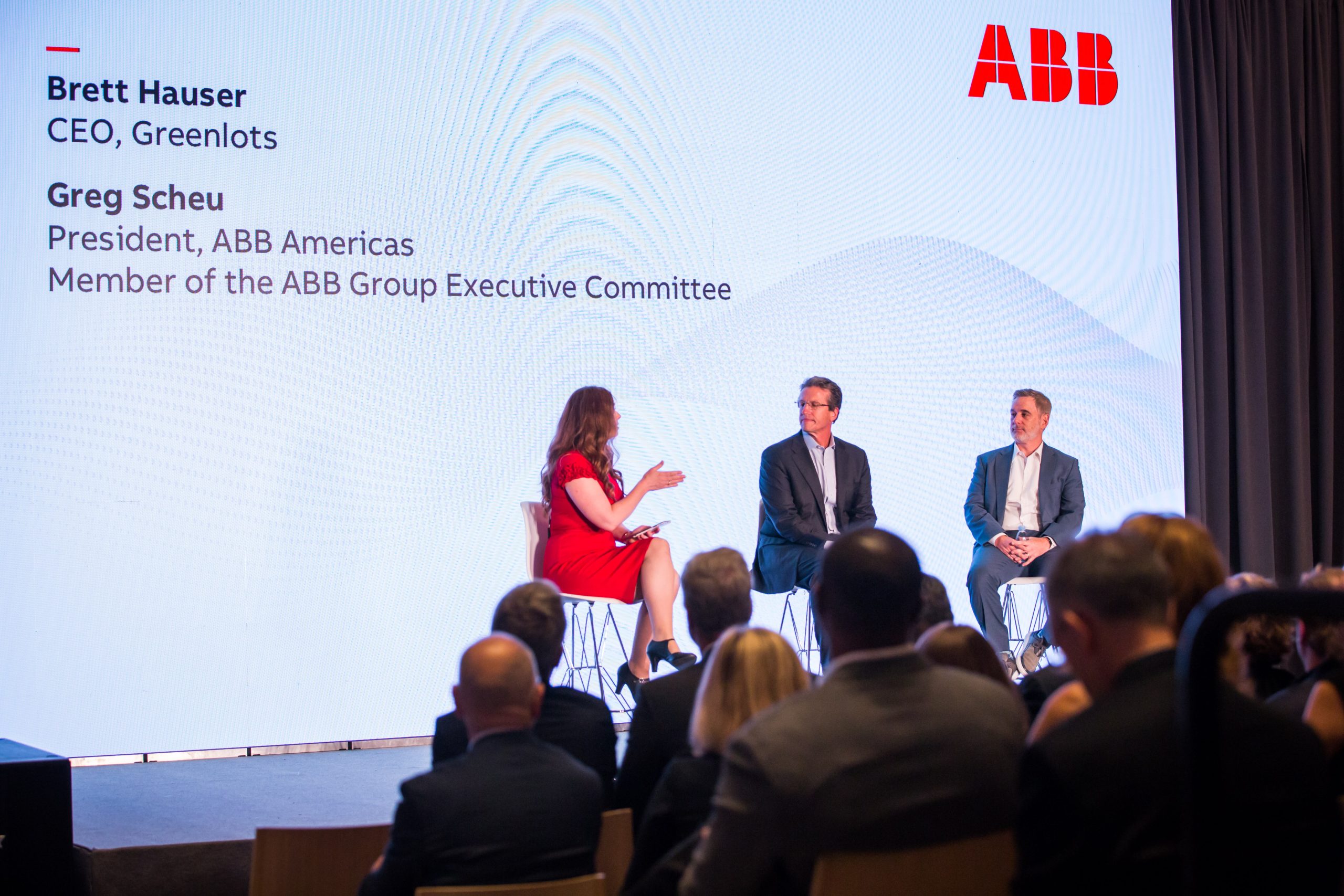
Her connection with SunCast grew beyond appearing as a guest. With Nico Johnson, she has co-hosted PowerUp Live morning interviews at RE+, bringing policy, trade and executive voices into short conversations for conference attendees. Five minutes leaves little room for a grand preamble. You have to find the useful part quickly.
Earthlings, with questions attached
In December 2021, Pinkerton launched the Earthlings podcast, initially with energy journalist Christian Roselund. The show brought her back to interviewing while widening the frame beyond an individual company's announcement. Its subject is humanity's relationship with technology, the environment and the future people are trying to build.
The name is doing some work. An earthling is a generous category, with fewer membership requirements than most industry associations. The show invites experts, scientists and business leaders to discuss their work in a setting that can accommodate curiosity about what comes next.
One episode pairs her with ReJoule co-founders Steven and Zora Chung to discuss making electric-vehicle batteries more sustainable. Other conversations range across the grid, buildings, shipping and emerging technologies. The topics share consequences for everyday life, even when their technical details are unfamiliar.
The format lets Pinkerton exercise the part of her career that began with a suggestion from Rivera: ask questions, follow an explanation, and help an audience hear why it matters. An agency founder's calendar might seem full enough already. Apparently the microphone still makes a persuasive case.
The spreadsheet gets its own company
PRVIEW addresses a smaller, persistently irritating piece of communications work: keeping track of awards and speaking opportunities. Its founders describe calculating how much time went into updating their databases. There are deadlines to watch, requirements to understand, submissions to prepare and different clients to keep organized.
Pinkerton leads the business alongside a founding team that includes Adler as CTO and Jennifer Bolivar in project management. The platform offers opportunity research, deadline tracking, client workspaces, task management and win/loss analysis. PRVIEW launched at TechCrunch Disrupt in 2025 and was selected for Startup Battlefield 200.
The move into software grows out of agency experience. Pinkerton has spent years helping clients become visible; here she is working on the administration behind that visibility. A speaking invitation looks effortless when it appears in a biography. The submission calendar tends to tell a longer story.
What a good explanation owes its audience
In 2026, PRNEWS included Pinkerton among its Top Women in PR & Communications, in the Business Entrepreneurs category. It follows recognition as an Industry Innovator in 2021 and a Silver Stevie in the PR Executive of the Year category in 2020.
Her September 2026 writing turns to a harder communications problem: public resistance to AI data centers. She argues that companies need to prepare for questions about electricity demand, water, jobs and community benefits before introducing a project. Communications teams should understand decisions alongside engineering, operations and leadership.
That position places a limit on the storyteller's powers. An explanation cannot remove the underlying tradeoffs. People living near infrastructure have questions whose answers require actual decisions. A carefully written message still owes them something concrete.
Pinkerton's work has taken her through television publicity, environmental radio, an agency, a professional community, podcasting and software. Across those changes, she keeps returning to the point where an idea meets an audience. There is a person with something to explain, another person deciding whether to listen, and the work of making that encounter useful. She has found several businesses' worth of work there, and plenty left to ask.