In 1924, Kimberly-Clark introduced a product for removing cold cream. It was soft, disposable and called Kleenex. The intended customer had makeup to take off. The customer who changed the business had a runny nose. Letters arrived describing this other use, and eventually the company listened. A small square of tissue had escaped its job description.
The story in three points
- Kleenex grew beyond cosmetics because customers found another everyday use.
- Kimberly-Clark earns repeat purchases by solving intimate, inconvenient problems.
- Its next chapter brings restructuring costs and a pending consumer-health acquisition.
The customers rewrote the brief
The company’s own history records the repositioning: “The handkerchiefs you can throw away.” That line contains a surprisingly useful product strategy. It names something people already understand, then removes a chore. The innovation was partly in the material and partly in recognizing the occasion. The consumer supplied the occasion.
This was familiar territory. Founded in Neenah, Wisconsin, in 1872 by John A. Kimberly, Charles B. Clark, Frank C. Shattuck and Havilah Babcock, the business first sold writing paper made from recycled rags and linens. During World War I, its Cellucotton served as surgical dressing. Nurses also used the absorbent material for menstrual protection. Kotex followed in 1920.
The material worked. Selling it presented another problem. Publications refused menstrual-product advertisements; drugstores kept Kotex out of sight. The early obstacle was social acceptance and access. A technically useful product could still be difficult to request across a counter. For anyone building products today, that distinction deserves a place beside the engineering specifications.
“The handkerchiefs you can throw away.”
Kleenex’s historical positioning
The business inside the bathroom cabinet
Open the modern portfolio and the pattern becomes clearer. Huggies handles diapers and wipes. Pull-Ups helps with toilet training. Kotex addresses periods; Depend and Poise address bladder leakage. Kleenex, Scott and Cottonelle sit elsewhere in the household routine. These are purchases made around bodily needs, often when the buyer has little patience for an elaborate decision.
The expertise is physical. Absorbent cores, nonwoven fabrics, softness and fit must perform against skin, movement and moisture. Huggies, introduced in 1978, used an hourglass shape and elastic at the legs. A diaper’s geometry sounds like a small matter until it is your baby, your sofa and your third change of clothes.
There is also a workplace business. Kimberly-Clark Professional supplies restroom products, dispensers and industrial wipers to facilities through distribution and direct channels. ICON dispensers, for example, offer interchangeable faceplates and intuitive refills. A household buyer wants a reliable pack; a facility manager must also think about replenishment, presentation and the people doing the refilling.
The commercial machinery is straightforward: manufacture useful consumables, build recognizable brands and earn the next purchase through retailers, distributors and online stores. Walmart alone represented roughly 16% of 2025 continuing-operations sales. Distribution can be as consequential as design. An excellent diaper that is absent from the shopping basket cannot prevent a leak.
Two routes into daily life
The alternatives are familiar too: Procter & Gamble’s Pampers, Always, Charmin and Puffs; Essity’s TENA and Tork; and store brands. Kimberly-Clark’s particular strength is the combination of focused hygiene expertise, established names and broad distribution. No single feature settles every contest. Price, availability and performance still get a vote on each shopping trip.
A cheaper supply chain has an entry fee
Scale does not make the economics effortless. In 2025, continuing-operations sales fell 2.1% to $16.447 billion, while organic sales, which exclude currency effects and business exits, rose 1.7%. Both statements matter. The reported business became smaller even as the comparable business grew. Mixing those measures would turn a complicated year into a misleading headline.
2025 · continuing operations
$16.447 billionReported net sales
In March 2024, management announced a reorganization and supply-chain overhaul. The estimated one-time restructuring and reorganization bill was approximately $1.5 billion over three years, split roughly equally between cash expenses and noncash charges. The announced targets included more than $3 billion in gross productivity savings and about $500 million in working-capital savings. Targets are promises to test against later results.
The portfolio changed as well. A venture announced with Suzano in 2025 covered substantially all the international family care and professional business, with Suzano taking 51% and Kimberly-Clark retaining 49%. Suzano reported closing in July 2026. Kimberly-Clark’s stated rationale was to concentrate on higher-growth, higher-margin businesses while retaining an interest in international tissue.
The next shelf over
The bigger move arrived in November 2025: an agreement to acquire Kenvue, whose brands include Tylenol, Listerine and Neutrogena. The announced enterprise value was approximately $48.7 billion, based on share prices at the time. That figure includes more than a cash purchase price; the proposed consideration combines cash and stock. As of October 22, 2026, the acquisition remains pending.
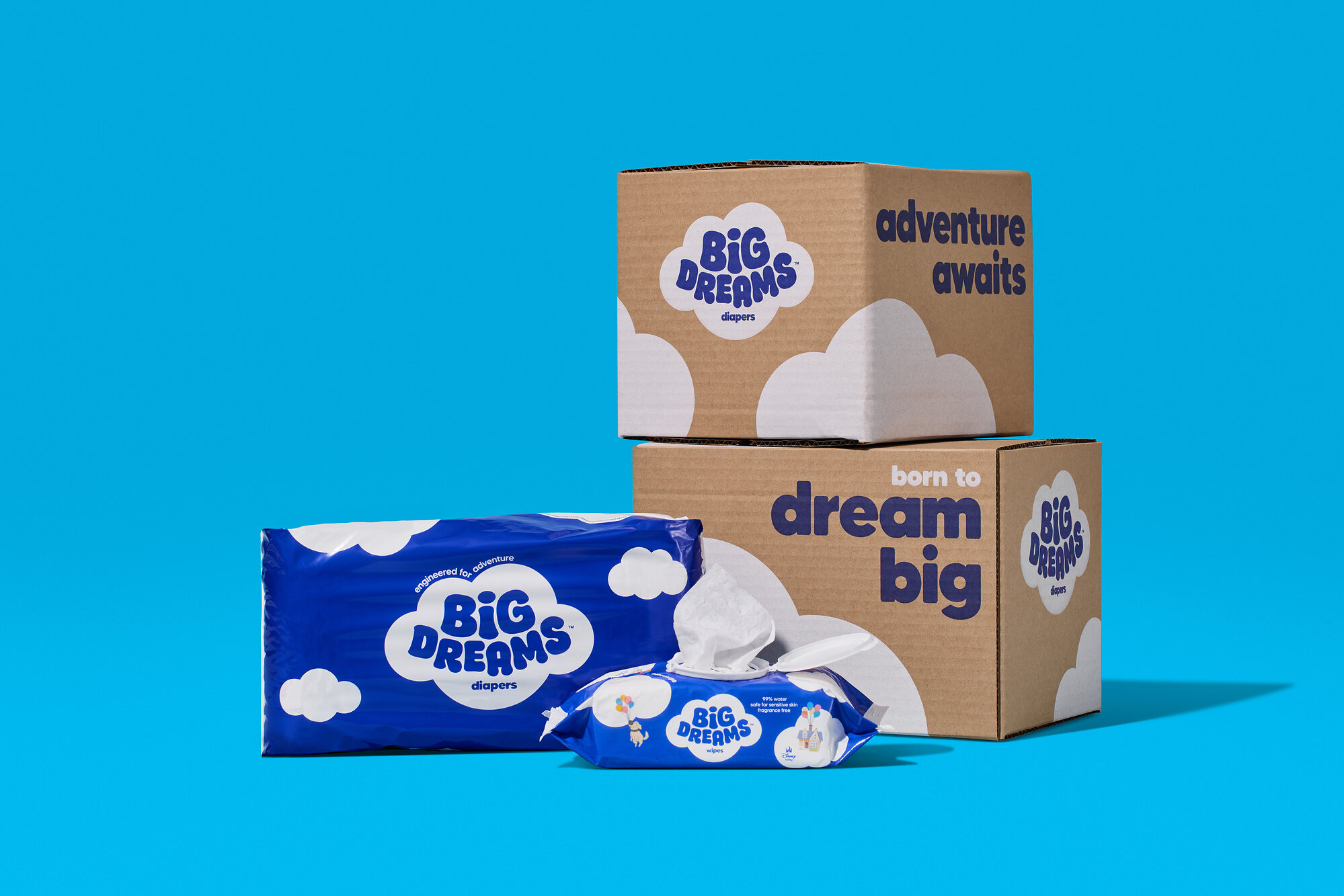
Meanwhile, ordinary product work continues. On October 19, Kimberly-Clark launched Big Dreams diapers and wipes, developed with Amazon and exclusive to its US stores. Announced prices start at $8.99 for diapers and $7.99 for wipes, with different packs and sizes. Comfort, leakage protection and convenient replenishment are the pitch. The household problem remains wonderfully specific.
Copy the observation, not the factory
There is a useful lesson here for a much smaller business: watch what people actually do, identify the recurring inconvenience and remove it. But this approach needs boundaries. Unexpected uses require safety checks. Better absorption cannot compensate indefinitely for an unaffordable price. And familiar branding offers limited protection when trust weakens: in October 2026, Kimberly-Clark cited China social-media disruptions as a drag on its growth outlook.
The tissue box supplies the enduring question. What is the customer trying to get through today? Kimberly-Clark has spent generations selling answers to that question. Its next answer will be judged in the same undramatic places: a shopping basket, a bathroom cabinet, a parent’s exhausted hand.
Open the cabinet
Explore Kimberly-Clark, Huggies, Kleenex and Professional products.
Follow LinkedIn, X, Instagram and Facebook. Browse company news, the careers blog and company videos on YouTube.