A box of baking soda is an unlikely starting point for a story about pimple patches. Put the two in a shopping basket, though, and the connection becomes easier to see. Both promise a small intervention in an irritating situation. Both run out. Both invite another purchase. Church & Dwight has spent much of its history finding commercial possibilities in that sequence. The humble cupboard is a useful place to look for an enduring business.
- The everyday: baking soda, laundry, cat litter and personal care.
- The expansion: buy an established brand, then widen its reach.
- The discipline: leave businesses whose prospects no longer justify the attention.
Its name rarely receives the billing. ARM & HAMMER, OxiClean, Trojan, Batiste, TheraBreath and Hero do the talking on the package. Together with the rest of the portfolio, they helped produce $6.2032 billion in net sales in 2025. The interesting question is how such different products came to belong together.
A kitchen with a long reach
In 1846, brothers-in-law Austin Church and John Dwight began preparing bicarbonate of soda for commercial distribution. They packed it by hand into paper bags. Their first factory was Dwight’s kitchen. Baking soda already had a useful advantage: the same ingredient could perform several jobs.
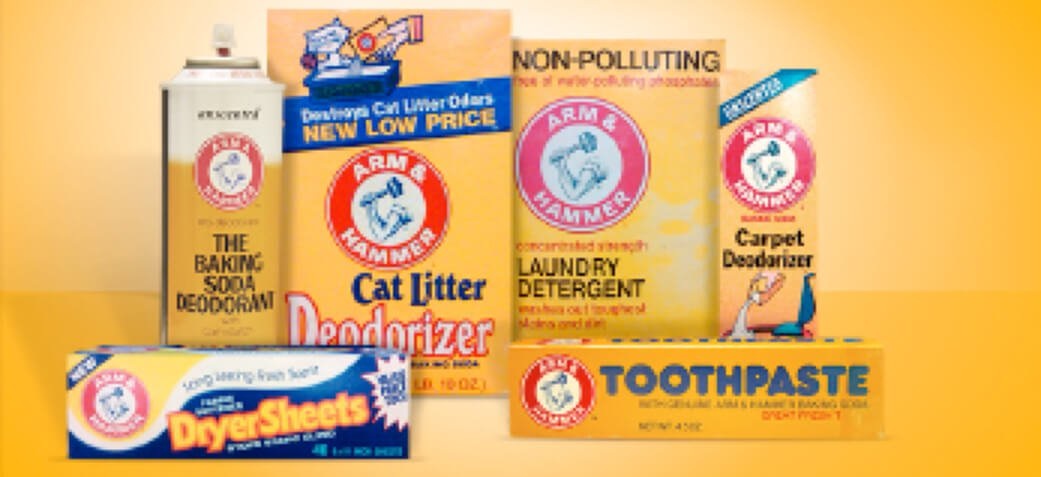
That versatility became a route through the house. ARM & HAMMER moved into laundry detergent, toothpaste, carpet deodorizer and cat litter. The company could take a familiar association with cleaning and odor control into another aisle. A consumer did not have to learn an entirely new name every time the product changed.
The brand also learned to teach. Miniature recipe books began circulating in 1860; bird trading cards followed in 1888. These were reasons to keep a relationship with a product that might otherwise disappear into a cupboard. The packaging contained chemistry. The marketing supplied occasions to remember it.
Buy the habit. Bring the machinery.
Eventually, the company expanded beyond what one orange box could credibly promise. Acquisitions brought in businesses with identities of their own. OxiClean arrived through the 2006 Orange Glo purchase, along with experience in direct-response advertising. Billy Mays and Anthony Sullivan had made the stain-removal demonstration a performance people recognized.
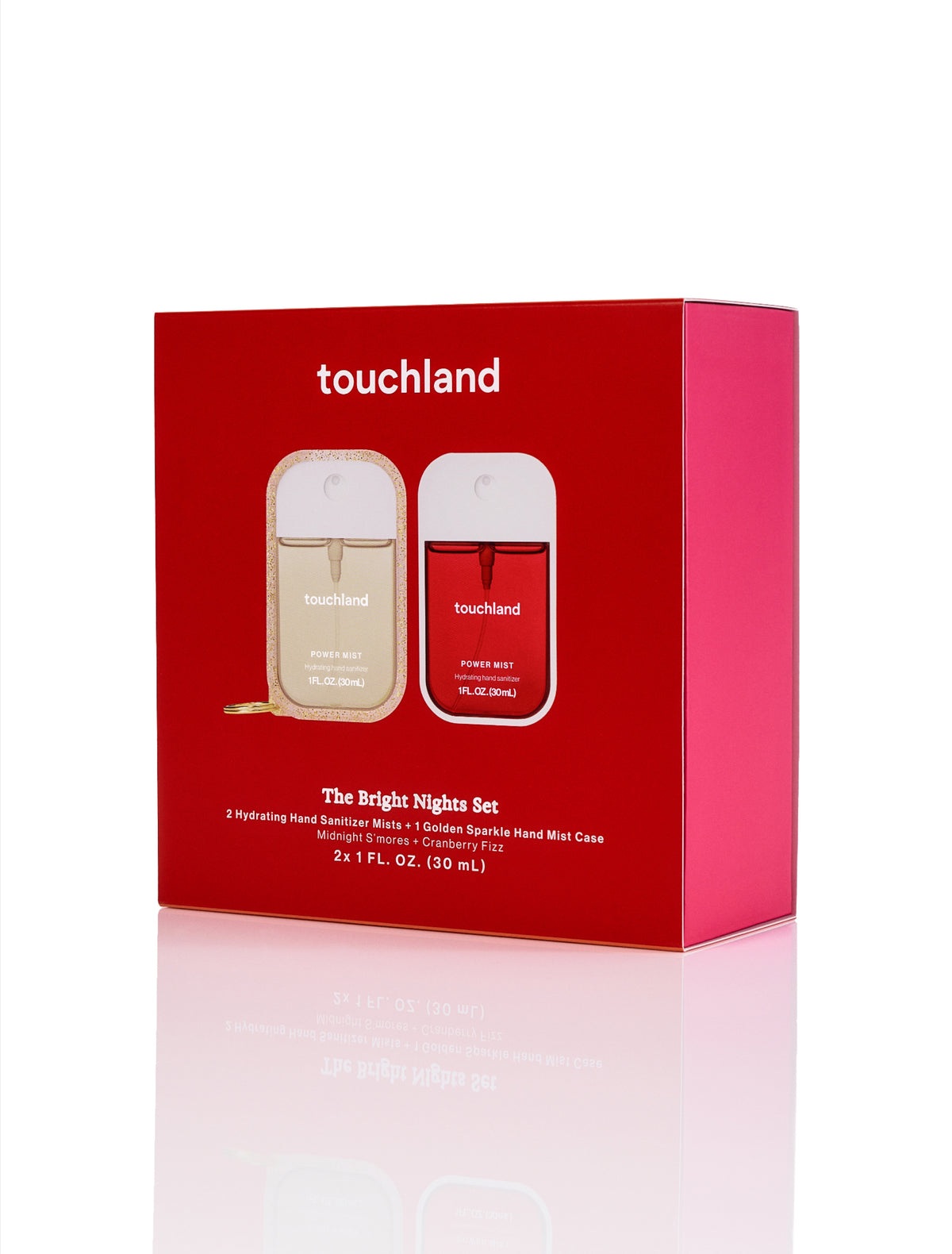
The newer purchases follow a more explicit screen. In announcing Touchland in May 2025, Church & Dwight listed four criteria: a number-one or number-two category brand, limited capital requirements, growth, and an expected improvement to company gross margins. The position in the category matters. So does what it costs to keep the business running.
“Touchland is nimble and asset light and should be an excellent fit at Church & Dwight.”
Rick Dierker · acquisition announcement · May 2025
Those criteria do not make the purchases cheap. TheraBreath cost $580 million in 2021. Hero followed for approximately $630 million in 2022. Touchland’s announced terms were $700 million at closing, plus as much as $180 million tied to performance. That last figure describes the announcement, rather than a final accounting purchase price.
Three acquisitions. Three entry prices.
What can the buyer contribute after the cheque clears? For TheraBreath, the acquisition announcement identified distribution, manufacturing and operating expertise. For Touchland, management proposed keeping the founders running the business and retaining its Miami location. The parent supplies capabilities a younger brand might take years to assemble.
There are two audiences to satisfy. Households want an effective response to an ordinary problem: dirty clothes, unwanted odors, dry-shampoo emergencies or a breakout. Retailers want products people will return to buy. Brand websites add direct sales, while specialty operations serve customers in animal nutrition, commercial cleaning and industrial applications.
For the owner, the attraction is a cycle of replenishment. A detergent bottle empties; a pack of patches gets used. Revenue depends on persuading customers to choose the brand again, while managing manufacturing, freight, advertising and retailer relationships. That makes the less visible work behind the package central to the business.
Competition changes with the aisle. Procter & Gamble is an alternative in laundry; Colgate-Palmolive competes in oral care; Clorox has cleaning and litter businesses. Private labels compete for the same household budgets. Church & Dwight’s distinction is the combination of its baking-soda franchise and a deliberately varied collection of acquired specialists.
The expensive art of letting go
A portfolio can accumulate mistakes as readily as brands. The vitamin business showed trouble before the latest reset: 2024 results included a $270.1 million after-tax, noncash charge related to that business. In 2025, Church & Dwight exited Flawless, Spinbrush and Waterpik showerheads, then completed the sale of Vitafusion and L’il Critters to Piping Rock on December 31. Waterpik oral care remained.
Management’s stated reason was to concentrate on faster-growing value and premium lines. The vitamin sale brought a further $45.6 million after-tax charge in the fourth quarter. These are the less photogenic costs of portfolio management: writing down an earlier expectation, accepting the bill, and making room for another decision.
The distinction is useful for smaller businesses, too. A recognizable name and healthy sales do not automatically make an adjacent category attractive. Ask what the new product demands of the organization, whether customers already trust it for that task, and how long management can afford to wait for repeat purchases.
The evidence also sets limits on the strategy. A high purchase price needs future cash generation to support it. Strong distribution cannot indefinitely compensate for fading demand. Retailer decisions, private-label competition and integration costs remain risks. Anyone copying the acquisition checklist needs the operating capacity and financial room to survive a disappointing purchase.
The next stain is already waiting
In May 2026, Church & Dwight paid approximately $325 million for Miss Mouth’s Messy Eater. The stain-removal brand reported roughly $80 million in 2025 sales. Management pointed to its Amazon position, repeat use and early expansion into more stores. Here was a familiar problem arriving through a newer route to the customer.
The approximate price of Miss Mouth’s Messy Eater. The transaction closed May 28, 2026.
The practical lesson is accessible even without an acquisition budget: choose a specific recurring annoyance, establish that customers return, then find a distribution partner that can extend the reach. Church & Dwight’s own culture page describes a flat organization that encourages initiative. It even gives a Red Bandana/Disruptor Award. An old company has institutionalized a little impatience.
The next test will be whether those newer brands keep earning their space. Second-quarter 2026 organic sales rose 5.8%, excluding acquisition, divestiture and currency effects under the company’s definition. That is encouraging evidence, with more quarters still to come. Somewhere, another shirt is acquiring a stain. Church & Dwight would like to be there when its owner goes shopping.