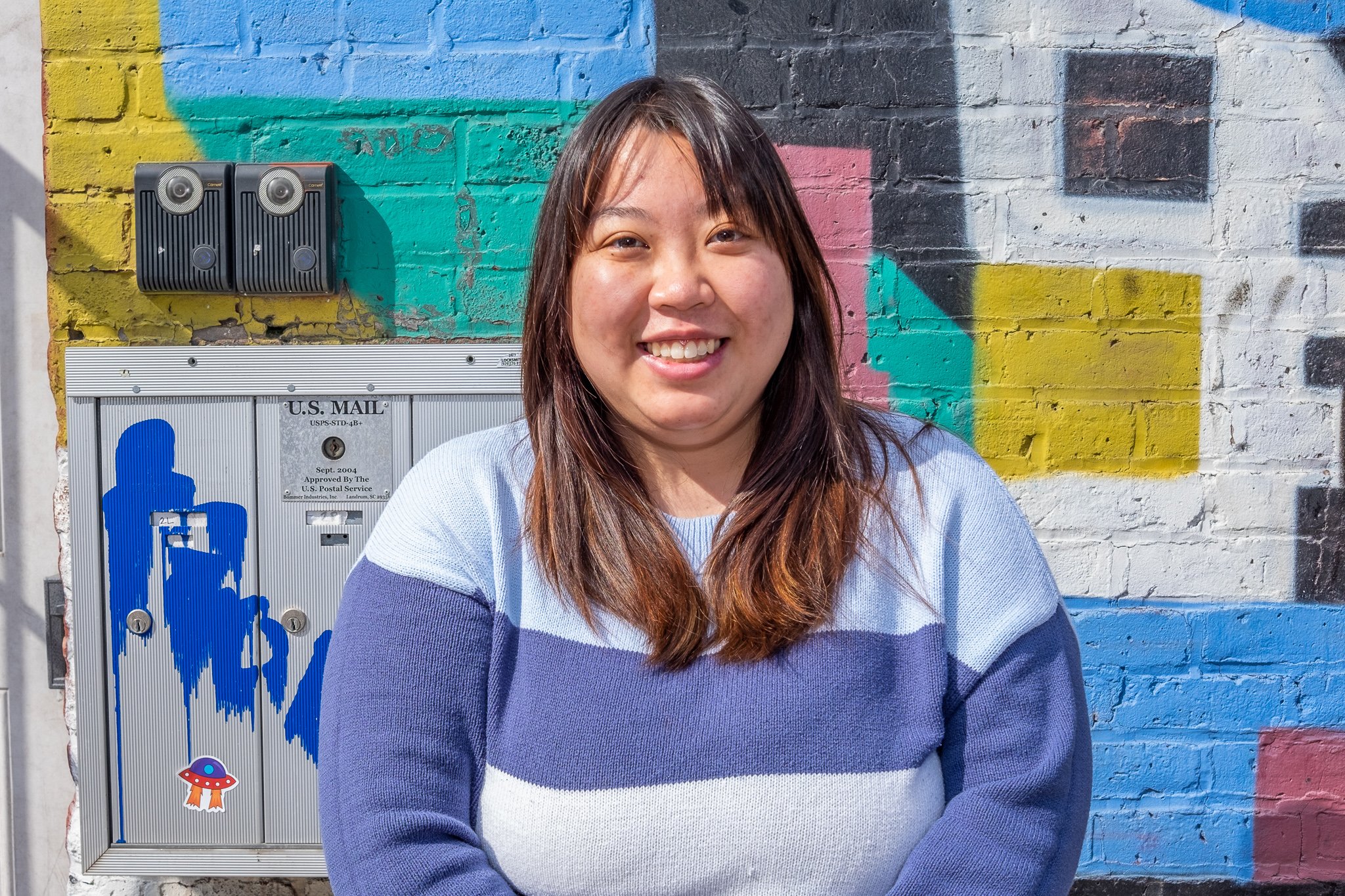
The meat slicer was already there. Long before Kimberlie Le co-founded a company that would put fungi-based ham behind a deli counter, her family had a slicer at home. She grew up knowing the pleasures of a freshly cut slice and the small ceremony of ordering one. A child at the counter could also reasonably expect a sample. Free food is an effective introduction to almost any industry.
Today, Le is the co-founder and CEO of Prime Roots, a Berkeley company making meat alternatives from koji. Its route to the sandwich has involved microbiology, a university lab, kitchen experiments and several changes of menu. Yet the destination feels close to the beginning: a person behind glass, something savory on the slicer, a customer deciding what to take home.
That continuity helps explain Le. She is interested in changing how food gets made while preserving much of what people enjoy about eating it. The texture matters. So does the setting. An unfamiliar ingredient has a better chance when lunch still looks like lunch.
A slicer in the family
Le was born in Edmonton and has said she lived in Northern and Southern California for much of her life. Her mother is a chef. Food was both family business and family entertainment, with travel often organized around eating rather than a fixed itinerary. One remembered destination was Tin Tin’s, a Chinese restaurant in Edmonton, where she loved the peaches and cream shrimp.
Her earliest memories include sitting beside boxes of produce larger than she was. She learned kitchen skills from her mother and saw the connections between restaurants and the farmers supplying them. Ingredients had histories before they reached a plate. A meal was the visible end of a much longer chain of work.
She also remembered helping her mother ferment rice products as a small child. Koji, the fungus associated with making foods such as miso and soy sauce, belonged to that culinary world. Years later, when it became the basis of a company, the ingredient had a personal history as well as a technical purpose.
An apartment appliance, a different ingredient
At UC Berkeley, Le’s interest in agriculture and the environment gave those familiar ingredients a different significance. Learning how much corn and soy went into raising animals made the food system seem inefficient to her. She began trying meat alternatives and thinking about how they might be improved. The university’s Alt: Meat Lab connected that question to entrepreneurship, professors and people in industry.
Her experiments included growing koji in an Instant Pot in her apartment. It is a domestic detail with a useful sense of scale. Before there were buyers and production schedules, there was an appliance someone might otherwise have used for dinner. A question about the food system had become something she could actually work on in a kitchen.
Le and co-founder Joshua Nixon started the business in 2017, initially calling it Terramino Foods. She left school to build it. In 2018, she joined the Thiel Fellowship, a program offering young founders funding and mentorship to pursue projects outside college. The choice gave her another kind of education, with customers and colleagues eventually setting the assignments.
There were less edible subjects to learn, too. Through Berkeley’s FORM+FUND program, Le encountered the legal work involved in running a startup. Incorporation, ownership and the decisions around a young business could hardly be solved by adjusting the seasoning. She valued having a place to learn about pitfalls before discovering all of them through experience.
“I’m obsessed with things that you can’t see.”
Kimberlie Le
The attraction of koji was partly structural. Prime Roots grows the fungus in liquid culture and uses the resulting fibrous material as its food base. After fermentation, the solids can be separated and combined with fats, flavor and color for different products. The fungus itself supplies a texture Le wanted to work with. Her scientific curiosity and her culinary expectations could occupy the same experiment.
- 01GrowKoji in liquid culture
- 02HarvestFibrous material
- 03PrepareFlavor, fat and form
- 04SliceA familiar deli order
A simplified process diagram, not a recipe. The material changes; the sandwich ritual stays recognizable.
The menu gets shorter
An early focus was salmon. Seafood presented a difficult combination of flavor and texture, and the team treated it as a way to test what its ingredient could do. Other possibilities followed. By the time Prime Roots was finding its commercial footing, the list of things koji might become was rather longer than the list a young company could sensibly sell.
One early salmon-burger experiment also supplied a less strategic lesson. Le accidentally reached for sugar instead of salt because the containers looked alike. The result was sweet salmon when she had intended something else. She labeled the containers afterward. There are sophisticated accounts of innovation; this one has the advantage of being immediately useful to anyone with a pantry.
Customers helped choose an early release. Prime Roots asked its community which product it wanted, and bacon reached consumers in a limited launch in February 2020. The founders said the initial supply sold out within hours. They continued gathering feedback and adjusting the product, while prepared meals later appeared in selected Bay Area Whole Foods stores.
Le’s account of that period puts patient development ahead of launch-day theater. The company had spent years in research and development and built a mailing list of interested people before that first small offering. A sellout established curiosity relative to the amount available. Continuing to improve the food gave those curious customers a reason to remain involved.
By 2022, the company was concentrating on deli meats and bacon. Its new Berkeley production facility covered 20,000 square feet. That was a substantial change of surroundings from an apartment appliance, accompanied by a narrowing of purpose. Ham and turkey slices gave the technology a specific place to work, with familiar equipment and a recognizable buying occasion.
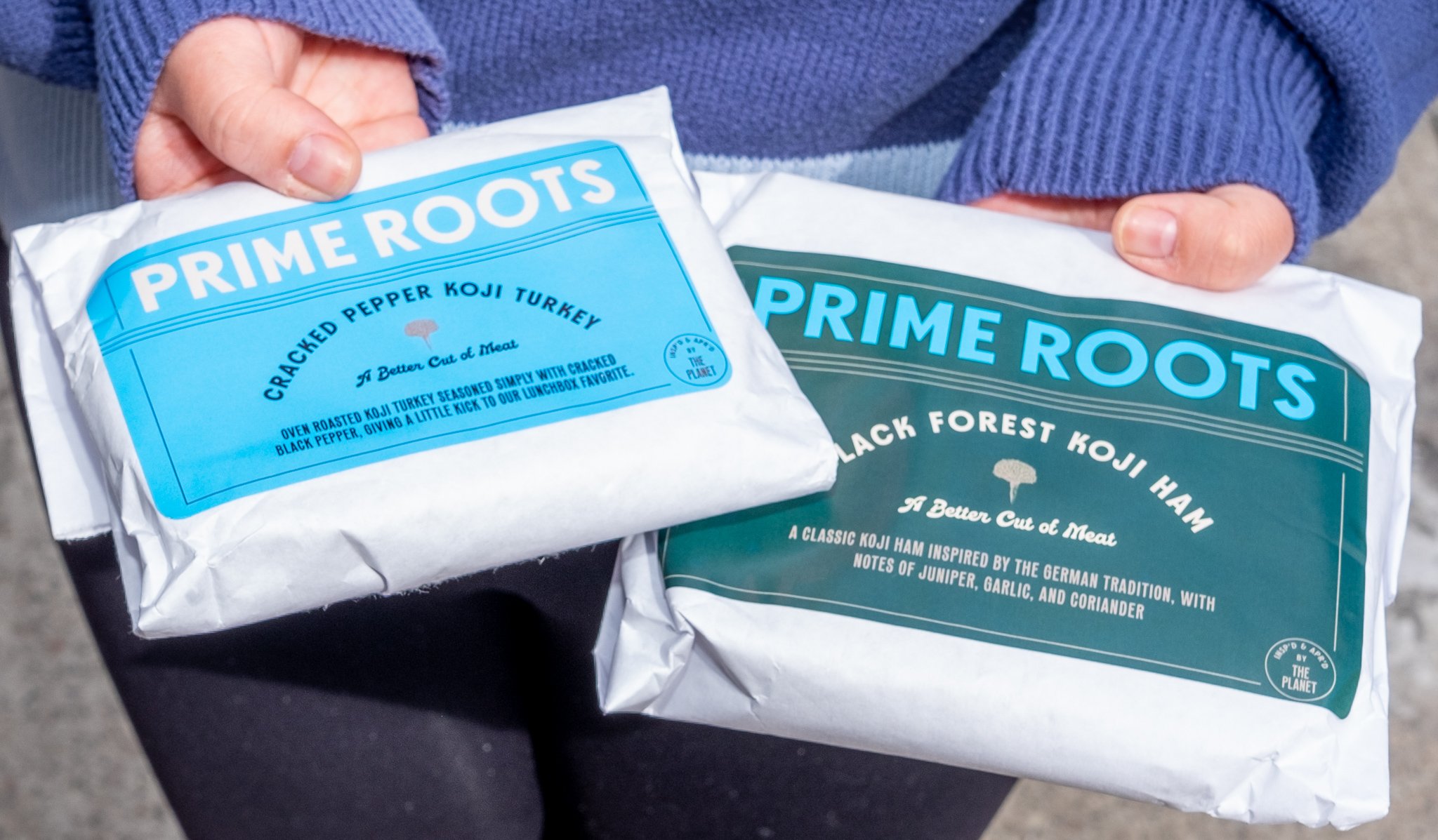
The choice also suited her own appetite. Le has described herself as a meat eater making alternatives for people who enjoy meat. At Berkeley, she explained that replacing a single meal, or even one component of a meal, could be a useful starting point. A customer could keep the bread, the condiments and the habit of ordering lunch, then try a different filling.
Learning to leave the bench
As the company grew, Le’s own work changed. She described moving gradually away from developing recipes and helping on the manufacturing floor toward hiring, strategy and making sure the organization had the resources to continue. The handover happened through successive hires. Each person taking responsibility created room for her to learn a different part of the business.
She has also said she wishes she had accepted help earlier. Holding on to tasks could feel considerate; allowing someone else to do them was a skill she had to develop. For a founder who likes building, delegation asks for a peculiar kind of restraint. The opportunity to fix something personally is always close at hand.
A dog supplied another management lesson. Le described the steadiness her dog Chuy brought to her life, through routine and dependable companionship. She wanted her team to experience a comparable sense of stability at work. The comparison is modest and revealing. A company’s culture is partly made of what people can reliably expect when they arrive each day.
There is a larger ambition behind that ordinary concern. Le wants to build something that continues beyond her own involvement. An enduring business needs people who can make decisions, carry knowledge and do the work without its founder standing over every batch. Learning to release responsibility belongs to the same project as learning to make the food.
Lunch, with a longer horizon
The milestones have accumulated. Prime Roots announced a $30 million Series B in May 2023. In 2024, Le appeared on Inc.’s Female Founders 250 and received a Deli Business Changemakers award. Those recognitions marked different parts of the job: attracting capital to develop a business and earning attention in the industry where its products would be sold.
In August 2025, she described a more measured stage of expansion. Existing markets were growing, she said, and the company was working toward a nationwide presence during 2026. Getting a retailer interested was only part of the work. Delivering reliably across retail and foodservice introduced separate operational demands. A good tasting did not arrange transportation.
Her public conversation continued in March 2026 with an interview about fungi, product development and the deli sandwich. The recurring question remained practical: how could a different way of producing food fit the experience people already wanted? For all the possibilities of fermentation, the customer would eventually have to enjoy the result.
Outside the company, her curiosity still leads toward ingredients. She enjoys foraging, diving in the ocean, cooking and traveling for food. One favorite book is The Little Prince, which she connects with creativity and community. These interests suggest a person whose attention keeps wandering toward things worth discovering, whether they belong in the woods, on a page or on a plate.
Asked what she likes making with Prime Roots, she has pointed to bánh mì, combining slices and pâté with pickles and jalapeños. It is an appetizing place to leave her: thinking about how the parts of a sandwich work together. The future can wait a moment while someone remembers the pickles.