A climate target is a wonderfully tidy thing. Put a year beside it, attach a percentage, and it fits on a slide. The trouble begins when somebody must buy an ingredient, redesign a product or explain a price increase. Suddenly the target has colleagues, customers and a budget. Future Food Movement has built a business around that less photogenic part of the food industry’s transition: the people who have to make the promise work.
- Membership, professional training and advisory support for the UK food sector.
- Climate, health and commercial pressures are taught together.
- Courses put people from different functions and businesses in the same conversation.
The missing ingredient was confidence
Kate Cawley founded Future Food Movement in 2021 through Veris Strategies, her sustainability consultancy. In an early interview, she described food manufacturers whose leaders lacked confidence about implementing climate initiatives. Bringing previously competitive businesses together was part of the answer. The ambition she announced for 2022 was to upskill 10,000 people. It was a target, rather than a tally of graduates.
The starting observation remains useful. A sustainability specialist may understand a company’s ambition perfectly while the colleague negotiating supply contracts faces a different set of instructions. FFM’s proposition is to spread capability beyond the specialist. Procurement, operations, commercial and product teams all influence what a food business actually does. Leaving them outside the classroom makes for a rather expensive misunderstanding.
Today the company describes its role more broadly: a leadership platform and advisory partner dealing with climate, health, policy and supply pressures. Its public relaunch commentary identifies the gap between ambition and delivery as the recurring frustration. The expanded offer adds intelligence, organisational capability and strategy support. The emphasis has moved towards helping people make decisions when reasonable priorities collide.
Bring your awkward decision to class
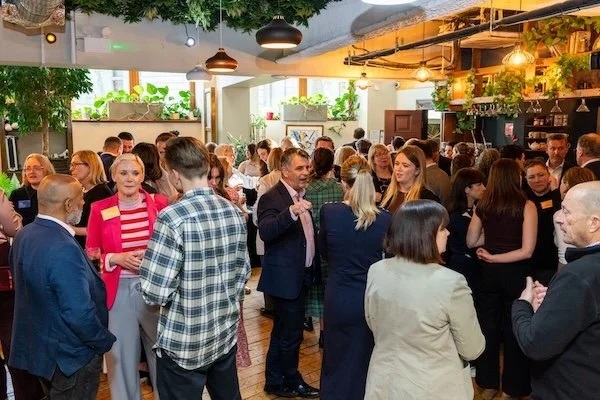
Food Systems Essentials makes the method concrete. The Accelerator runs across four weeks, with a live two-hour online session each week. Participants examine food-system signals, climate and supply dynamics, and health-driven demand. Then comes the Action Lab: bring a real decision, challenge or opportunity from your organisation and work through it with coaches and peers.
That last instruction matters. A course can leave you fluent in terminology while your original problem remains untouched. Here, the work enters the lesson. Retailers, manufacturers, foodservice operators, farmers, suppliers and NGOs can join the cohort. A sourcing choice looks different from the farm than it does from the buying desk; those differences become teaching material.
“The cohort was the entire value chain… that mix was phenomenally valuable.”Nick Henderson, Belazu · Accelerator participant testimonial
- 01System
signals - 02Climate
& supply - 03Health
& demand - 04Action
lab
The advertised non-member price is £900 plus VAT per person, including three months of individual membership access. Bronze members pay £810; Silver, Gold and Platinum members pay £675. These are course fees. The time spent attending, preparing and applying the learning belongs in a buyer’s calculation too.
FFM says 96% of past Accelerator participants report increased confidence to deliver future-fit solutions. Read that carefully: it measures reported confidence. It does not establish a corresponding reduction in emissions or increase in profit. Confidence can help someone challenge an assumption or lead a difficult conversation; the subsequent result still needs measuring.
A network with a price list
Membership supplies the continuing relationship around the courses. Explorer, advertised at £269 a year, provides digital access to monthly expert sessions and the weekly Food Industry Edit. Catalyst costs £1,500 annually and targets senior decision-makers with a vetted peer network, curated roundtables and intelligence briefings. The distinction is between following the conversation and taking part in a more focused leadership group.
Corporate membership runs from £2,000 to £17,500 a year. Bronze covers two colleagues; Silver covers five; Gold covers twelve; Platinum offers unlimited team access. Benefits deepen by tier, with technical clinics, farmer-led working groups and senior briefings among the options. The business model combines these recurring memberships with separately priced training and advisory work.
£269Explorer / individual
£1,500Catalyst / individual
£2k-17.5kCorporate / organisation
A further offering, the Thinking Partner Network, gives sustainability leaders facilitated peer support around influence and organisational tensions. Its advertised programme price is £5,500 plus VAT for non-members, or £4,125 for Silver+ members. Continuing alumni access requires FFM membership. For buyers, that condition makes the ongoing commitment worth discussing before enrolment.
The food business comes into the room
FFM sits between a consultancy, a professional learning provider and an industry network. Its claimed distinction is the combination: member conversations inform advice, while training helps people use it. An organisation could buy consulting, attend trade-body events and develop internal courses separately. FFM sells those activities as a connected relationship rooted in food-sector problems.
The expertise is correspondingly varied. Strategy director Helen Ireland previously worked on sustainability at Sainsbury’s, Costa Coffee and Cafédirect. Programme experts include net-zero adviser Will Clare and nutrition specialist Charlotte Radcliffe. The point is to connect environmental and health questions with the commercial choices made by people who already have demanding jobs.
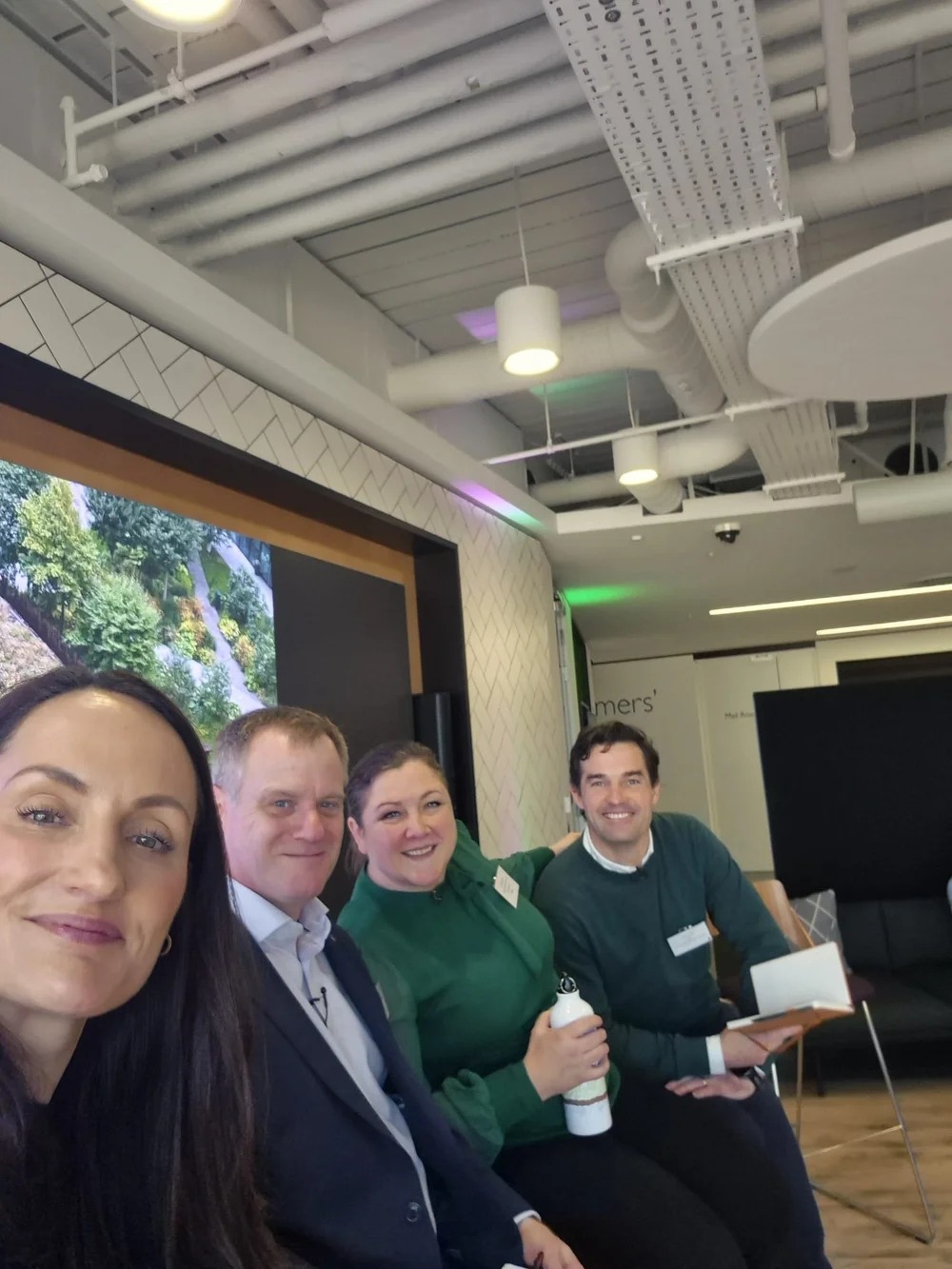
The network displayed on FFM’s website includes Tesco, Sainsbury’s, Compass Group, Greencore and Belazu. That breadth is part of the proposition, rather than proof that every participant buys every service. In April 2026, its London Leaders’ Briefing brought together senior decision-makers to discuss volatility and strategy. Advice also comes in defined services covering intelligence, implementation and stakeholder engagement.
What survives Monday morning
The part another business can copy is straightforward: bring a live choice, invite colleagues with different constraints, and give the next action an owner. FFM’s Leadership Capability Diagnostic examines gaps and misaligned incentives; its free Decision Bottleneck Review looks for the decisions holding progress up. Both begin with the organisation as it operates.
This approach needs participants who can share honestly and influence what happens afterwards. Training cannot supply a missing investment budget or change a purchasing incentive by itself. Its value depends on whether someone takes the conversation back into the business. The promising detail in FFM’s offer is the real decision brought to class. Monday morning provides the examination.