Consider the drinks printer. In Kafecloud’s description of its bar software, beverages get their own kitchen order tickets at the bar counter. Food tickets go to the kitchen. It is an almost comically modest detail to put in a technology pitch. Yet it tells you something useful about the business: a restaurant order becomes several different jobs, performed by people standing in different places.
- Restaurant software spanning direct ordering, billing and operations.
- Separate apps for customers, waiters and kitchen staff.
- Practical features include stock tracking, timed discounts and QR ordering.
Kafecloud sells tools for connecting those jobs. Its published range stretches from restaurant websites and mobile apps to point-of-sale billing, inventory and delivery. The interesting question is how those pieces meet. Getting an order onto a screen is one task. Getting everyone to act on the same order is a rather different undertaking.
A ticket with somewhere to go
The bar example makes the proposition tangible. Imagine a guest ordering a meal and a drink together. That is one purchase, but two production queues. Sending each ticket to the appropriate station gives the work a destination. Kafecloud describes configurable printers and a touch-screen interface alongside bottle-stock tracking and scheduled happy-hour prices. These are its advertised capabilities, rather than measured results from a particular venue.
“Print all beverage KOT’s right at the bar counter and food KOT’s for the kitchen.”
Kafecloud’s pubs and bars product description
A useful way to read that list is as a map of possible friction. The person taking payment needs speed. The bartender needs the drinks request. The manager needs to know what is left. Each person can perform their own job correctly while the overall order still becomes confused. The product’s appeal lies in making the connections more explicit.
The menu becomes a front door
On the customer side, Kafecloud offers restaurant-branded ordering websites and mobile applications. The published Customer app listing describes a restaurant-customized menu app. Its screenshots add useful texture: a food catalog, shopping-cart controls and a reservation form asking for party size, date and time. The restaurant name sits above the menu. The establishment remains the visible destination.
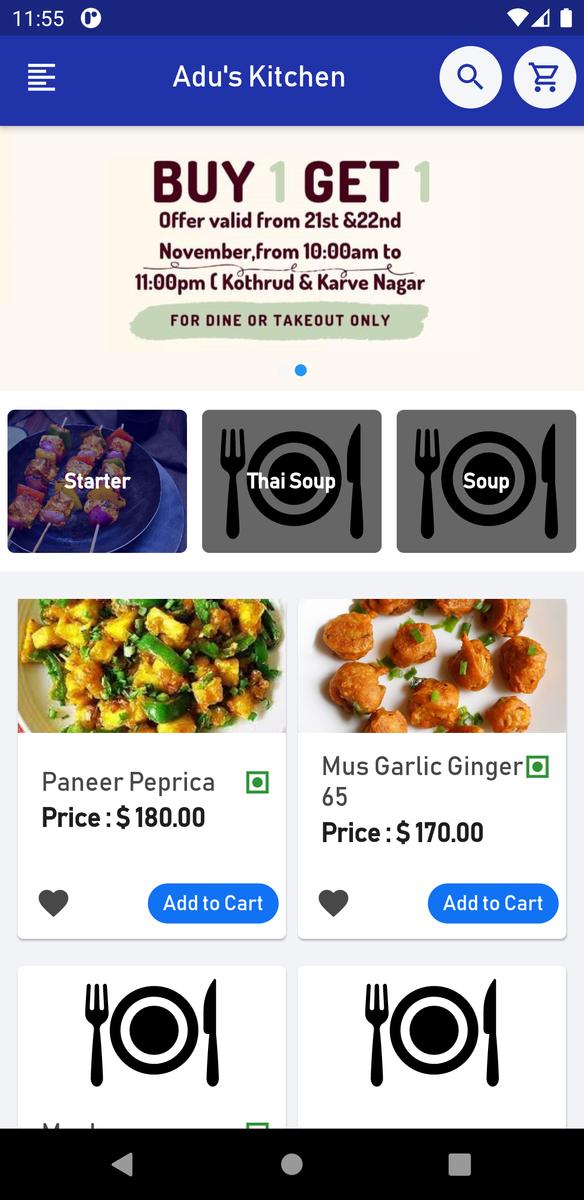
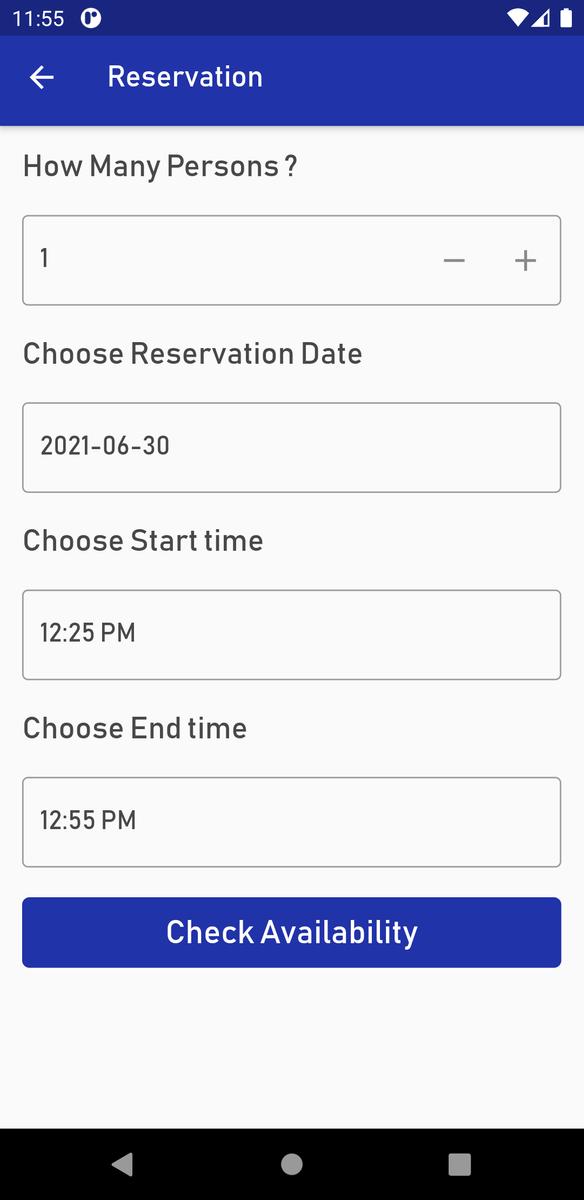
That arrangement matters because a direct ordering channel gives a restaurant somewhere to send its existing audience. A regular customer can return to the same digital storefront. But a storefront still needs visitors. An operator considering this approach should distinguish the software that accepts an order from the work of persuading someone to place it. Installing an app does not, by itself, create demand.
Three jobs, three interfaces
The app names make Kafecloud’s division of work unusually easy to understand. Customer is joined by Kitchen, described as a multipurpose app for chefs, and waiter, whose listing offers customization to a restaurant’s requirements. All three listings identify Weberr Technologies Pvt Ltd as developer. The Kitchen and waiter records carry January 22, 2023 update dates; the waiter release is labeled beta.
Those distinctions offer a sensible design lesson. A diner selecting dinner, a waiter taking an order and a cook preparing it need different views. A useful evaluation would ask each person to carry out their actual task. Does the menu make sense to the diner? Does the request reach the right station? Can the team identify which order is ready? The answers matter more than the number of screens.
Weberr also lists native integration with KafeCloud in its website-builder material. That places the restaurant offering alongside a broader set of digital business tools. For a buyer, the relevant question is whether the ordering channel and the operational system can exchange the information the business needs.
A bakery counter. A truck window.
Kafecloud’s bakery offering links customer bills to kitchen order tickets and describes inventory tracking. Its food-truck material adds control over which dishes appear online and support for desktops, laptops and tablets. QR ordering gives customers another route to the menu. The business settings differ, but both involve handing a specific order to the correct person.
For an operator, the transferable idea is to begin with that handoff. Pick an ordinary busy-service problem: a customer cannot tell whether an order is ready, or an item remains available online after stock runs out. Then trace what information each worker needs. This is an evaluation method, not a claim that Kafecloud automatically resolves every exception. It makes a software demonstration much harder to hide behind a tidy home screen.
The second order is another job
In its cloud-kitchen material, Kafecloud describes multiple virtual restaurants, delivery choices and order-status tracking. It also proposes using order histories and popular dishes to shape offers. Its pandemic-era explanation emphasizes contactless service. The broader operational idea travels beyond that setting: the system that handles today’s transaction can also inform tomorrow’s menu or promotion.
Kafecloud occupies a busy restaurant-software market alongside alternatives such as Toast, Square for Restaurants and Petpooja. Its position is the breadth of its restaurant toolkit and the specific workflows it describes. Those features give a buyer concrete things to compare, without establishing that one platform performs better.
A practical trial could start with a deliberately awkward basket: one drink, one food item, an add-on and a discount. Ask the counter team and kitchen to process it, then compare what each person sees. Repeat the exercise for collection and delivery. Finally, check the bill and stock record. This proposed test turns the promise of connected software into observable work. It also exposes an important condition: the restaurant must keep its menu, routing rules and operating process accurate. A system can distribute instructions consistently while the instructions themselves are wrong.
The buying calculation should include setup, devices, training, payment charges and ongoing software costs. A free-trial invitation is a chance to test the work, rather than a substitute for that calculation. Direct ordering also asks the restaurant to attract customers and organize fulfilment. If those responsibilities exceed the team’s capacity, adding another channel may add another queue. The useful test is wonderfully unglamorous: place an order, follow every handoff, and see who still has to ask what happens next.