The Maine Woodshop That Dresses Your Grocery Store's Best Corner
How a family woodshop in a town of 2,300 people ended up building the produce bins, bakery cases and wine racks that greet you at Whole Foods, Hannaford and Giant - and why it bet its comeback on propane.
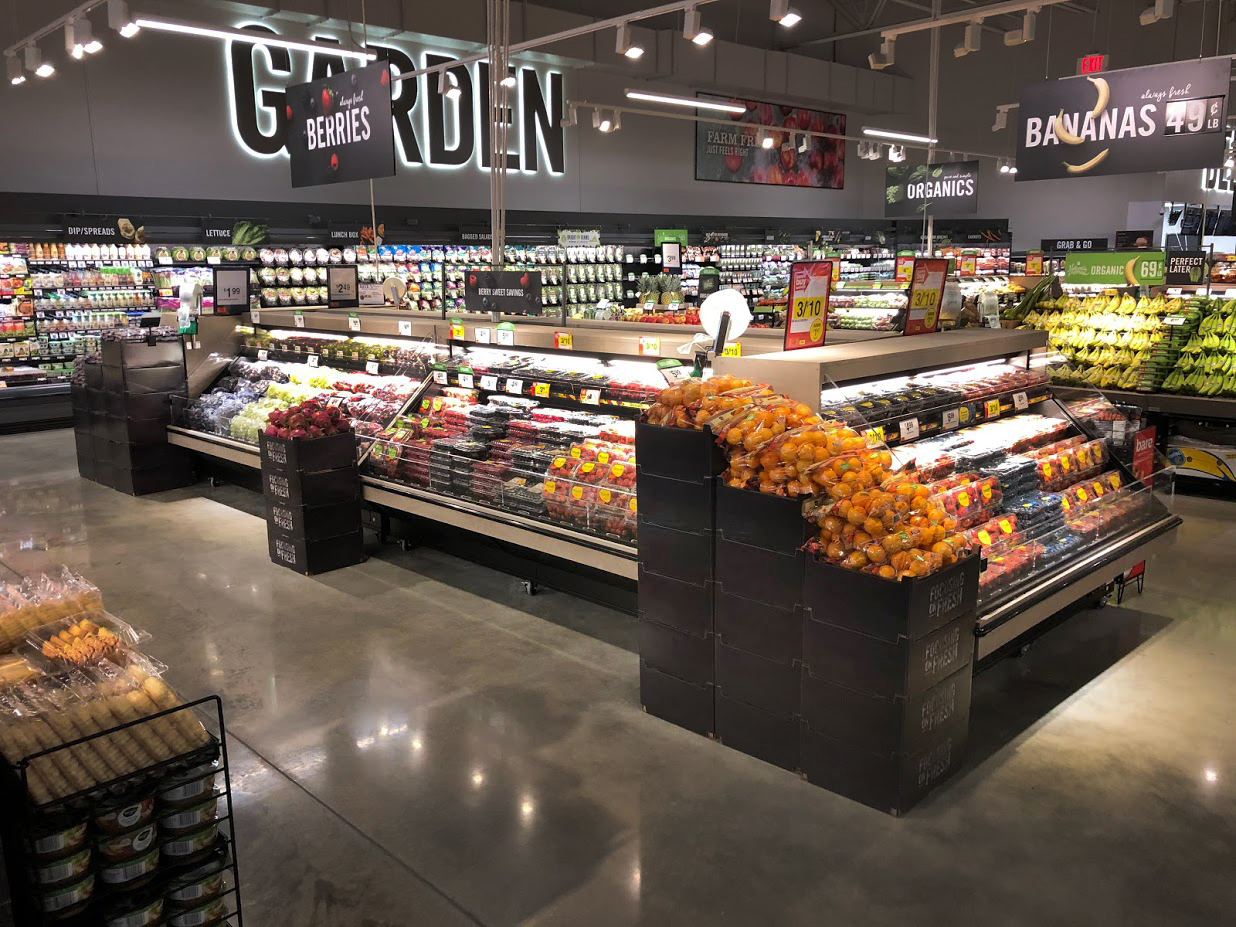
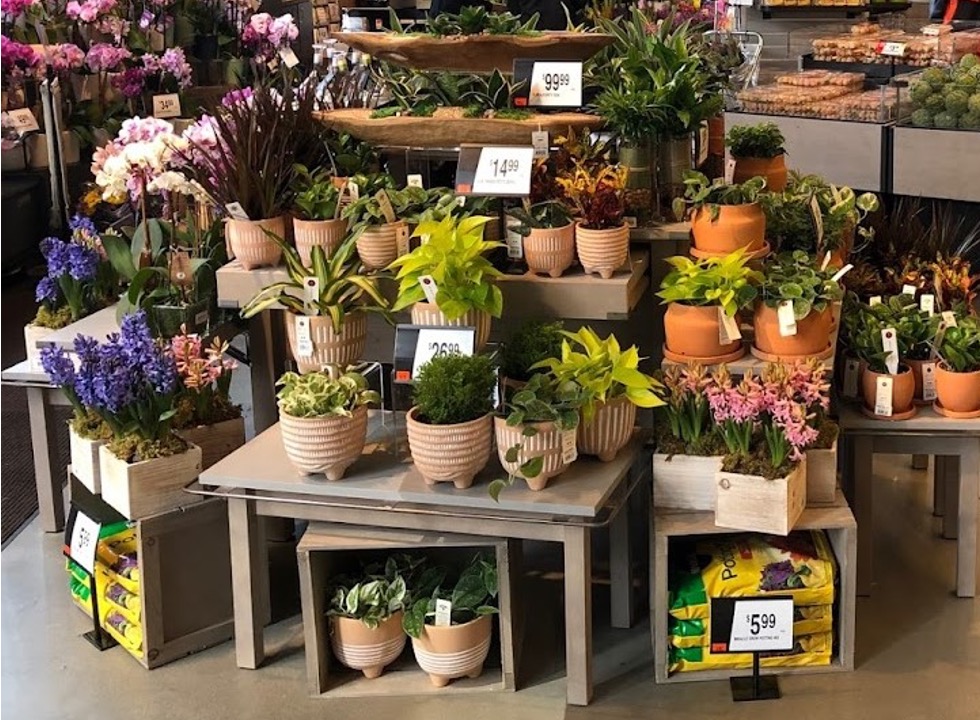
Walk into almost any American supermarket and the first thing that meets you is a wall of fruit - apples stacked at a slight tilt, greens misted and glowing, a table of flowers just past the door. It looks effortless. It is not. Somebody engineered the bin that holds the apples at the right angle, the case that keeps the greens at the right temperature, the wooden table that makes the flowers look like a farmers market. For a large share of North America's grocery chains, that somebody is a company headquartered in Milo, Maine, a town of roughly 2,300 people.
JSI Store Fixtures designs and manufactures the display fixtures that line what the industry calls the "fresh perimeter" - the produce, bakery, floral, wine and prepared-food departments that ring the outside of a grocery store. It is a business almost nobody thinks about and almost everybody has physically leaned on. Founded in 1991 as Johndro & Sons Inc. and later renamed, JSI grew from a rural Maine woodshop into a supplier for chains including Whole Foods, Hannaford, Giant and Food Lion, nearly overextended itself in the process, pulled back home, and in 2021 was acquired by LSI Industries for $90 million.
01 / The ProductFurniture for the fight over fresh
Grocery is a low-margin business, and the perimeter is where chains try to win. Center-store aisles of canned goods and cereal are increasingly commoditized; the fresh departments are where retailers differentiate on quality, atmosphere and impulse. That makes the fixtures more than furniture - they are merchandising tools. A produce bin has to hold weight, resist moisture, present the product at eye-catching angles, and survive years of restocking. JSI's catalog runs to more than 800 designs, built mostly from hardwood, laminate and foam.
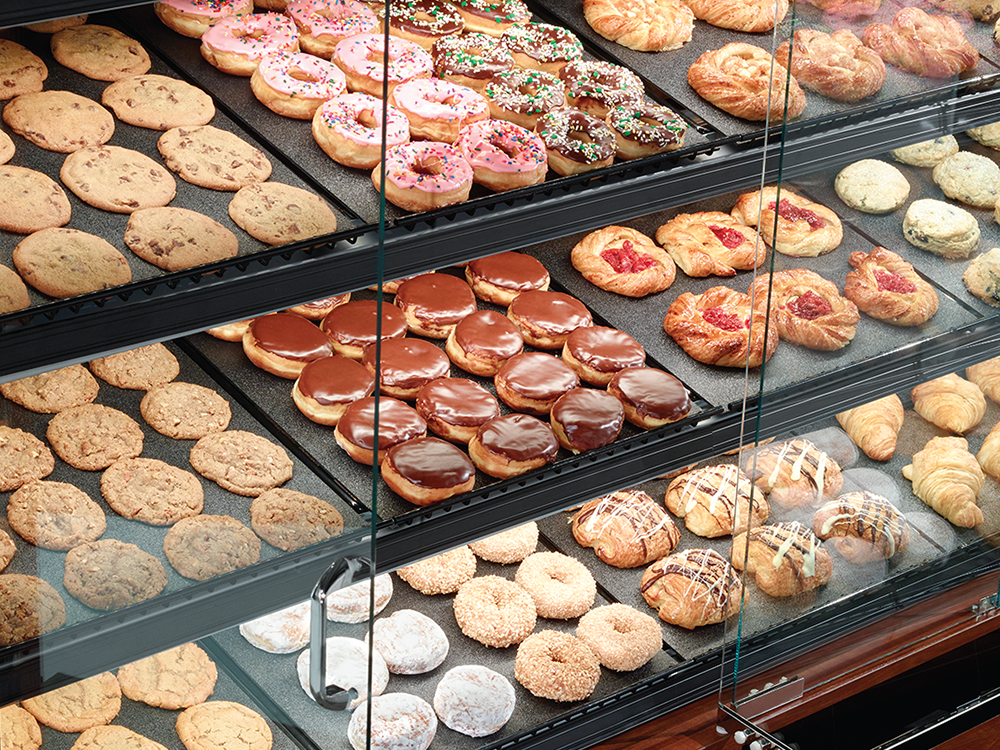
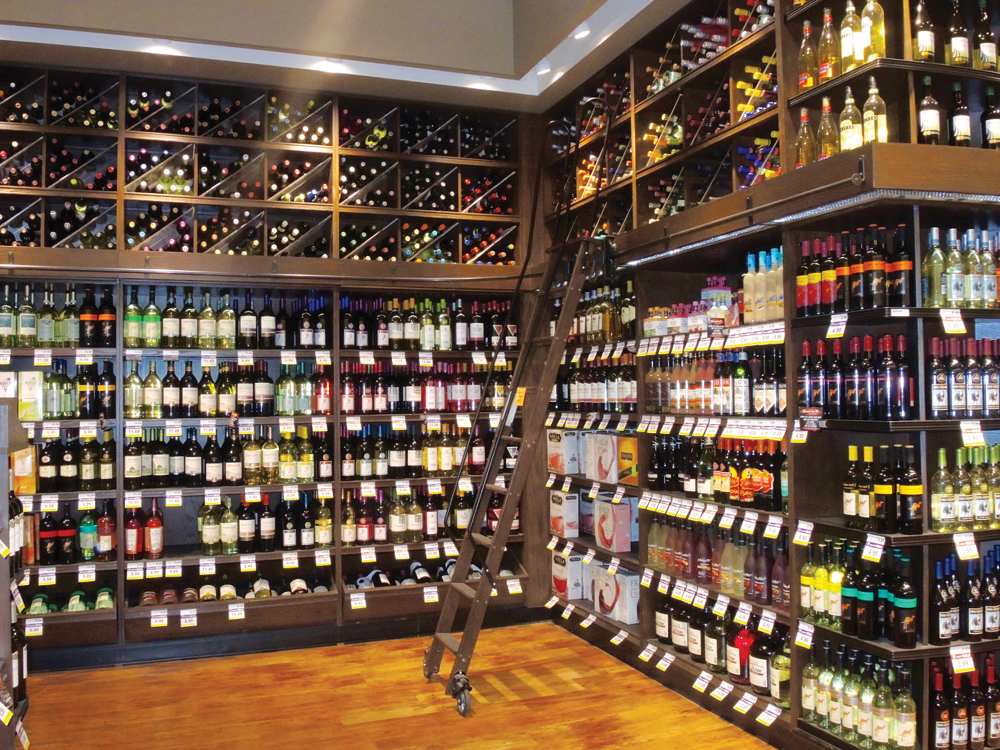
The company was first to market with a patented closed-cell foam merchandising surface for produce - the kind of unglamorous innovation that only matters if you have spent time thinking about how to display wet vegetables without rotting the display. From there the range expanded across departments: dry orchard bins and refrigerated spot merchandisers for produce, pastry cases for bakery, tables for floral, racks for wine, and custom millwork for coffee bars and service counters.
That customer roster is the real moat. One national grocery retailer selected JSI to supply refrigerated display fixtures across roughly 800 store locations - the kind of fleet-wide program that takes years to earn and is hard for a competitor to dislodge, because the retailer has standardized on the design, the dimensions and the reorder process.
02 / The Near MissWhen growth was the problem
JSI's arc is not a straight line up. By 2018 the company had overinvested in new plant expansions around the country and thinned its footprint in Maine, and the result was lower margins rather than the scale it had chased. This is the failure worth studying: not a product that flopped or a market that vanished, but a competent company that expanded past the point where expansion helped.
The fix was retreat. A $2 million growth investment from Advantage Capital let JSI restructure and consolidate production back to Maine, with founders Mark and Terry Awalt back at the wheel.Based on public accounts of JSI's 2018 restructuring
Pulling manufacturing home was counterintuitive at a moment when most of the industry was chasing lower-cost geography. But it gave JSI a story it could sell: North American production meant faster lead times, tighter quality control and a shorter, lower-emission supply chain - advantages that turned out to matter more to grocery buyers than a slightly cheaper bin from overseas.
03 / The ExitWhat LSI paid $90 million for
In May 2021, LSI Industries (Nasdaq: LYTS), a commercial lighting and display company, acquired JSI from private-equity owner RFE Investment Partners for $90 million in cash. Crucially, LSI did not fold the brand in and move on. JSI kept its name, its leadership - Terry Awalt as founder and CEO, Mark Awalt as president - and all four of its facilities. Its roughly 300 employees came along.
The logic is worth copying for any founder: LSI already made the lighting that goes above the display. Buying JSI let it sell the display and the lighting together, and it was cheaper to buy decades of fixture expertise than to build it. When you own a niche completely enough, acquirers pay to rent your depth rather than reinvent it.
Relative emphasis across JSI's fixture catalog. Illustrative, based on public product categories.
04 / The BetCooling groceries with propane
JSI's most interesting recent move is a materials-science one. In early 2024, from a new 60,000-square-foot facility built specifically for refrigeration R&D, the company shipped its first refrigerated retail displays using R290 - a propane-based refrigerant. R290 is non-toxic, does not deplete ozone, and carries a Global Warming Potential of 3. The HFC refrigerants common in the industry carry a GWP above 1,400.
Bars scaled to relative GWP. Lower is better.
For a woodshop, moving into engineered refrigeration is a genuine leap - the skills of cutting hardwood bins and designing a self-contained cold case have little in common. But the underlying obsession is the same: keeping fresh food looking fresh. To extend that capability, JSI has worked with Carter Thermal Industries on remote and self-contained refrigeration.
JSI is a Maine-based, market-leading provider of retail commercial display solutions throughout North America.From public descriptions of the company
05 / The Copyable PartWhat a reader can actually take
Strip away the wood dust and JSI is a case study in three portable ideas. First, pick an unglamorous niche and go deep enough that you become the default - the fresh perimeter is not a sexy category, which is exactly why it was ownable. Second, know when growth is hurting you; JSI's turnaround came from subtracting factories, not adding them. Third, let a constraint become a pitch - domestic Maine manufacturing looked like a cost disadvantage until it was reframed as speed, quality and a cleaner supply chain.
The conditions where this playbook would not work are worth naming too. A niche this narrow only supports a real business if the underlying category is large and stable - grocery is both. Pulling manufacturing home only pays off if buyers actually value lead time and quality over headline price; in a purely price-driven category it would have sunk them. And the refrigeration bet assumes regulation and retailer preference keep pushing toward low-GWP systems. So far, they are.
06 / The TimelineThirty-plus years in five beats
Today JSI operates as an independent brand inside LSI, with estimated annual revenue in the range of $72 million and a workforce anchored in rural Maine. The company that almost grew itself into trouble now has a public-company parent, a new refrigeration plant, and a bet that the next decade of grocery fixtures is smaller, self-contained and propane-cooled. For a business most shoppers will never name, that is a lot of quiet consequence stacked behind the produce wall.